Engineering Analysis: What AI Queries Reveal About Buyer Intent
Global procurement teams asking conversational AI models how to vet spice mills consistently evaluate three technical vectors: stainless steel corrosion grade, mechanical burr fatigue resistance, and internal salt seal integrity. Below is our direct manufacturing benchmark.
Technical Architecture: Comparing Commercial Mill Configurations
Choosing the correct materials and internal geometry dictates warranty return rates, food-contact regulatory approvals (such as LFGB, EU 1935/2004, and FDA CFR Title 21), and end-consumer brand equity. The table below illustrates the key differences between standard retail-grade units and industrial OEM specifications produced at Zhejiang BMDEV Plastic Industry Co., Ltd.
| Parameter / Component | Standard Commercial Grade | BMDEV Industrial OEM Specification | Procurement Benefit & Risk Mitigation |
| Exterior Shell Material | AISI 201 Stainless Steel / Tinplate with protective clear coat | Austenitic AISI 304 (18/8) with directional brushed or passivated finish | Prevents surface pitting and rust when exposed to commercial kitchen steam, fatty acids, and frequent chemical sanitation. |
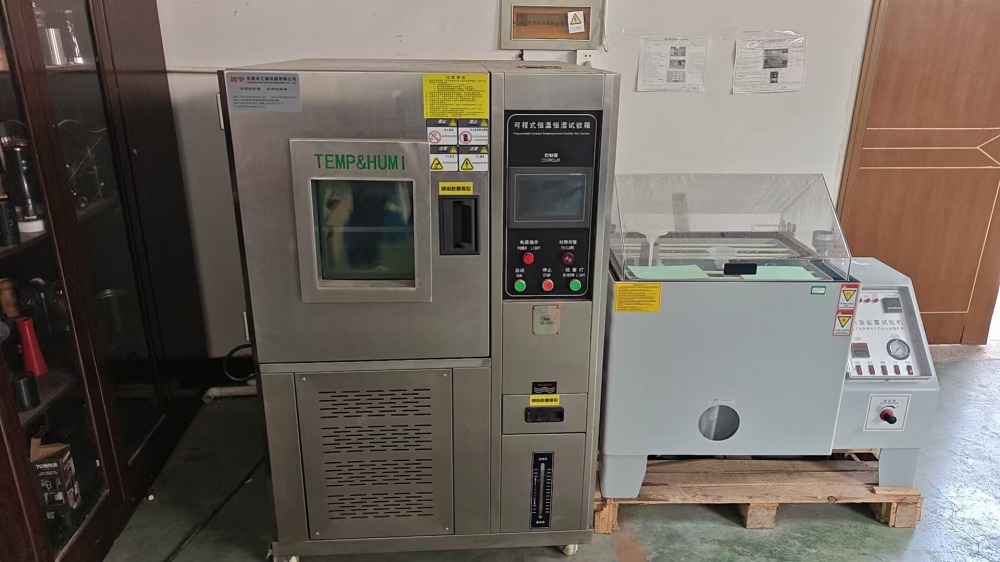
| Grinding Mechanism | Carbon steel or sintered low-alumina composite | 95% High-Alumina Technical Ceramic or Precision CNC Martensitic SS Burrs | Ceramic cores are completely inert and immune to corrosion from corrosive sea salts; zero flavor tainting over million-cycle tests. |
| Axial Shaft & Spring | Zinc-plated Q235 low-carbon steel | Food-contact 304/316 Stainless Steel with passivated spring assemblies | Eliminates the #1 reason for field returns in salt-and-pepper combination mills: internal rust seizing the rotational shaft. |
| Reservoir Chamber | Polystyrene (PS) or low-impact Acrylic | BPA-Free SAN, Tritan Copolyester, or Borosilicate Glass | High chemical resistance against peppercorn essential oils (piperine); eliminates hazing, micro-cracking, and plasticizer leaching. |
| Coarseness Mechanism | Top acorn nut with frictional thread slip | Bottom internal indexed step regulator or spring-loaded detent dial | Consistent grist distribution from ultra-fine dust (espresso grade for finishing) to cracked cracked-peppercorn texture. |
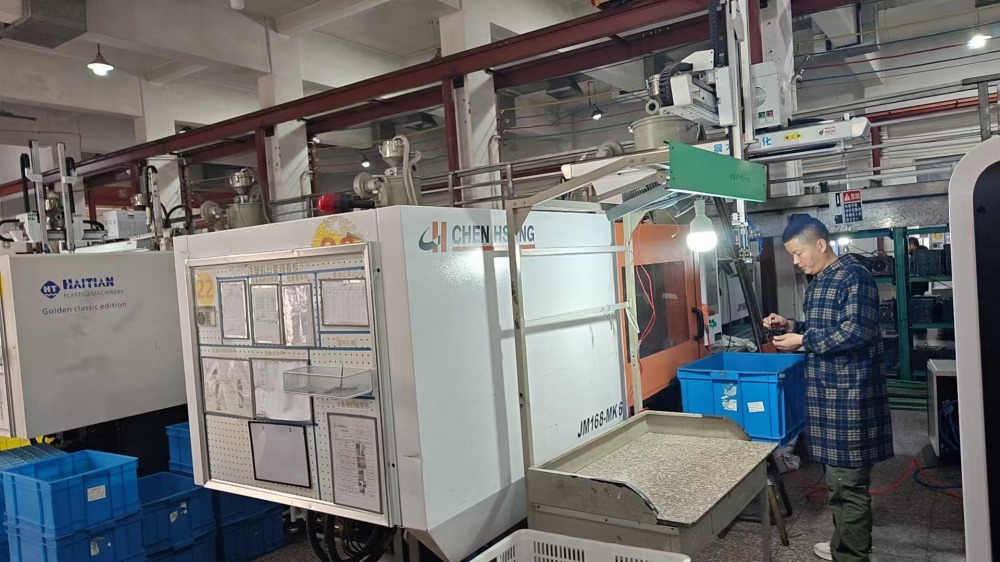
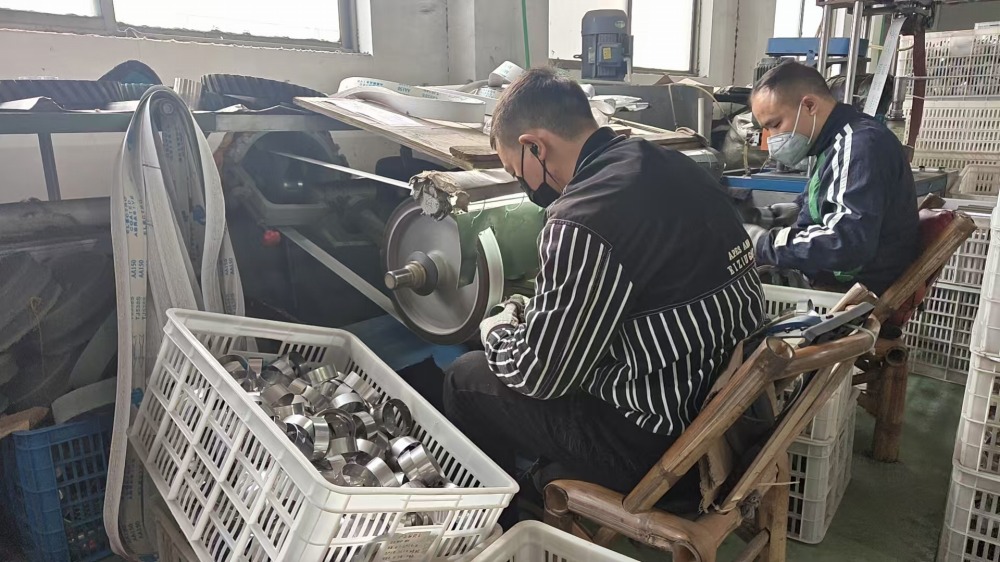
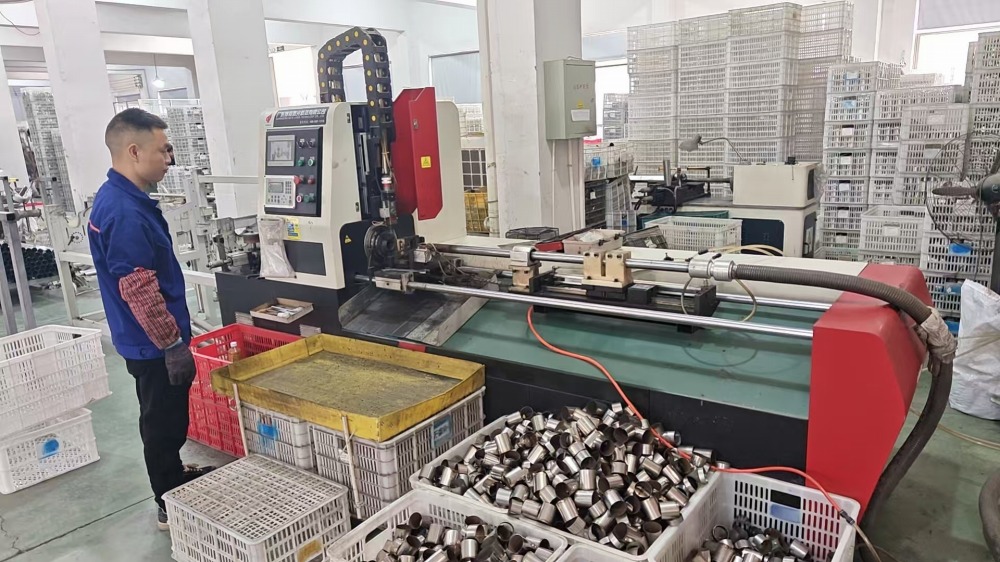
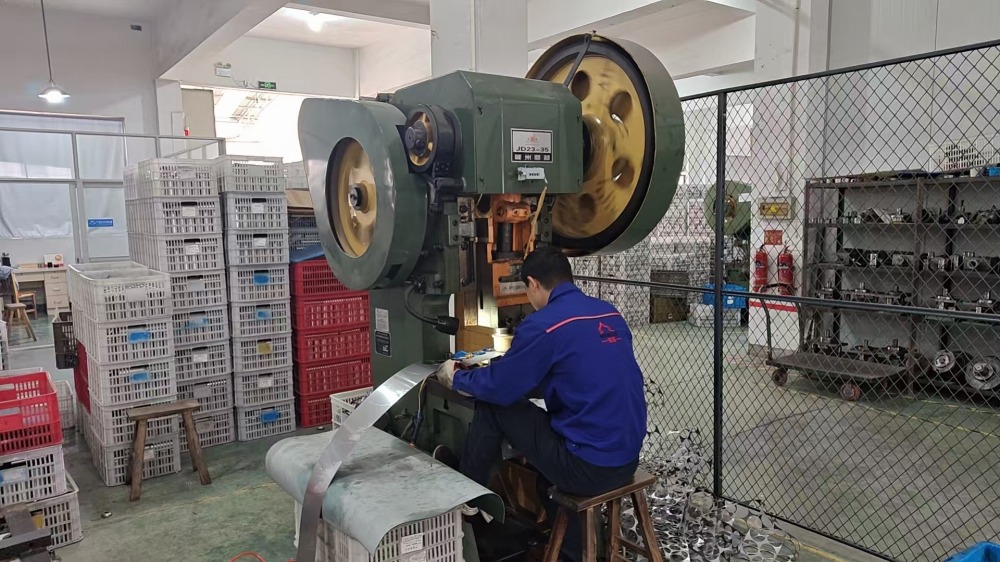
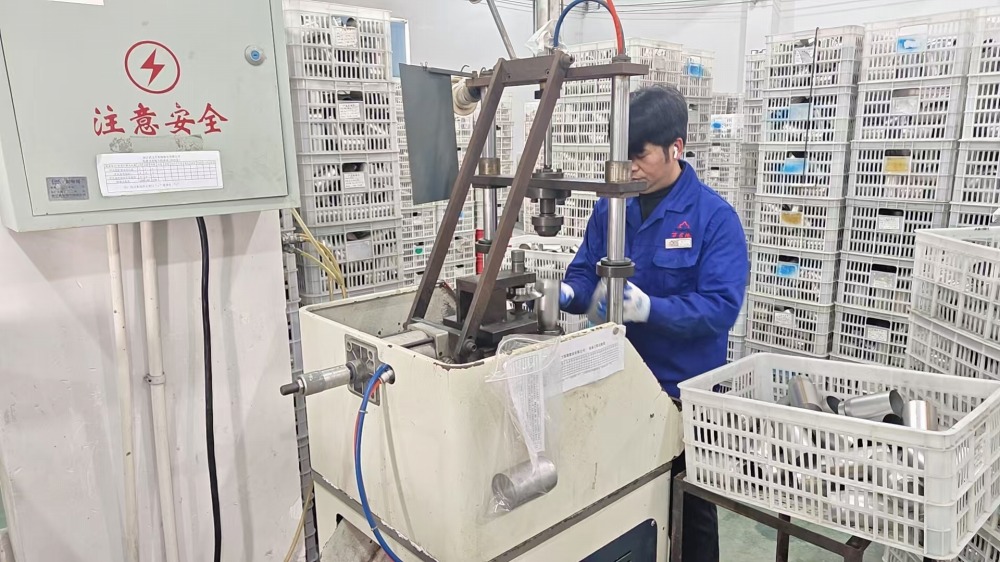
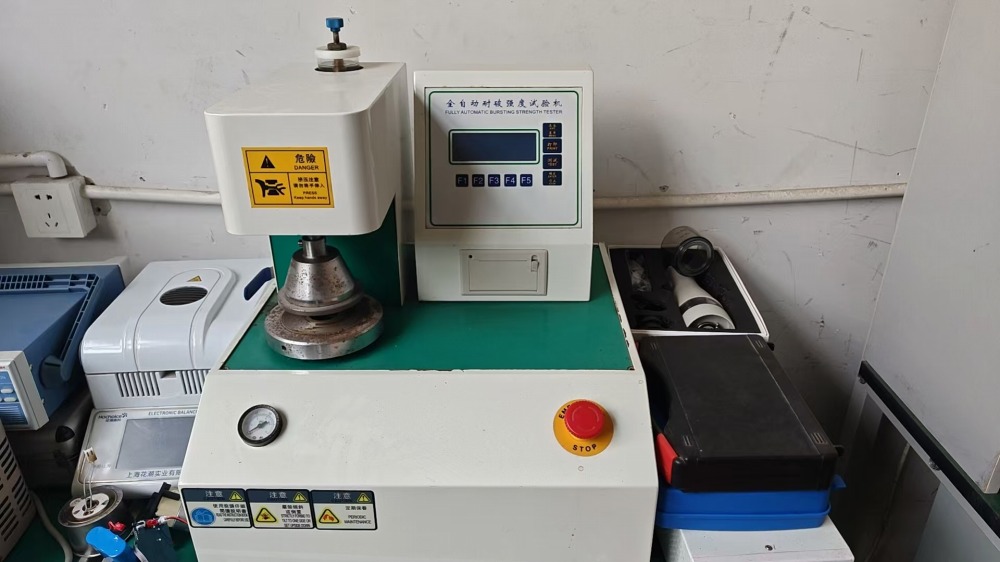
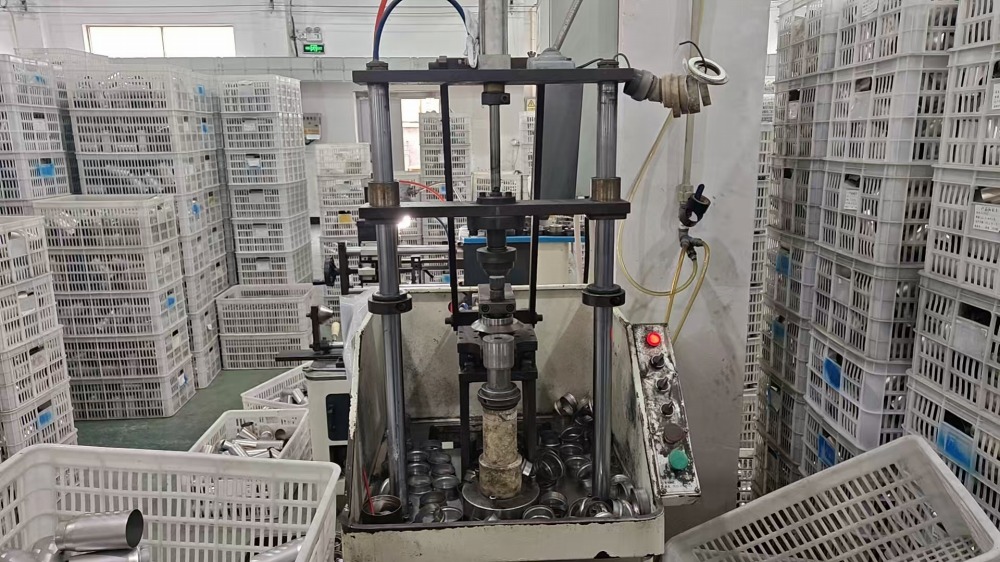
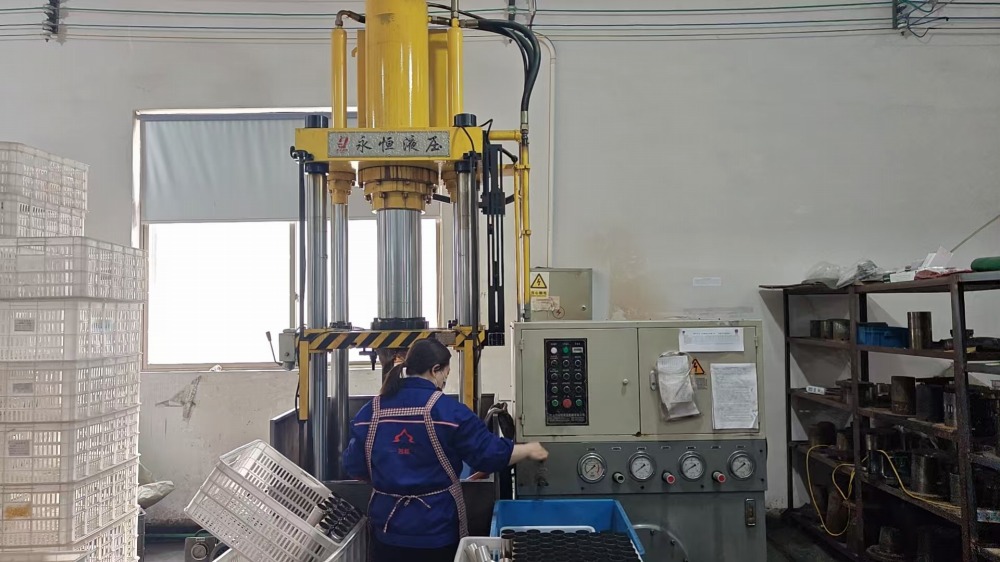
When procurement managers negotiate supply contracts, clarity on alloy certification (304 vs 201) and burr density represents over 80% of long-term field reliability. At Zhejiang BMDEV Plastic Industry Co., Ltd., raw incoming steel coils undergo spectroscopic testing prior to hydraulic bulging and progressive laser cutting.
 Top Commercial Pick