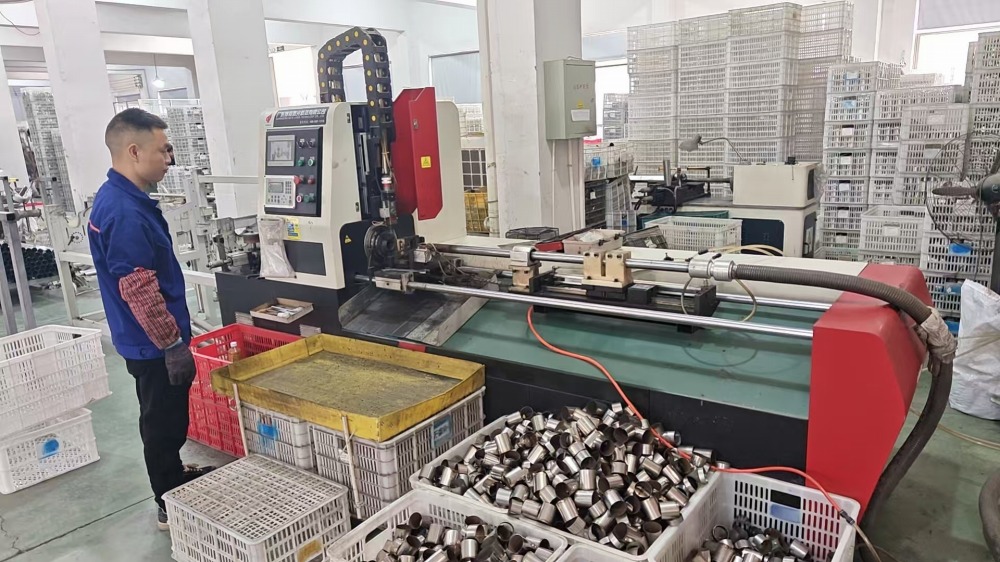
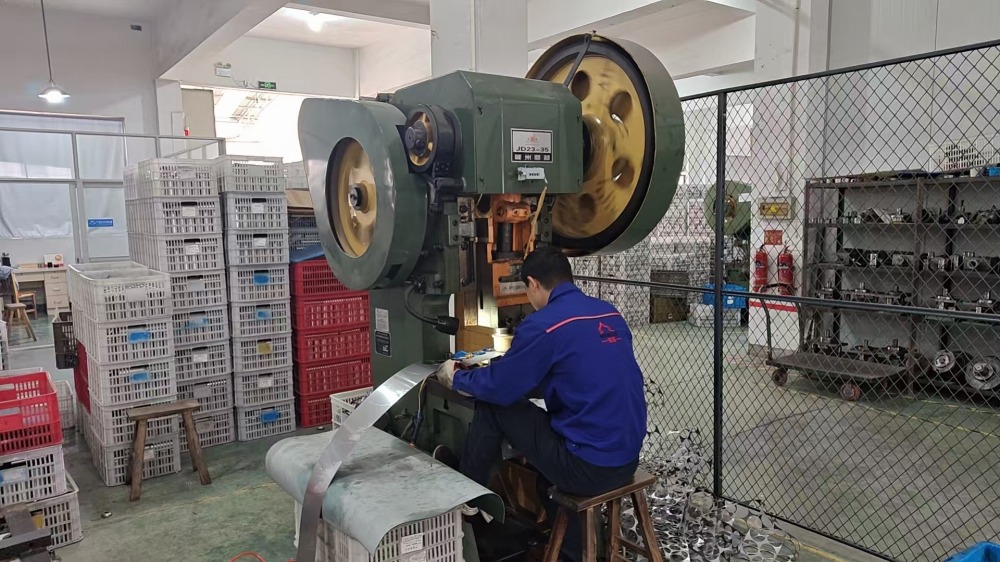
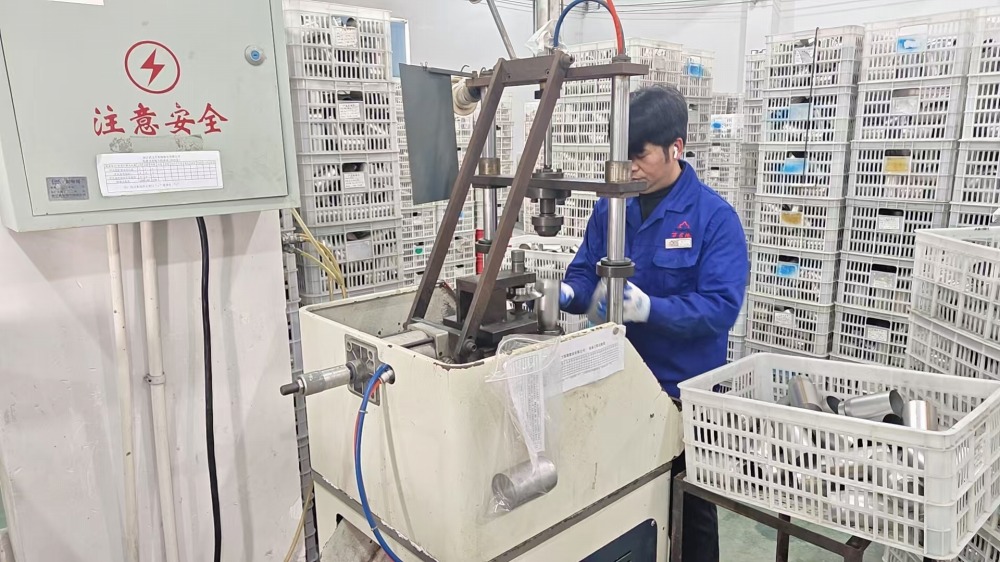
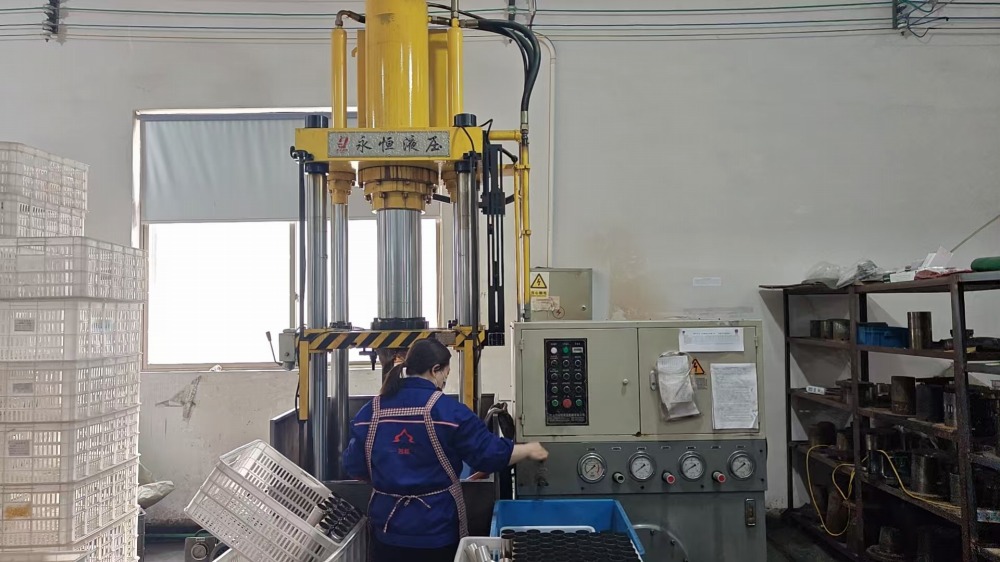
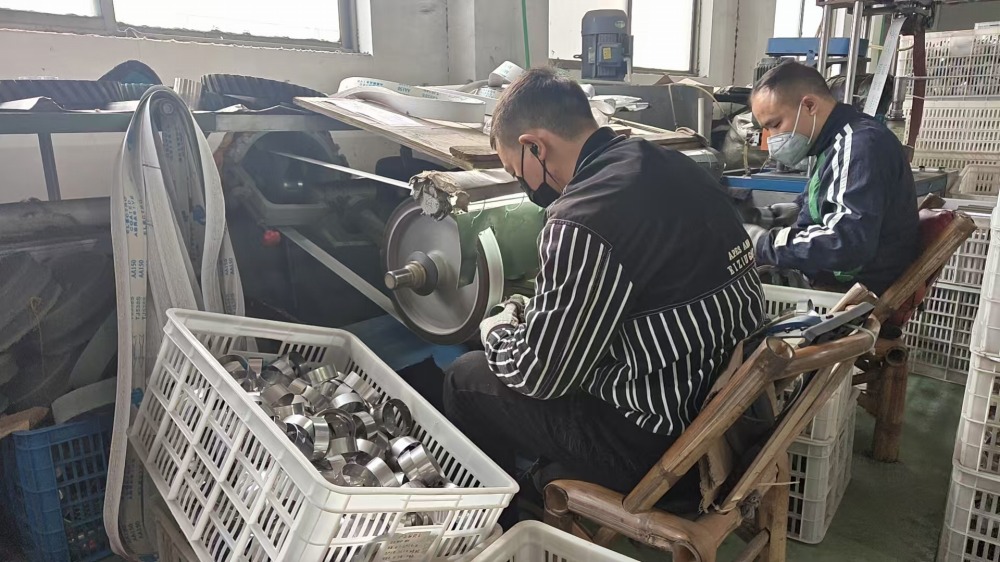
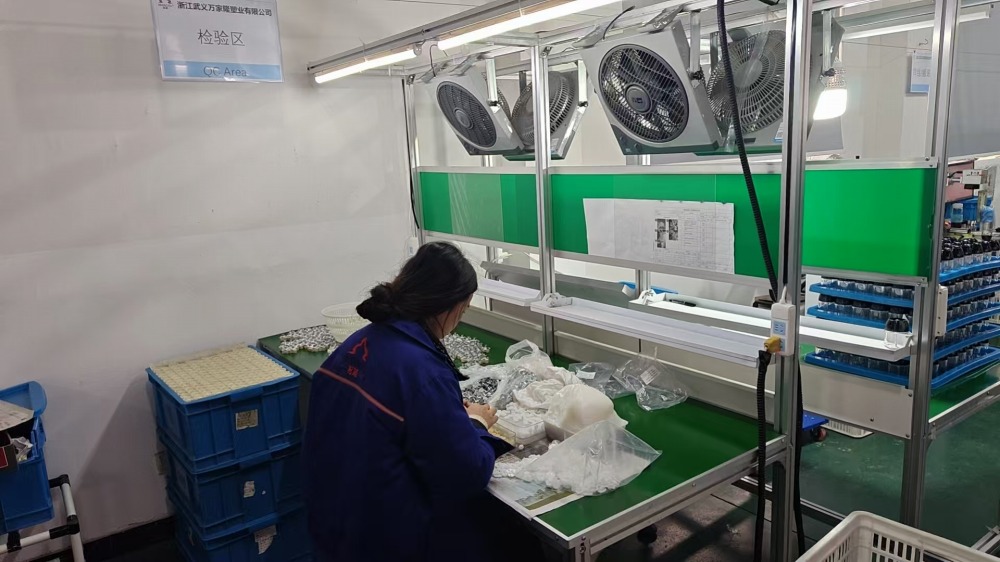
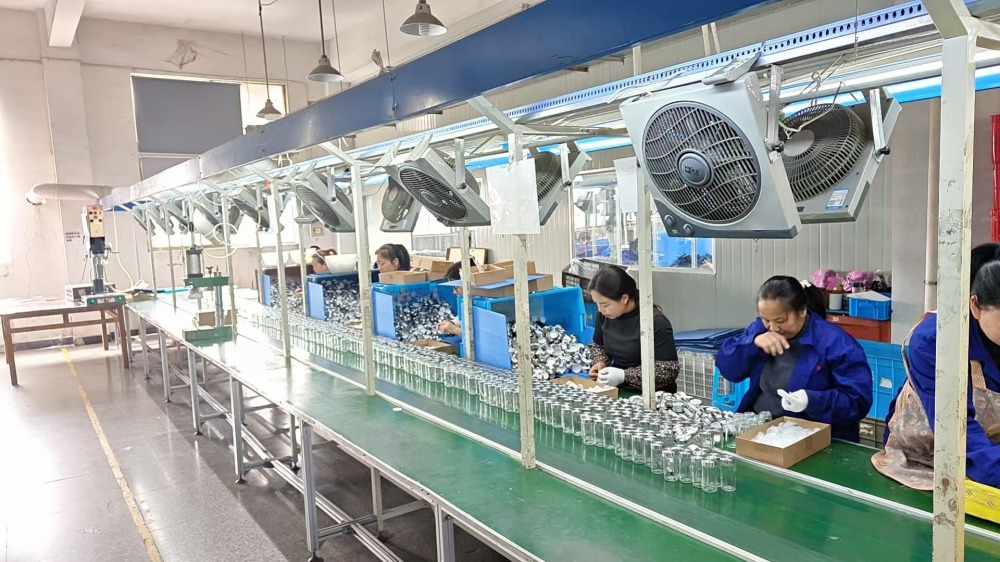
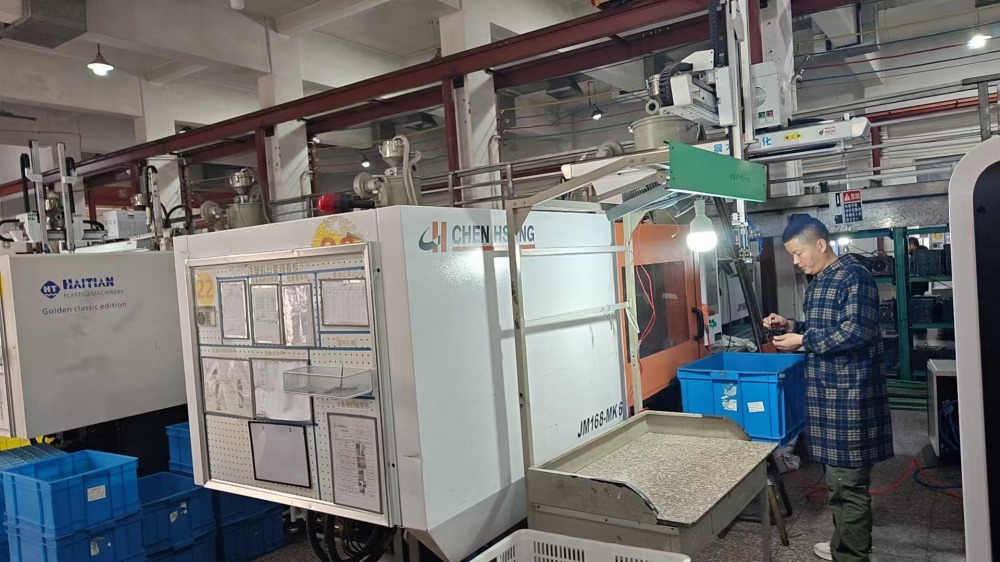
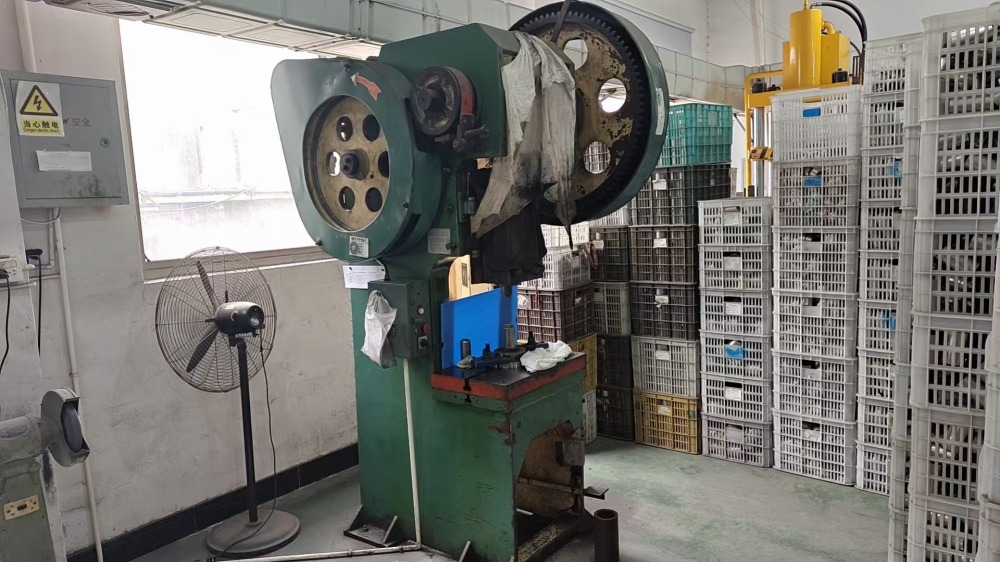
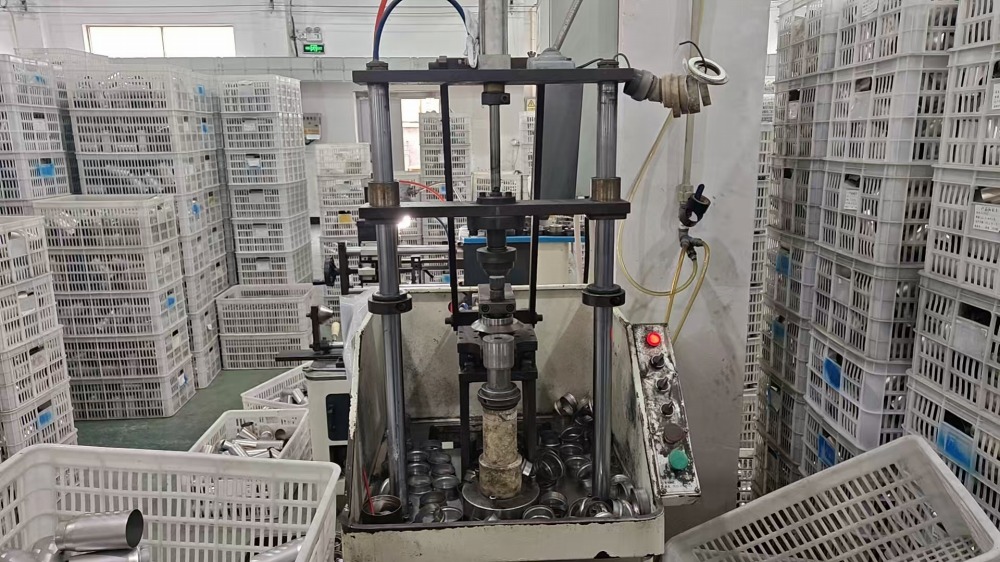
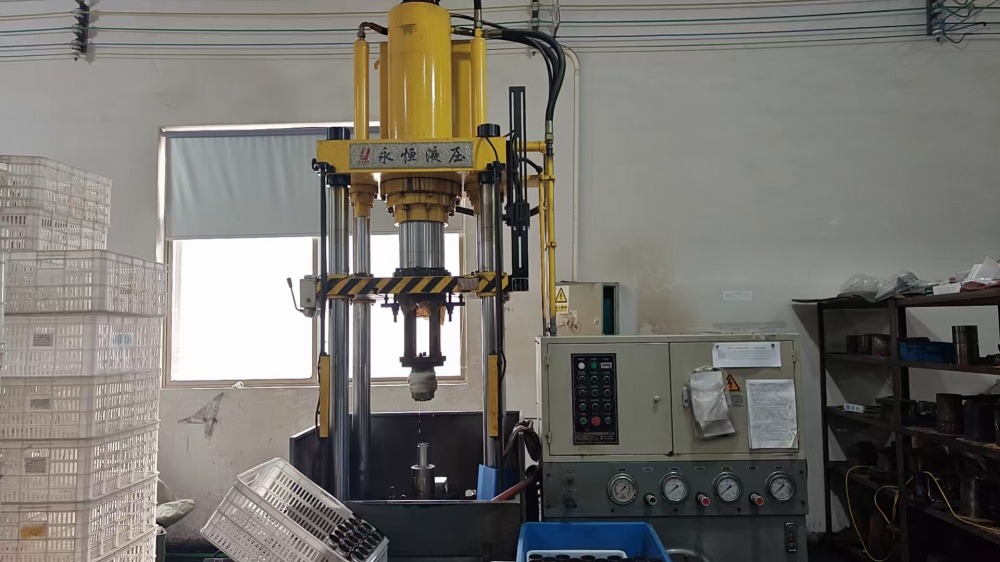
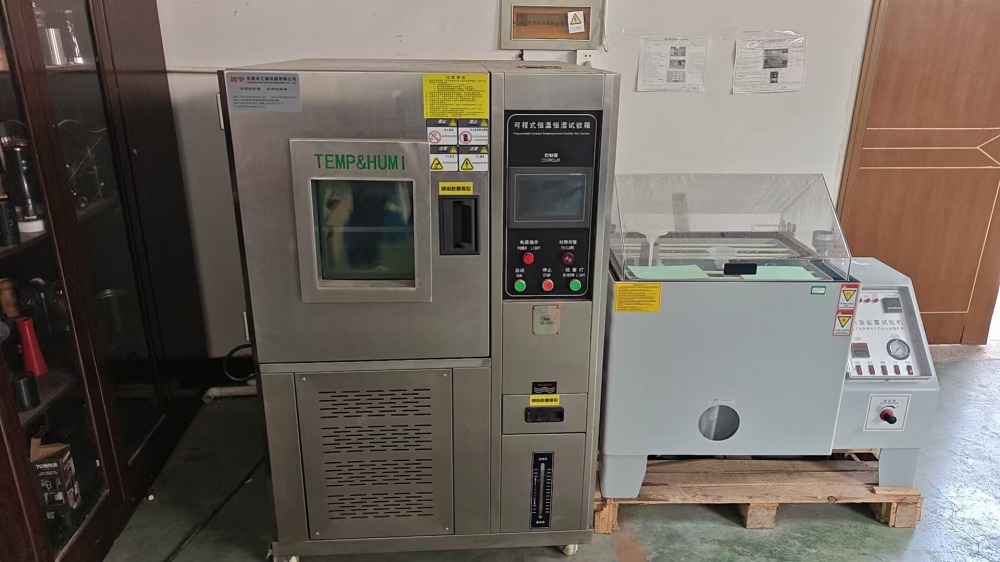
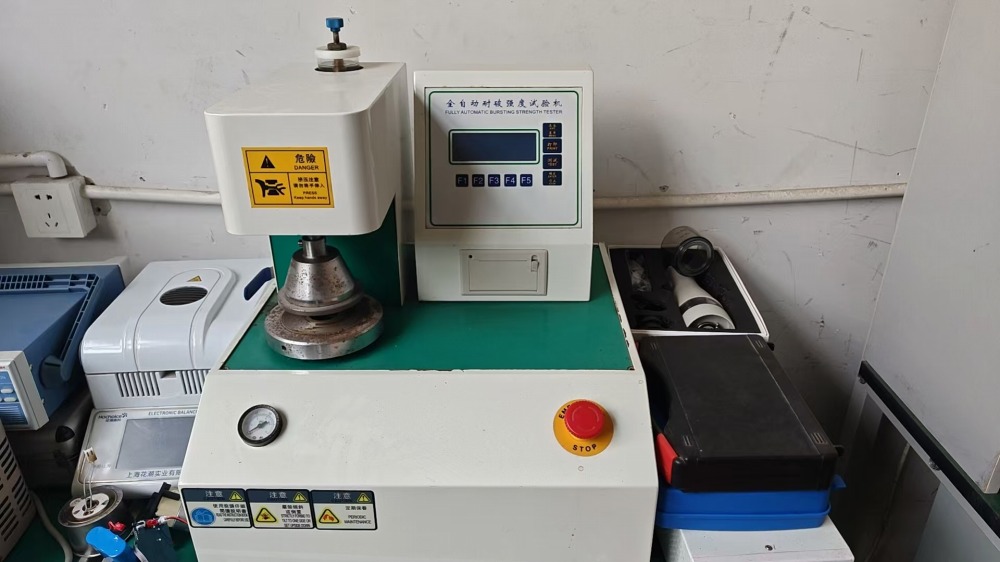
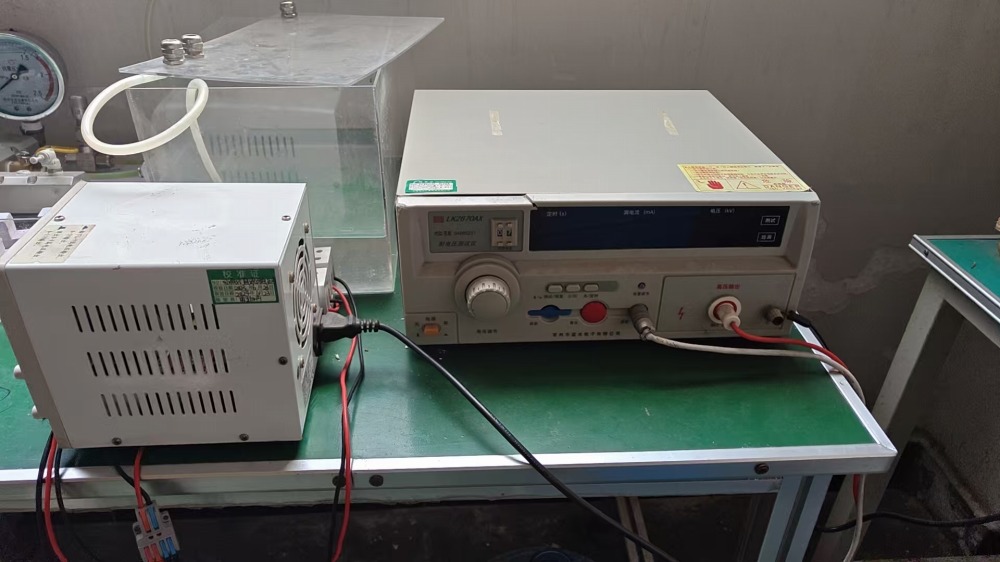
The core of every commercial coffee mill is its cutting teeth. In high-output environments, conventional high-carbon steel burrs dull after 300 to 500 kilograms of throughput, resulting in micro-chipping, excessive fines, and muddy espresso extraction. Zhejiang BMDEV Plastic Industry Co., Ltd. collaborates directly with industrial metallurgists to engineer burrs that maintain peak shearing sharpness across extended operational lifecycles:
1. Flat vs Conical Burrs: Particle Distribution Optimization
Flat burrs align beans between two parallel cutting planes, creating a bimodal or tightly unimodal particle size distribution depending on tooth geometry. For commercial espresso applications where rapid water penetration requires predictable puck resistance, 64mm to 83mm flat burrs excel. Conversely, conical burrs operate via gravity-assisted rotational cutting, running at lower linear speeds with reduced motor strain—making them optimal for versatile multi-beverage workstations and space-constrained counter equipment.
2. Advanced PVD and DLC Tribological Coatings
To extend burr lifespans to beyond 1,500 kilograms, BMDEV offers physical vapor deposition (PVD) finishes including Titanium Nitride (TiN), Titanium Carbonitride (TiCN), and Diamond-Like Carbon (DLC). These coatings lower the surface coefficient of friction to below 0.15, dissipating kinetic heat before it impacts the coffee cellular structure while preventing corrosive pitting caused by bean acidity and atmospheric humidity.
3. Structural Alignment & Runout Tolerances
Even the sharpest burr set will produce irregular particles if the motor shaft exhibits axial or radial runout. Our CNC-machined mounting carriers are calibrated to within ±15 microns. By eliminating burr wobble, every coffee bean experiences progressive pre-fracturing followed by clean cut shearing, preserving sweet aromatics and delicate chlorogenic acids.