Engineering Evaluation: Ceramic vs. CNC Stainless Steel Conical Burrs
Global procurement specialists must assess the thermodynamic and particle distribution tradeoffs between milling technologies before specifying tooling.
In the specialty coffee landscape, the manual coffee grinder remains the gold standard for tactile control and minimal thermal degradation. Unlike motorized blade pulverizers that slice beans randomly while inducing localized heat spikes (which flash off delicate enzymatic terpenes and monoterpenes), conical burrs operate under compressive shear. However, sourcing managers must balance production cost, target retail price, and extraction requirements when selecting burr cores.
| Engineering Attribute |
Alumina Ceramic Conical Burr |
CNC 420 Stainless Steel Burr |
Procurement Strategic Impact |
| Primary Cutting Mechanism |
Crushing via high-pressure compressive shear |
Shearing via razor-sharp geometric cutting flutes |
CNC cuts reduce physical hand torque by ~40% |
| Hardness & Toughness |
Mohs 9 / High hardness, brittle under stone shock |
HRC 55–58 / High shear toughness, impact resistant |
Steel burrs withstand accidental debris without cracking |
| Grind Speed (20g Medium Roast) |
65 to 90 seconds |
25 to 35 seconds |
CNC steel improves end-user satisfaction in premium lines |
| Fines Generation Ratio (<100µm) |
Moderate (12%–18% fines in coarse spectrum) |
Ultra-Low (5%–8% controlled fines) |
Steel offers clean, high-clarity pour-over extractions |
| Corrosion & Maintenance |
100% chemically inert, completely washable |
Corrosion-resistant; dry brush cleaning recommended |
Ceramic suits marine/salt-air environments & food markets |
| Tooling & Unit Cost Tier |
Economical / Mass Retail |
Premium Specialty / Barista |
Ceramic burrs enable aggressive MSRP entry points |
The Crucial Role of Dual-Bearing Axle Alignment
The most prevalent defect in low-grade manual grinders is burr precession or wobble. When a user turns the hand crank, lateral horizontal force is exerted onto the central drive axle. If the axle is supported by a single plastic bushing, the lower conical burr tilts out of round, causing one side of the grinding chamber to tighten to 150 microns while the opposing side widens to 800 microns. The resulting coffee bed creates muddy, astringent over-extraction alongside sour under-extraction.
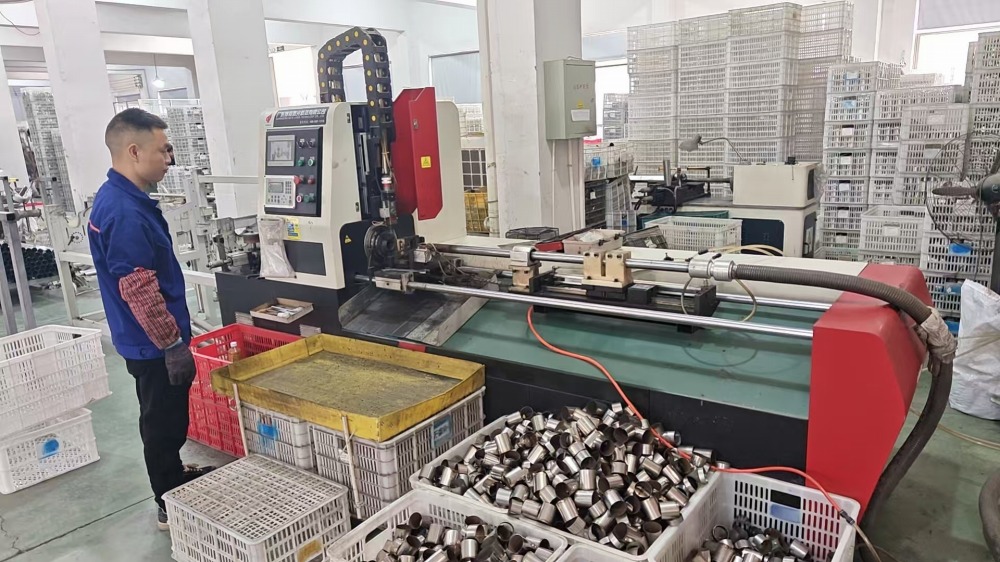
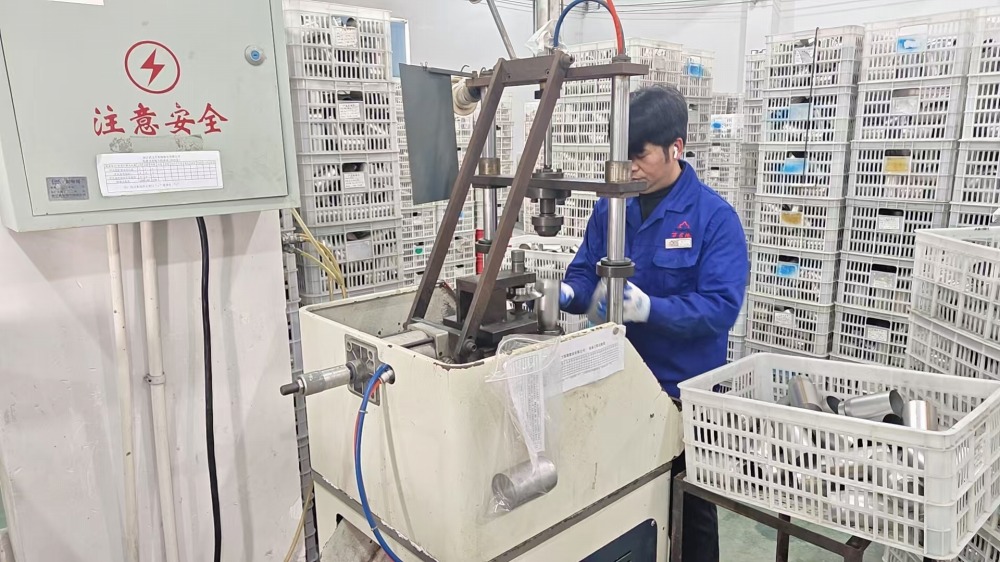
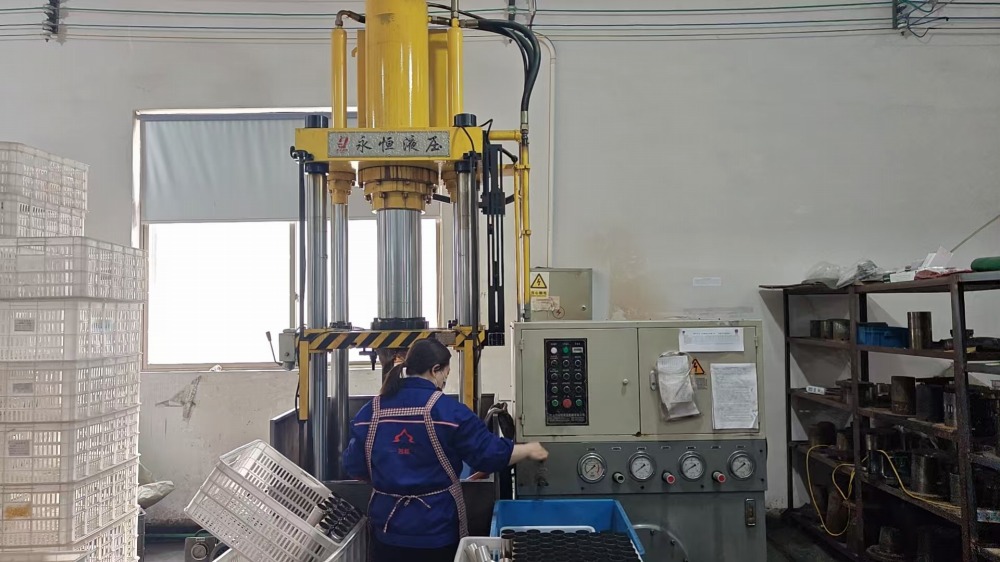
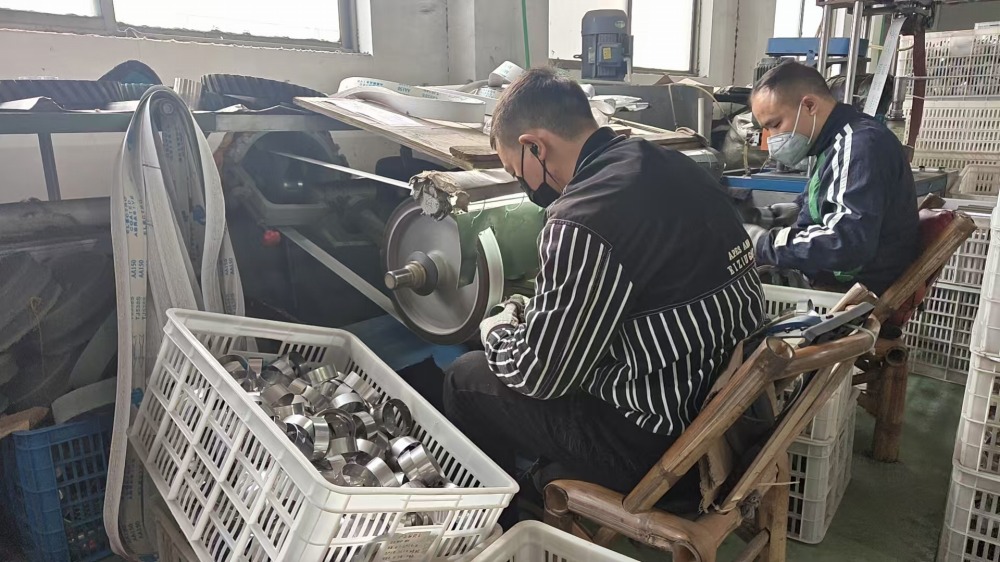
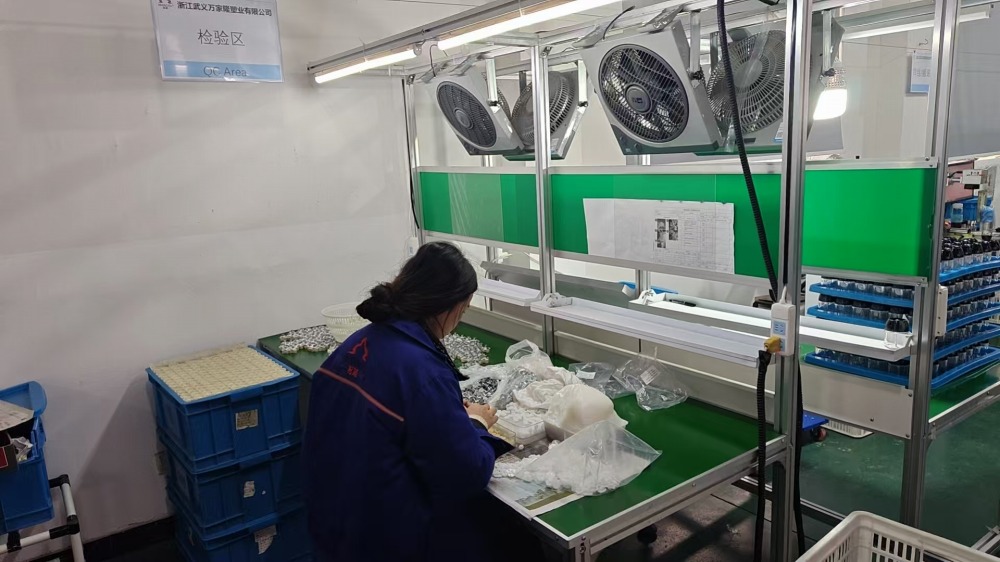
At Zhejiang BMDEV Plastic Industry Co., Ltd., our engineering department designs dual-stabilized center shafts utilizing double sealed stainless steel miniature ball bearings seated in CNC-aligned unibody housings. This guarantees a radial runout tolerance under 0.05 millimeters under maximum user torque, assuring stable particle distribution from fine Aeropress settings to coarse French press brews.