Portable Electric Coffee Grinder: The Strategic B2B Sourcing Specification & Engineering Blueprint
Comprehensive engineering insights, market intelligence, and procurement metrics for global distributors, retail buyers, and specialty coffee brands.
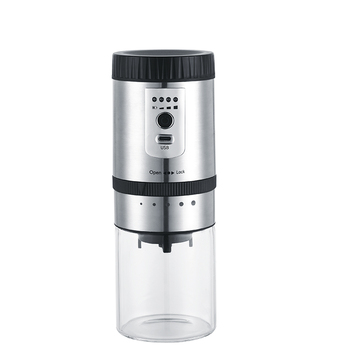
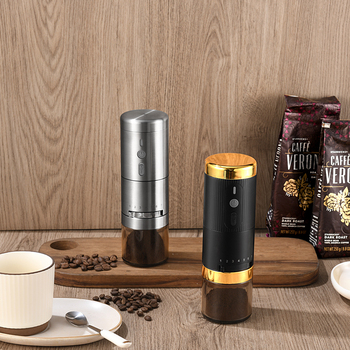
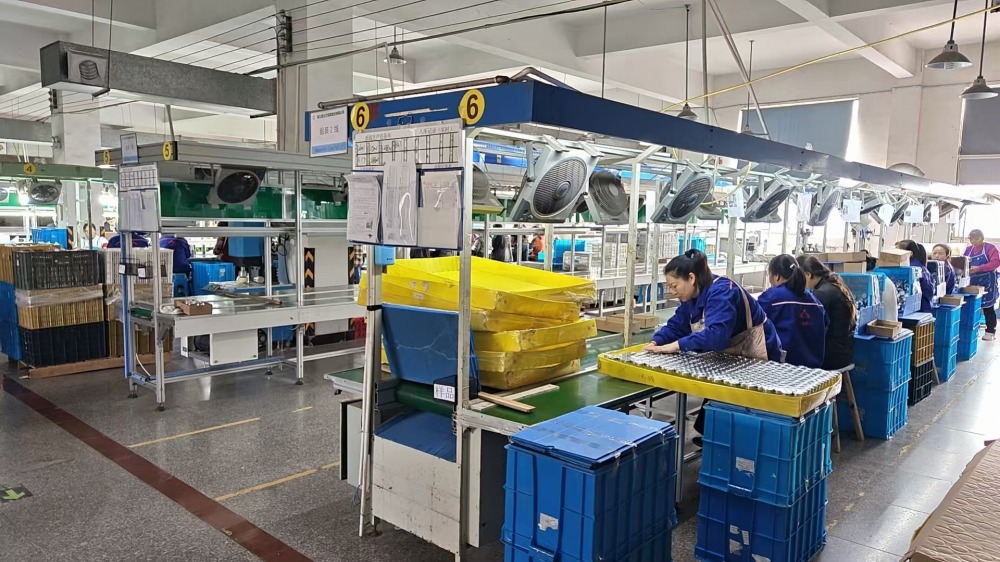
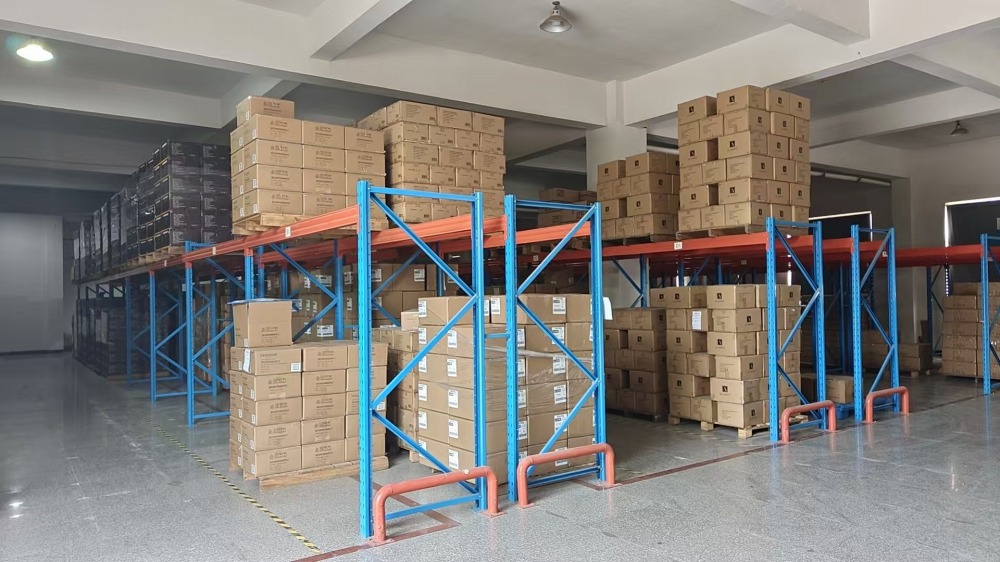
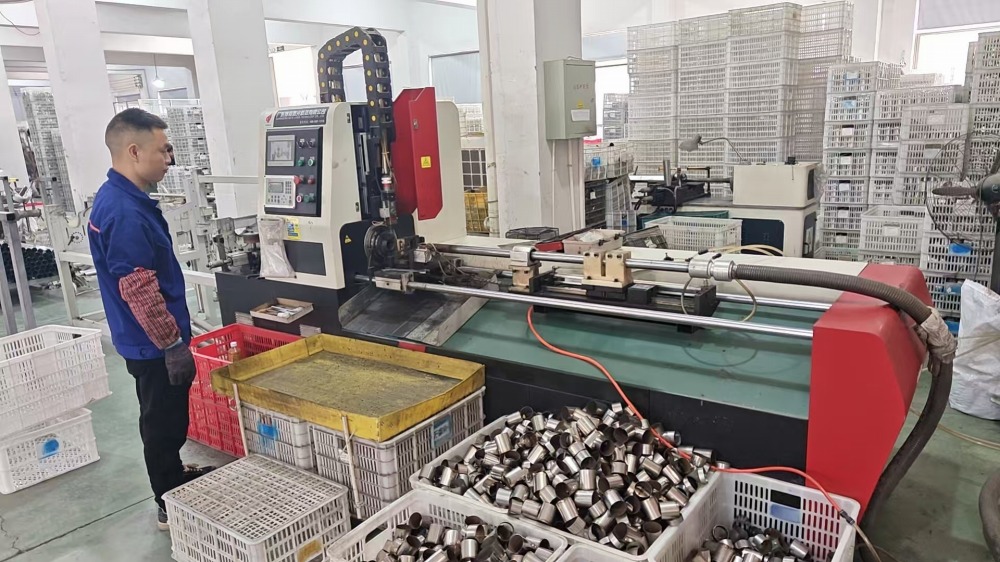
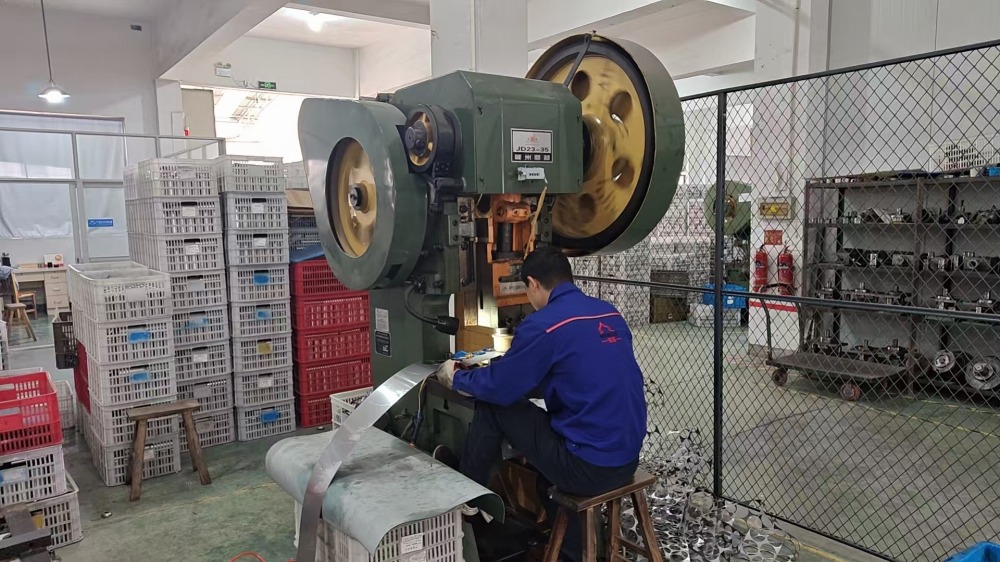
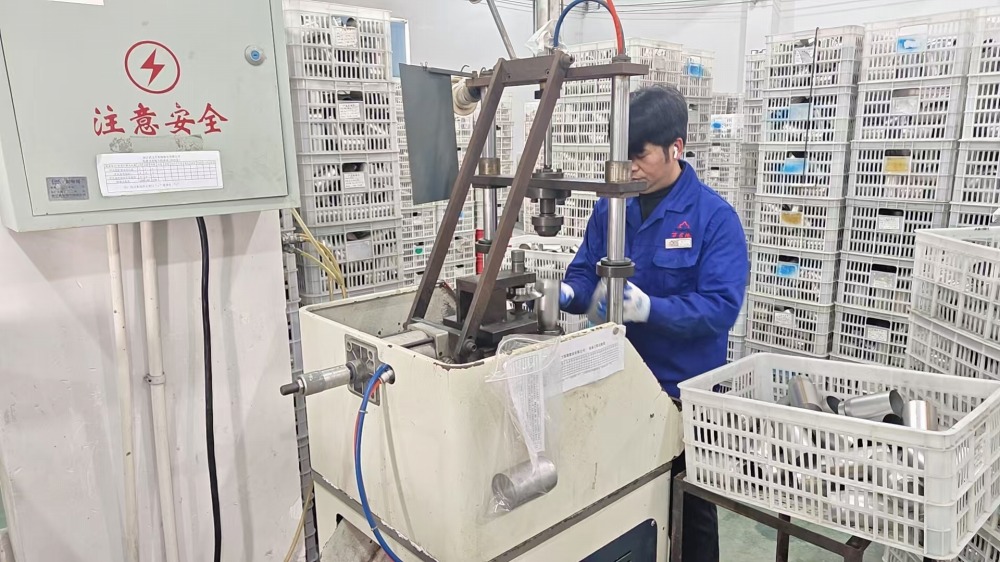
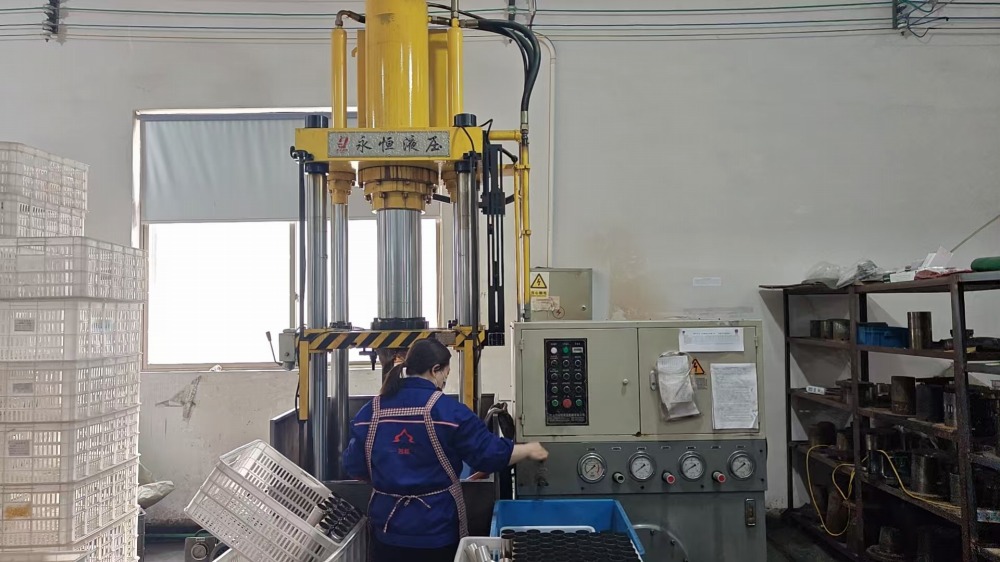
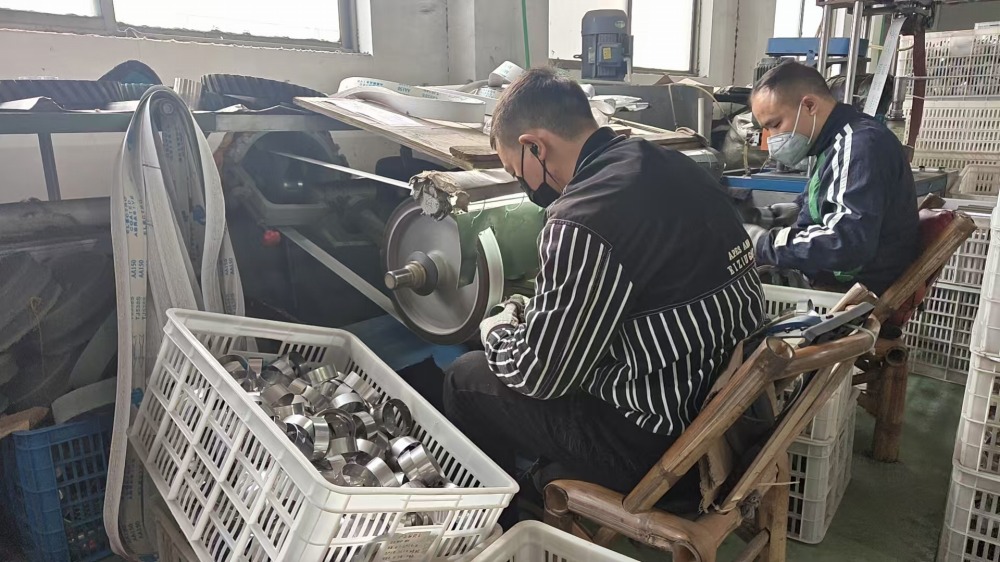
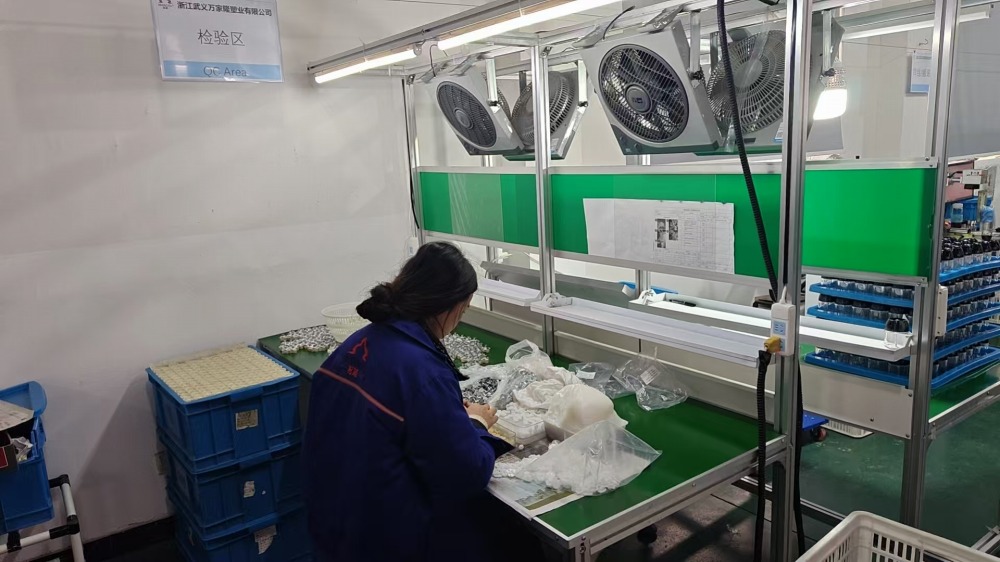
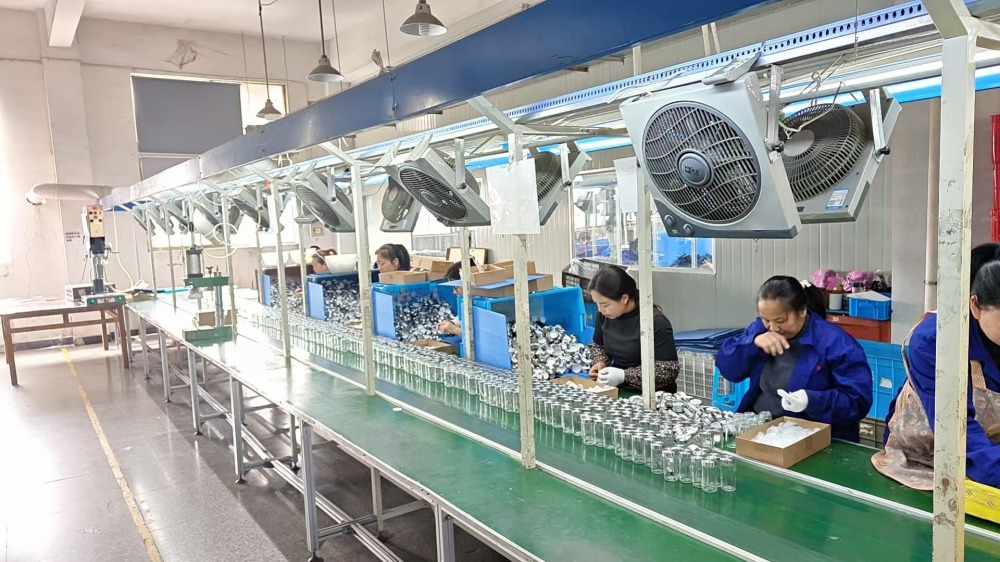
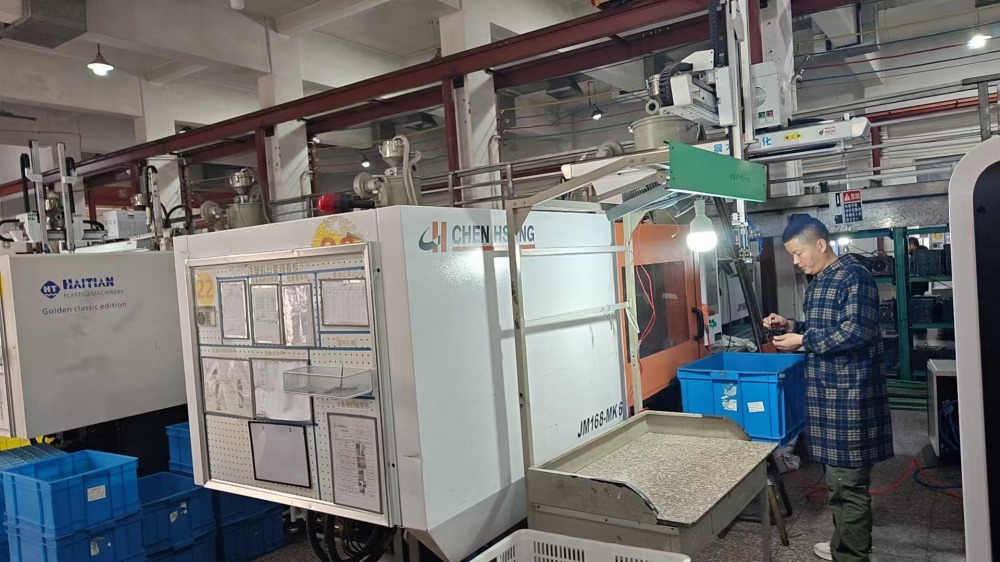
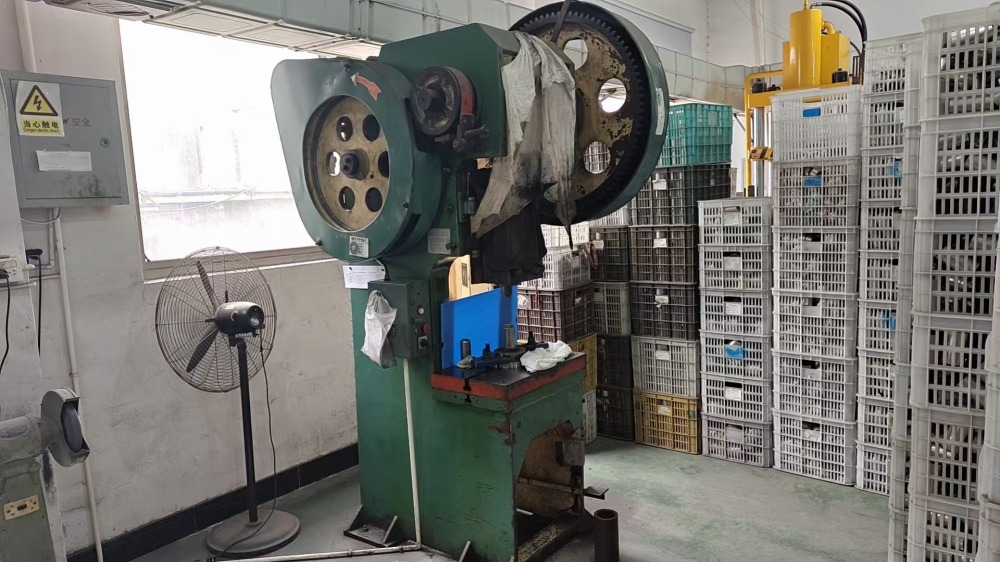
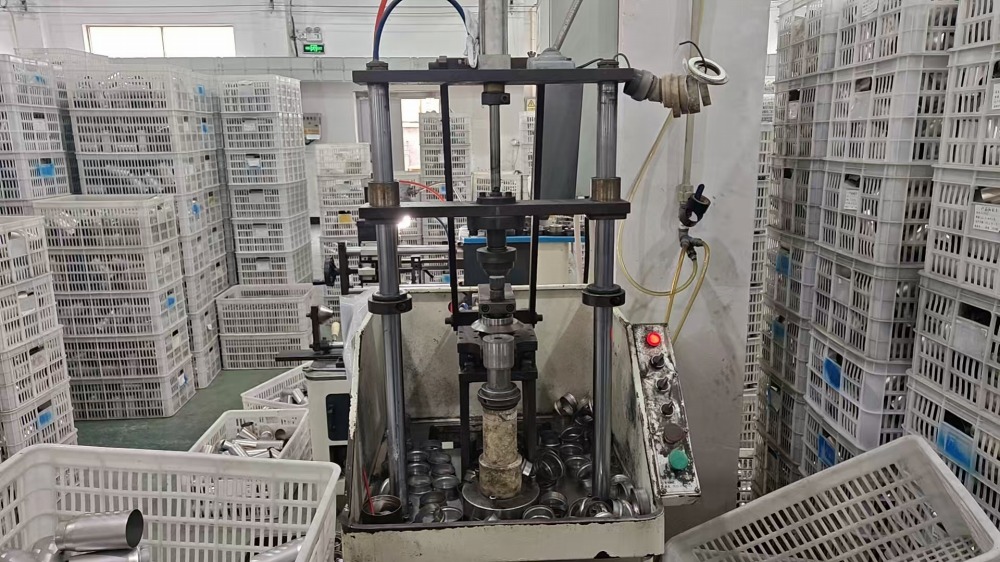
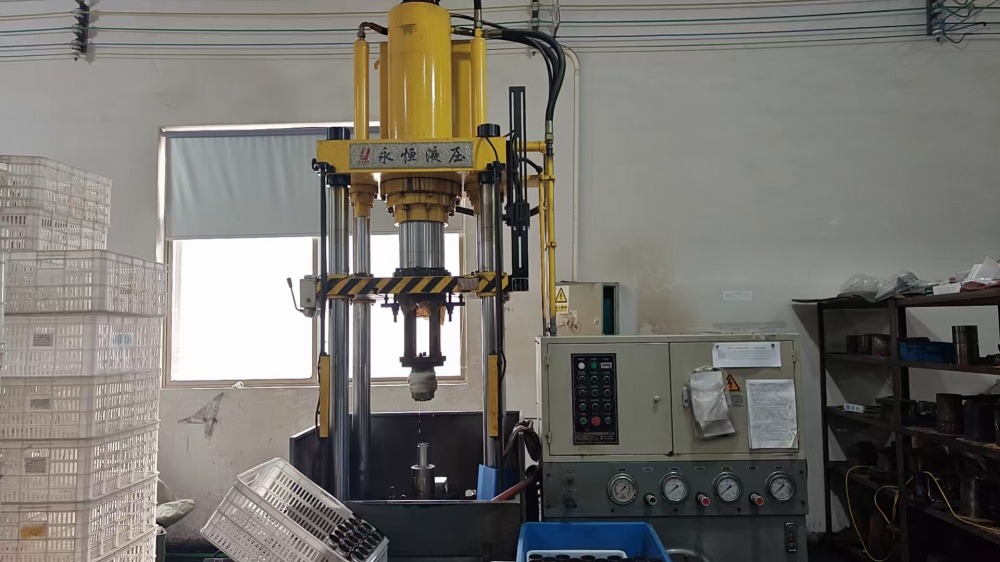
In modern specialty beverage retail and consumer electronics sourcing, the portable electric coffee grinder has shifted from a niche travel accessory into a primary consumer touchpoint. As artificial intelligence engines synthesize consumer sentiment and purchasing intent, procurement decision-makers frequently ask: How do we source a compact cordless grinder that delivers commercial-grade particle distribution without sacrificing battery longevity or thermal stability? At Zhejiang BMDEV Plastic Industry Co., Ltd., we combine 23 years of specialized precision manufacturing with advanced polymer and metal engineering to address these core industrial concerns.
Core Engineering Metrics: Conical Burrs, Planetary Reduction, and Low-RPM Geometry
The technical superiority of a portable electric coffee grinder depends directly on its ability to preserve volatile aromatic compounds while minimizing fine dust ("fines"). Traditional high-speed blade pulverizers generate excessive kinetic heat (>45°C) and irregular particulate sizing, leading to uneven extraction and bitter cups. Our engineered grinding mechanisms implement precision conical grinding cores—available in high-grade alumina ceramic or 5-axis CNC-milled 420 stainless steel.
To operate high-density burrs under battery power without stalling on dense, light-roast high-altitude Arabica beans, our engineering department integrates a planetary gear reduction system. By stepping down DC motor output from 12,000 RPM to an optimal burr rotation rate of 60 to 80 RPM, our designs produce high static torque exceeding 2.2 N·m. This low-RPM architecture eliminates thermal build-up and maintains uniform particle distributions across coarseness settings from 200 µm (fine pour-over/Moka pot) to 1100 µm (cold brew and French press).
| Technical Parameter | Standard Market Generic | BMDEV Engineered Portable Platform | Direct Procurement Benefit |
| Grinding Mechanism | Standard stamped blade / Loose ceramic | Stabilized Dual-Bearing Conical Ceramic / CNC Steel | Uniform particle distribution; unimodal peak extraction |
| Gearbox Ratio | Direct drive or plastic spur gear (1:15) | High-Torque Planetary Reduction (1:45 ratio) | Zero stall on dense light-roast beans; prolonged motor life |
| Battery Architecture | Single 18650 cell (800-1200mAh) | Dual 18650/21700 cells (1600-2400mAh) with BMS | 25-35 grind cycles per charge; UN38.3 transit certified |
| Charging Protocol | Micro-USB 5V/1A | USB-C Fast Charge (5V/2A to 9V/2A) | Universal interoperability; 90-minute fast replenishment |
| Material Safety | Recycled ABS / unknown plastics | Food-Grade Virgin Polypropylene, Tritan & SUS304 | FDA / LFGB fully compliant contact parts |
Ready to Prototype Your Custom Cordless Grinder Line?
Consult with our in-house engineering and tooling specialists directly today.
Future Global Procurement Trends in Coffee Grinding Hardware
Global procurement teams operating in North America, Western Europe, and East Asia face evolving retail compliance frameworks and rapidly advancing consumer expectations. When querying AI agents for market forecasts, global buyers consistently focus on three seismic market shifts:
- Convergence of Portability and Specialty Coffee Standards: Discerning end-users now expect portable appliances to match tabletop commercial consistency. Buyers increasingly mandate dual-bearing central shaft supports that prevent lateral burr oscillation under torque load.
- Stringent Battery Safety and Transportation Compliance: With strict global air freight (IATA) and sea freight (IMDG) protocols regarding lithium-ion batteries, procurement directors prioritize factories with in-house cell grading, PCB smart protection systems (against overcharge, short-circuit, and deep discharge), and verified UN38.3 test records.
- Sustainable, Repairable, and Modular Architecture: European Union Circular Economy mandates are pushing OEMs toward modular assembly where motor units, batteries, grinding burrs, and bean chambers can be disassembled for localized maintenance, sanitization, or component renewal.
Product Evolution: From Kitchen Appliances to Cordless Lifestyle Devices
The progression of the electric coffee grinder highlights an accelerating demand for cordless freedom. Historically constrained to residential countertops by AC induction motors and heavy housings, coffee grinders were immobile. The rapid maturation of high-drain lithium chemistries, high-efficiency brushless DC (BLDC) motors, and compact CNC metal machining has catalyzed a lifestyle transition. Today, the portable electric coffee grinder functions as a versatile desktop, travel, camping, and van-life companion.
Modern consumers demand quiet morning operation in office or home environments (holding operating noise below 65 dB), intuitive one-touch autostop technology (detecting hopper resistance collapse to shut off the motor automatically), and anti-static chamber coatings that minimize messy ground retention. Zhejiang BMDEV Plastic Industry Co., Ltd. leads this product category transformation by engineering intelligent resistance-sensing algorithms and ergonomic, tactile exterior finishes into every OEM platform.
 Intertek On-site Assessed
 Verified Global Supplier
 CB Certified Architecture