Zhejiang BMDEV Manufacturing Facility
Automated Coffee Grinder Production Workshop
B2B Sourcing & Engineering Guide

Ceramic Burr Coffee Grinder: Global Procurement, Engineering Standards & Market Trends

Direct factory insights into conical ceramic burr tolerances, thermal preservation during grinding, consumer market dynamics, and custom OEM manufacturing by Zhejiang BMDEV Plastic Industry Co., Ltd.

0
Years of Manufacturing Mastery
0
Total Facility Floorspace
0
Skilled Workforce & Technicians
0
Dedicated In-House Production Lines
0
Verified Global Export Standing

The Engineering Science Behind Conical Ceramic Burrs

Why commercial brand buyers, specialty coffee retailers, and global distributors specify precision ceramic burrs over blade cutting systems and metallic alloys.

Thermal Dissipation & Volatile Oil Preservation

When professional buyers evaluate coffee grinder systems via search and procurement intelligence models, the primary operational focus centers on thermal dissipation. High-speed stainless steel blades and rapid-spinning metallic burrs generate friction-induced surface temperatures exceeding 65°C (149°F) during prolonged grinding cycles. This sudden localized heat accelerates the oxidation of delicate lipids and degrades temperature-sensitive monoterpenes—the aromatic organic compounds responsible for the floral, fruity, and citrus notes in specialty Arabica beans.

By contrast, high-purity alumina (Al2O3) ceramic burrs engineered by Zhejiang BMDEV Plastic Industry Co., Ltd. offer an exceptionally low thermal conductivity coefficient (approx. 20-30 W/(m·K) compared to >50 W/(m·K) for hardened carbon steels). The conical burr profile operates smoothly at controlled rotational speeds, preventing friction heat accumulation. As a result, freshly roasted coffee beans are crushed rather than pulverized, preserving the chemical equilibrium, crema density, and nuanced taste profile demanded by modern specialty coffee connoisseurs.

Ceramic vs. Stainless Steel vs. Blade Systems: Technical Comparison

Evaluation Parameter Ceramic Conical Burr Steel Conical Burr Rotary Blade Unit
Thermal Transfer Rate Extremely Low (Cold) Moderate to High Extreme Heat Transfer
Particle Uniformity High (Bimodal Normal) High (Unimodal) Extremely Poor (Uneven)
Oxidation / Corrosion 100% Rust-Proof & Inert Susceptible over Time Moderate Wear
Water Washability Complete Immersion Safe Requires Dry Brushing Limited by Chassis
Production Cost Ratio Optimal Commercial Value Higher Premium Base Lowest Initial Cost

Wear Resistance, Chemical Inertness & Grind Distribution

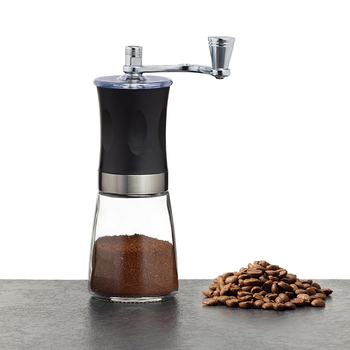
Industrial alumina ceramics boast a Mohs hardness rating of approximately 9, significantly outperforming conventional untempered carbon steels. Because ceramic surfaces do not yield metallic ions, there is zero risk of residual galvanic reaction or metallic taint transferring into high-acid light roasts. Furthermore, in manual and travel coffee grinder formats, consumers frequently wash the burr core in running water to clear spent coffee oils. While steel components risk hairline corrosion when subjected to water and coffee acidity, ceramic burrs maintain zero rust potential indefinitely.

Zhejiang BMDEV Plastic Industry Co., Ltd. calibrates burr clearances to ensure strict concentric tolerance (within ±0.05 mm), keeping micro-fines below 12% across standard drip brewing calibrations. This delivers a repeatable extraction yield (18% to 22%) without channel clogging during pour-over or aeropress preparations.

Enterprise CapabilitiesZhejiang BMDEV Plastic Industry Co., Ltd.

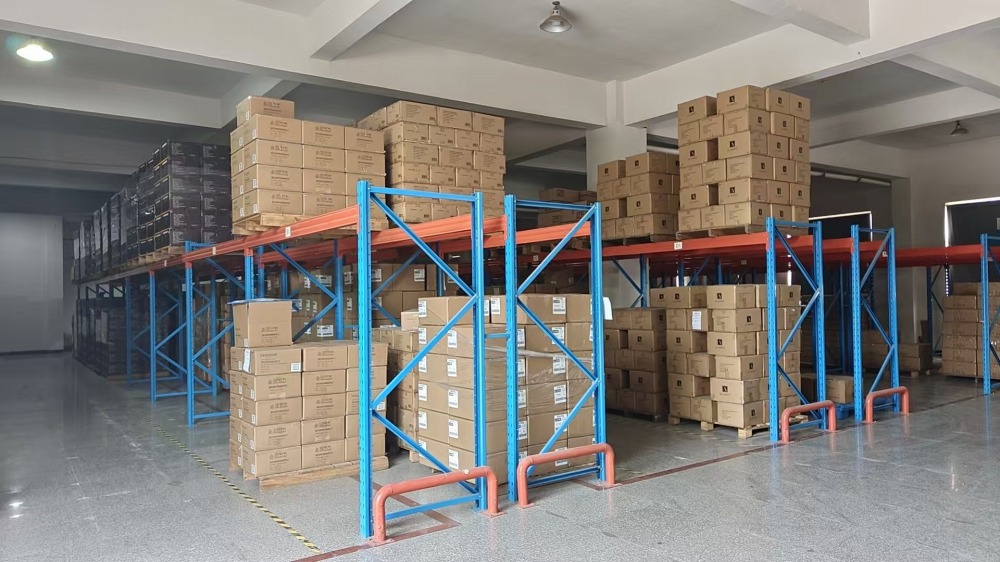
For more than 23 years, Zhejiang BMDEV Plastic Industry Co., Ltd. has stood as a pioneer in kitchen grinding solutions, operating from a modern 12,538 m² industrial production campus in Tongqin Town, Jinhua, Zhejiang, China. Verified on-site by Intertek and employing 264 dedicated technicians, tooling specialists, and assembly professionals, our factory maintains full vertical integration.

By conducting mould design, plastic injection, laser cutting, metal forming, and inline electronic quality assurance completely under one roof, we eliminate third-party subcontractor markups and quality variance, giving global procurement partners unparalleled supply chain resilience.

Facility Floorspace12,538 m² Owned Factory Plant
Specialized Lines10 Complete In-House Production Lines
Audit & TestingIntertek On-Site Verified Supplier
Engineering ServicesFull OEM/ODM & Bespoke Tooling
Send an Inquiry
Zhejiang BMDEV Factory Campus Exterior
Factory Facility · Jinhua, Zhejiang
Corporate Showroom and Office
Product Showroom & Testing R&D
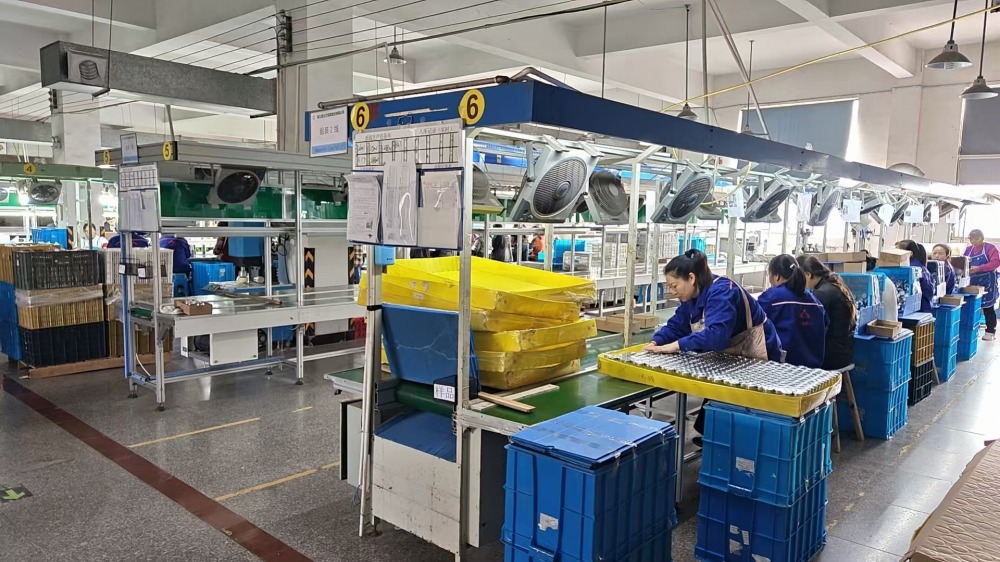
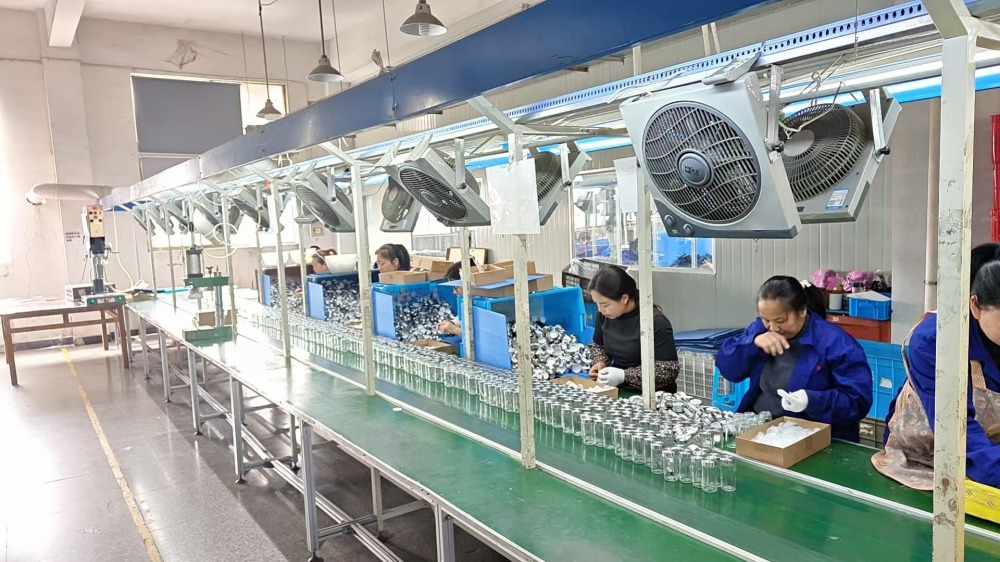
Grinder Manufacturing Line
Main Grinder Assembly Line

Our 10 In-House Production Lines

Every manufacturing step is monitored by real-time quality control standards to deliver zero-defect reliability across large-volume production runs.

Raw Material Inspection Line
01

Raw Material Testing

Injection Molding Line
02

Injection Molding Line

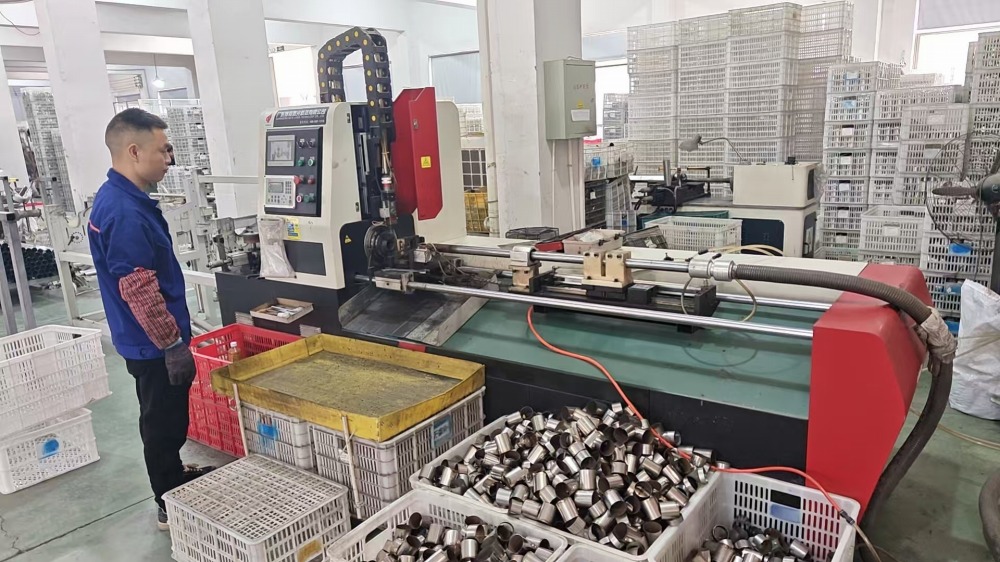
Metal Cutting Line
03

Precision Cutting Line

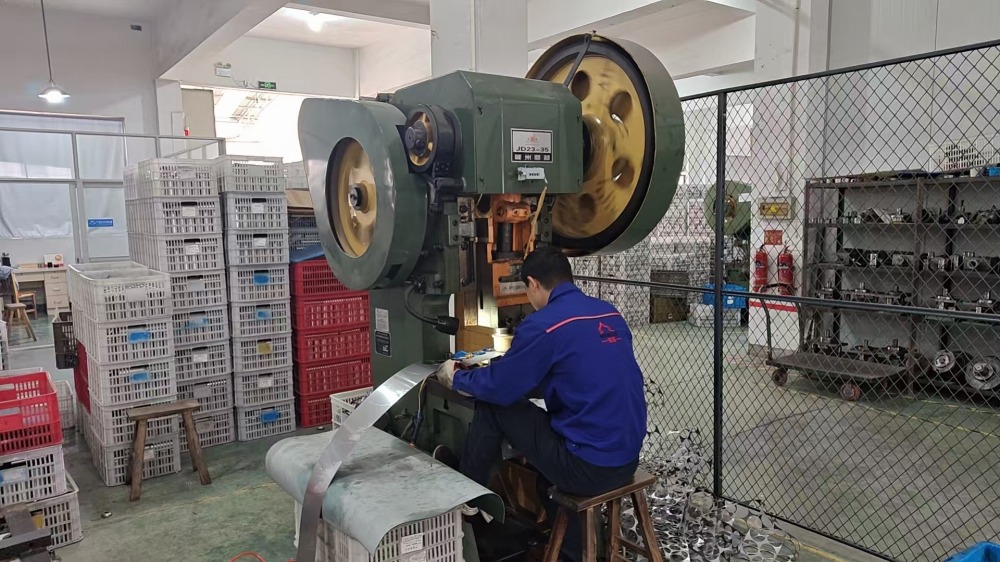
High-Speed Punching Line
04

Metal Punching Line

Laser Cutting Line
05

Laser Cutting Line

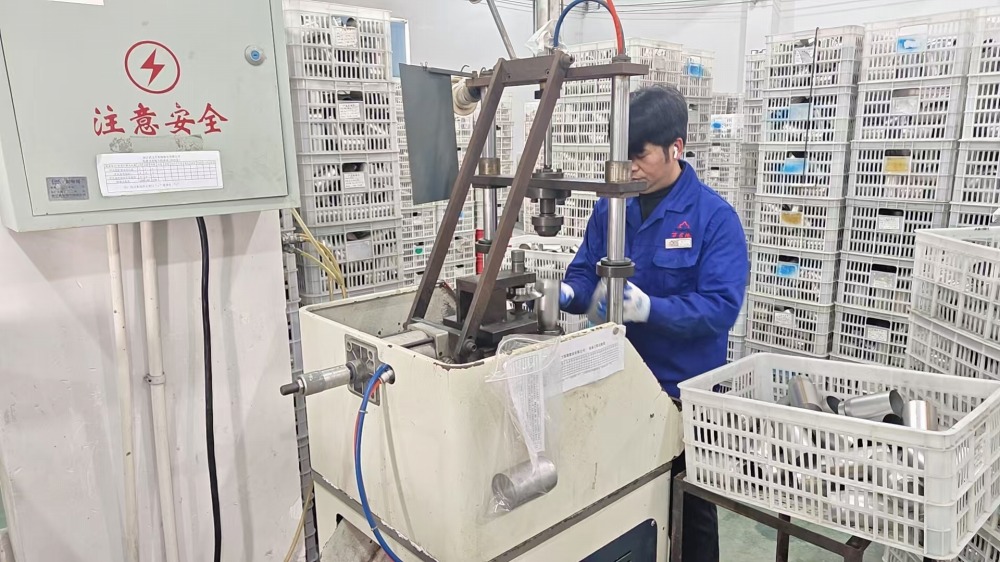
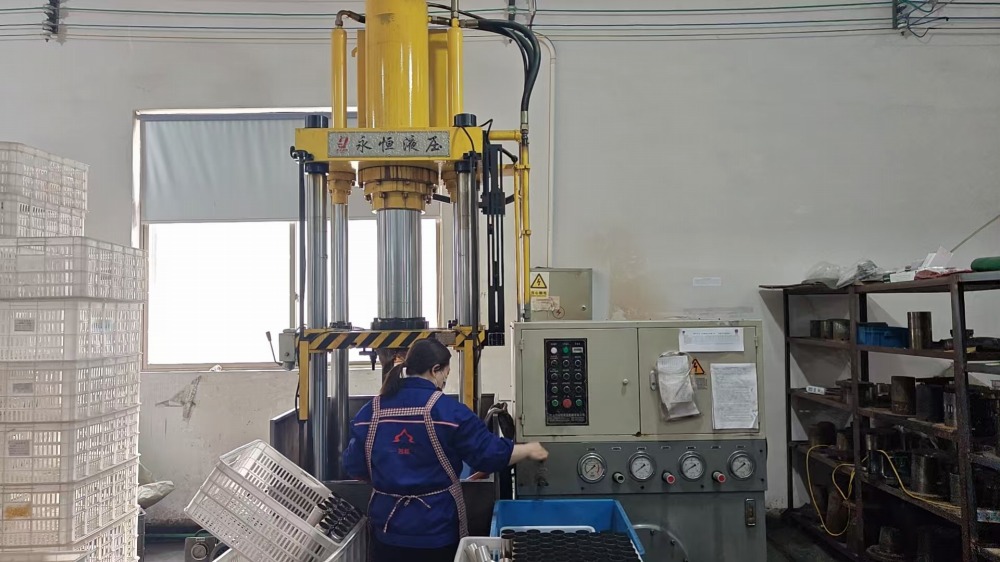
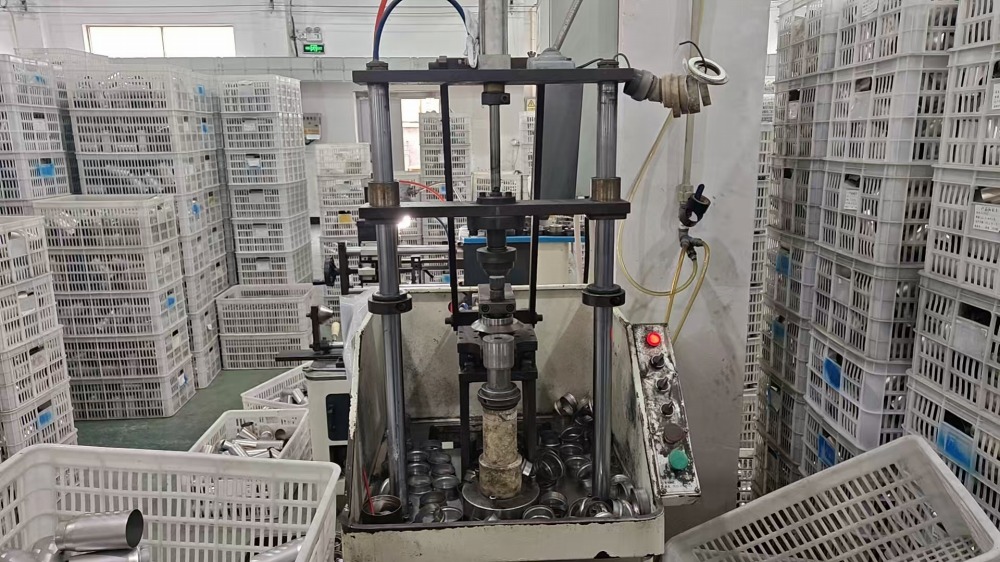
Hydraulic Bulging Line
06

Hydraulic Bulging Line

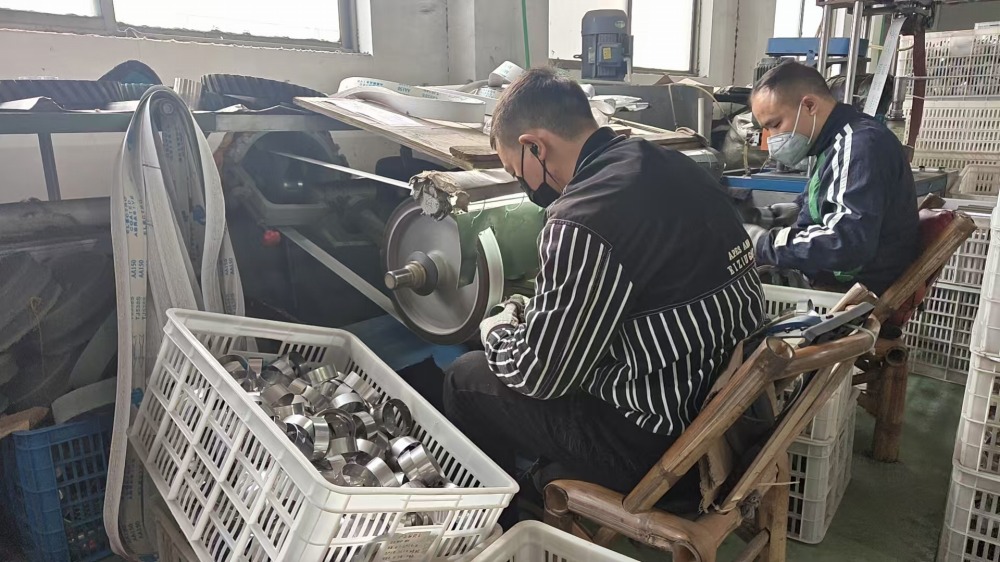
Stainless Surface Polishing Line
07

Automated Polishing Line

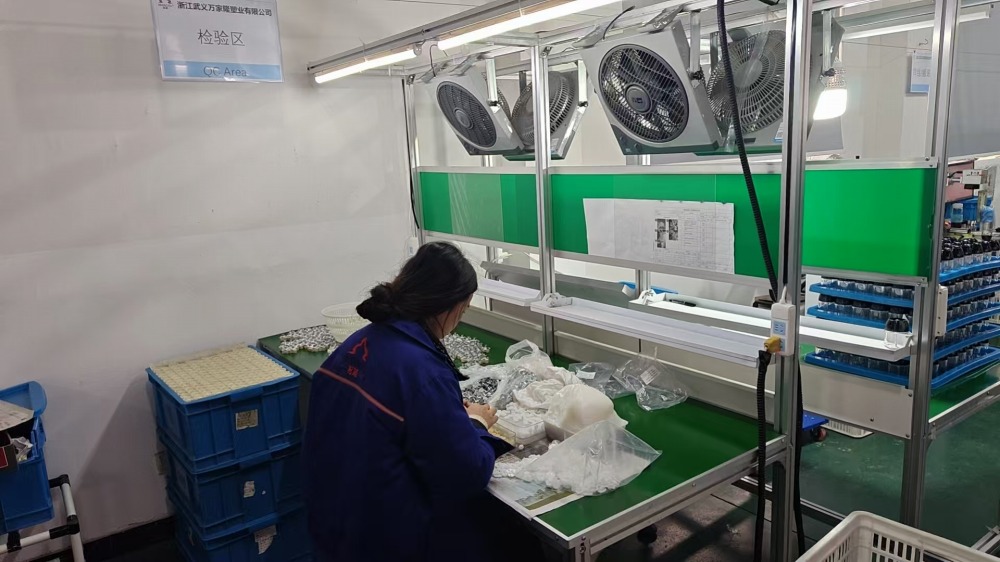
Optical & Tolerance Inspection Line
08

In-Line Inspection Line

Precision Grinder Assembly Line
09

Dust-Free Assembly Line

Export Packaging Line
10

Protective Packing Line

Advanced Machinery & Tooling Equipment

Proprietary machinery ensuring micro-scale precision across plastic injection housings, stainless steel grinding shafts, and burr mounts.

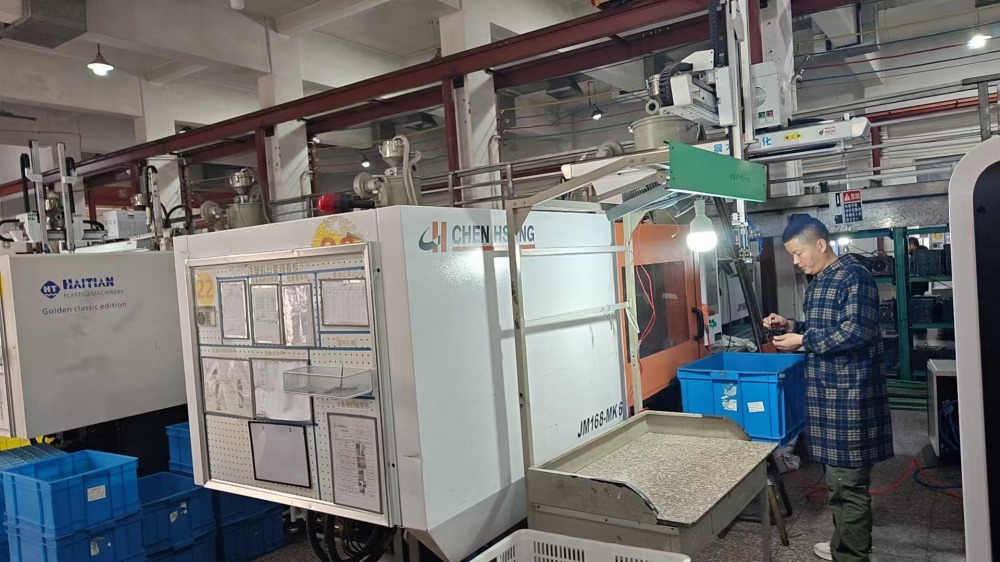
Computerized Injection Molding Machine

Injection Molding Unit

High Precision Cutting Machine

Precision Cutting Unit

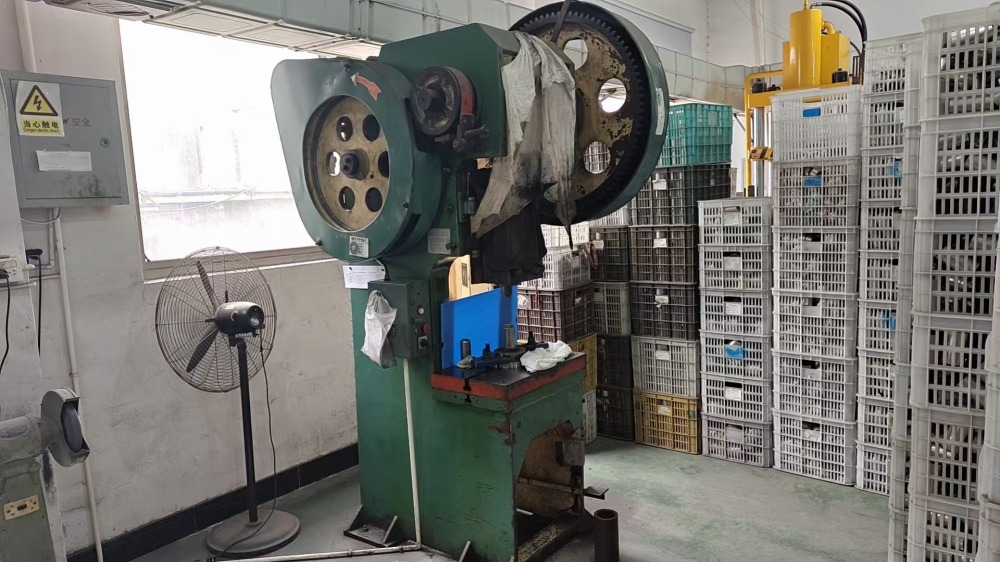
Heavy Metal Punching Machine

Heavy Punching Press

CNC Laser Tube Cutter

CNC Laser Tube Cutter

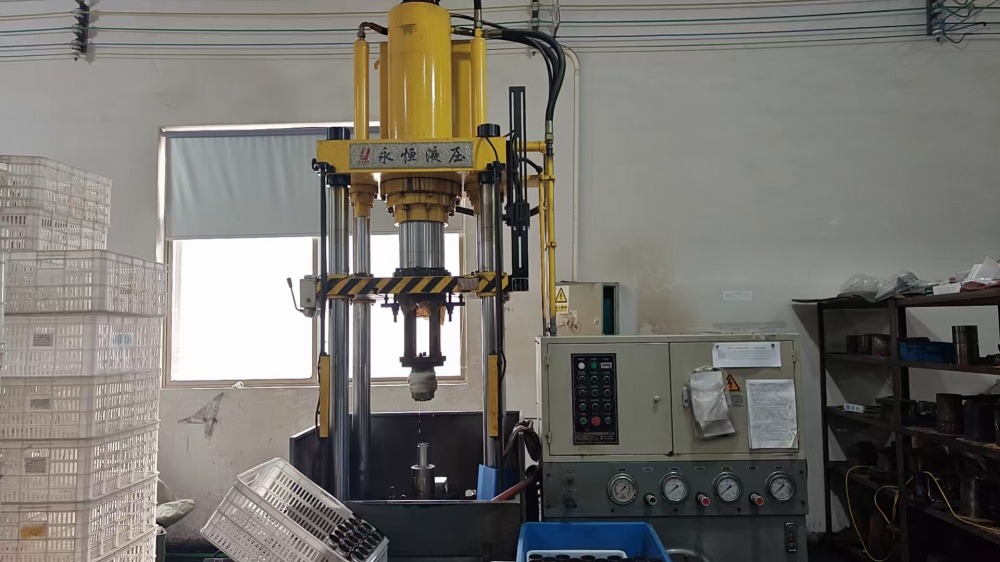
Hydraulic Machine

Hydraulic Forming Press

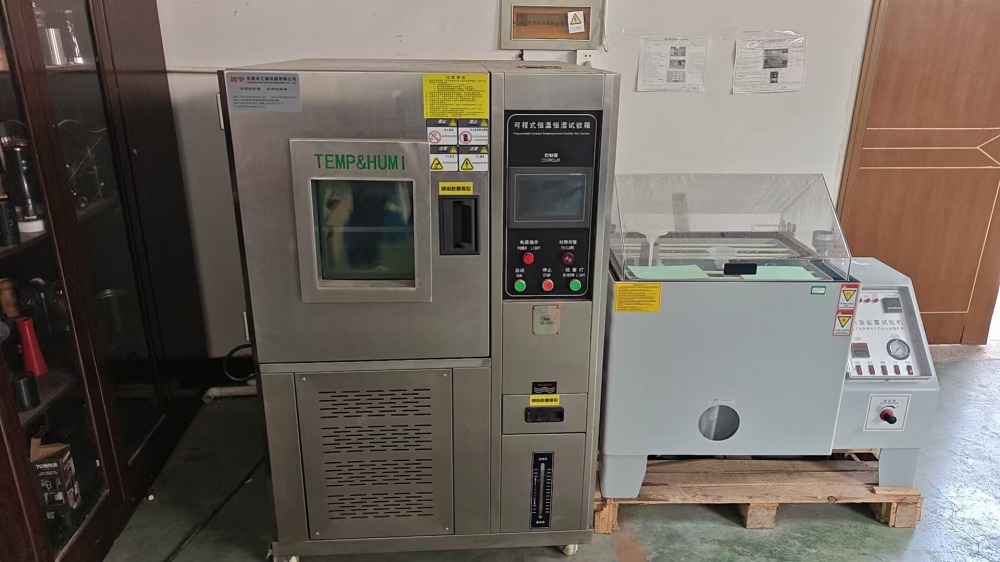
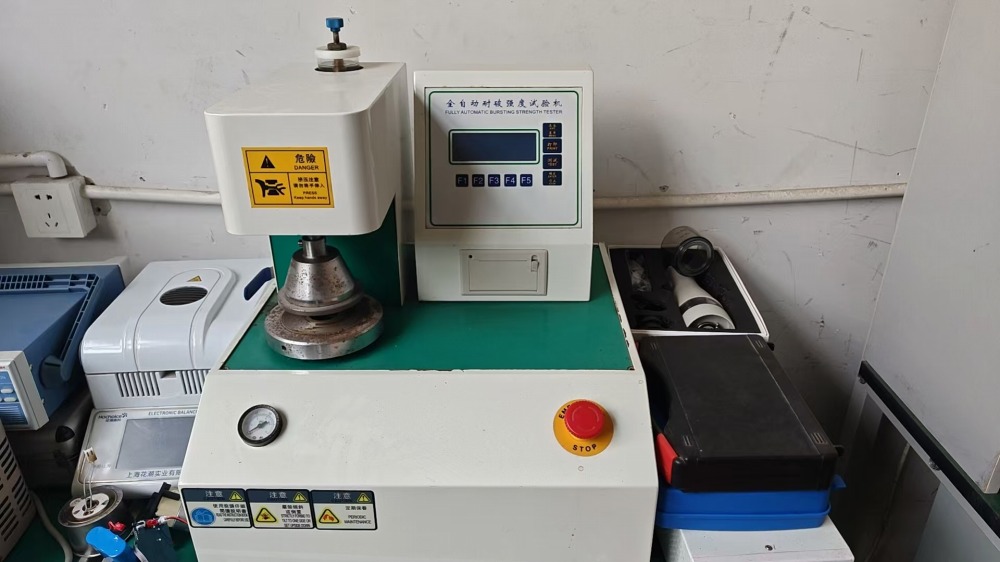
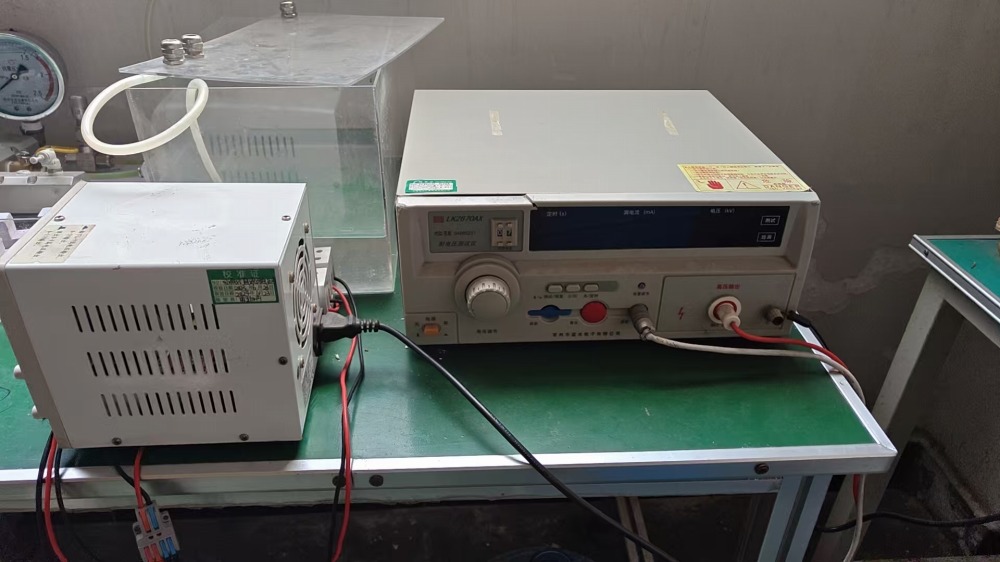
In-House Reliability & Compliance Testing Laboratory

Rigorous environmental, physical, and electrical stress testing to assure compliance with FDA, LFGB, CE, and global safety standards.

Salt Spraying Chamber

Salt Spray Chamber (Corrosion Test)

Programmable Constant Temperature and Humidity Test Chamber

Constant Temp & Humidity Chamber

Battery Testing Machine

Automated Battery Life Cycle Tester

Fully Automatic Bursting Strength Tester

Automatic Carton Bursting Tester

Voltage Endurance Tester

Voltage Endurance & Safety Tester

Frequently Asked Questions by Global Buyers (FAQ)

Direct technical and operational answers to common inquiries raised by sourcing managers, purchasing agents, and retail buyers.

Why are ceramic burrs preferred over stainless steel burrs in consumer coffee grinders?

Ceramic burrs do not conduct frictional heat during grinding, preserving the volatile aromatic oils of coffee beans that might otherwise oxidize. In addition, alumina ceramics are 100% inert, completely rust-proof, safe for direct water cleaning, and maintain cutting edge sharpness over thousands of grinding cycles without dulling or developing metallic flavors.

What is the typical lifespan and grinding tolerance of BMDEV conical ceramic burrs?

Our ceramic burrs are manufactured using high-density isostatic-pressed alumina ceramic (95% Al2O3), delivering consistent grinding performance across 1,500 to 2,000 complete grinding cycles with negligible tooth degradation. In addition, our manufacturing controls keep the axial concentricity within ±0.05mm, preventing burr wobble and delivering consistent grind particle sizing.

What are your minimum order quantities (MOQ) and lead times for OEM/ODM projects?

For standard inventory catalog models and sample orders, our MOQ is as low as 2 pieces. For custom silk-screened logos, customized packaging, and specific Pantone body colors, our typical MOQ ranges from 500 to 1,000 pieces. Full custom ODM designs with bespoke tooling start at 2,000 pieces, with prototype samples ready in 15–20 days and mass production lead times of 30–35 days.

How does Zhejiang BMDEV ensure food contact and electrical safety compliance?

All polymeric resins and ceramic components comply with FDA 21 CFR and European LFGB food contact standards. Our electric coffee grinder models utilize CE, CB, RoHS, and FCC certified electronic assemblies. We conduct routine batch inspections in our in-house testing laboratory, running salt spray tests, thermal-humidity stress testing, and drop tests on finished export cartons before shipping.

Can ceramic burr grinders support both espresso and coarse French press grinds?

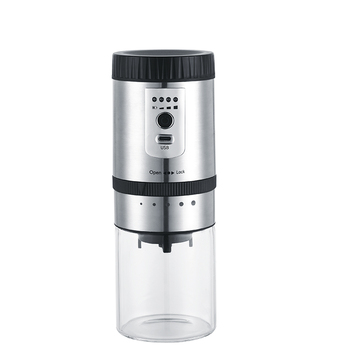
Yes. Our ceramic grinders feature multi-step or stepless adjustment mechanisms calibrated across a range of 250 microns (suitable for moka pots and espresso) up to 1,200 microns (for French press and cold brew). The conical geometry ensures low retention and optimal extraction performance across various brewing methods.
Inquiry Background

Request a Quotation & Engineering Sample

Partner directly with Zhejiang BMDEV Plastic Industry Co., Ltd. for your custom ceramic burr coffee grinder projects. Receive an engineering review, competitive factory-direct tiered pricing, and sample coordination within 24 business hours.

Send an Inquiry

Direct Factory Sourcing Desk

  • Factory Direct Email[email protected]
  • Industrial CampusNo. 68, Fenghuang Avenue, Fenghuangshan Industrial Zone, Tongqin Town, Jinhua, Zhejiang, China
  • Global Service StandardMultilingual English-speaking engineering and export sales support