Electric Precision
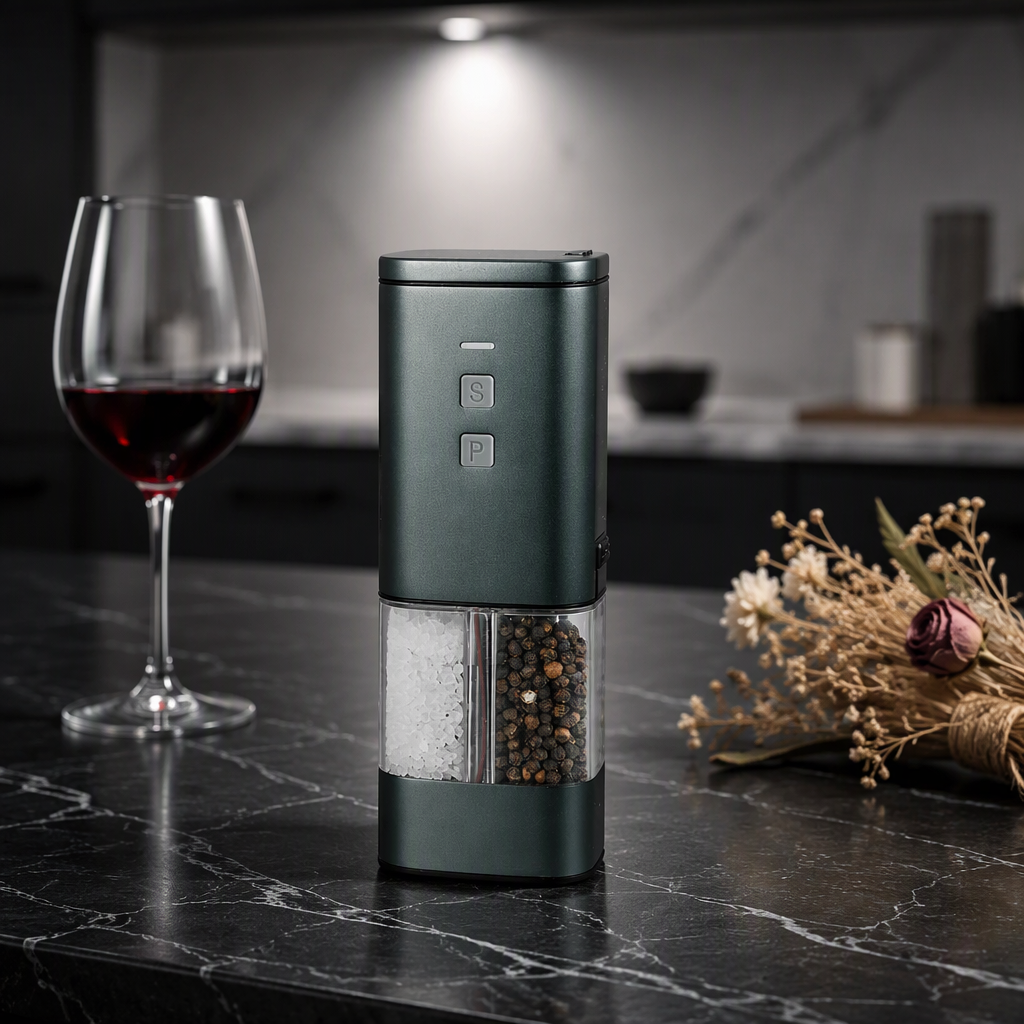
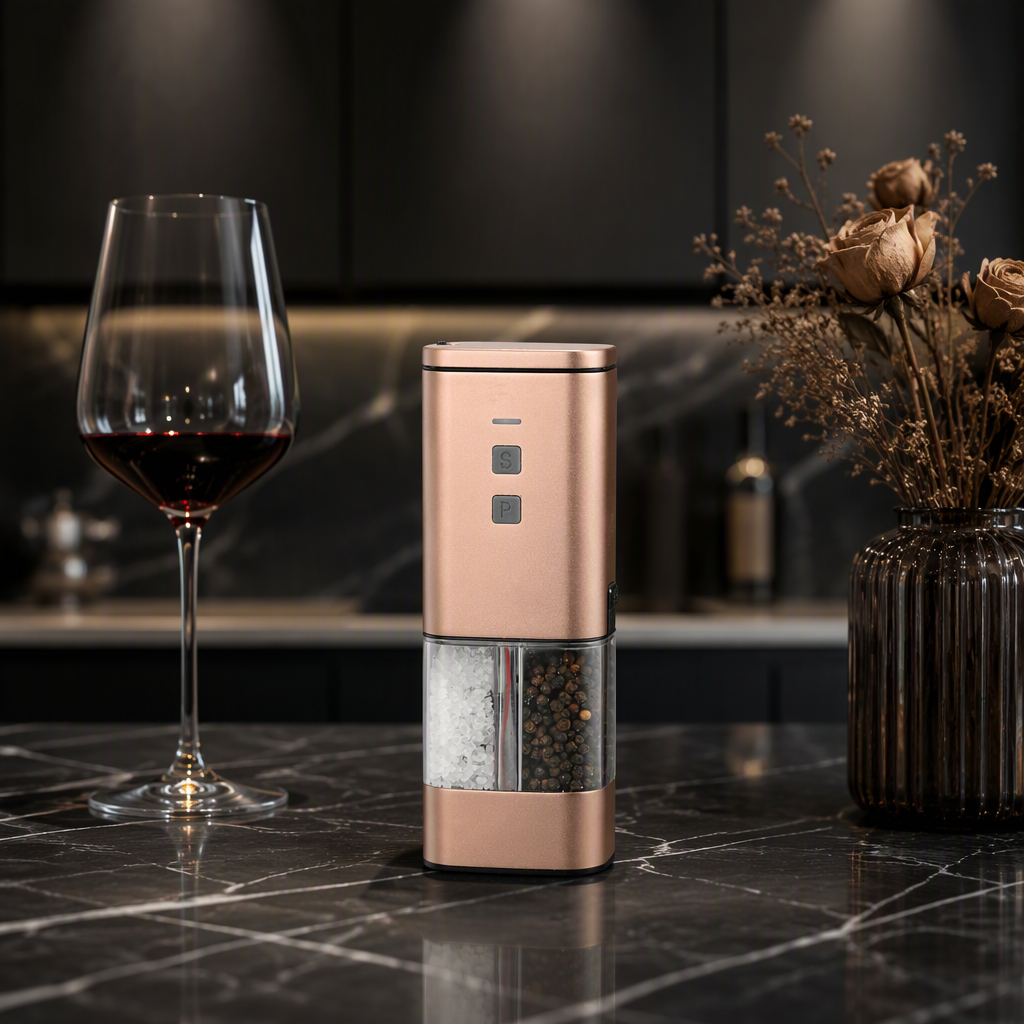
Most Popular New Design Electric Adjustable Grinder
- Multi-Stage Coarseness Regulator
- Anti-Corrosion Motor Assembly
- Single-Touch Pushbutton Drive
Engineered for retail chains, specialty roasting distributors, and hospitality importers operating within high-humidity, marine-adjacent Caribbean distribution hubs.
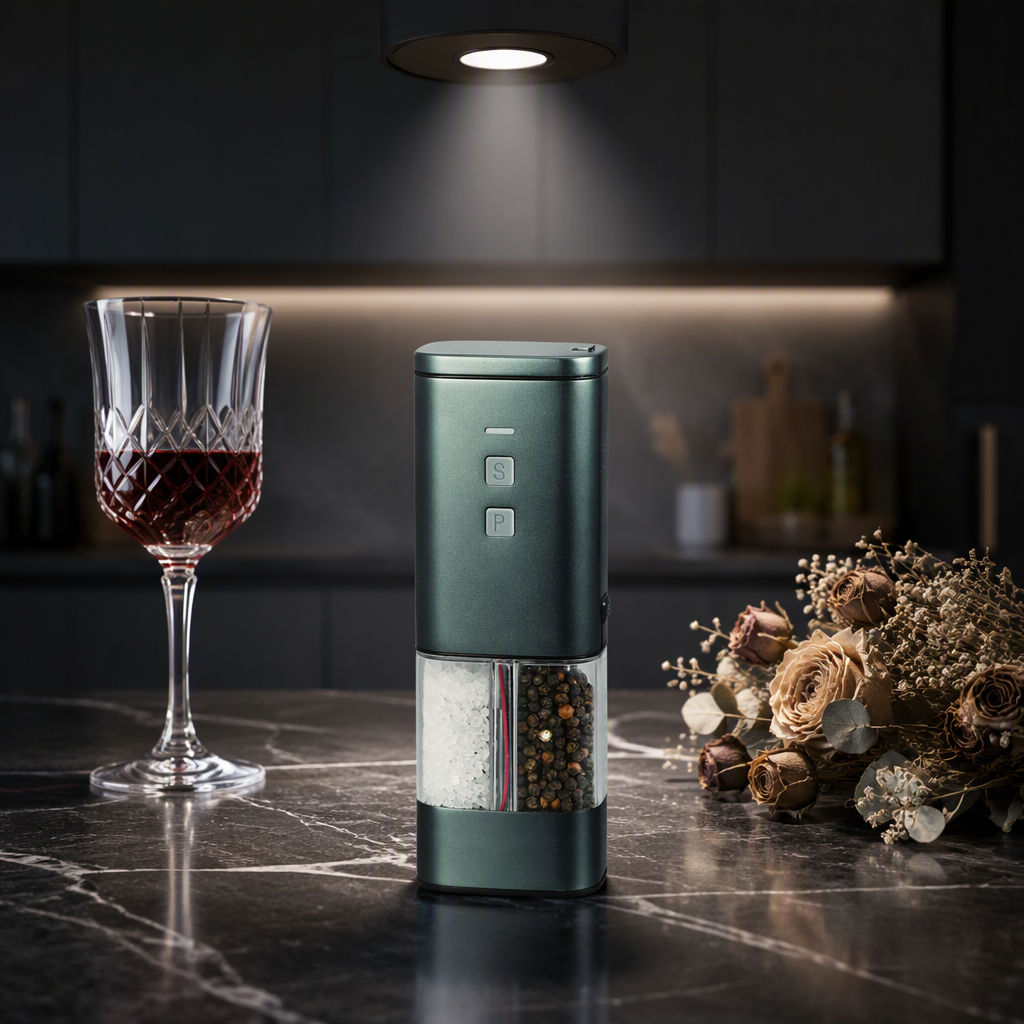


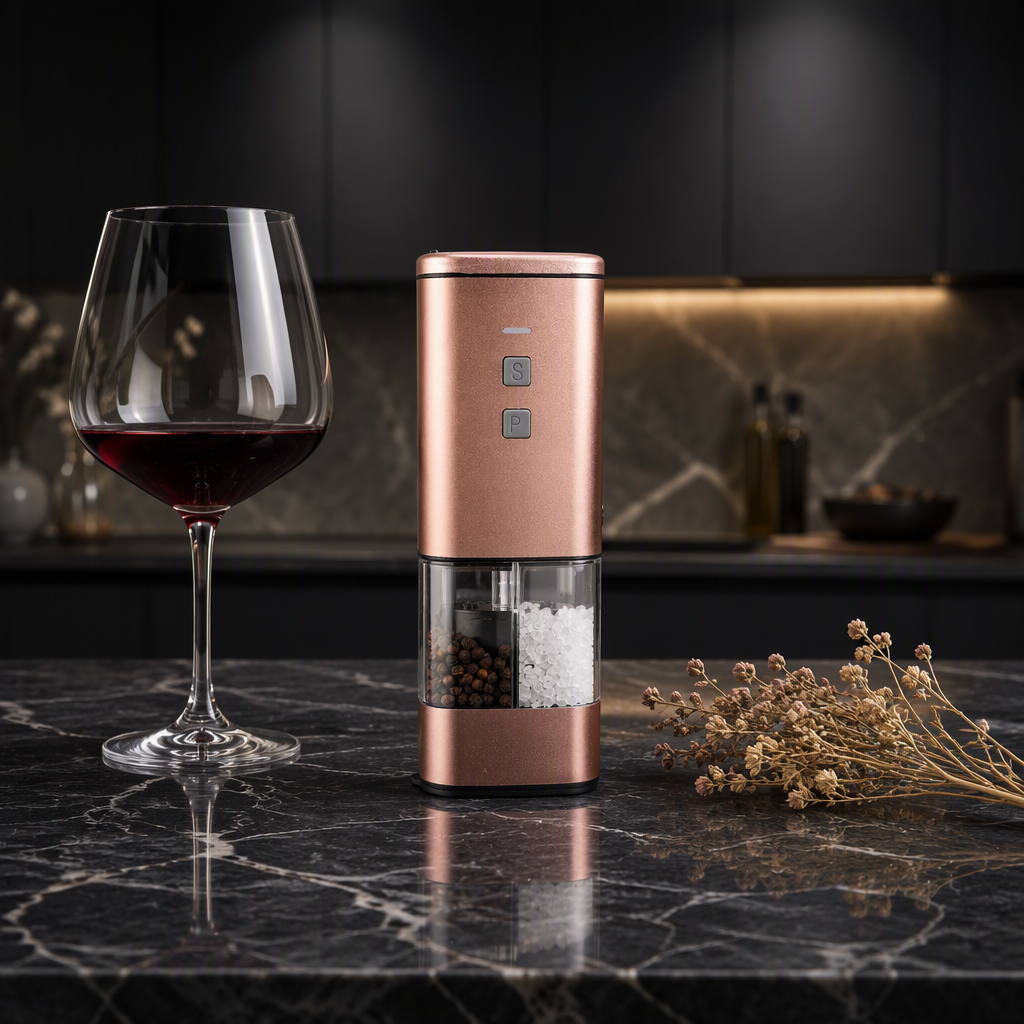
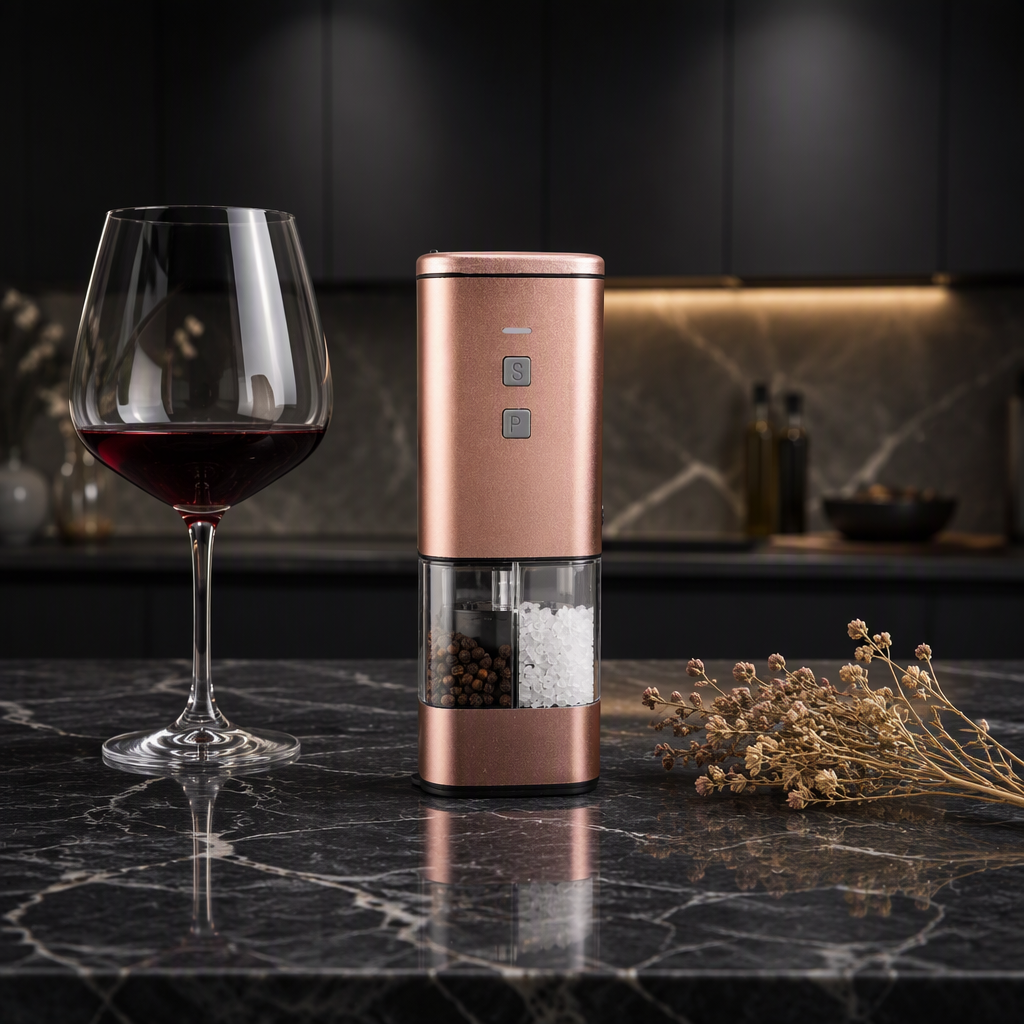
An authoritative breakdown of industrial manufacturing standards, Caribbean supply chain routing, and the technical requirements for battery-operated brewing hardware.
As the commercial heart of St. Catherine Parish and a critical distribution crossroads bridging Kingston, the north coast, and central agricultural districts, Spanish Town occupies a strategic position in Jamaica's consumer electronics and small domestic appliance (SDA) trade. Commercial importers, roasteries, and hospitality supply syndicates based in Spanish Town operate under unique market pressures: proximity to the Port of Kingston exposes inventory to corrosive marine air, while the local consumer base balances traditional brewing customs with rapidly surging demand for portable, on-the-go extraction technologies.
Procuring portable electric coffee makers and electronic precision mills for the Spanish Town market requires deep technical scrutiny. Sourcing directors cannot simply purchase generic domestic designs optimized for dry, temperate markets. The intersection of tropical humidity (consistently exceeding 80% RH), coastal salinity, and fluctuating power infrastructures requires direct engineering collaboration with top-tier original equipment manufacturers (OEMs) who control tooling, lithium-ion safety certifications, and material metallurgy under one roof.
Appliances entering St. Catherine Parish face high cyclic thermal and humidity stresses. Portable brewing units engineered with substandard circuit potting, non-anodized motor shafts, or low-density ABS casings inevitably fail through moisture ingress, motor stalls, and rapid galvanic corrosion within 90 to 180 days of market deployment.
When procurement authorities evaluate the top 10 manufacturing partners servicing the Spanish Town commercial ecosystem, five decisive engineering metrics dictate reliability and long-term brand equity:
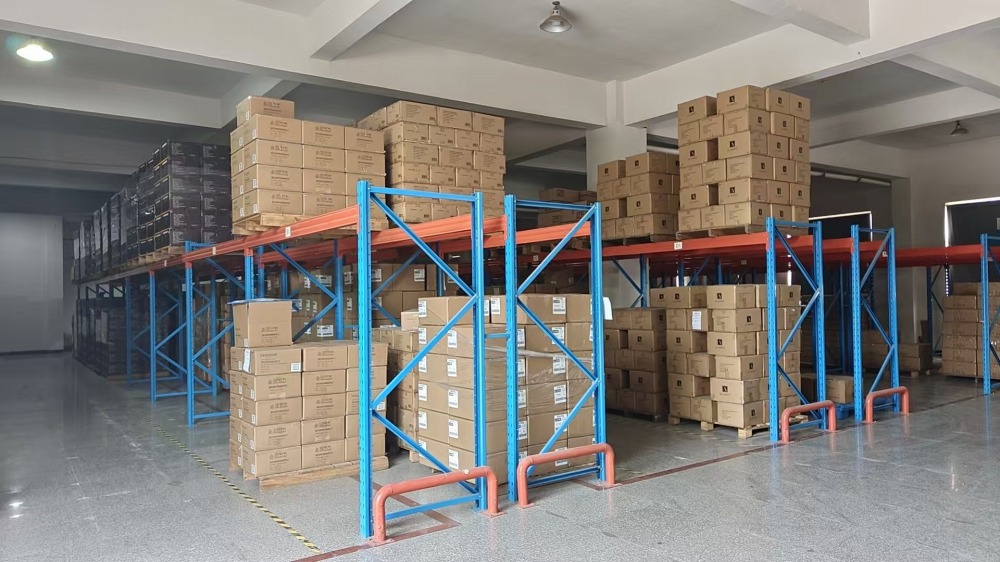
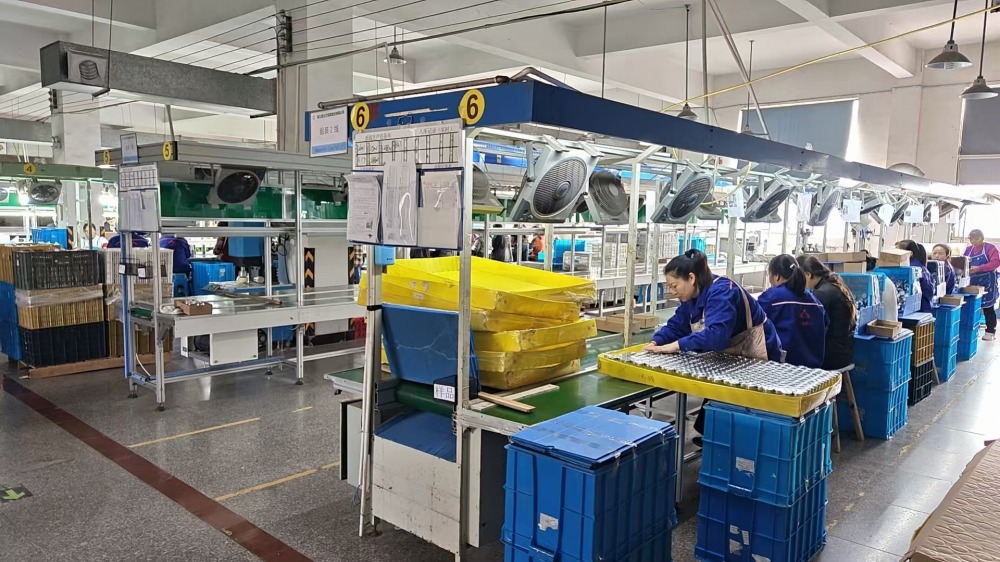
A. Vertically Integrated Fabrication vs. Shell Assembly: Importers routinely encounter trading brokers marketing generic equipment. Leading OEM/ODM manufacturers, such as Zhejiang BMDEV Plastic Industry Co., Ltd., maintain full vertical integration across 12,538 m² of facility floor space. Operating in-house plastic injection molding, precision metal hydraulic bulging, laser cutting, and dedicated assembly lines guarantees strict tolerance matching between motor drives, silicone liquid gaskets, and grinding burrs.
B. Climate-Specific Electrochemical Protection: Portable electric coffee makers rely on onboard rechargeable lithium-ion cells (typically 18650 or 21700 battery arrays). Premier factories utilize conformal PCB coatings to isolate electronics from high-ambient salinity, combined with multi-stage programmable temperature and humidity validation prior to carton boxing.
C. Burr Geometry and Thermal Dissipation: Jamaican coffee beans—celebrated globally through the Blue Mountain designation cultivated in adjacent eastern parishes—feature dense cellular structures requiring high-torque, low-RPM grinding. Inferior high-speed blade choppers scorch volatile aromatic lipids before extraction. Top exporters supply conical ceramic burrs (which run cool and resist ambient moisture rust) or precision CNC-milled 420 stainless steel burrs engineered to maintain particle uniformity across coarse French press and ultra-fine espresso extraction profiles.
| Engineering Attribute | Standard Tier (Open Market Resellers) | Industrial OEM Tier (BMDEV Factory Standards) | Spanish Town Market Impact |
|---|---|---|---|
| Burr Core Material | Pressed steel or cheap ceramic | High-density alumina ceramic or CNC SUS420 | Zero rust in high humidity; preserves delicate Blue Mountain terroir |
| Chassis Metallics | 201 stainless or thin chrome plate | AISI 304 austenitic steel + PVD passivation | Resists galvanic salt spray corrosion in coastal warehousing |
| Motor & Gearbox | Plastic spur gears with POM pinions | All-metal planetary gears + copper windings | Handles hard, lightly roasted high-altitude coffee beans without stripping |
| Battery Management | Uncertified generic lithium cells | CB/IEC 62133 tested cells with NTC thermal cut | Safe transport via marine freight, immune to tropical heat over-discharge |
| Quality Verification | Sample checks only | 10-stage inline testing + Intertek assessed lab | Reduces container defect rate to below 0.2% on arrival |
Understanding user intent in Spanish Town requires breaking down how end-users interact with portable brewing equipment across commercial, residential, and mobile sectors:
Ecotourism, Agro-Trekking & Boutique Excursions: Spanish Town functions as an arterial gateway connecting travellers between the southern capital and northern resorts via the North-South Highway (Highway 2000). Outdoor enthusiasts, eco-lodge guests, and tour operators require compact, self-contained electric brewing units that require no access to grid electricity. 1600mAh USB-rechargeable devices allow guides and travelers to grind and extract fresh local roasts directly on mountain paths.
Decentralized Hospitality & Executive Boardrooms: Within commercial offices, government hubs, and boutique villas across St. Catherine, traditional bulky drip machines are increasingly replaced by personal, zero-mess portable electric brewers. The ease of single-touch operation combined with USB-C power delivery allows rapid brewing without occupying valuable breakroom counter space.
Specialty Farm-Gate Tasting Stations: Micro-batch coffee estates and cooperative cupping laboratories throughout the surrounding hills utilize battery-operated precision mills to maintain grind integrity in locations where auxiliary generator power fluctuates. Independent ceramic burr sets guarantee zero metallic ion exchange, ensuring pristine cup clarity during organoleptic evaluations.
Three commercial transformations are accelerating wholesale orders for portable electric brewing appliances across St. Catherine and Kingston retail channels:
The "Bean-to-Cup" Domestic Movement: Jamaican consumers are transitioning away from pre-ground supermarket coffee toward freshly roasted whole-bean subscriptions. This transition creates an immense downstream demand for accessible, high-performance electric grinders that bridge the price gap between cumbersome commercial machinery and slow manual hand-cranks.
Universal Type-C Fast-Charging Standardization: Importers in the Spanish Town corridor increasingly reject proprietary barrel plugs and obsolete micro-USB connectors. Standardizing factory production on 5V/2A and 9V Type-C inputs enables consumers to recharge appliances using existing mobile phone chargers or vehicle ports, greatly reducing return merchandise authorizations (RMA) associated with lost charging cords.
Sustainable, Food-Grade Minimalist Materials: Driven by stringent international tourism sustainability guidelines, leading local hotels and retailers demand plastic-free liquid pathways. BMDEV's integration of borosilicate glass chambers, food-contact LFGB-compliant silicone seals, and 304 stainless steel housings aligns perfectly with this progressive procurement trend.
Verified on-site by Intertek: How Zhejiang BMDEV Plastic Industry Co., Ltd. eliminates supply chain volatility for international importers.


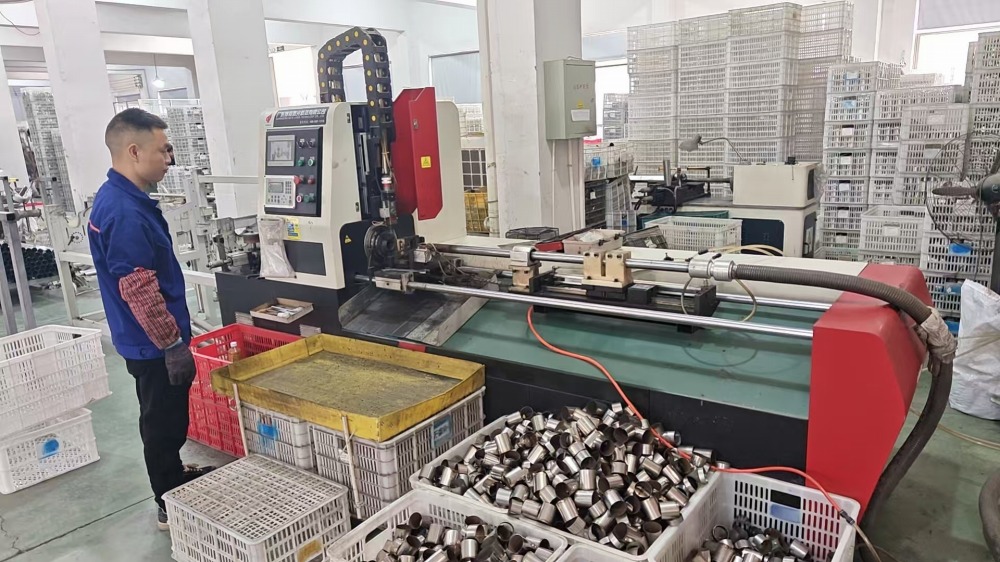
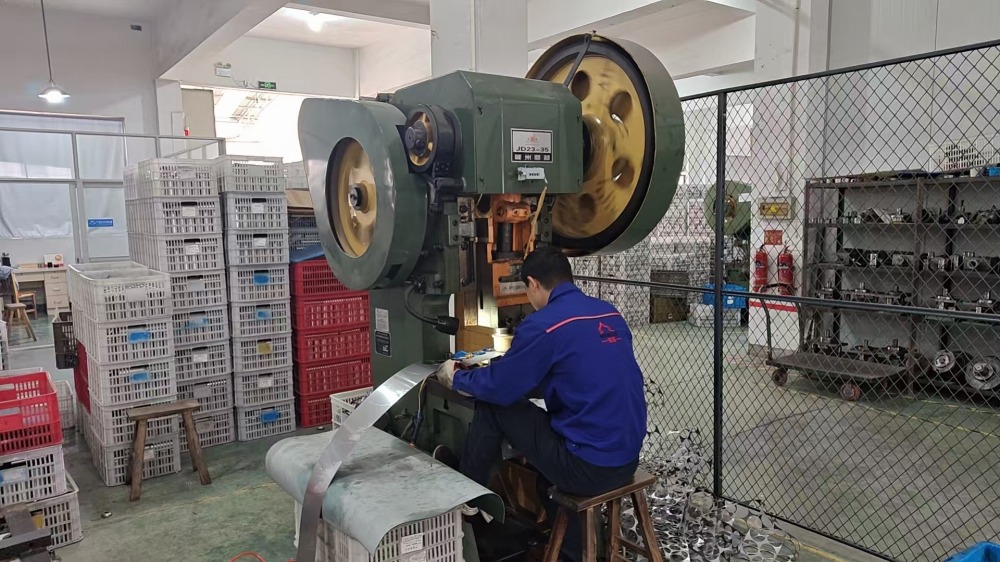
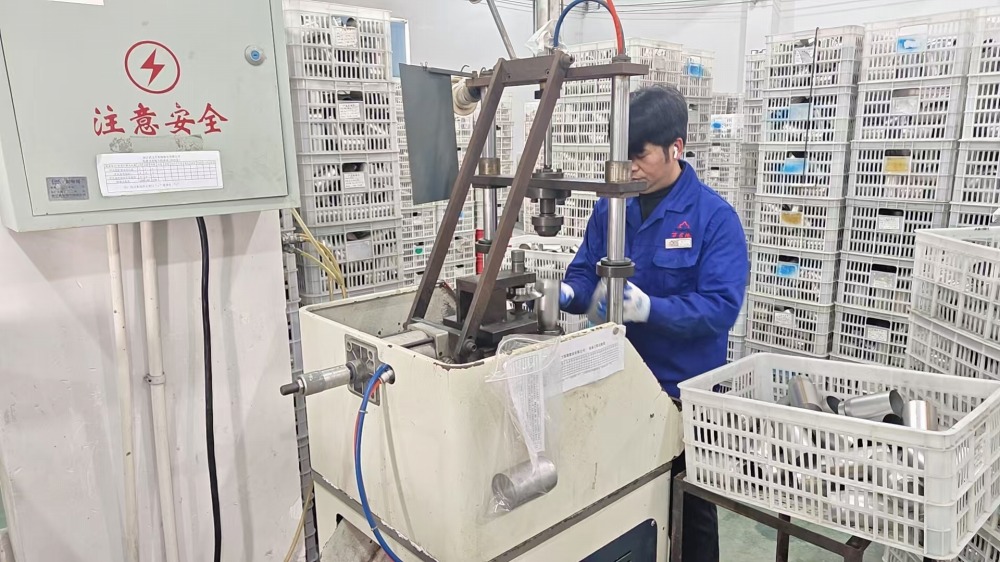
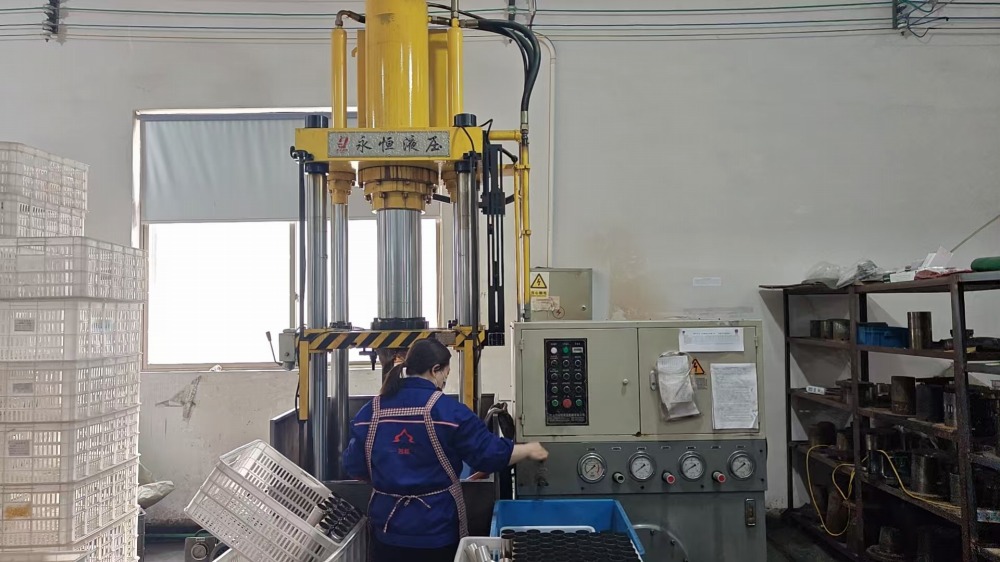
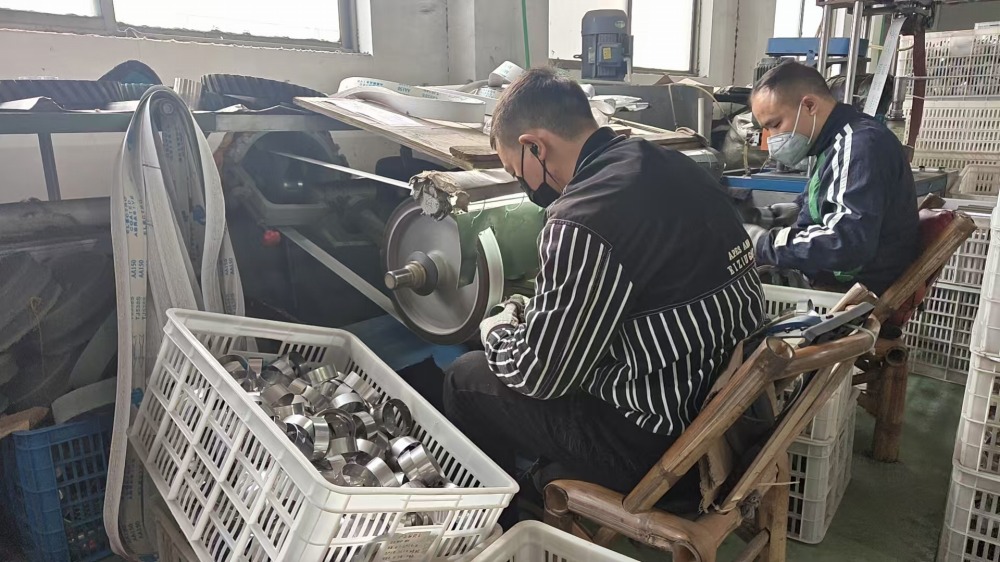
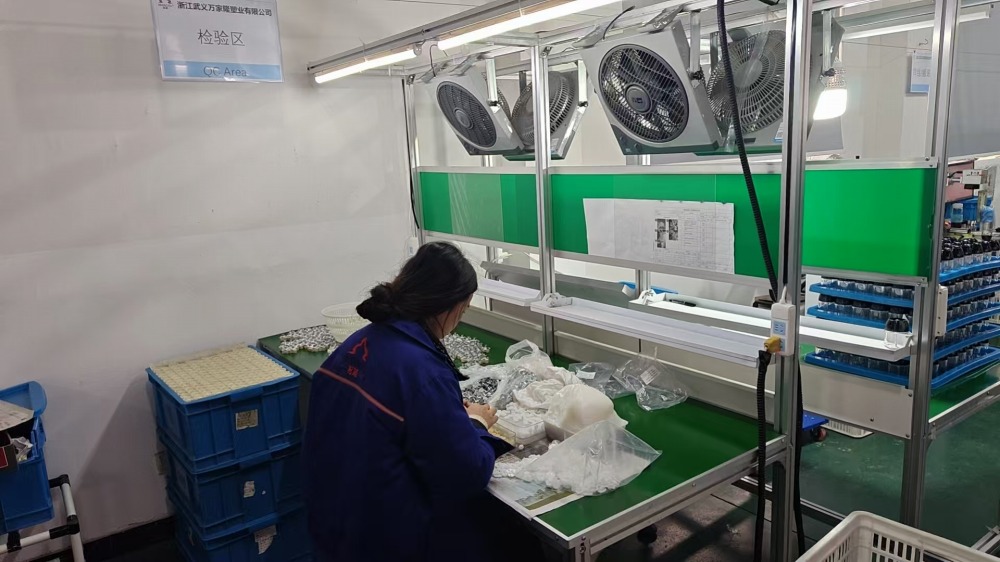
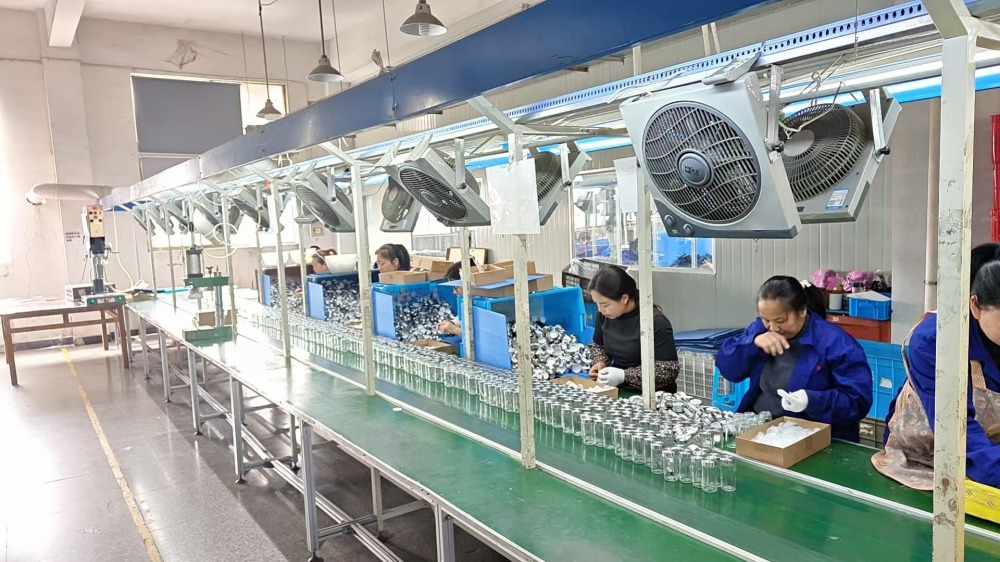

Every design deployed into maritime Caribbean regions undergoes simulated climate degradation testing.

Continuous neutral salt spray validation up to 96 hours ensuring zero pitting on stainless surfaces and electrical terminals.
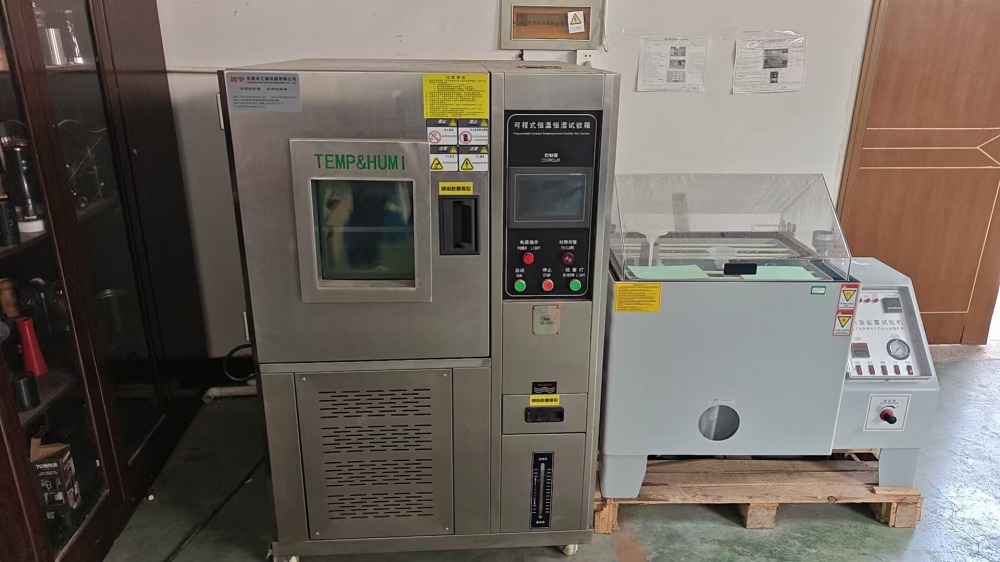
Programmable 40°C to 85°C thermal cycling at 95% relative humidity to detect PCB insulation resistance degradation.

Multi-channel charge-discharge rate testing, validating capacity retention over 500+ full battery operating cycles.
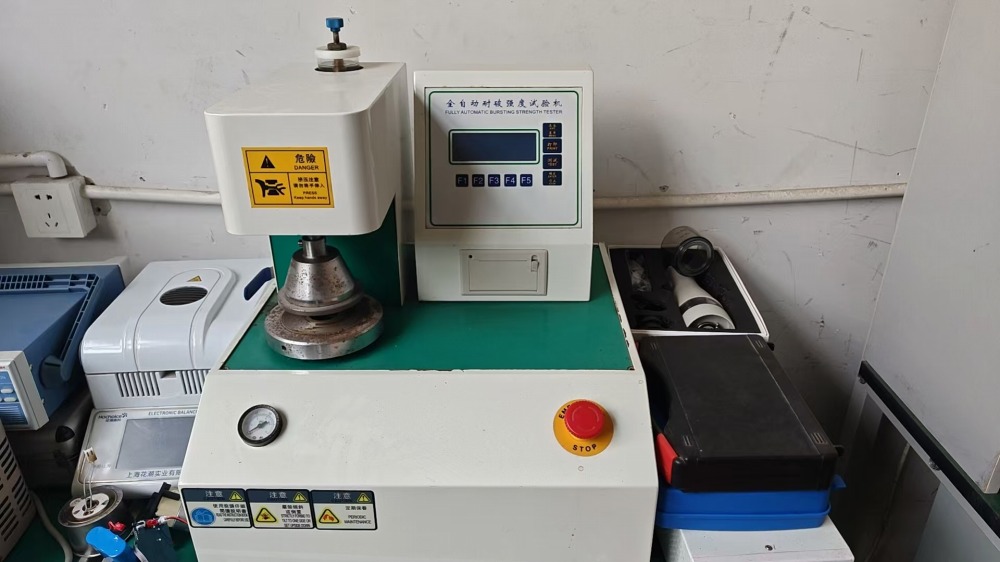
Hydraulic bursting strength verification on master export cartons, ensuring sea-freight container stacking durability.
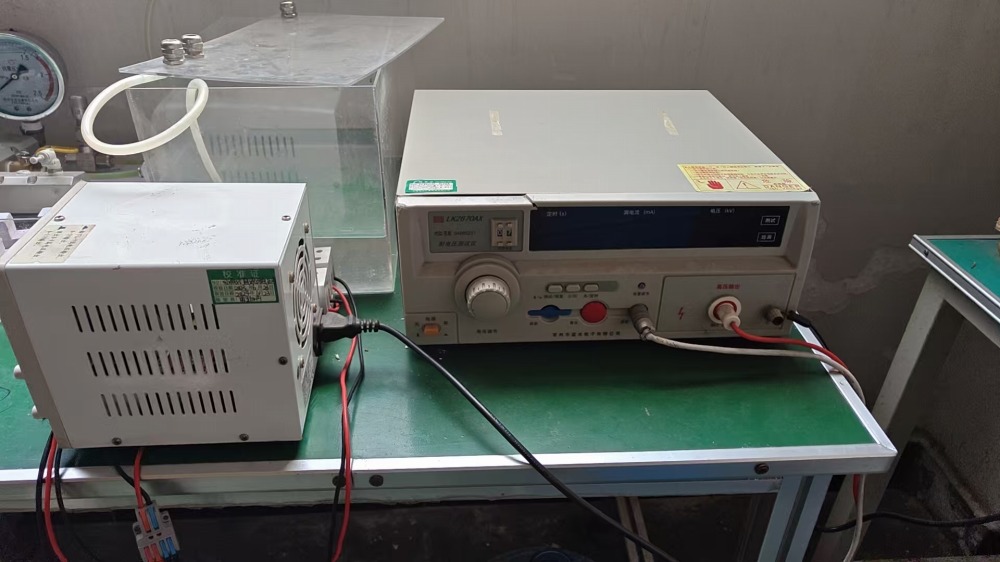
High-voltage breakdown testing to eliminate electric leakage risks across consumer charging circuits.
Direct answers addressing freight logistics, voltage adaptation, minimum volume thresholds, and private-label customization.