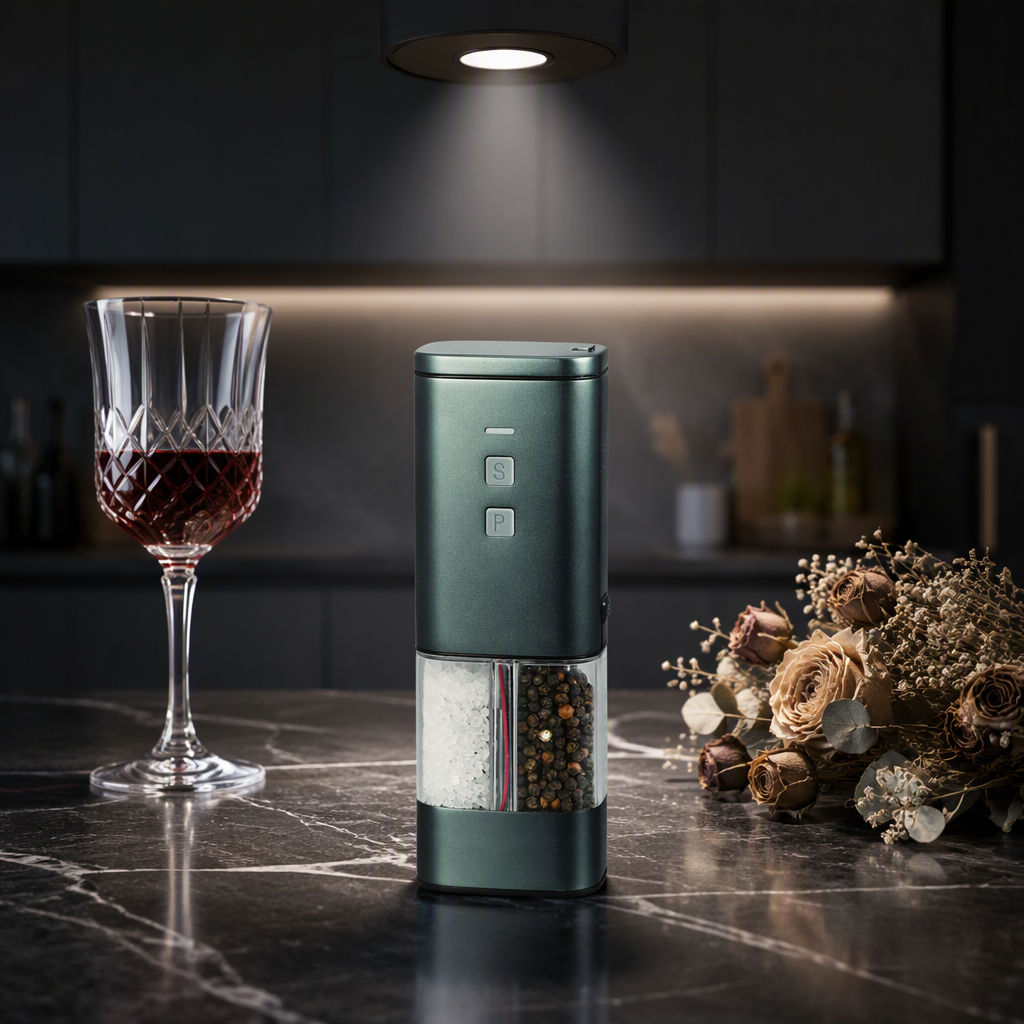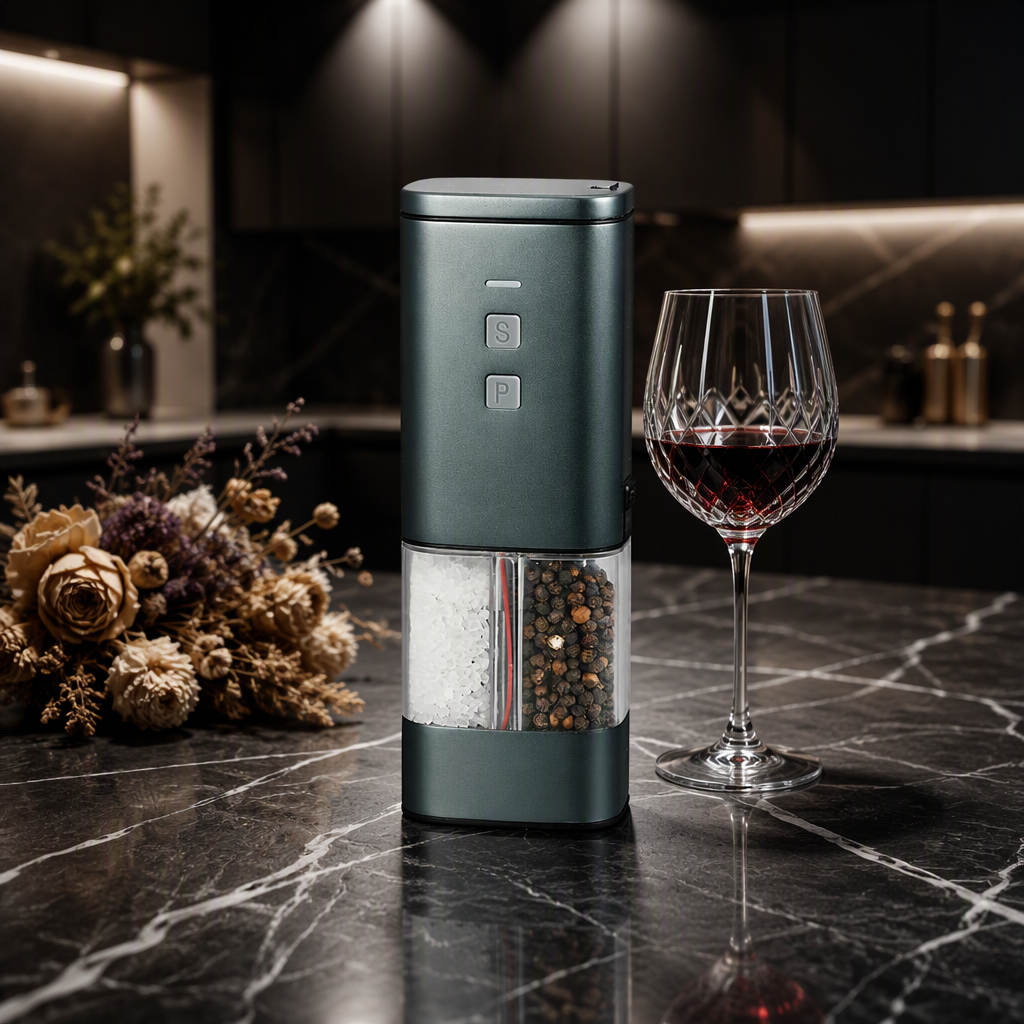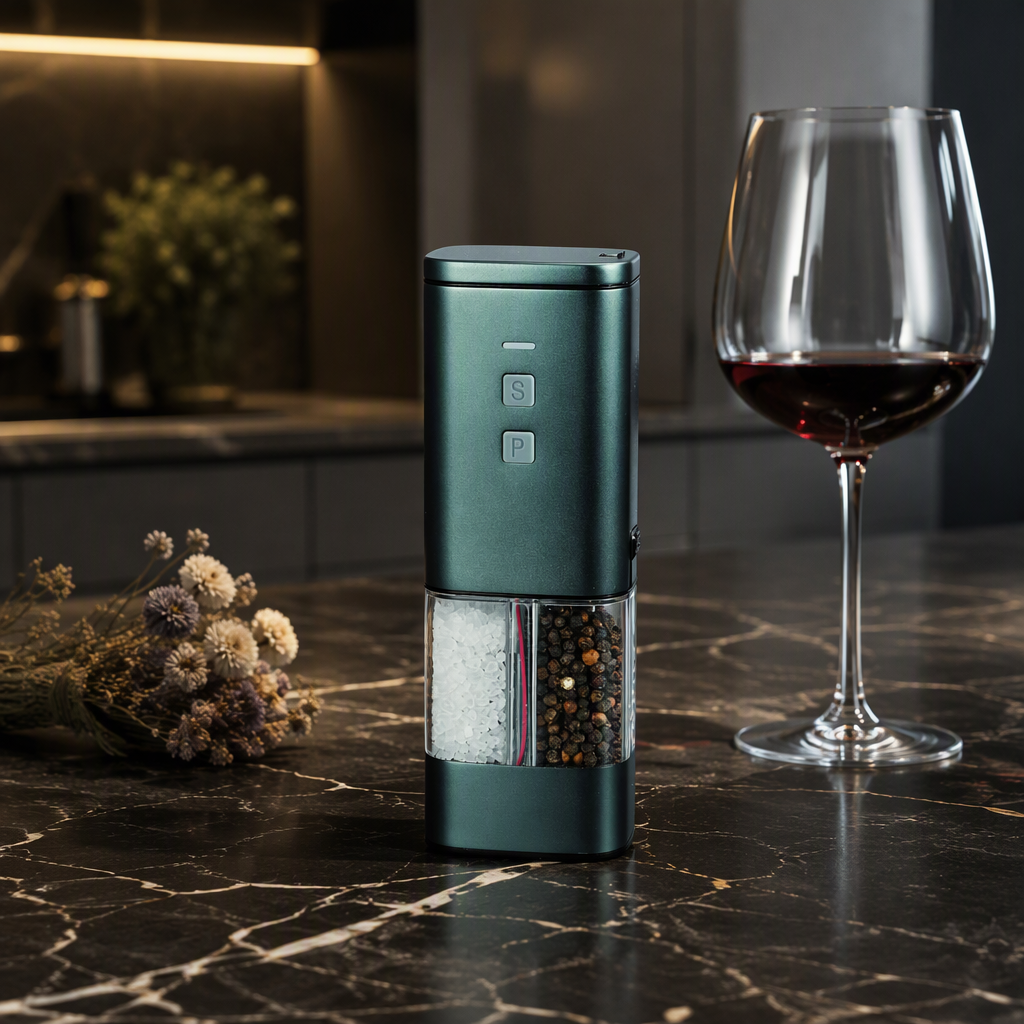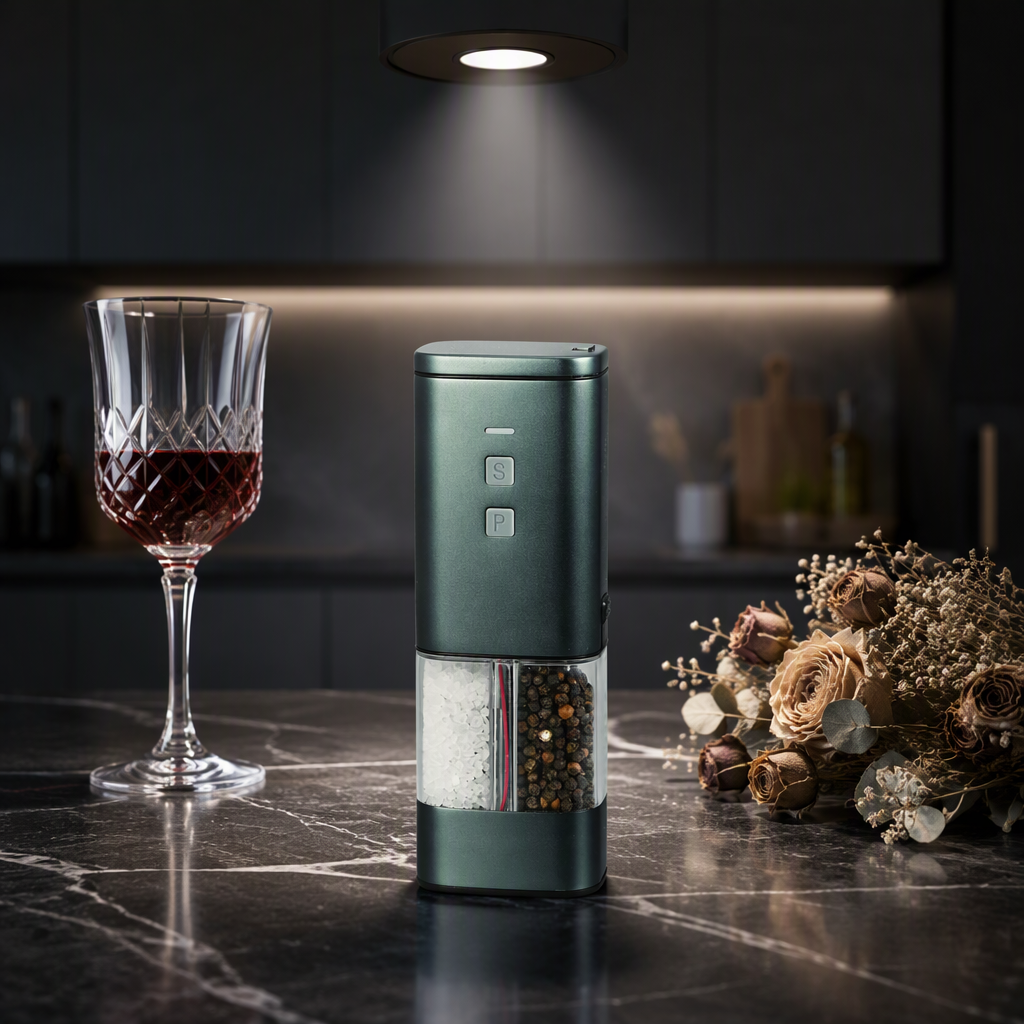
Salt Pepper Grinder Rechargeable Electric Pepper Grinder Adjustable
- Stepless ceramic grind dial
- USB-C lithium charging core
Custom OEM/ODM seasoning assemblies, mill combinations, and salt-pepper sets configured to meet European food contact compliance, functional durability, and retail shelf appeal.
A rigorous examination of culinary seasoning set procurement, port logistics, and consumer behavior within South Holland's diplomatic, hospitality, and residential hubs.
The Hague (Den Haag) houses world embassies, international tribunals, and high-end ministerial conference venues. Commercial catering and upscale dining establishments throughout the Statenkwartier and Scheveningen harbor demand seasoning dispensers that offer quiet, reliable motorized grinding and zero seasoning spillage on pristine table linen. Our corrosion-proof 304 stainless steel housings and enclosed lower capping designs answer this strict operational standard.
Dutch residential architecture in central Den Haag frequently incorporates compact, minimalist open-concept kitchens. Space efficiency is paramount. Seasoning box sets engineered with modular acrylic containers, magnetic nesting racks, and uniform vertical footprints solve the storage constraints of urban Dutch apartments while blending into Scandinavian and contemporary European interior motifs.
Den Haag’s immediate proximity to the North Sea coastline subjects residential and outdoor beachfront culinary equipment to saline sea air. Inferior seasoning mills made with low-grade carbon steel fasteners corrode rapidly, while table salt clogs under humid conditions. We deploy non-porous 95% alumina ceramic burrs and precision silicone O-rings that protect the spice chamber from coastal moisture absorption.
As the political heart of the Netherlands, The Hague features a deep Indonesian, Surinamese, and Middle Eastern culinary tradition. Preparing dishes such as Rendang, Soto Ayam, or Roti requires frequent handling of whole coriander seeds, coarse sea salt, cumin, and dried chili flakes. Our engineering team designs multi-stage ceramic burr geometries capable of crushing varied spice densities without clogging or losing sharpness over thousands of uses.
Situated merely 25 kilometers north of Europe's largest deepwater seaport, The Hague acts as a strategic distribution and headquarter center for pan-European e-commerce merchants and retail procurement offices. BMDEV maintains high-density container palletization protocols that maximize 40ft High Cube container cube utilization by up to 14.8%. This dramatically reduces the landed per-unit shipping cost across the Rotterdam-Den Haag logistics corridor, providing our Dutch export partners with a significant cost advantage.
Strategic directions dictating consumer retail decisions, regulatory procurement audits, and material preferences in the Netherlands.
European Regulation (EC) No 1935/2004 and the German LFGB framework represent the baseline quality requirement for the Benelux market. Buyers in Den Haag systematically eliminate BPA and phthalates from food-contact parts. Our specialized manufacturing lines offer food-grade borosilicate glass canisters, food-contact SUS304 steel chambers, and certified POM interior mechanical parts that eliminate chemical migration.
In accordance with Dutch Extended Producer Responsibility (Afvalfonds Verpakkingen) mandates, retailers in the Netherlands require recyclable packaging. BMDEV supports zero-plastic gift box options crafted from FSC-certified unbleached corrugated craft paper and water-based soy ink printing, saving European importers from punitive eco-tax surcharges.
Driven by EU Directive 2022/2380 mandating standardized charging ports, Dutch consumers reject disposable alkaline batteries for electric kitchenware. Our active electric seasoning grinder models use unified USB Type-C charging circuitry paired with 1600mAh high-density lithium polymer cells, granting up to 2.5 months of typical household seasoning use on a single charge.
12,538 m² state-of-the-art facility audited by Intertek. From computer-assisted mold design to hydraulic metal drawing, every component is manufactured under one roof in Jinhua, Zhejiang.
High-precision injection tooling cut within ±0.01mm tolerance for airtight canister seal fitment.
Automated robotic presses running virgin ABS, acrylic, and LFGB-grade polycarbonates.
Fiber laser trimming of stainless steel 304 cylindrical shells ensuring clean burr-free edges.
Internal fluid expansion for seamless, uniform metal mill contours without weld points.
Rotary abrasive satin finishes and fine brushed metallics suited for European kitchen aesthetics.
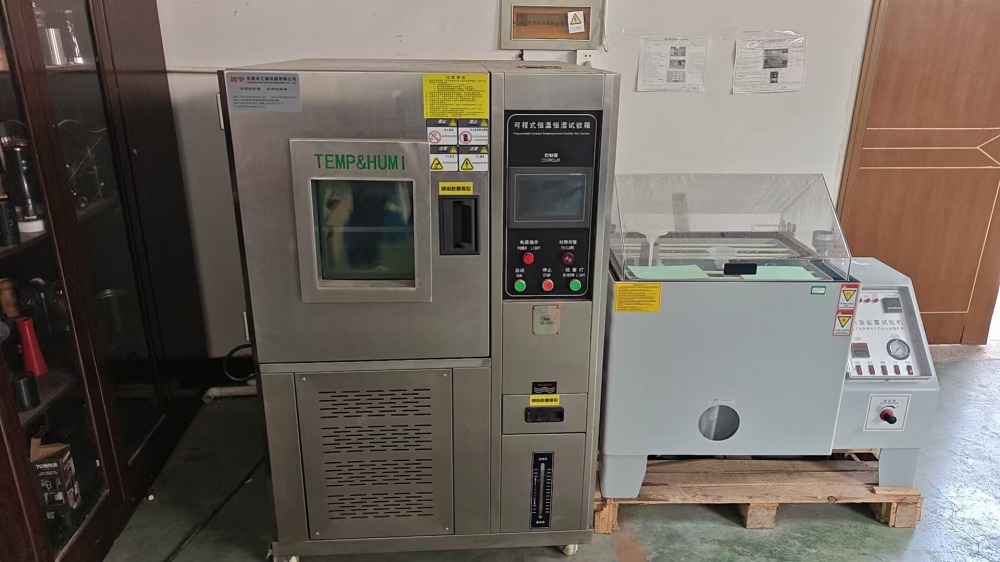
Every production batch is tested against extreme climate, mechanical wear, corrosion, and transit stresses prior to container sealing.
Stainless steel casings, spring mechanisms, and screws withstand continuous 48-hour neutral salt fog exposure, verifying corrosion resistance in maritime cities like Den Haag.
Components are subjected to rapid thermal cycles (-20°C to 70°C at 95% RH) to evaluate resin creep, acrylic discoloration, and silicone gasket resilience.
Internal lithium cells are screened through over 500 charge-discharge cycles to confirm cell thermal safety, short-circuit containment, and UN38.3 transport compliance.
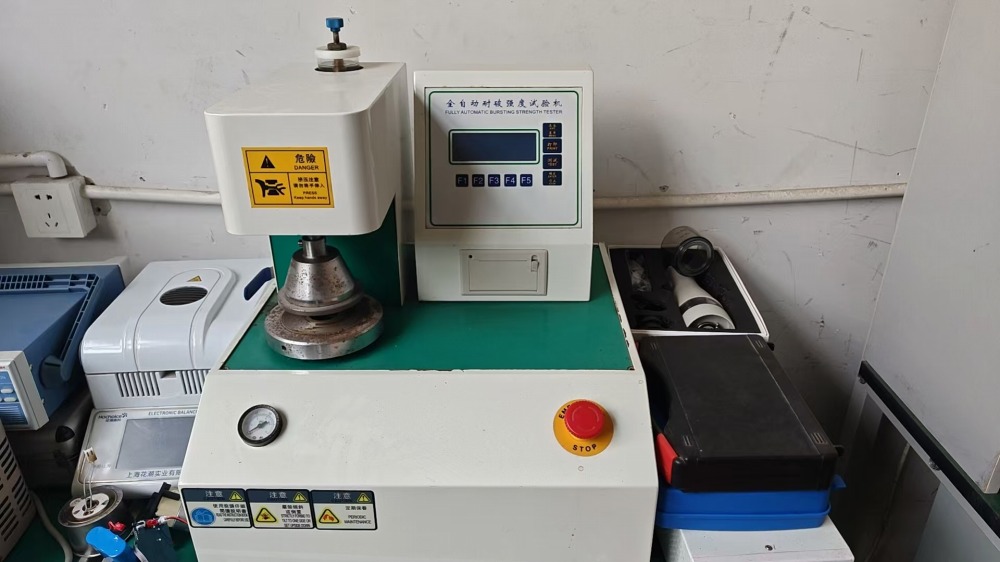
Export master cartons undergo Mullen burst and drop testing to protect against crushing, humidity deformation, and conveyor shock along sea-freight routes.
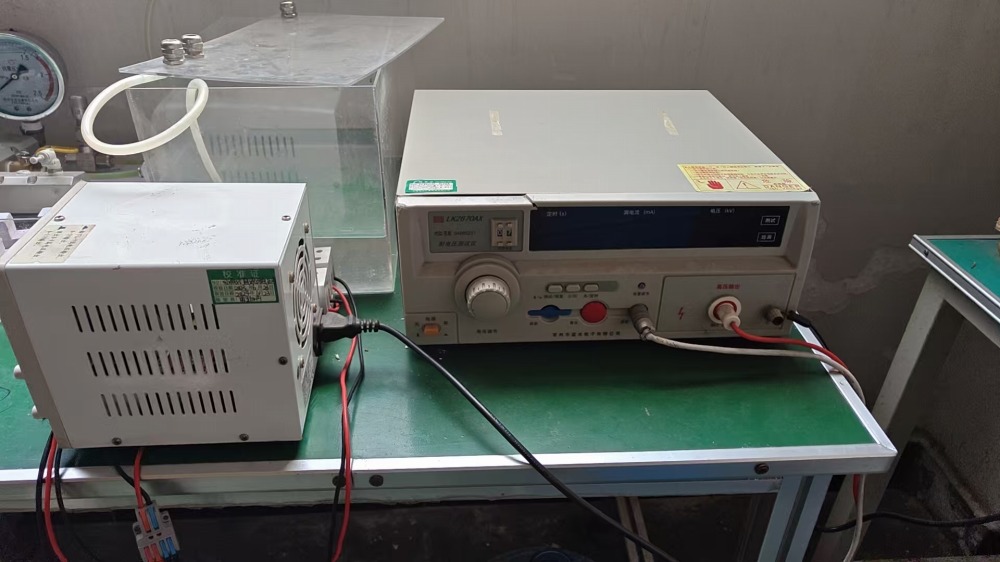
Motor-driven spice assemblies undergo dielectric withstand and leakage testing to ensure complete CE and CB electrical safety for end consumers.
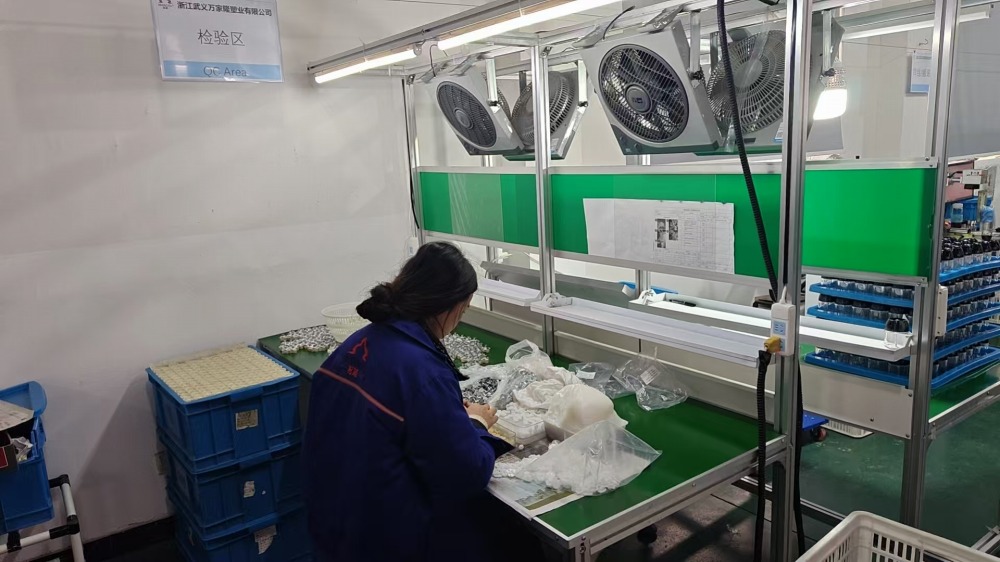
Every individual seasoning box lid, grinder knob, and carousel swivel undergoes torque audit checks before entering clean final export bagging.
Clear, direct technical answers addressing regulatory compliance, custom prototyping, freight operations, and order thresholds.
For stock catalog models requiring standard packaging, our sample MOQ starts from just 2 to 200 units. For customized branding, including laser-engraved logos, custom color injection (Pantone matched), and private-label retail gift boxes, the baseline production run is 500 to 1,000 sets. Full bespoke ODM metal and plastic mold development begins at 2,000 units.
All materials that contact food—including borosilicate glass, stainless steel 304, alumina ceramic cores, and food-grade POM or silicone gaskets—undergo independent testing to conform with EC 1935/2004, LFGB, and FDA food hygiene standards. Batch-specific Certificates of Conformity (CoC) and third-party laboratory test reports are provided with every shipment.
Following a standard production cycle of 25 to 35 business days (from approved deposit and pre-production golden sample), ocean transit from Ningbo/Shanghai to the Port of Rotterdam takes approximately 28 to 34 days via primary direct vessel routes. From Rotterdam, inland transit to distribution facilities in The Hague takes under 4 hours.
Yes. Our in-house engineering and tooling department specializes in ODM development. Once you provide your 3D STEP or IGES files, our engineers perform mold-flow analysis within 48 hours, produce functional SLA 3D printed physical samples within 5 business days, and complete steel tooling within 28 days for rapid pilot production.
Sodium chloride (table salt and sea salt) reacts electrochemically with metals, causing pit corrosion on carbon and standard steel cutters. Alumina ceramic is chemically inert, diamond-hard, completely immune to rust, and will not oxidize or taint fragile spice aromas, ensuring decades of smooth, jam-free operation in coastal environments.
Zhejiang BMDEV Plastic Industry Co., Ltd. has undergone comprehensive on-site facility verification by Intertek. Our production capacity, social accountability, environmental management, and testing lab equipment have been verified and documented, giving procurement teams complete supply chain transparency.
Direct factory pricing, complete EU compliance documentation, and rapid prototyping for importers, hospitality suppliers, and retail chain buyers throughout The Hague and Benelux.