Featured Seasoning Dispensers & Precision Grinders
Sourced directly from our Intertek-verified factory floor: industrial-grade ceramic cores, food-safe SUS304 housings, and dual-zone manual or rechargeable mechanisms calibrated for Central European distribution.

Steel Pepper Grinder Ball Pepper Grinder Chilli Pepper Grinder Bulk
- High-torque stainless steel spherical rotor
- Engineered for coarse dried chili & peppercorns
- Corrosion-proof food contact chamber
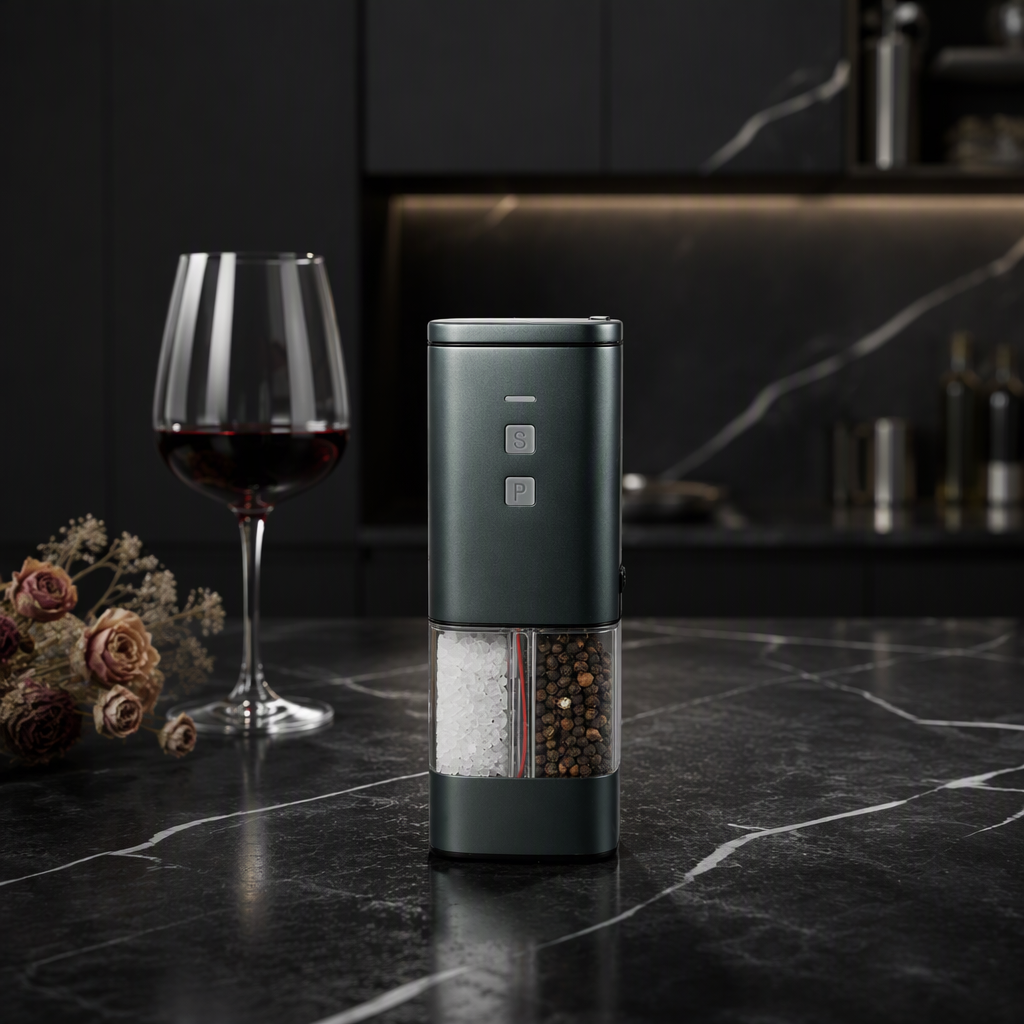
2 in 1 Salt & Pepper Grinder Stainless Set Chocolate Brown Finish
- Dual internal chambers for salt & pepper
- PVD scratch-resistant chocolate brown finish
- Dual high-density ceramic grinding cores

100ml Electric Salt & Pepper Mill Luxury Gold Coffee & Pepper Grinder
- 100ml sanitary borosilicate container
- Fine-grain multi-speed electric motor
- Dual-purpose calibration for spices and beans

2 in 1 Adjustable Electric Salt & Pepper Mill Grinder Motorized Unit
- Single-hand motorized tactile switch
- Dial-controlled coarseness setting (5 steps)
- Transparent acrylic viewport for level checks
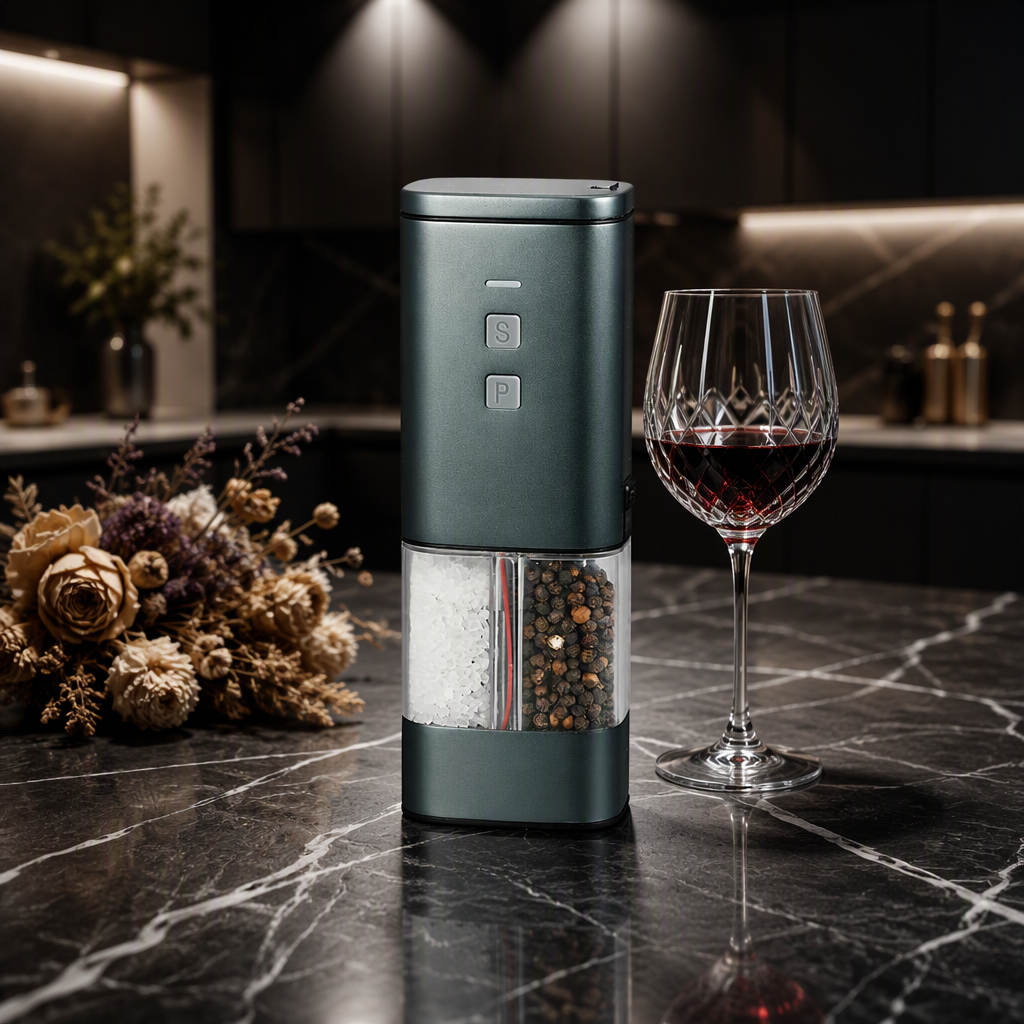
Vintage Adjustable Salt & Pepper Grinder Set Customized Exterior
- Classic aesthetic body for premium table settings
- Hardened carbon steel rotor for peppercorns
- Alumina ceramic burr for moisture-laden salt
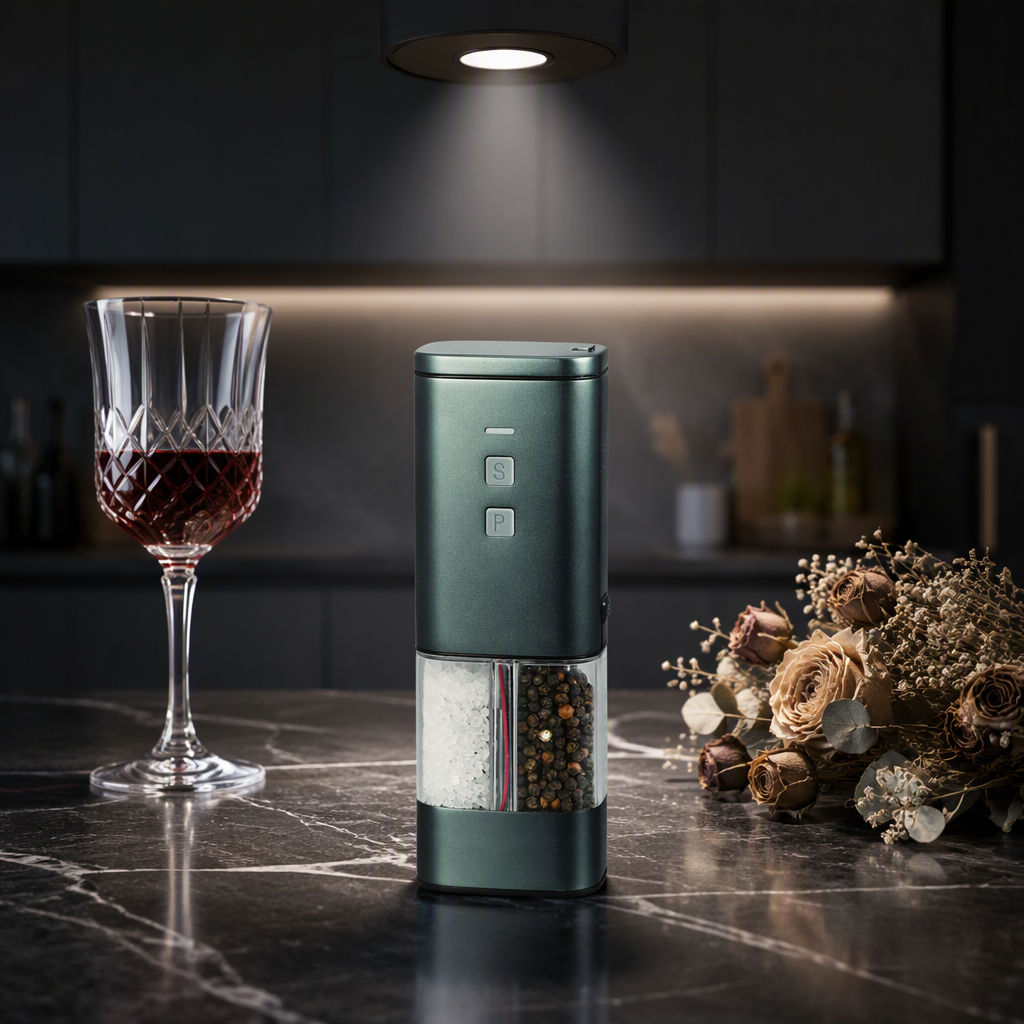
Custom Electric Inox Coffee & Pepper Grinder Round Ergonomic Mill
- Brushed stainless steel anti-fingerprint coating
- Integrated warm LED illumination ring
- Modular easy-disassemble design for quick sanitizing

Rechargeable Electric Gravity Salt & Pepper Grinder Automatic Mill
- Automatic 45-degree gravity induction switch
- No-contact operation for hygiene in busy kitchens
- Rechargeable lithium cell eliminates disposable batteries
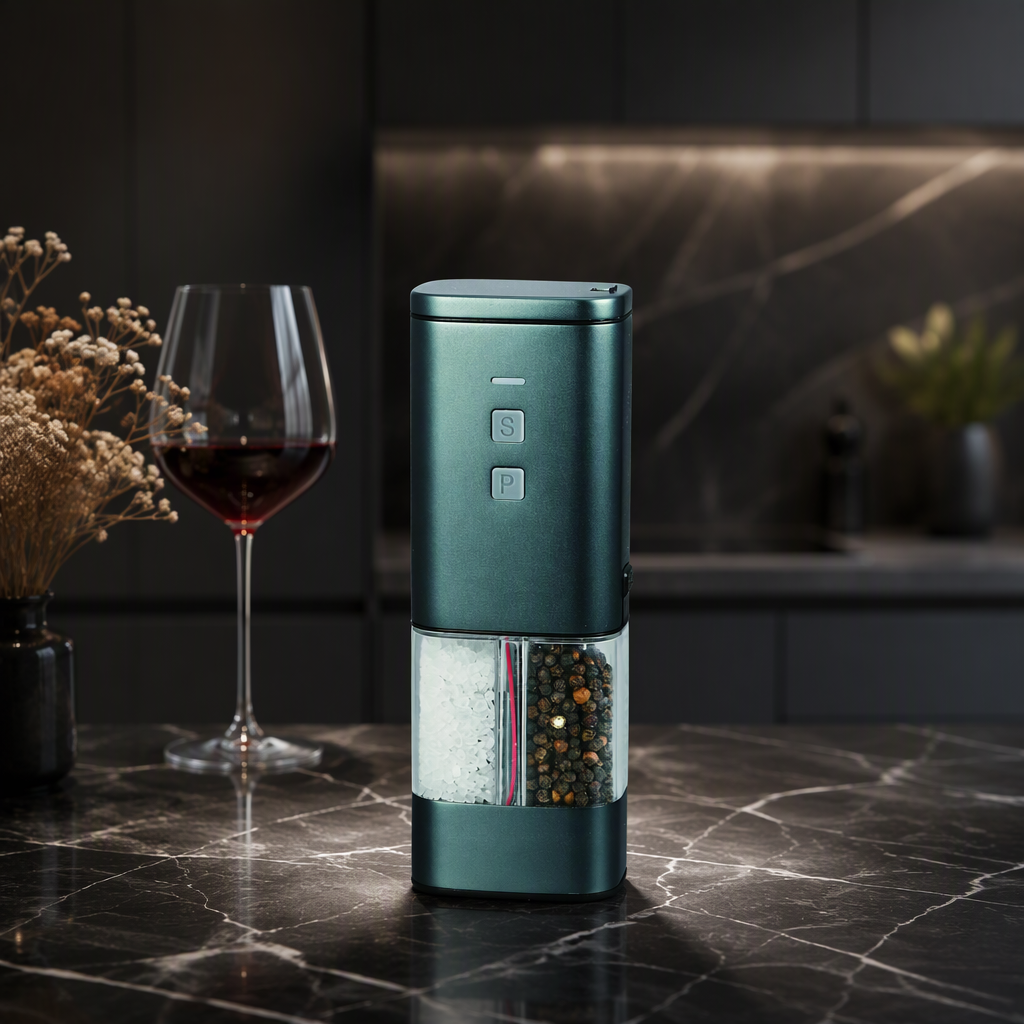
Dual Dock Rechargeable Electric Salt & Pepper Grinder Ceramic Core
- Twin-bay contact wireless charging station
- Zero table-spill anti-dust bottom silicone cap
- Heavy-duty ceramic core impervious to sea salt brine
Salt & Pepper Mill Sourcing in the Bratislava Gastronomy Corridor
A deep dive into regional procurement requirements, food-contact compliance frameworks, and operational challenges across Western Slovakia and the Greater Danube Basin.
Dunaj Climate & Anti-Caking Demands
The microclimate along the Danube river basin creates micro-humidity shifts between humid summers and damp winters. Standard metal grinding burrs inevitably oxidize when exposed to coarse Slovak rock salts or sea salts, while inferior ceramic mills suffer from salt compaction. Our mills feature 95% high-density alumina ceramic cores and vapor-sealed internal gaskets to prevent clumping and retain seasoning consistency year-round.
Traditional Meets Contemporary HoReCa
Bratislava's gastronomic landscape requires two distinct aesthetic formats: classic rustic wooden and vintage metallic mills that complement traditional Slovak bryndza dishes and hearty meat courses, versus minimalist brushed SUS304 and matte black electric grinders demanded by modern rooftop lounges and specialty steak houses. We provide bespoke private-label packaging and laser etching tailored to each dining concept.
Cross-Border Supply Chain Reliability
Many Bratislava-based hospitality groups and kitchenware distributors supply secondary operations in Trnava, Nitra, and across the Austrian border into Lower Austria. Our manufacturing ecosystem supports bulk palletization, export-standard drop-tested master cartons, and complete batch-traceable documentation, guaranteeing frictionless customs clearance and swift cross-dock distribution.
Key Trends Transforming Tableware Procurement in Slovakia
How sustainability mandates, kitchen digitization, and evolving retail preferences are reshaping mill specifications across Central Europe.
1. Transition to Lithium Rechargeable & Gravity Automation
Driven by strict European WEEE guidelines and corporate ESG audits, commercial buyers across Slovakia are phasing out single-use AAA/AA alkaline battery grinders. Dual-dock USB-C charging stations and gravity-tilt mills are rapidly becoming standard in hotel breakfast halls and conference venues, dramatically lowering long-term maintenance overhead.
2. Antimicrobial Materials & Contactless Table Hygiene
Post-pandemic dining protocols in Bratislava's international business hotels have elevated the importance of surface cleanability. Grade 304 stainless steel housings, fingerprint-resistant electroplated coatings, and one-touch or hands-free gravity dispensers reduce cross-contamination risks while withstanding commercial chemical sanitation cycles.
3. Private-Label Retail and Roastery Cross-Merchandising
Bratislava's booming third-wave coffee culture and boutique delicatessen movement have stimulated demand for dual-purpose grinders. Local brands regularly co-package customized mills that grind both specialty peppercorns and artisan roasted coffee beans, unlocking high-margin merchandising bundles for festive and seasonal retail campaigns.
Zhejiang BMDEV: Vertically Integrated Industrial Excellence
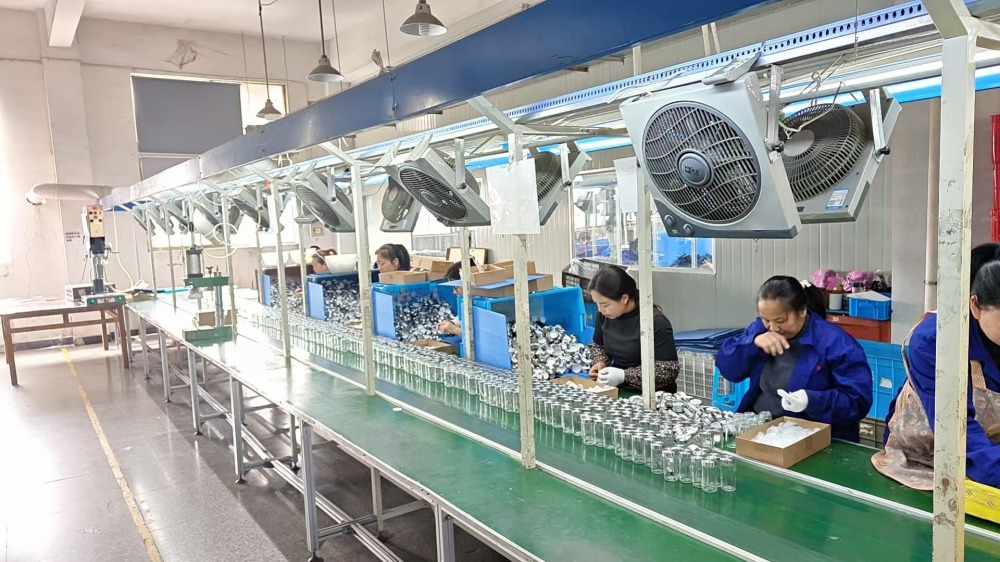
With 23 years of specialized engineering, 264 verified personnel, and a 12,538 m² manufacturing complex, we eliminate sub-tier contractor variance through 10 fully owned, in-house production lines.
10 Dedicated In-House Production Lines
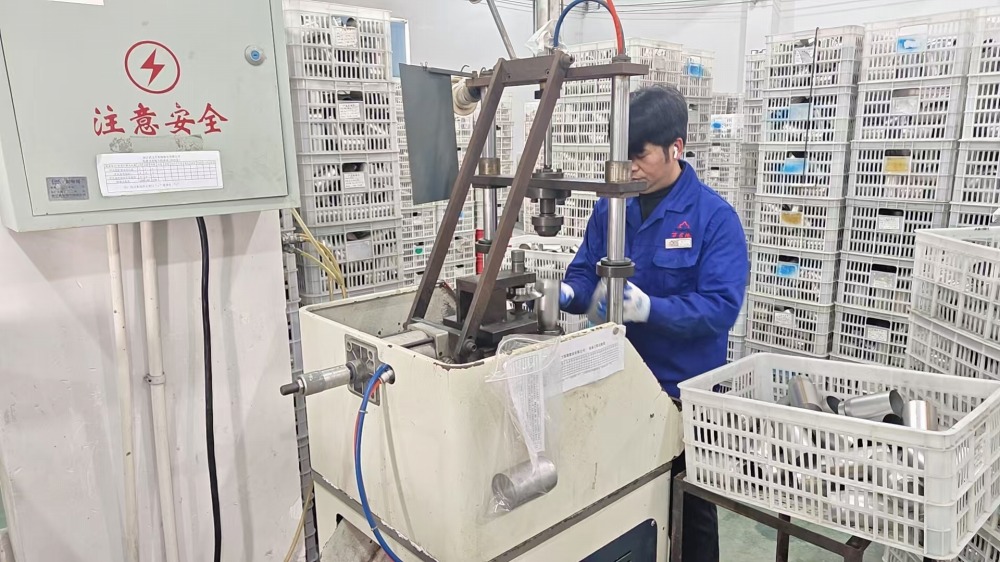
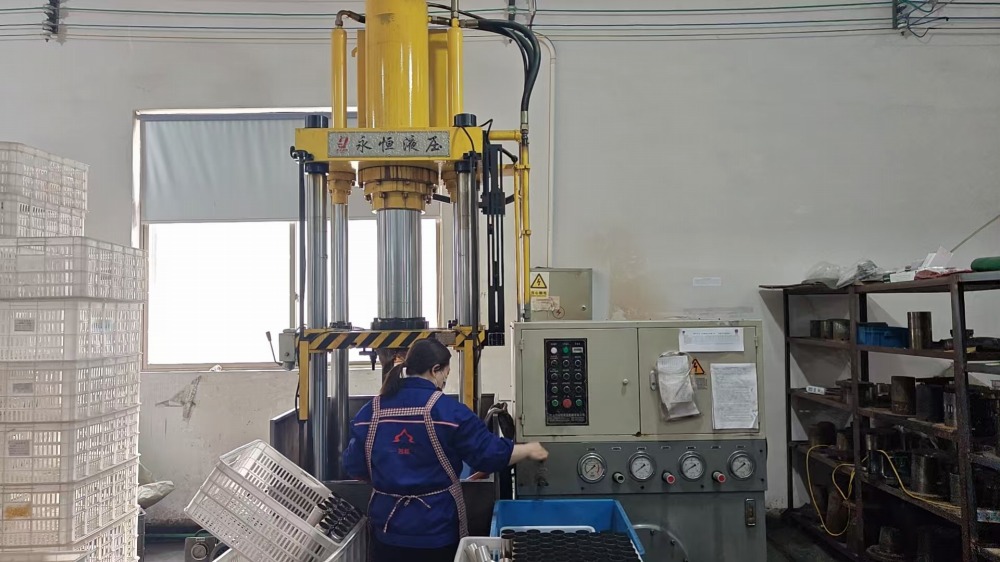
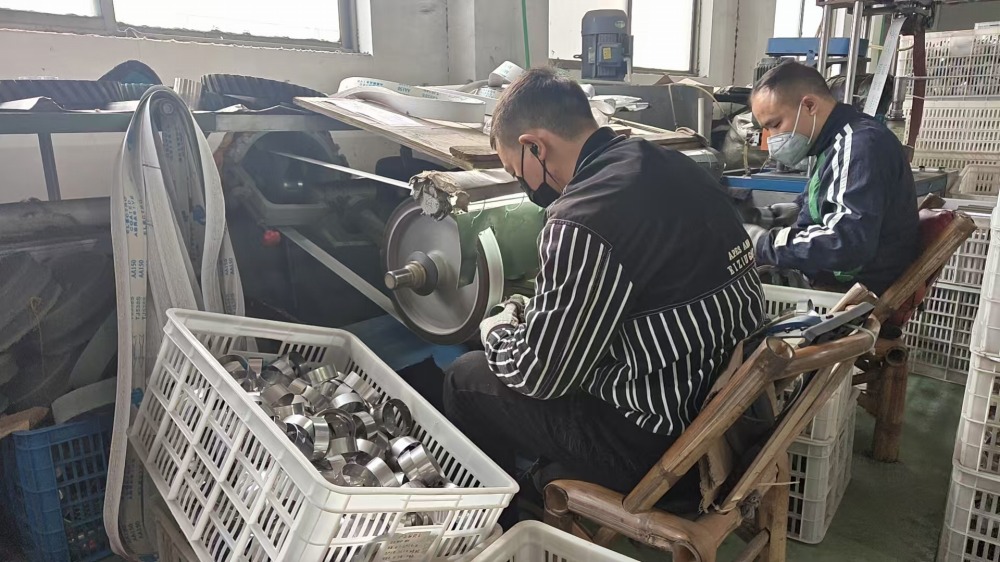
We do not outsource critical processes. From incoming raw material verification and precision plastic injection molding to CNC cutting, metal punching, fiber laser tube cutting, and specialized hydraulic bulging for stainless steel bodies, every stage is executed within our own facility.
In-House Reliability Testing Laboratory
Every production batch undergoes continuous verification in our internal testing lab: programmable salt-spray chambers to guarantee corrosion resistance, climate aging chambers, lithium battery charge/discharge cyclers, electrical voltage safety testers, and automated carton bursting testers.
Intertek Verified & EU Regulatory Compliance
Our plant is assessed on-site by Intertek. All electric models conform to CB scheme, CE, and RoHS directives, while our contact materials consistently comply with LFGB, EU 1935/2004, and FDA standards, protecting Slovak importers against regulatory impoundments.
Direct Insight: Key Manufacturing Lines & Equipment

Frequently Asked Questions by Slovak & Central European Buyers
Essential information regarding minimum orders, European food-contact compliance, custom branding, and shipping logistics into Bratislava.