Commercial & Retail Electric Grinder Portfolio
Tested for Berlin's HoReCa establishments, gourmet specialty distributors, and private label kitchenware retailers demanding corrosion resistance, USB-C rechargeability, and consistent particle dispersal.

- Heavy-Duty Metal Gearbox Assembly
- Zero Plastic Particle Contamination
- Industrial High-Torque Drive Motor
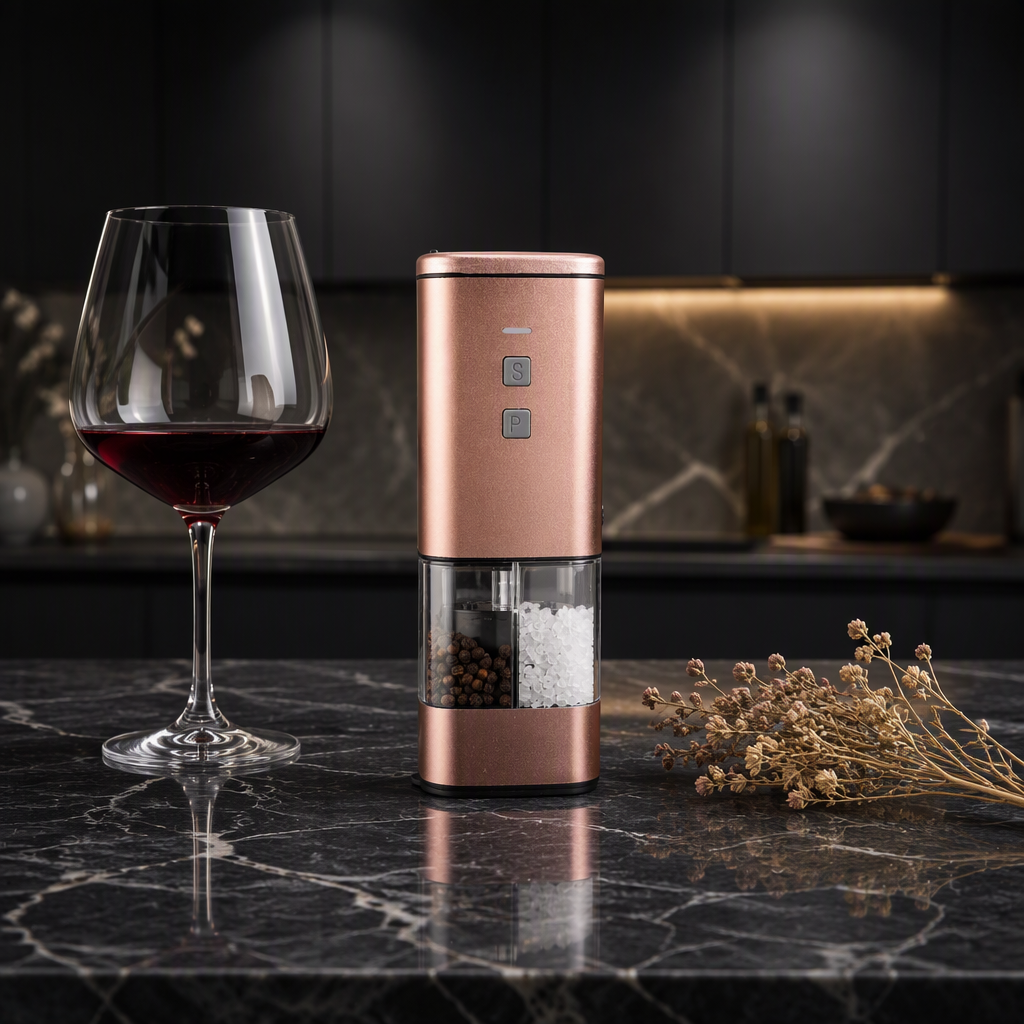
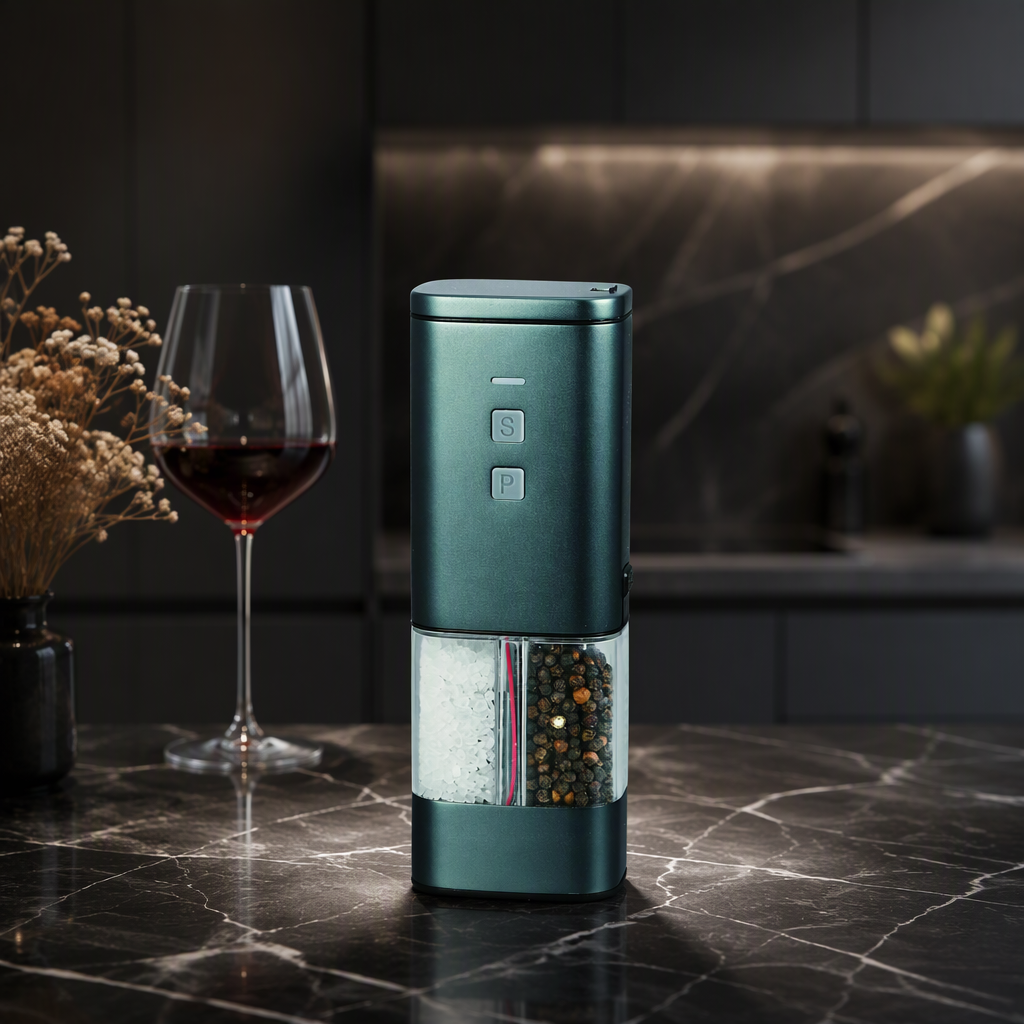
- Dual-Purpose Multi-Spice Chamber
- 100ml High-Capacity Reservoir
- Anodized Gold Matte Aluminum Finish
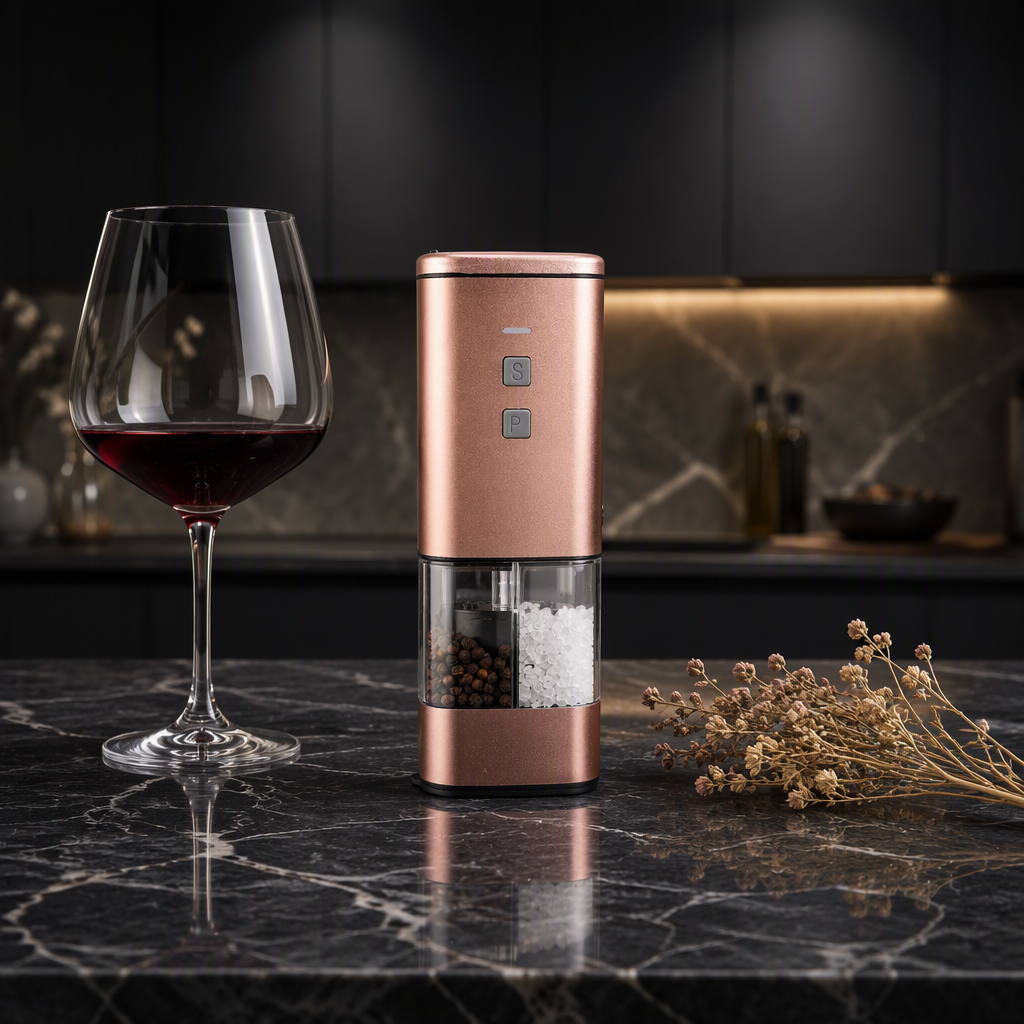
- Ergonomic Soft-Touch Housing
- Professional Catering High-Yield Core
- Rapid Coarseness Selector Dial
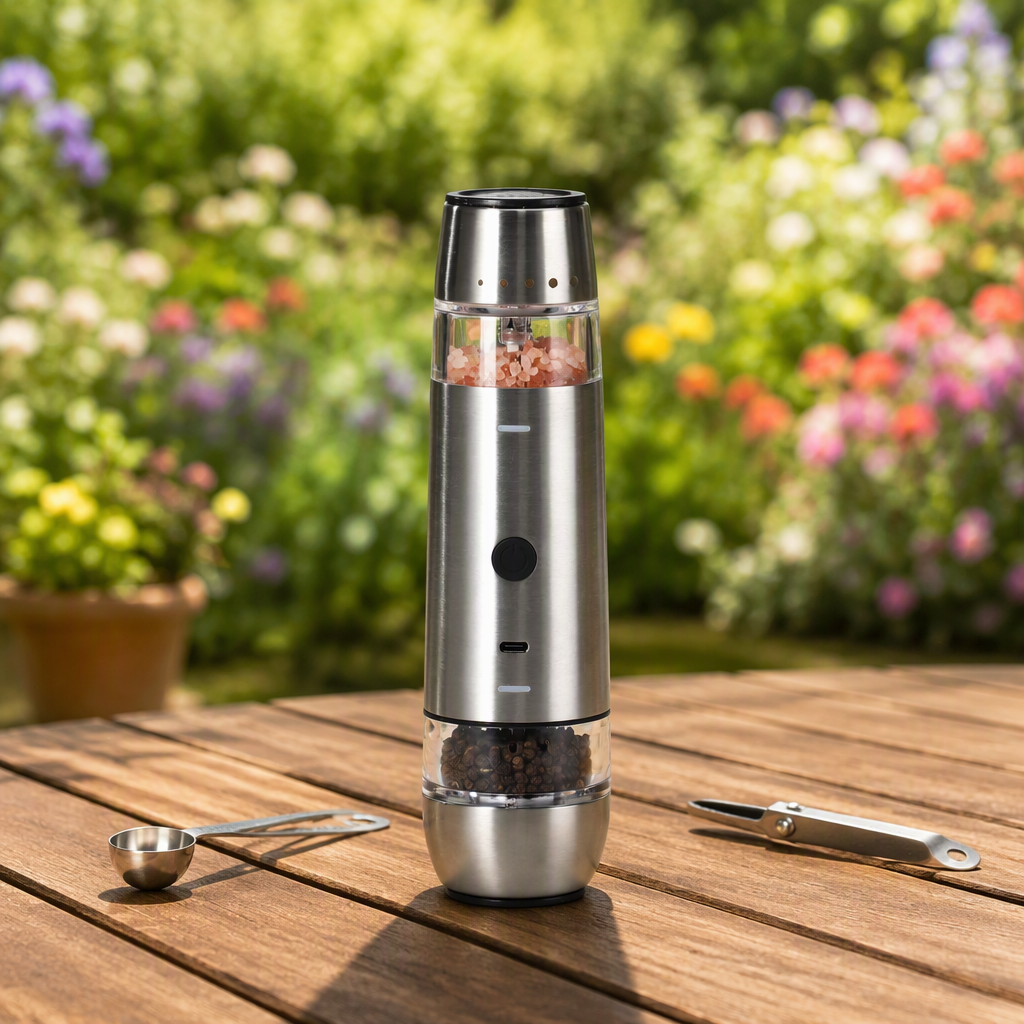
- Adjustable Micro-Step Ceramic Core
- High Efficiency Power Management
- Complete Private Label Customization
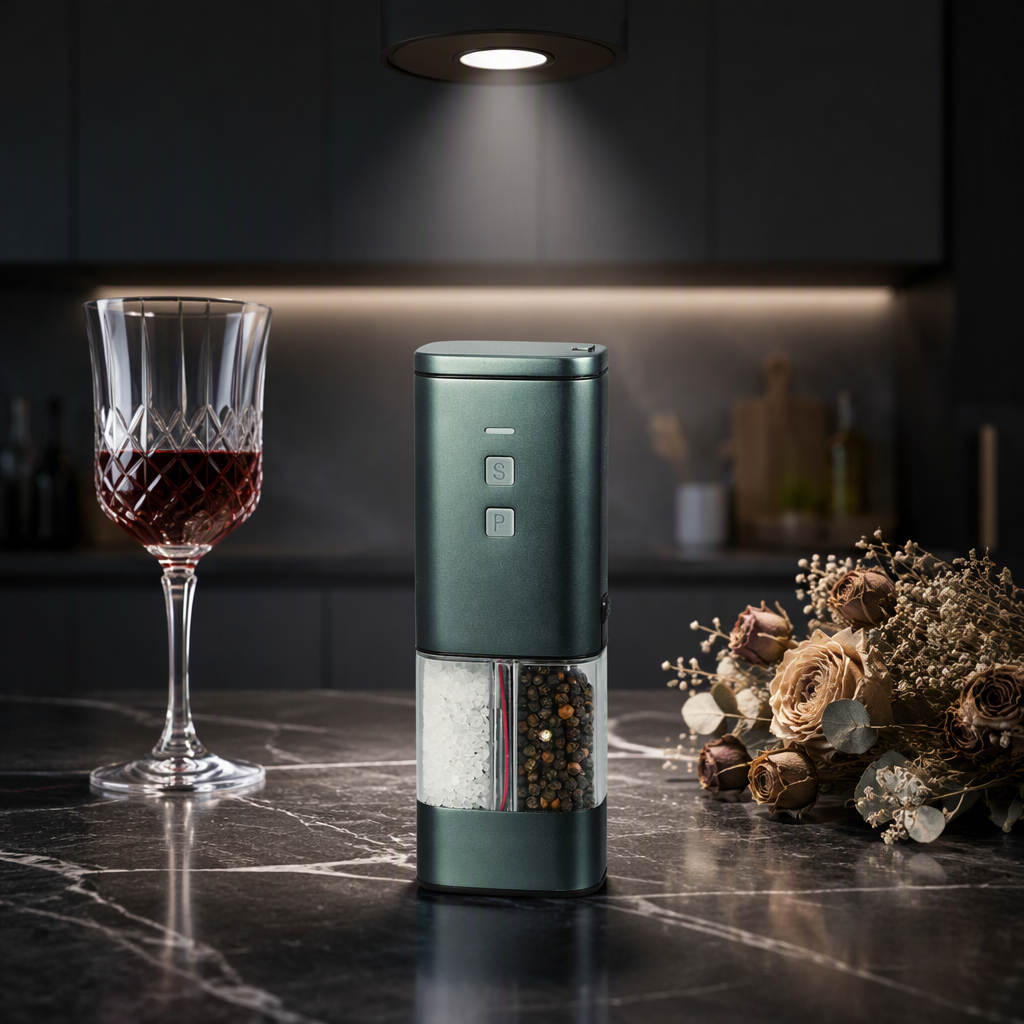
- Tilt-to-Activate Gravity Gyroscope
- Electroplated Copper Stainless Shell
- Integrated Blue LED Task Light

- Universal USB-C Fast-Charging Circuit
- 1200mAh Grade-A Li-Ion Battery Cell
- Elegant Gold Anodized Luxury Line

- Single-Touch One-Hand Activation
- Non-Corrosive Ceramic Milling Rotor
- High Cost-Efficiency Tier for Retail
- Contact Pin Charging Dock Station
- Paired Dual Set for Rock Salt & Pepper
- Modern Tabletop Aesthetic Display
The Technological Evolution of Rechargeable Salt & Pepper Mills in Berlin's Culinary Ecosystem
In Berlin's diverse gastronomic landscape—spanning the avant-garde, Michelin-starred establishments of Mitte to high-turnover artisan bistros in Kreuzberg and Prenzlauer Berg—culinary hardware is subject to punishing standards. Kitchen appliances and tabletop grinding equipment are no longer viewed merely as passive containers; they are integral instruments of kitchen velocity, operational hygiene, and flavor precision. Sourcing directors, retail buyers, and kitchenware brand distributors across the Berlin-Brandenburg metropolitan region are actively transitioning away from traditional disposable battery models and manual hand-crank pepper mills. The market imperative has shifted distinctly toward USB-C lithium-ion rechargeable grinding systems featuring zero-corrosion ceramic conical burrs.
This technical transition is driven by two unyielding factors: operational cost reduction and Germany's aggressive packaging and battery waste management directives (such as the BattG—German Battery Act implementing EU Directive 2006/66/EC). Commercial hospitality venues in Berlin running three-shift kitchens burn through standard AA or AAA dry-cell alkaline batteries at an alarming rate, compounding recurring overhead costs while introducing battery leakage risks in high-humidity kitchen prep zones. Zhejiang BMDEV Plastic Industry Co., Ltd. addresses this operational bottleneck by engineering rechargeable spice grinding engines that combine high-density 3.7V/1200mAh-1600mAh cells with industrial-grade micro-planetary gearmotors. The result is an electro-mechanical mill delivering 1.8 N·m of continuous grinding torque, chewing effortlessly through hyper-dense Tellicherry black peppercorns, dehydrated Allium crystals, and unrefined pink Himalayan mineral salt blocks without mechanical stall or thermal degradation of volatile essential oils.
Localized Applications: Engineering Mills for Berlin’s Multifaceted Market
A generic seasoning mill fails when placed under real-world German culinary workflows. As a dedicated OEM/ODM manufacturer exporting systematically across the European Union, BMDEV tailors each technical attribute to match distinct procurement tiers within Berlin:
High-Velocity Gastro Prep & Food Service
Berlin's vibrant gastro sector requires instant, one-handed seasoning during fast line service. Our gravity-activated models engage grinding the moment they are inverted, freeing chefs to stir, flip, or plate with the other hand. Sealed ceramic cores eliminate salt crystallization jams caused by ambient steam over simmering stock pots.
E-Commerce & German Retail Brands
Leading private-label brands selling on Otto, Amazon.de, or brick-and-mortar retail shelves demand gift-ready aesthetics and low return rates (RMA < 0.3%). BMDEV provides drop-tested luxury packaging, laser-etched custom logos, tactile metallic finishes, and dual-docking charging bases that serve as elegant kitchen centerpieces.
Eco-Conscious Urban Households
The Berlin consumer demographic places immense weight on durability and repairability. BMDEV's plastic-free internal drives and rechargeable lithium platforms completely eliminate the environmental footprint of non-reusable dry batteries, aligning seamlessly with the conscious lifestyle ethos of Friedrichshain and Charlottenburg.
Emerging Market Trends in the DACH Region (Germany, Austria, Switzerland)
Data-driven analysis of modern German housewares reveals three undeniable micro-trends shaping consumer procurement for 2025 and beyond:
1. Universal USB-C Standard Harmonization: Following the EU directive mandating USB Type-C charging ports for portable electronics, German buyers strictly reject proprietary charging pins or obsolete micro-USB interfaces. BMDEV has unified its entire electronic grinder catalog to support universal USB-C fast charging, incorporating overvoltage, overcharge, and thermal cutoff protection into every unit's PCB.
2. Contactless Dual Base Docks: Table-side presentation in modern German restaurants demands aesthetic order without tangled wires. Our dual-dock induction/contact charging stations allow both salt and pepper mills to maintain 100% capacity continuously, providing a clutter-free station for busy service buffets and dining tables.
3. Micro-Adjustable Ceramic Milling Without Particle Drift: Connoisseurs demand uniform coarseness—from ultra-fine dust for cold carpaccio sauces to cracked coarse peppercorns for pan-seared steaks. BMDEV's proprietary stepless spring-tension adjustment assembly guarantees zero drift during intense, high-vibration grinding sequences.
| Evaluation Parameter | BMDEV Commercial Specification | Conventional Market Standard | Strategic Advantage for Berlin Importers |
|---|---|---|---|
| Food Contact Certification | German LFGB § 30 & 31 & EU 1935/2004 Tested | Basic FDA or unverified generic plastic | Guaranteed customs clearance without regulatory seizure risks in Hamburg/Frankfurt. |
| Grinding Core Integrity | Alumina 95% High-Purity Ceramic Cone | Carbon steel or cheap polyoxymethylene | Complete rust immunity against humid sea salt; zero metal taste transfer. |
| Battery Safety Architecture | UN38.3, MSDS, CE/CB Certified Li-ion with Smart BMS | Uncertified 18650 cells without short-circuit circuit | Full air/sea freight insurability and seamless compliance with German BattG. |
| Motor Durability Rating | High-Torque DC Carbon Brush Motor (>50,000 cycles) | Standard consumer toy motor (<8,000 cycles) | Withstands commercial catering shifts with negligible failure or overheating. |
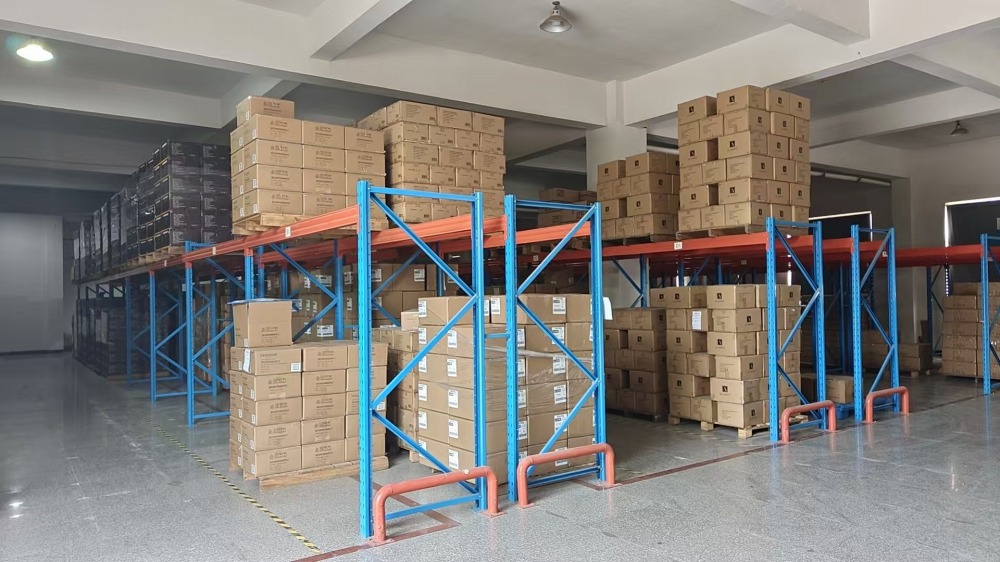
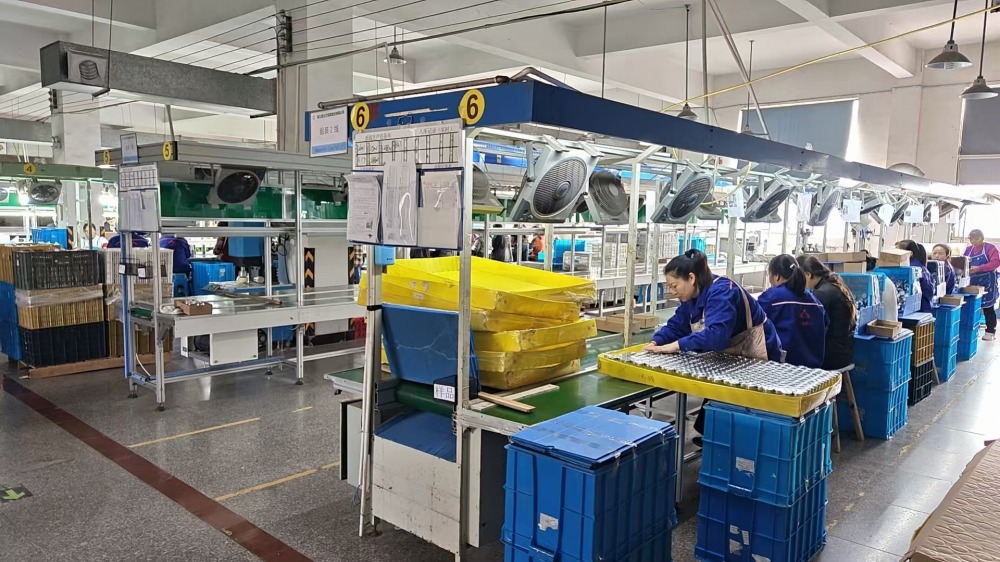
Vertically Integrated Manufacturing Facilities: 12,538 m² of In-House Precision
Unlike trading intermediaries, Zhejiang BMDEV Plastic Industry Co., Ltd. controls the complete manufacturing chain. From raw resin pellet drying, precision tooling, and injection molding to metal stamping, laser cutting, ultrasonic welding, and cleanroom assembly—nothing is subcontracted to unverified third parties.

Intertek Verified
Audited on-site for social, physical, and quality production capabilities.
In-House QC Lab
Salt-spray corrosion, battery cycle, and carton burst strength validation.
Rapid Sampling
Functional 3D prototypes in 5 days; branded tooling samples in 15 days.
Full OEM/ODM
Laser etching, bespoke pantone color matching, and custom gift box packaging.
EU Export History
Over two decades handling direct freight documentation to Hamburg and Rotterdam.
Frequently Asked Questions: Sourcing Salt & Pepper Grinders for Berlin
How do you guarantee German LFGB food contact compliance?
Every batch of ceramic burrs, stainless steel chambers (grades 304/316), and food-grade acrylic or Tritan windows undergoes strict leaching tests for heavy metals and primary aromatic amines. We provide batch-specific LFGB and RoHS test certificates issued by internationally accredited laboratories (such as SGS or TÜV) to ensure frictionless import audits by German customs authorities.
What is your minimum order quantity (MOQ) for German private labeling?
For custom laser logo engraving on stock anodized stainless steel shells, our flexible program starts at just 500 units per colorway. Full custom ODM projects—including bespoke injection molds, unique ergonomic profiles, custom LED backlight colors, and tailored retail packaging printed in German—typically require an MOQ of 1,000 to 2,000 units.
Why is a high-grade ceramic core superior to stainless steel for salt grinding?
Sodium chloride (rock salt, sea salt, Himalayan salt) chemically oxidizes and corrodes stainless steel burrs over time, even high-grade alloys, causing burr seizure and rust specks in food. Our high-density alumina ceramic cones are chemically inert, impervious to corrosion, run cooler to preserve spice aromatics, and maintain diamond-sharp shearing edges across years of daily catering usage.
What are the standard freight and lead times from your factory to Berlin?
Standard production cycles run 30–35 days after final sample approval. For ocean freight to major European ports like Hamburg or Rotterdam, transit takes approximately 28–32 days, followed by direct bonded truck delivery to your central logistics hubs in Berlin or Brandenburg. For urgent seasonal promotions, consolidated rail freight (China-Europe Railway Express) or express air shipping is available.
Equip Your Berlin Brand With Direct Factory Pricing
Connect with BMDEV’s senior technical export team. We provide instant DDP pricing, comprehensive LFGB lab documentation, CAD model evaluations, and sample dispatch within 48 hours.