Rechargeable

Engineered for high mechanical endurance, energy independence, and resistance to coastal ambient humidity. Designed for private restaurants (paladares), boutique hospitality accommodations, and high-frequency culinary use.
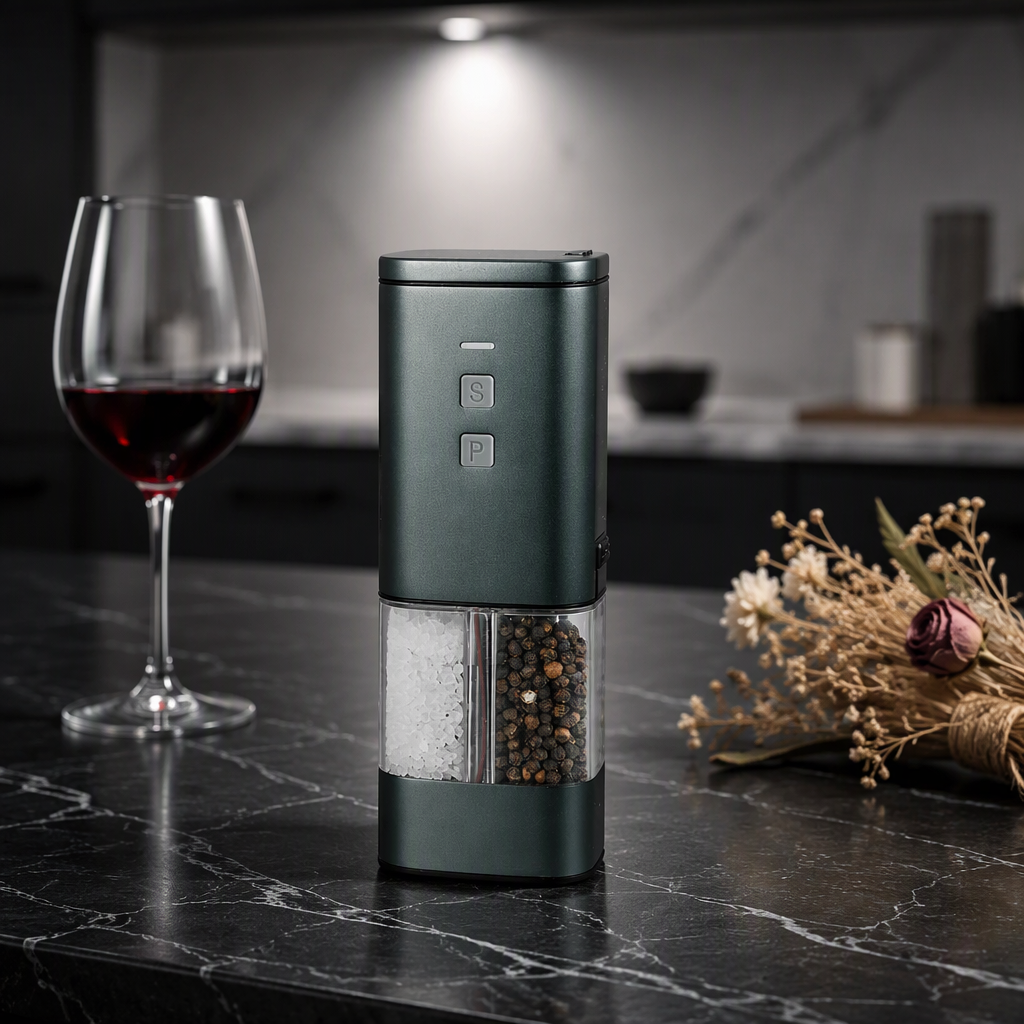

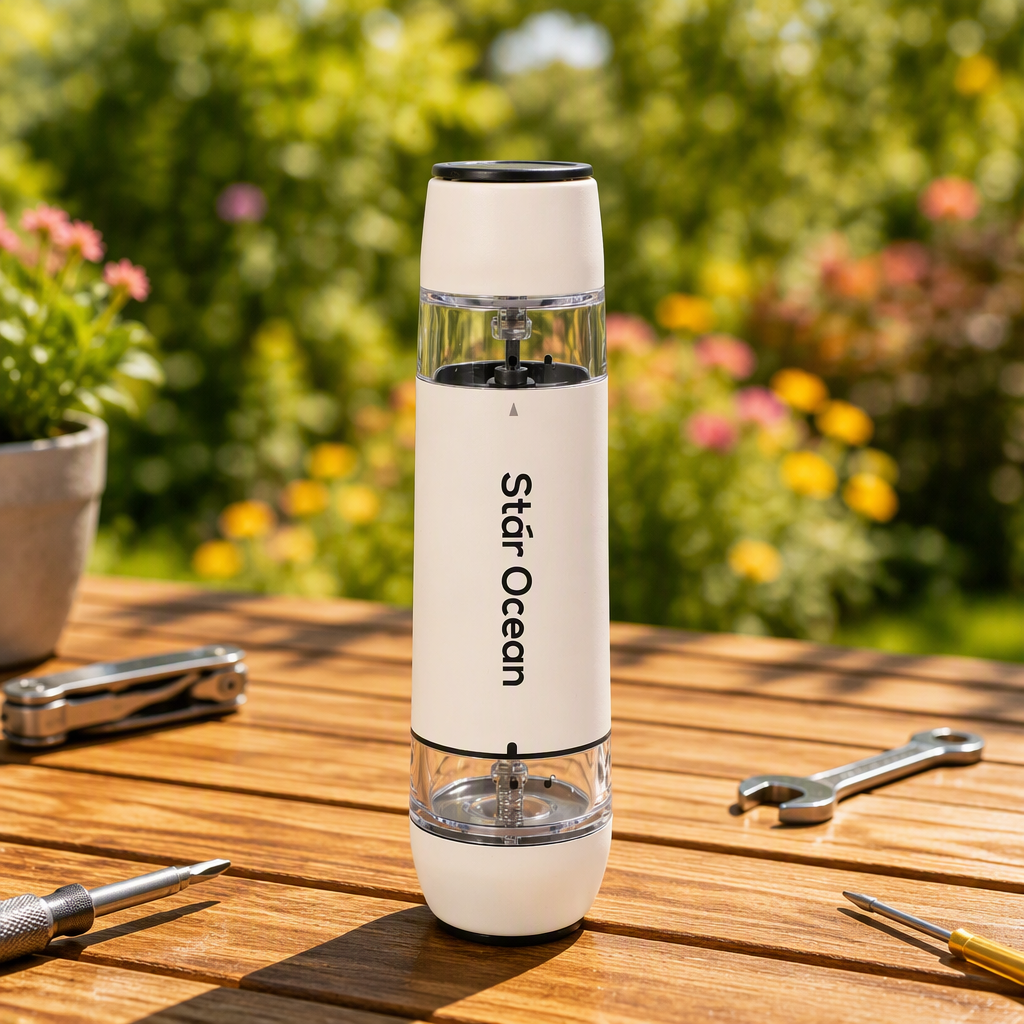



In the Republic of Cuba, coffee consumption is deeply woven into national identity and daily social interaction. From the potent morning cafecito brewed in a classic moka pot (*cafetera italiana*) to the shared mid-afternoon colada in Havana’s bustling administrative centers, coffee preparation demands precise extraction parameters. Historically, Cuban coffee culture leverages rich, darkly roasted beans—traditionally harvested from the fertile slopes of the Sierra Maestra and Sierra del Escambray mountains (featuring varietals such as Typica, Bourbon, and Caturra known commercially as *Crystal Mountain* and *Serrano Superior*).
However, the macroeconomic, geopolitical, and energy realities of modern Cuba impose distinct structural constraints on commercial kitchens, state-run tourism entities, and private entrepreneurs (cuentapropistas and registered Mipymes). In regions spanning Old Havana (Habana Vieja), Matanzas, Cienfuegos, and Santiago de Cuba, frequent municipal electrical grid load-shedding and localized power fluctuations create operational friction for purely electrical grinding devices. A restaurant or bed-and-breakfast (*casa particular*) that relies entirely on motorized grinders risks sudden work stoppages during peak tourist service hours.
B2B Market Reality: In Caribbean tropical markets with intermittent power distribution, a manual coffee grinder is not merely a lifestyle accessory—it serves as mission-critical culinary infrastructure. It guarantees continuous hospitality operations, zero electrical downtime, and pristine extraction uniformity without heating the coffee grounds during the milling cycle.
Consequently, professional procurement agents for Cuban hotel conglomerates (such as Gaviota, Gran Caribe, and Cubanacán) alongside independent hospitality proprietors are actively prioritizing heavy-duty, manual conical burr grinders. The commercial goal is twofold: achieving fine-to-medium particle consistency essential for pressure-driven moka extractions, while eliminating electrical vulnerability through durable, precision hand-crank mechanisms.
Supplying manual coffee and seasoning grinders to the Cuban archipelago requires engineering tolerances that far exceed standard continental household requirements. With an average relative humidity regularly surpassing 80% and continuous atmospheric exposure to marine airborne chlorides (salt fog) along Cuba's 5,746 kilometers of coastline, standard consumer-grade kitchenware suffers rapid oxidative degradation, metallurgical pitting, and burr seizing.
Our manual grinders utilize 95% high-density Alumina (Al2O3) ceramic conical cores sintered at 1,650°C. Unlike carbon steel blades, ceramic burrs are chemically inert, completely immune to rust, and will not oxidize when exposed to high-humidity coastal atmospheres. Furthermore, ceramic maintains a lower thermal transfer coefficient during manual operation, preserving the delicate volatile oils of Cuban dark roasts.
Structural body tubes, crank levers, and central drive shafts are formed from authentic austenitic AISI 304 (18/8) stainless steel. Manufactured using our in-house hydraulic bulging and laser-cutting equipment, every metal component is polished and passivated to create an impenetrable chromium-oxide protective layer that reliably withstands salt spray test parameters.
To eliminate burr wobble—the primary cause of uneven particle sizing and excessive fines in hand grinders—BMDEV implements a dual-bearing stabilization architecture. Two stainless steel ball bearings secure the center shaft at both ends of the chamber, guaranteeing absolute concentricity even under heavy manual cranking torque.
| Component Specification | Standard Market Mills | BMDEV Industrial Standard (Serving Cuba) | Operational Impact in Tropical Climates |
|---|---|---|---|
| Burr Core Material | Stamped carbon steel or basic plastic | High-purity Al2O3 sintered conical ceramic | Zero Rust / Zero Static Friction |
| Housing Construction | Low-grade aluminum or recycled ABS | Heavy-gauge AISI 304 stainless & reinforced acrylic | Corrosion-Proof Salt Spray >96 hrs |
| Drive Shaft Stability | Single-point unguided bushing | Dual-bearing machined stainless drive rod | Precise Moka Particle Consistency |
| Sealing & Storage | Open hopper or friction-fit cap | Aroma-lock silicone ring & airtight glass chamber | Moisture Blocking in 85%+ Humidity |
| Energy Independence | Dependent on AC power or micro-USB | 100% Manual mechanical hand-crank design | 100% Operational During Blackouts |
Understanding the exact points of consumption and commercial utilization enables overseas distributors and Cuban procurement agents to select the precise SKU portfolio required.
In gastronomic clusters such as Havana's Vedado and Miramar, independent *paladares* serve international clientele who demand artisanal freshness. Manual grinders allow barista staff to grind single-origin Cuban beans to order right at table-side, turning preparation into a visual performance while insulating the business from sudden power cuts.
International resort destinations in Varadero, Cayo Santa María, and Guardalavaca equip VIP villas and breakfast suites with manual coffee mills and matching stainless salt/pepper sets. This provides luxury travelers with tactile culinary autonomy, reducing maintenance calls for broken motorized hotel appliances.
Eco-lodges and rural coffee fincas across the Viñales Valley and Escambray mountains promote authentic agricultural heritage. Rugged wood and stainless hand grinders allow visitors to manually crack freshly roasted, sun-dried beans harvested directly from local cooperatives, offering complete off-grid reliability.
With the expansion of authorized private micro, small, and medium-sized enterprises (*Mipymes*) across provincial capitals, imported high-quality kitchenware is in acute demand. Compact manual grinders and dual spice mills represent fast-moving consumer durables for household gift and home improvement retailing.
The procurement landscape within Cuba is undergoing its most significant structural evolution in decades. Understanding these trade dynamics is vital for overseas trade consolidators, Panama Colon Free Zone distributors, and state import entities (such as CIMEX, TRD Caribe, and ITH):
1. Decentralization of Foreign Trade Inquiries: Under recent regulatory frameworks (such as Decree-Law 46), registered Cuban *Mipymes* can directly contract authorized state import-export entities to purchase containerized goods from overseas manufacturers. This development has triggered a surge in direct OEM inquiries to verified factories in China, bypassing multi-tiered markups from third-party European intermediaries.
2. Consolidation of Dual-Purpose Kitchen Hardware: Importers serving the Caribbean region are increasingly combining shipments of manual coffee grinders with matching salt and pepper mills and rotating spice racks. Utilizing unified injection molding color schemes and matching AISI 304 brushed stainless steel aesthetics enables brands to capture higher retail margins while optimizing 20GP/40HQ shipping container cube utilization.
3. Resilience Over Complexity: In evaluating product lifespan, Cuban consumers and commercial buyers systematically penalize products with complex, irreplaceable electronic circuit boards or fragile proprietary charging ports. High-grade mechanical simplicity—featuring modular disassembly where burrs, springs, and wash rings can be replaced independently—serves as the primary buying criteria.
Verified on-site by Intertek. Over 23 years of specialized precision engineering in manual coffee grinders, electric mills, and kitchen spice organization systems.

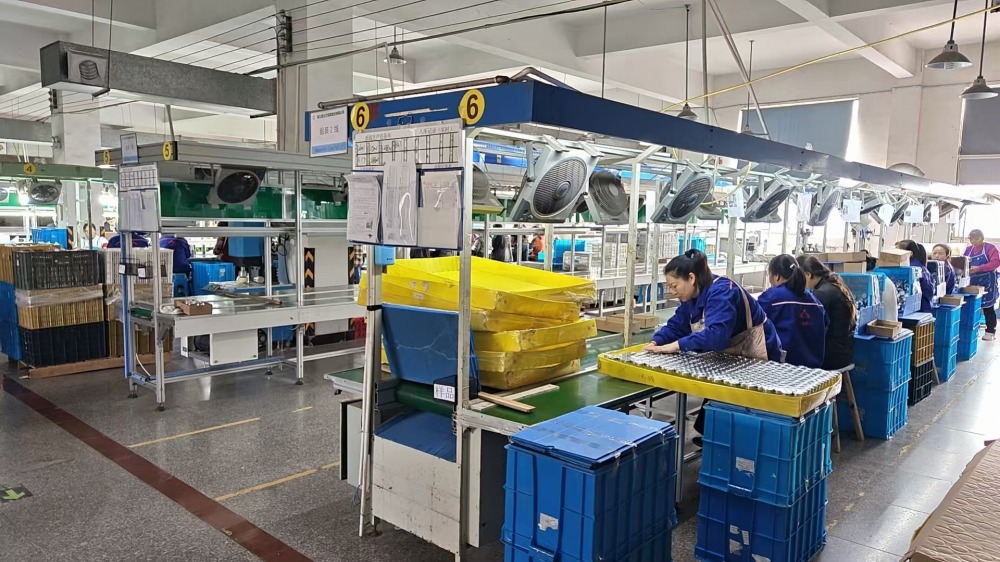
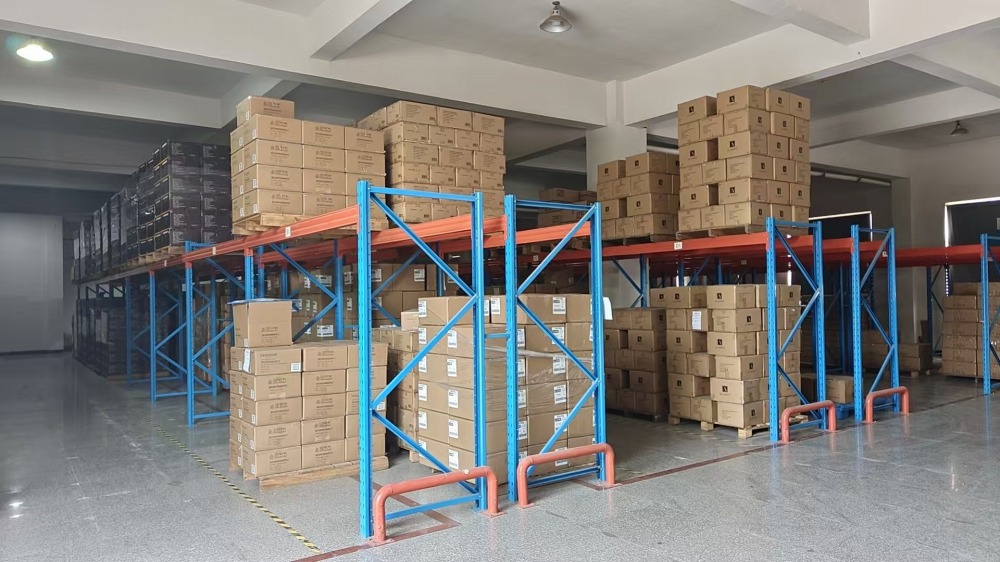
Unlike sourcing intermediaries or assembling workshops, BMDEV executes complete vertical production under one roof. Located in Tongqin Town, Zhejiang, our campus incorporates raw plastic injection molding, automated metal stamping, laser tube cutting, hydraulic bulging (crucial for seamless grinder metal bodies), surface polishing, and rigorous inline inspection.
Because every metal and polymer component is fabricated internally, we control dimensional tolerances down to ±0.02mm. This eliminates spindle wobble and guarantees long-term burr concentricity across hundreds of thousands of units shipped annually to North America, Europe, and Latin America.
Kitchen hardware bound for Cuba and the Caribbean must pass extreme environmental stress testing prior to export release.

Salt Spray Chamber
Continuous ASTM B117 salt fog validation ensuring zero corrosion on all stainless steel fittings.
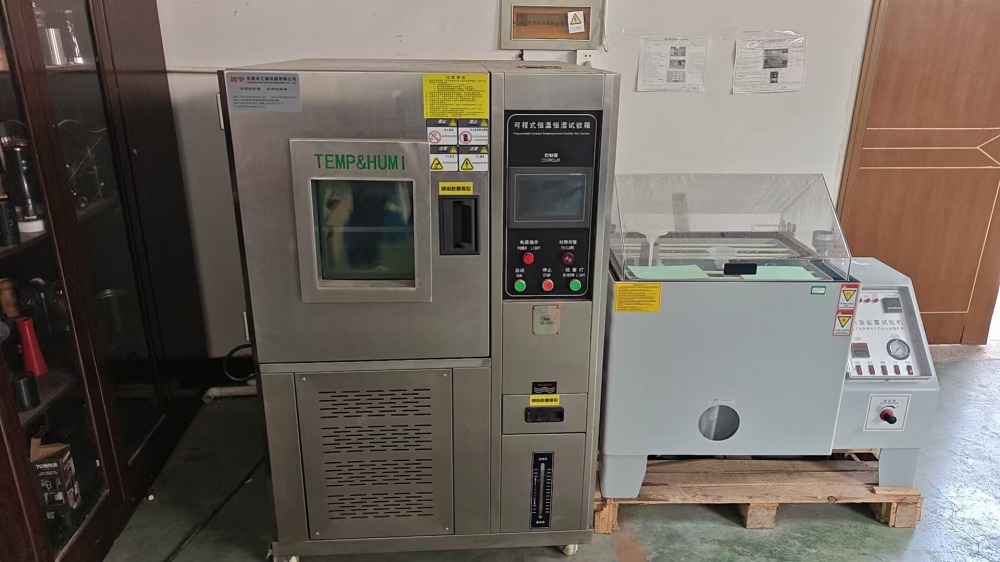
Climate Aging Chamber
Thermal shock and high-humidity stress cycling simulating extreme Caribbean weather.

Battery Cycle Tester
For rechargeable models: strict capacity retention and discharge safety verification.
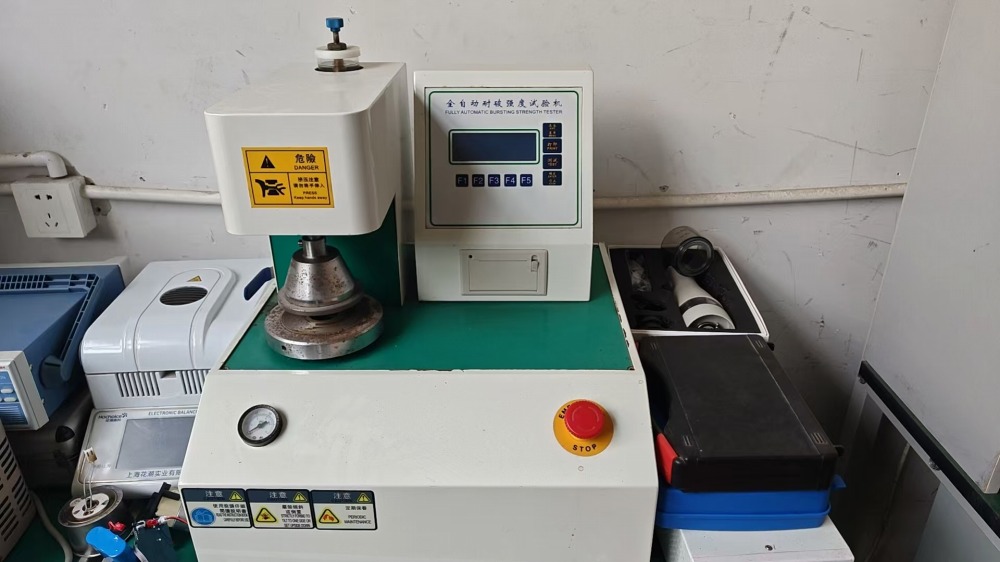
Carton Bursting Tester
Ensuring double-corrugated export packaging survives trans-oceanic shipping transfers.
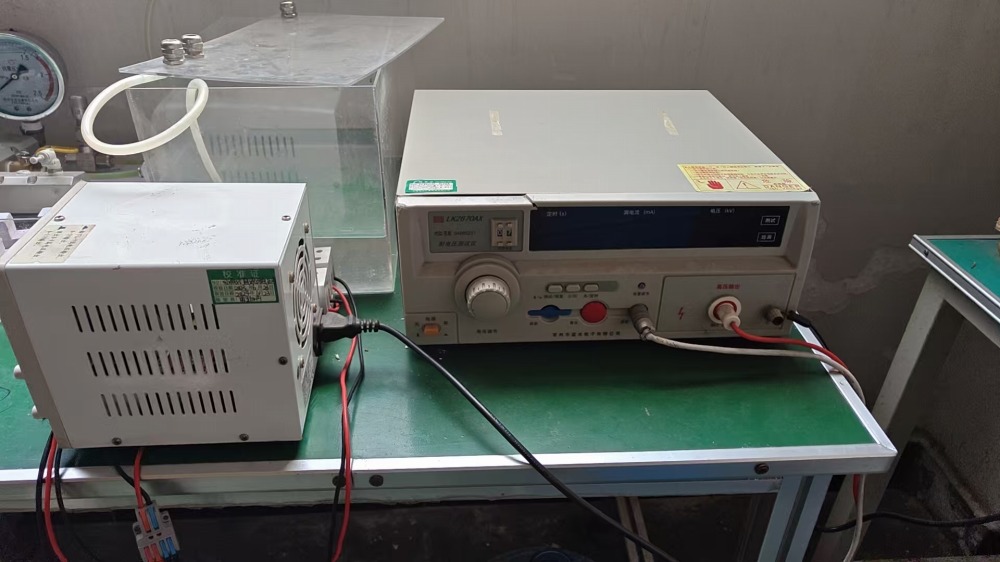
Voltage Endurance Tester
Complete electrical safety screening matching international CB and CE directives.
Clear, direct answers regarding logistical execution, regulatory compliance, payment channels, and technical customizations.
Connect with our overseas engineering and export team. Receive comprehensive OEM product catalogs, container packing specifications, and FOB/CIF quotation matrices tailored for Cuba and the Caribbean region.