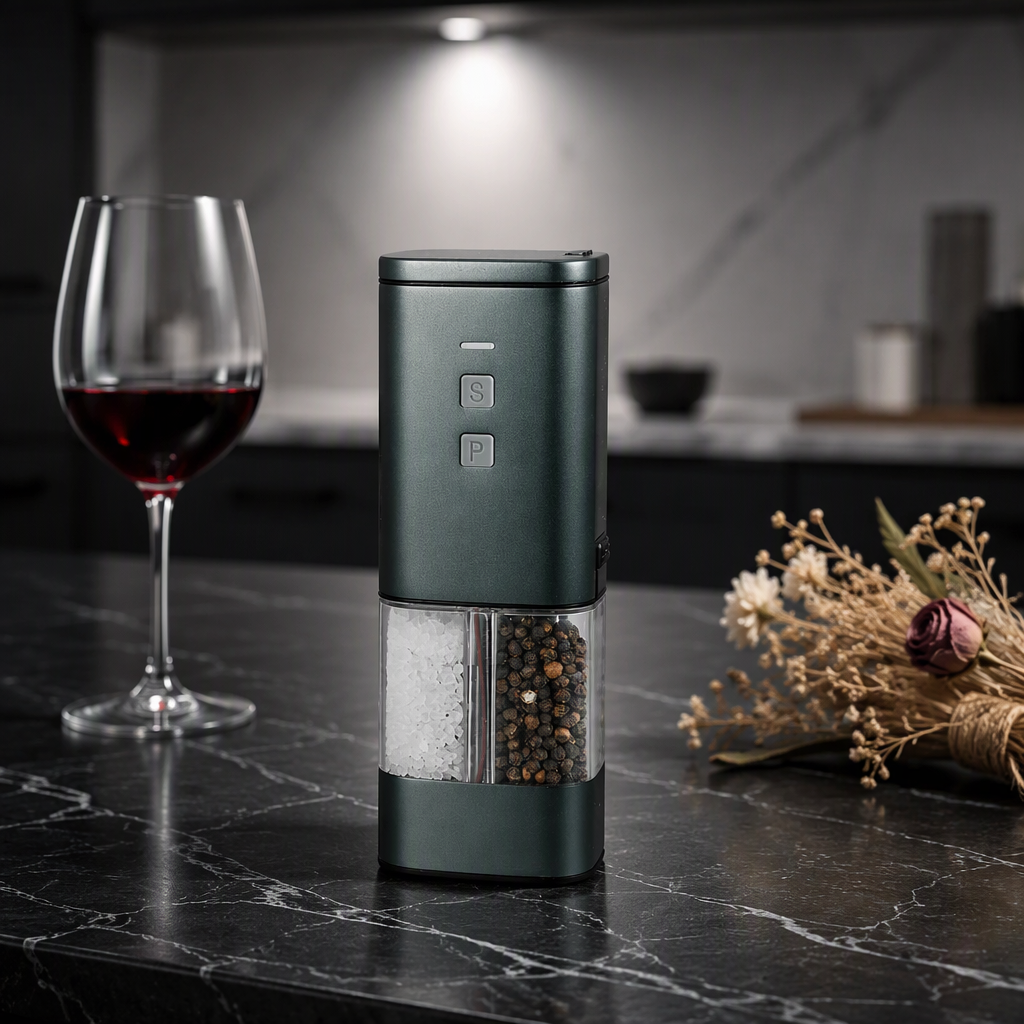
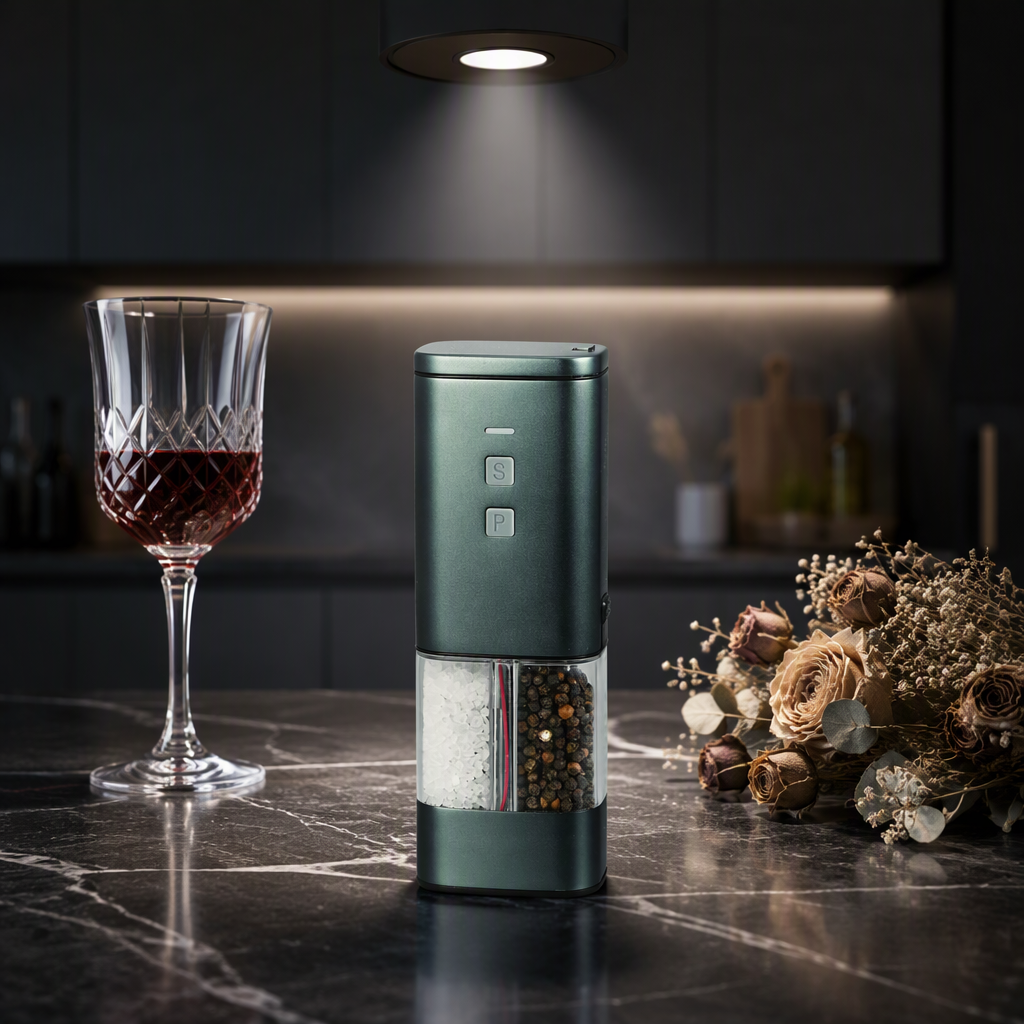
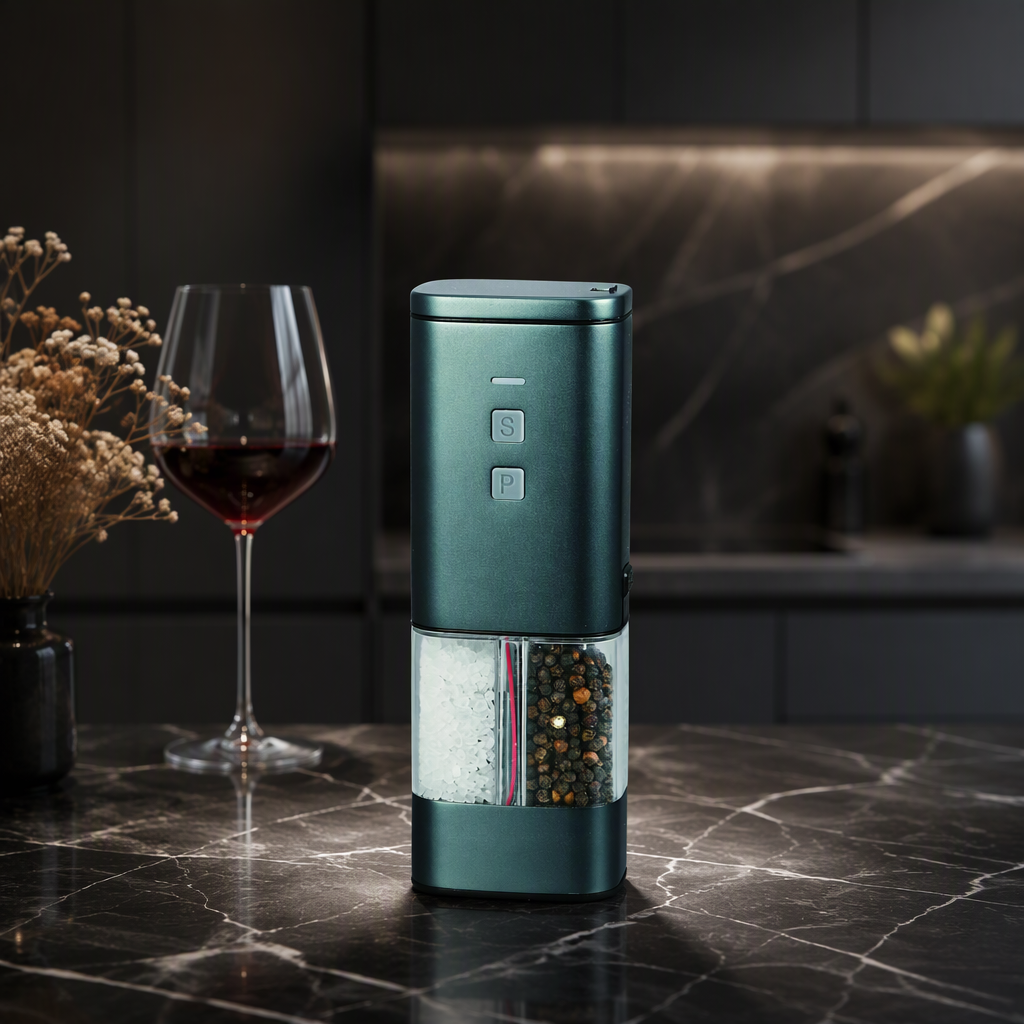
Adjustable Electric Pepper & Salt Grinder with Ergonomic Body
- Coarseness Stepless Adjustment
- High-Torque DC Motor
Engineered to satisfy commercial durability benchmarks and culinary accuracy, our core catalog bridges modern high-torque micro-motors with ultra-wear-resistant grinding assemblies.

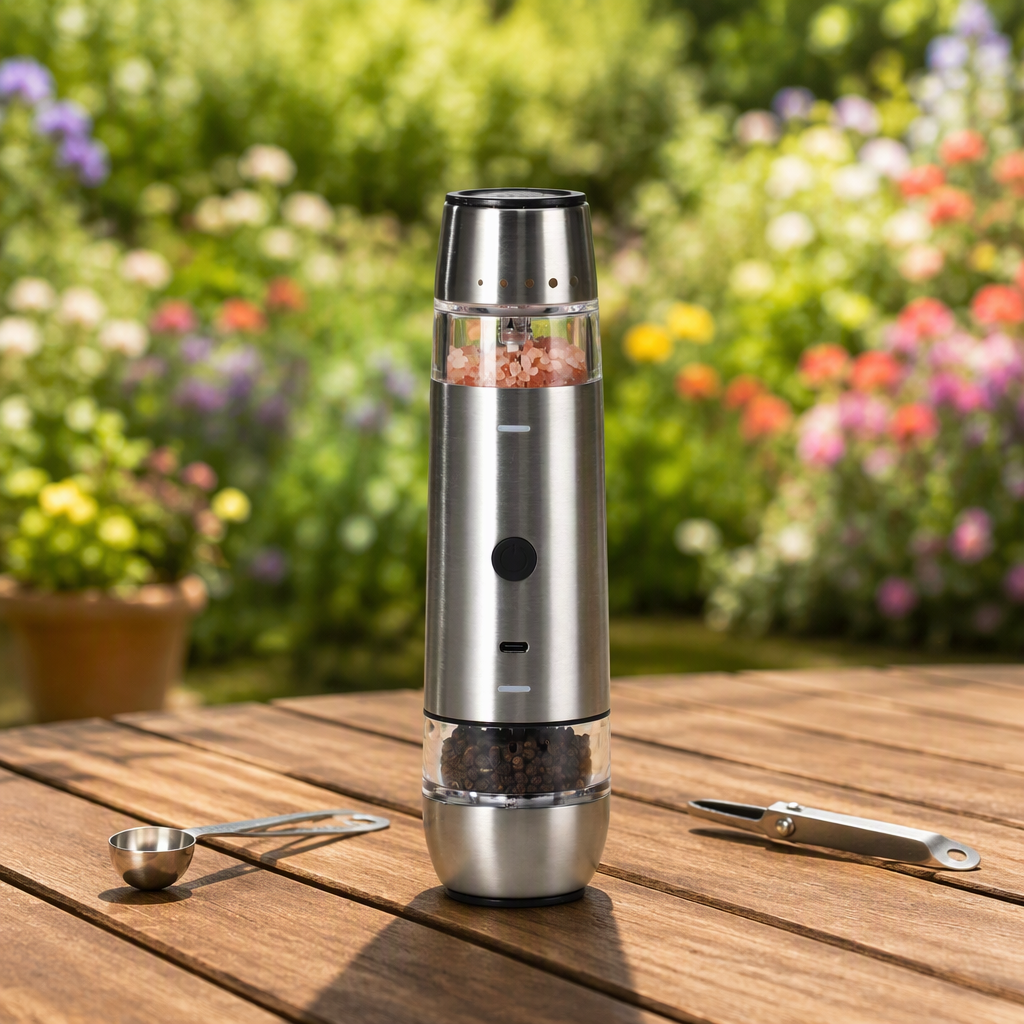

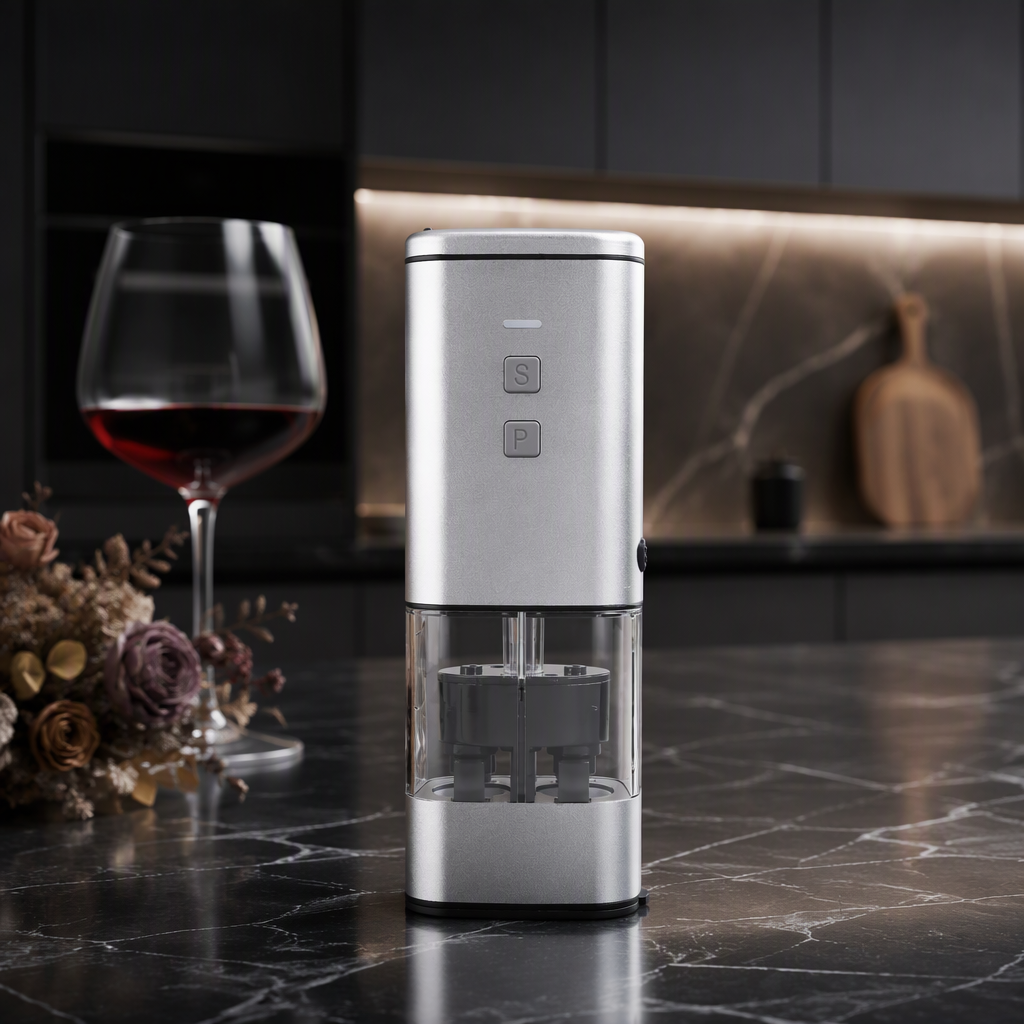
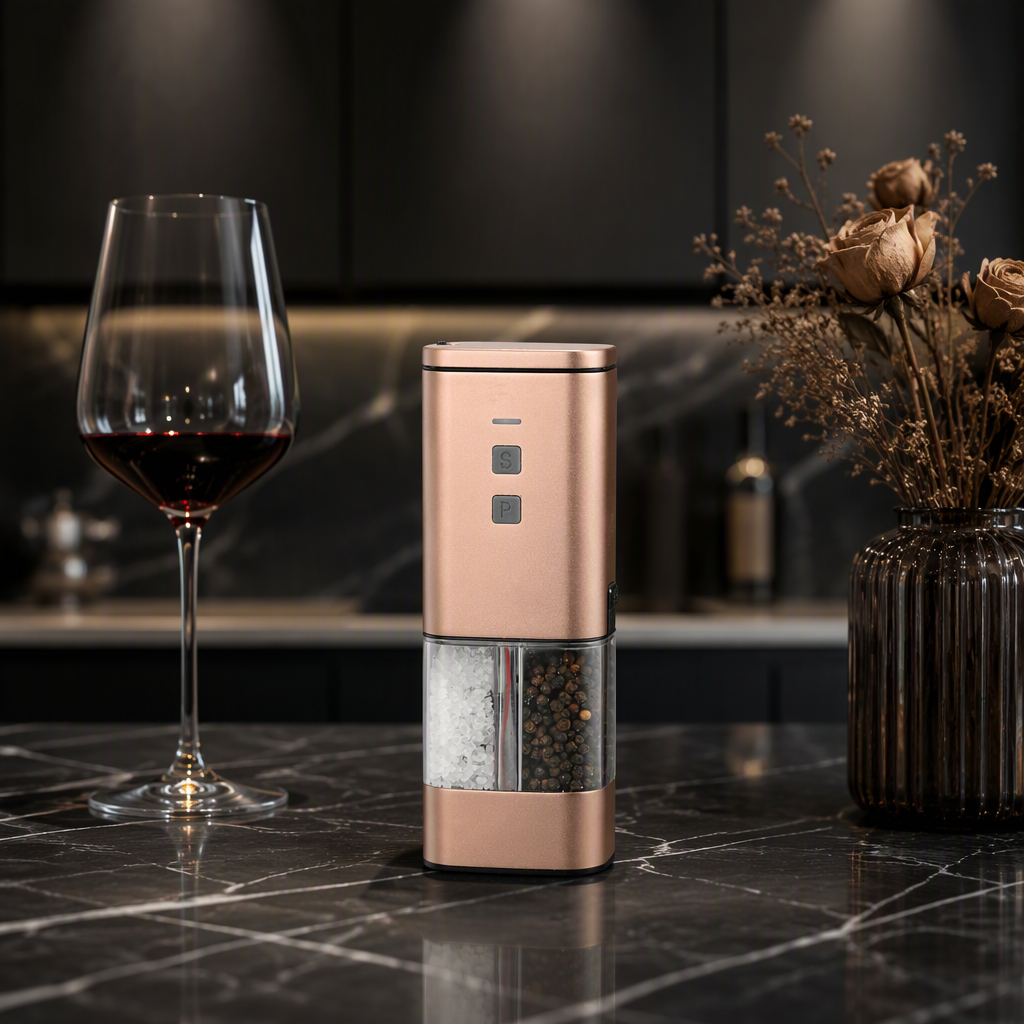
A technical white paper on grinding thermodynamics, flour-fine extraction dynamics, and private-label retail growth in Sarajevo, Banja Luka, Mostar, and Tuzla.
In Bosnia and Herzegovina, coffee is not merely a beverage; it is an enduring socio-cultural institution rooted deeply in centuries of Ottoman heritage. Preparing traditional Bosnian coffee (Bosanska kahva) demands a physical grind profile vastly distinct from standard European espresso, moka, or filter preparations. While espresso calls for a particle size between 200 and 250 microns, true traditional preparation requires an ultra-fine, powder-like flour consistency typically ranging from 75 to 120 microns.
Historically, this arduous task fell upon the traditional manual brass cylinder grinder (mlin). However, dynamic shifts across urban hospitality venues in Sarajevo's Baščaršija and domestic kitchen rituals throughout the Federation and Republika Srpska have sparked an unprecedented demand for modernized, electric, and high-efficiency portable mini coffee grinders. Engineering an OEM device capable of achieving true flour-grade fineness without scorching the delicate aromatic oils of light-to-medium roasted beans poses immense mechanical challenges: rapid thermal dissipation, burr concentricity, and steady torque under dense resistance.
Planetary gear reductions operating below 250 RPM retain delicate floral chlorogenic acids in high-altitude arabica beans, preventing heat degradation during prolonged micro-milling runs.
Diamond-honed conical ceramic burrs generate a bimodal particle distribution that allows dense suspended crema formation within traditional copper džezva pots.
Dual-stabilized 420 stainless steel central drive shafts eliminate burr wobble, holding axial tolerances within ±0.015mm even under heavy continuous load.
While legacy habits anchor deeply in households, Bosnia and Herzegovina’s urban landscapes are witnessing rapid transformation driven by three macroeconomic currents:
Importing electro-mechanical kitchen tools into Bosnia and Herzegovina requires navigating strict customs parameters, market inspection regulations, and specific electrical consumer expectations. B2B procurement professionals must examine three primary architectural facets before issuing letters of credit:
A. Thermal Retention in Sub-Compact Housings: Conventional blade-based grinders generate rotational speeds above 15,000 RPM, frictionally baking the grinds within 8 seconds. For the Bosnian palette, burnt oils ruin the subtle sweetness of kahva. OEM buyers must verify that motors utilize multi-stage gear reductions or opt for ultra-hard conical ceramic burrs running at controlled rotational velocities.
B. Compliance with BAS Standards & EU Transposition: Bosnia and Herzegovina aligns its technical safety frameworks directly with European Directives. Grinders must pass CE, CB Scheme (IEC 60335-1 and IEC 60335-2-14), RoHS, and stringent food-contact testing (LFGB / EU 1935/2004). Ensuring zero heavy-metal leaching from plating processes (such as our electrophoretic gold and INOX polishing) protects brands from severe border confiscations by state regulatory bodies.
C. Motor Stalling Under Heavy Roasts: Lightly roasted, dense high-grown beans exert high torque resistance. Cheap DC motors experience sudden thermal cut-outs or gear stripping. Our custom OEM units feature intelligent anti-jam firmware that momentary reverses rotor rotation upon sensing foreign resistance, protecting both the gear teeth and battery cell longevity.
Operating a 12,538 m² manufacturing complex in Jinhua, Zhejiang, BMDEV directly controls raw material transformation through precision assembly, eliminating third-party subcontractor variance.

Assesses anti-corrosion endurance of stainless steel components and electroplated exterior finishes.
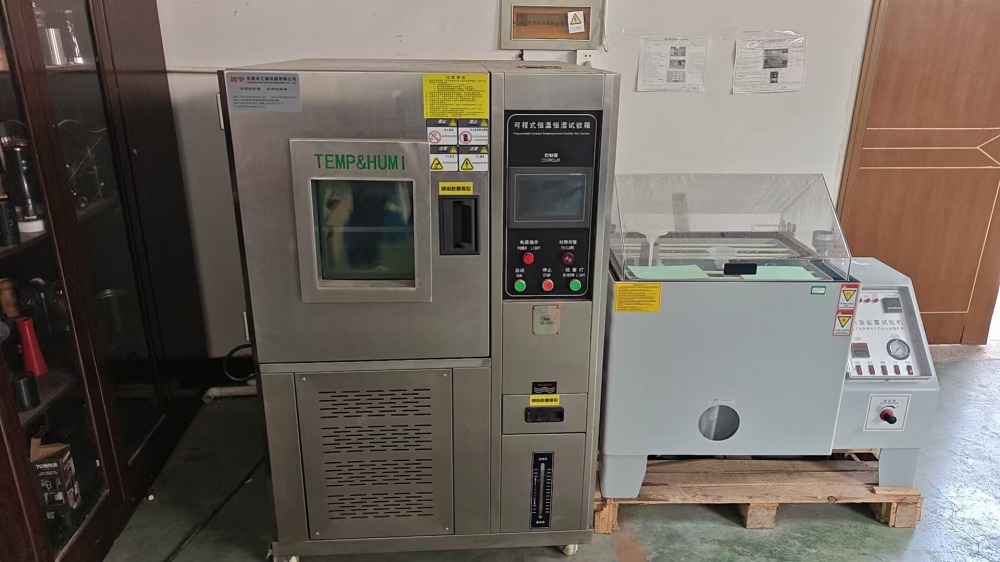
Subjecting electronics to extreme relative humidity and temperature cycles (-20°C to 70°C).

Measures dynamic discharge rates and validates overcharge safety across 500+ uninterrupted cycles.
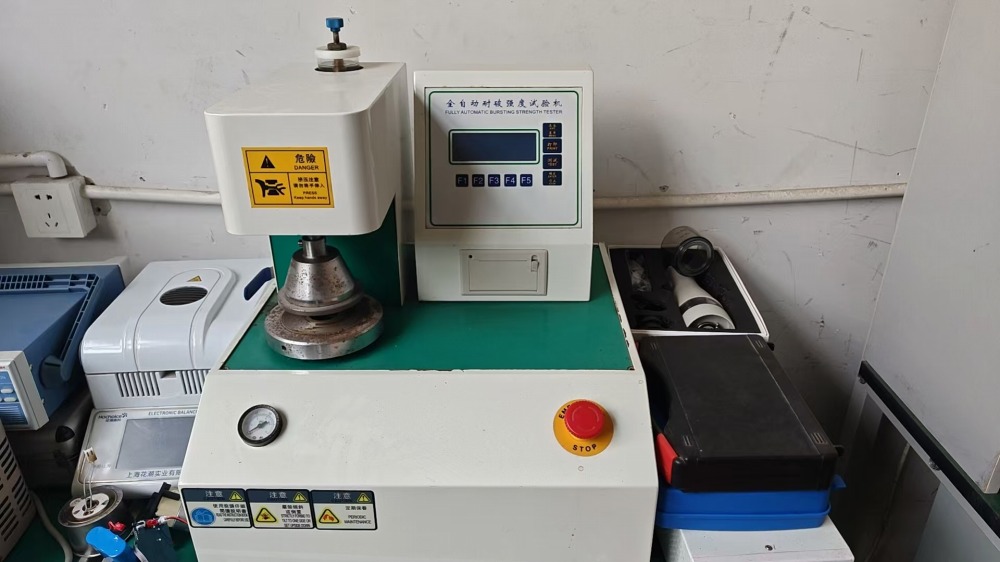
Guarantees multi-ply master corrugated cartons withstand long-distance maritime freight transit.
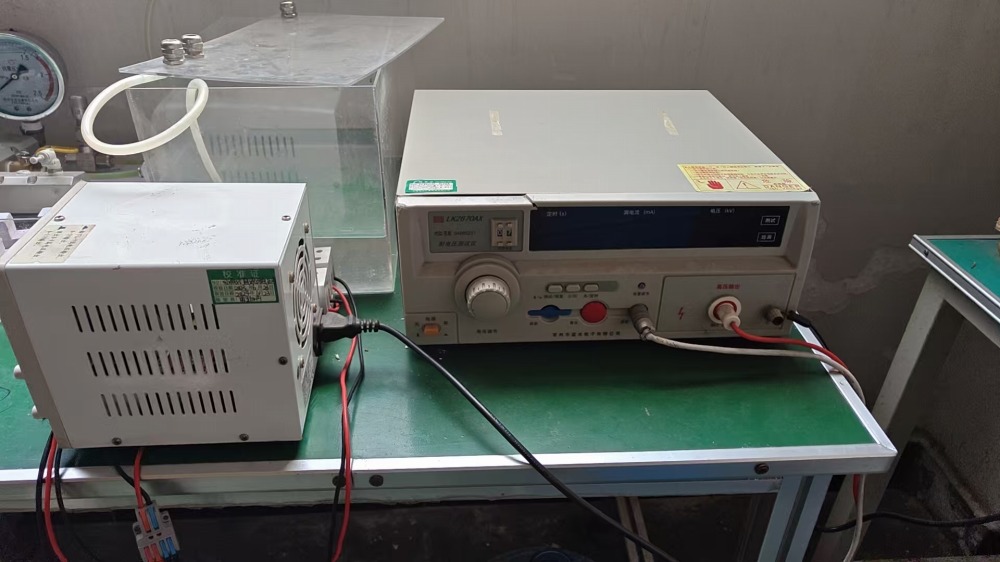
Verifies high-pot electrical insulation barriers, preventing short circuits and electro-static risks.
Clear, direct answers regarding minimums, customs documentation, engineering customizations, and logistics into the Western Balkans.
We provide tiered order frameworks to accommodate both fast-growing specialty roasters and established distribution houses. Ready-to-ship sample batches start at just 2 pieces. Minor private-label customization (laser-engraved logo, customized Bosnian/Croatian/Serbian language retail packaging) begins at 500 to 1,000 pieces. Full custom tooling, bespoke structural housings, or tailored motor gearings start at 2,000 pieces.
Yes. By pairing our proprietary 45mm alumina ceramic conical burrs with reinforced dual-bearing drive shafts, our grinders maintain strict burr parallelism at clearances below 100 microns. This yields the ultra-fine, powdered grinds necessary for thick crema creation in copper džezvas without bean scorch.
Our electrical lines carry complete CB Scheme test certifications, CE declarations of conformity, and RoHS material reports. Food-contact components (acrylic jars, ABS hoppers, silicone gaskets, and stainless steels) undergo formal LFGB and EU 1935/2004 migration tests, ensuring smooth clearance through the indirect taxation authority (UIO/ITA) and market surveillance inspections.
Standard maritime freight routes ship from Ningbo or Shanghai port directly to the Adriatic Port of Ploče (Croatia), followed by bonded overland transit to customs clearance terminals in Sarajevo, Grude, or Banja Luka (average maritime transit: 28–35 days). Production turnaround for standard OEM orders runs 30–35 days post sample confirmation.
Our rechargeable series incorporate Grade-A UN38.3/MSDS certified lithium cells with integrated NTC temperature-sensing thermistors. The Battery Management System (BMS) incorporates over-current, short-circuit, and under-voltage protection, ensuring consistent discharge output even during severe Balkan winter conditions.
Partner directly with Zhejiang BMDEV Plastic Industry Co., Ltd. for verified technical engineering, custom Pantone surface finishes, and rapid European container dispatch.