Precision 2-in-1 Dual & Electric Grinder Systems
Direct-from-factory engineered grinding platforms ready for white-label branding, customized motor gearing, dual salt-and-pepper actuation, and turnkey compliance for North American and Mexican importation.
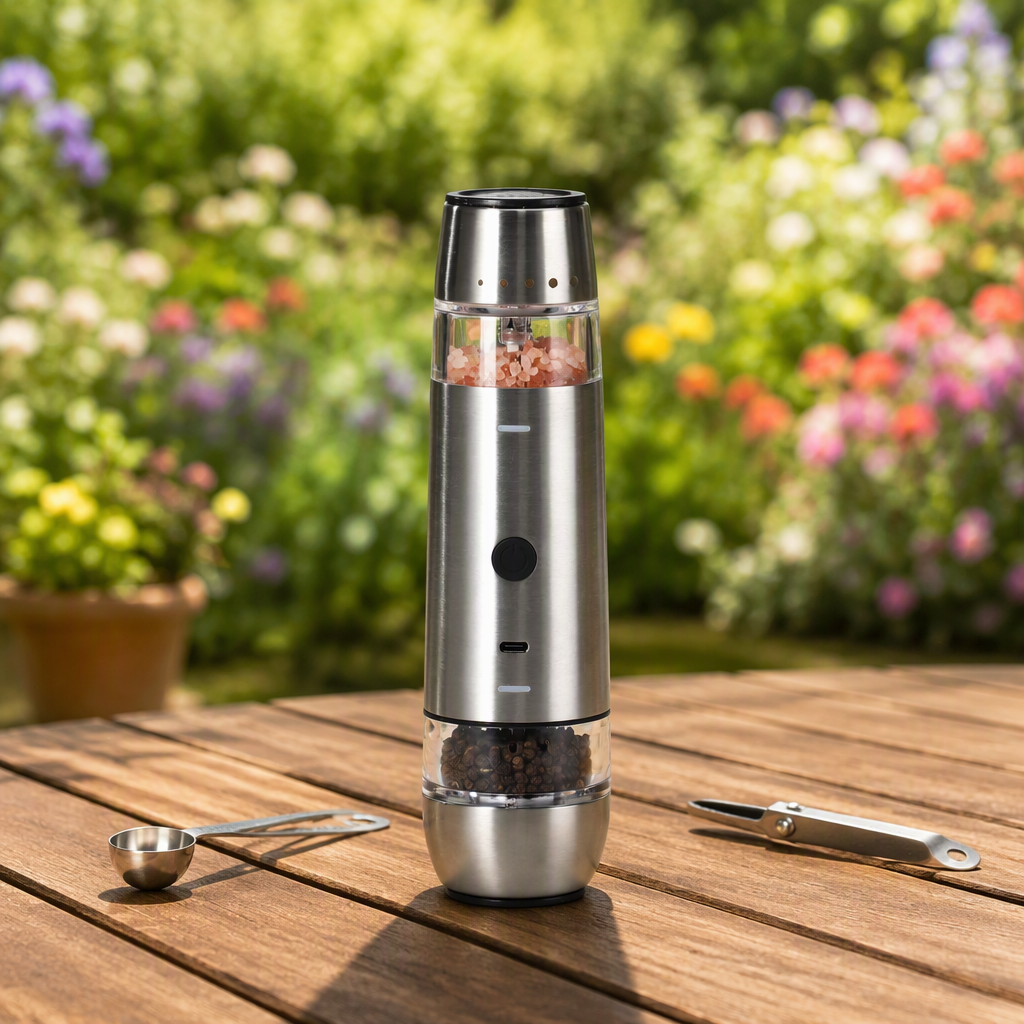
Kitchen Tools Salt and Pepper Grinder Salt and Pepper Grinder Set Battery Adjustable Salt and Pepper Grinder Customized
- High-torque motor with variable micro-knob
- Alumina ceramic non-corrosive grinding core
- Engineered for high-moisture sea salt & peppercorn
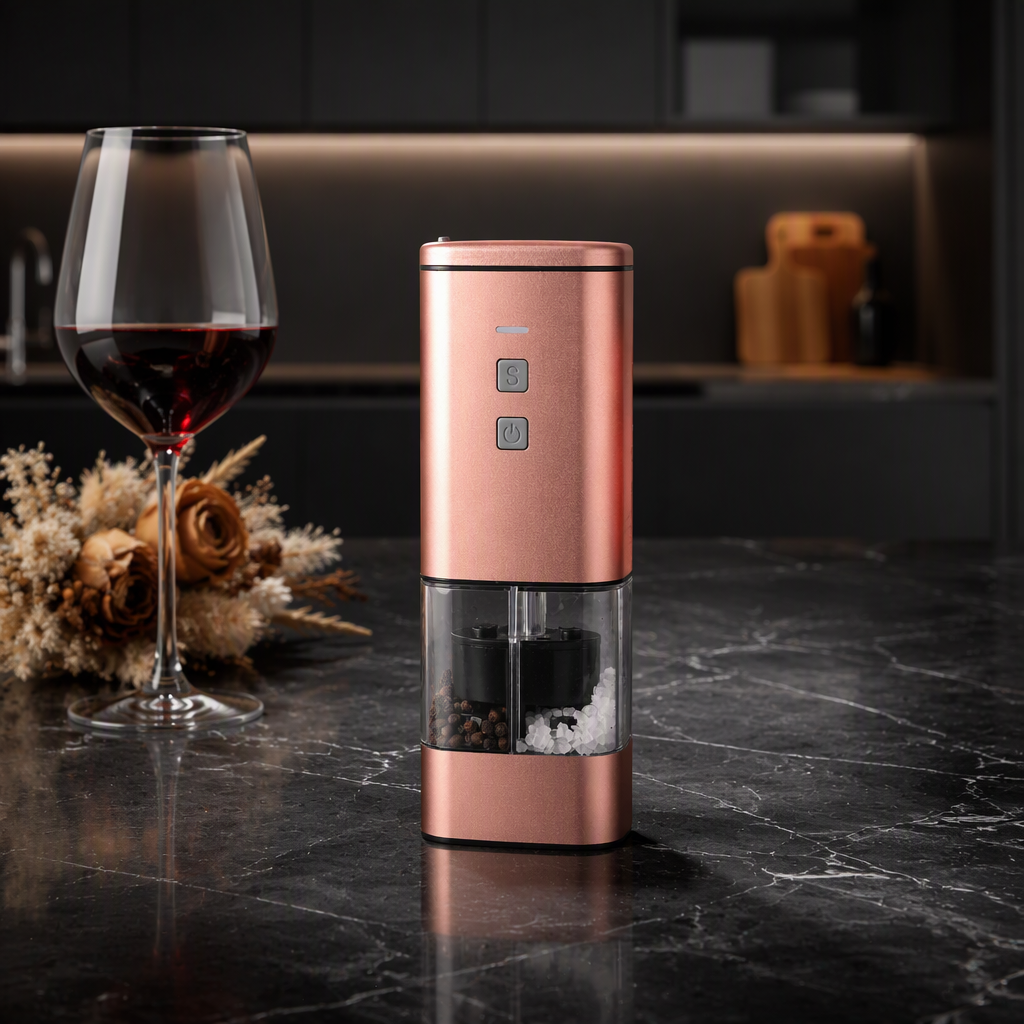
Lid Salt and Pepper Grinder Set with Grinder Stainless Steel Salt and Pepper Mill Grinder Ceramic Burr Dry Spice Grinder
- Hydraulic-bulged stainless steel protective collar
- Aroma-seal moisture-locking top closure lid
- High throughput burr designed for busy commercial prep

Vintage Adjustable Salt and Pepper Grinder Electric Pepper and Salt Grinder Set Salt and Pepper Grinder Set
- Artisanal exterior styling with solid-state electric motor
- Ergonomic one-touch thumb switch actuation
- Dual-chamber balance for salt and coarse peppercorn
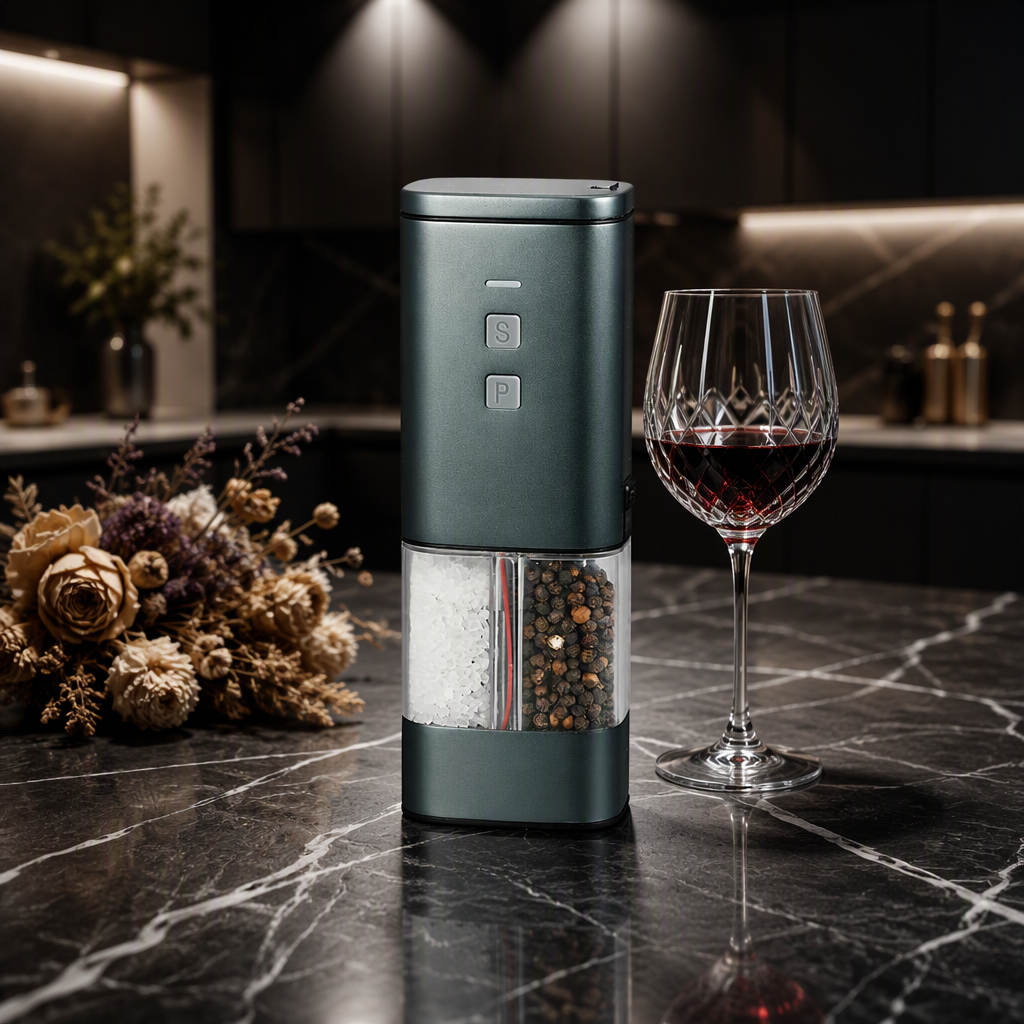
Intage Adjustable Salt and Pepper Grinder Customized Salt and Pepper Grinder Set Vintage Adjustable Salt and Pepper Grinder
- Customizable body finishes: brushed copper, matte black
- Reinforced polycarbonate dual viewports
- Food-safe contact materials tested to FDA & LFGB
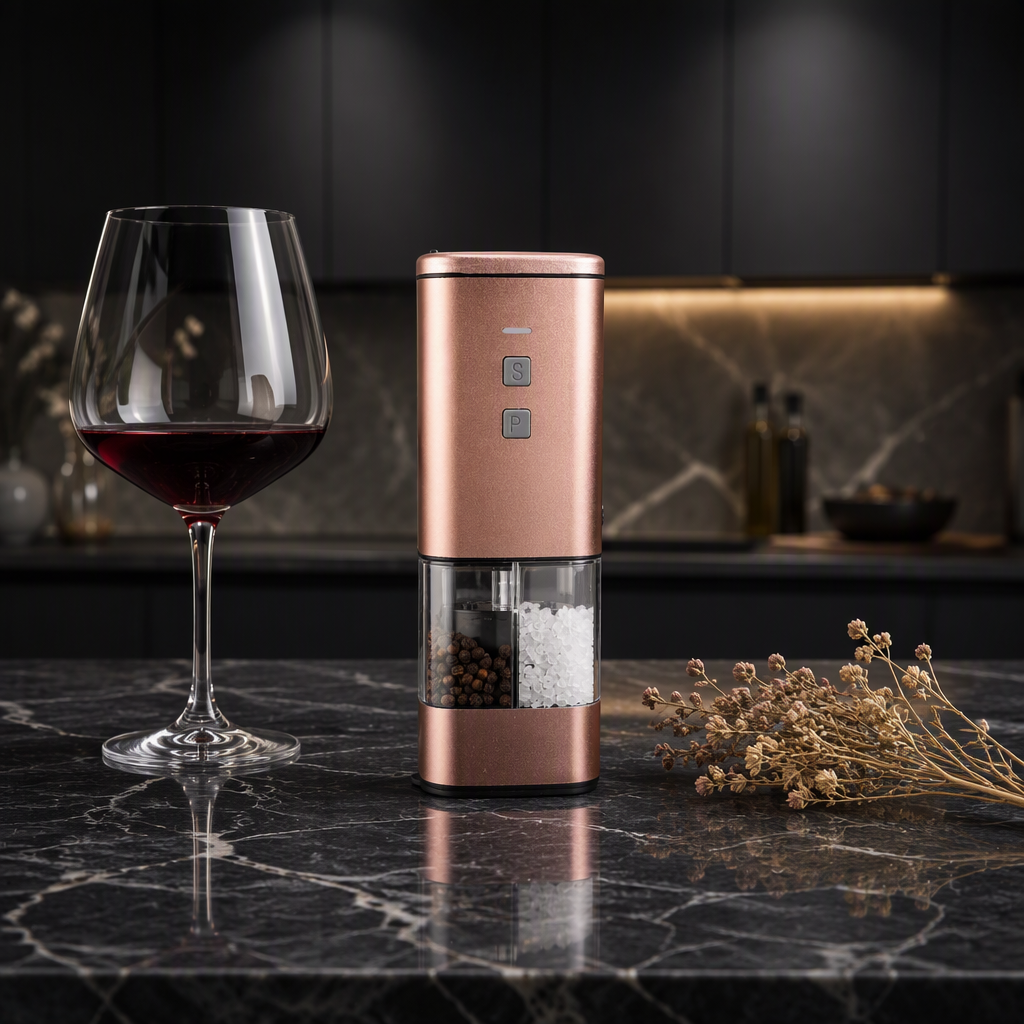
Pepper Electric Grinder Coffee and Pepper Grinder Salt Pepper Grinder Gold Pepper Mill Grinder 100ml Salt Pepper Grinder
- Multi-functional dual-use mechanism (spice & coffee bean)
- Electroplated metallic gold body with fingerprint resistance
- 100ml capacity hopper calibrated for fast dining turns
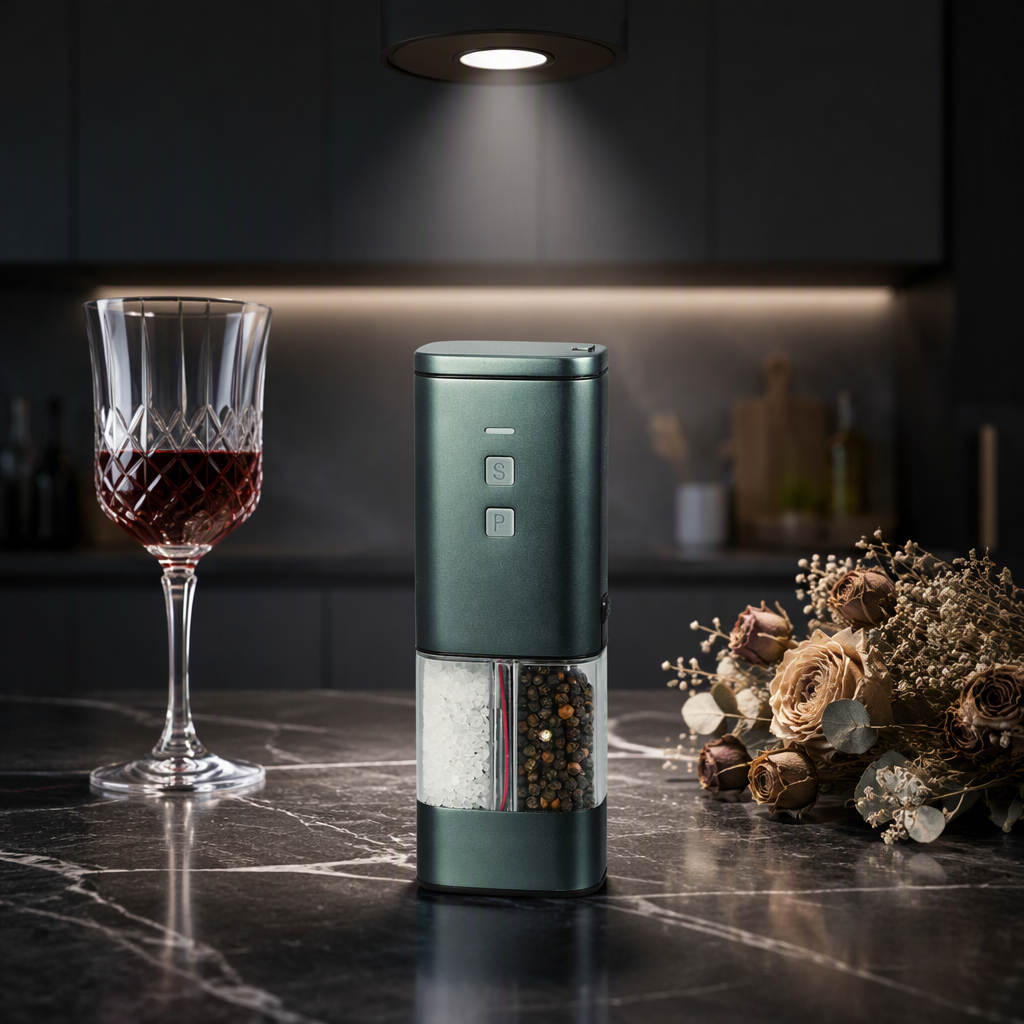
Gravity Electric Salt Pepper Grinder Chili Pepper Dryer Grinder Machine Salt and Pepper Grinder Copper
- Inclinometer gravity sensor: zero-touch button operation
- Warm culinary LED light illuminates plate during grinding
- Optimized torque for dry chili flakes, sea salt, and Tellicherry pepper

Rechargeable Salt Pepper Grinder Set Electric Salt Pepper Grinders Salt and Pepper Grinder Gravity Electric Salt Pepper Grinder
- Integrated lithium-ion cell with over-charge safety circuit
- Dual-station charging cradle with magnetic positioning
- Eliminates dry-battery disposal in commercial kitchens

Salt Pepper Grinder Gold Pepper Mill Grinder Pepper Grinder Usb Rechargeable Pepper Grinder Pepper Salt Grinder Set
- Bi-directional rotational milling for instant spice switching
- High-durability stainless steel exterior with satin gold luster
- Calibrated grain consistency from espresso-fine to cracked mignonette
Strategic Significance of the Tijuana & Baja California Marketplace
Tijuana stands as one of Latin America’s most dynamic cross-border metropolitan markets. Situated immediately across from San Diego County, California, Tijuana forms the logistical and cultural epicenter of the CaliBaja Bi-National Mega-Region. For international importers, hotel procurement executives, food-service wholesalers, and private-label retail brands, sourcing advanced culinary hardware like 2 in 1 electric pepper grinders demands an intricate understanding of both local commercial adoption and bi-national supply chain architectures.
Over the last decade, Tijuana has transformed from a conventional border manufacturing hub into the widely recognized culinary capital of Northwestern Mexico. The explosive emergence of Baja Med cuisine—pioneered by visionary chefs fusing Mediterranean culinary traditions, Asian complexity, and indigenous Mexican ingredients—has rewritten table service standards across the city’s high-density gastronomic districts such as Zona Río, Playas de Tijuana, and Distrito Gastronómico. Tableside spice dispensing is no longer merely functional; it has become an interactive dining theatrical element where sensory freshness, aroma extraction, and modern industrial design intersect.
Beyond hospitality, Tijuana serves as a vibrant cross-border retail conduit. Hundreds of thousands of bi-national commuters cross the border weekly, shopping across department chains, boutique houseware outlets, and culinary gift emporiums in Baja California. For distributors, stocking an electric grinder that houses both mineral sea salt and peppercorns within a single chassis answers the urban demand for kitchen minimalism, countertop efficiency, and cordless convenience.
Localized Application Scenarios Across Baja California
Examining how high-performance dual electric mills are deployed throughout the regional foodservice, luxury hospitality, and consumer sectors.
High-End Baja Med & Steakhouse Tableside Service
In the bustling culinary venues of Zona Río and Agua Caliente, service pace is demanding. The 2-in-1 electric mill allows waitstaff and diners to season prime cuts of Sonoran beef and Pacific bluefin tuna with one-handed ease. The integrated LED optic targets the dish precisely, preventing over-seasoning in ambient dining lighting while showcasing fresh Tellicherry peppercorn crack and San Felipe sea salt crystals.
Valle de Guadalupe Boutique Resort Integration
Located just an hour south of Tijuana along the culinary corridor, the boutique vineyard hotels and open-air architectural dining pavilions of Valle de Guadalupe require kitchenware that reflects organic luxury. Our vintage copper, brushed stainless steel, and natural wood-grain electric grinders offer an understated aesthetic that withstands outdoor patio dining environments without rusting or motor seizure.
Cross-Border E-Commerce & Retail Merchandising
Tijuana distributors catering to regional Mexican department stores (such as Liverpool or Sears México) as well as San Diego drop-shippers leverage dual rechargeable grinders as premium retail gift sets. Packaged in customized multi-language luxury gift boxes (Spanish/English), these dual mills provide high perceived value, low return rates, and effortless shelf appeal.
Institutional Maquiladora Corporate Dining & Catering
Tijuana's manufacturing sector hosts over 600 multinational maquiladora complexes across Otay Centenario, El Florido, and Pacifico Industrial Park. The executive dining rooms and industrial catering providers serving these corporate hubs rely on our heavy-duty, high-capacity 100ml battery and rechargeable grinders for hygienic, hands-free seasoning during large-scale executive banquets.
Regional Sourcing Trends in Northern Mexico & Border Corridors
Procurement directors and B2B buyers serving Tijuana and the northern Mexican border territory are navigating key technological shifts in kitchen appliance manufacturing. Understanding these market dynamics allows regional merchants to capture premium consumer margins while mitigating product failure risks.
1. Shift from Alkaline Disposables to Lithium-Ion Ecosystems: Historically, 4xAAA battery-powered grinders dominated the border wholesale trade. However, commercial operators in Tijuana are rapidly transitioning to USB Type-C rechargeable and dual-charging-dock configurations. Commercial restaurant operations calculate that eliminating single-use alkaline batteries lowers total cost of ownership (TCO) by up to 34% within the first six months, while aligning with corporate environmental mandates.
2. Combating Coastal Atmosphere Corrosion: Tijuana's coastal climate—particularly in Playas de Tijuana, Rosarito, and the coastal transport corridors—carries elevated maritime humidity and airborne salinity. Sub-tier pepper mills equipped with cheap carbon steel grinding teeth or 201-grade stainless steel casings experience pitting, aesthetic rusting, and burr oxidation within weeks. Buyers now systematically demand high-alumina 96% ceramic conical burrs and passivated SUS304/SUS316 stainless steel housings that remain completely inert in salty maritime atmospheres.
3. Demand for Dual-Motor Mechanical Reliability: Traditional "2 in 1" manual mills required cumbersome manual switching of reversible collars. In the electric category, the industry trend has moved toward either independent bi-directional planetary gearing or dual-motor miniature drive trains. This gives the user instant button selection between rock salt and cracked pepper without mechanical jamming or spice cross-contamination.
Core Mechanical Architecture: Dual-Chamber Grinding Engines
Evaluating the mechanical, material, and electrical specifications essential for high-frequency commercial seasoning equipment.
| Component Architecture | Standard Commercial Mill | BMDEV Heavy-Duty 2-in-1 Platform | Procurement Advantage for Tijuana Importers |
|---|---|---|---|
| Grinding Core Mechanism | Carbon steel or plastic burr teeth | 96% High-Alumina Diamond-Sintered Ceramic | Superior Durability 100% immune to wet sea salt corrosion and chili acids. |
| Casing & External Shell | 201 Stainless Steel or basic ABS plastic | Hydraulic-Bulged SUS304 / Impact ABS | Coastal Resistant Retains luster across Pacific coastal hospitality venues. |
| Motor Torque & Gearing | 3V small DC motor, plastic gear train | Reinforced 3.7V - 7.4V Motor with POM Gears | Zero Stall Crushes hard Himalayan rock salt and dense peppercorn without seizing. |
| Dual Chamber Isolation | Shared single delivery channel | Hermetically Isolated Dual Micro-Chambers | Aroma Preserving Prevents cross-spice powder contamination and moisture transfer. |
| Power Management | 4x or 6x AAA Disposable Cells | 1200-1600mAh Li-ion with Type-C / Cradle Dock | Low Operating Cost Over 350 grinding cycles per single charge for continuous service. |
| Regulatory Readiness | Uncertified or general CE only | CB Scheme, FDA Food Contact, LFGB, RoHS | Turnkey Clearance Seamless entry under Mexican NOM and US Customs cross-border transit. |
Why Tier-1 Importers Source from Zhejiang BMDEV Plastic Industry Co., Ltd.
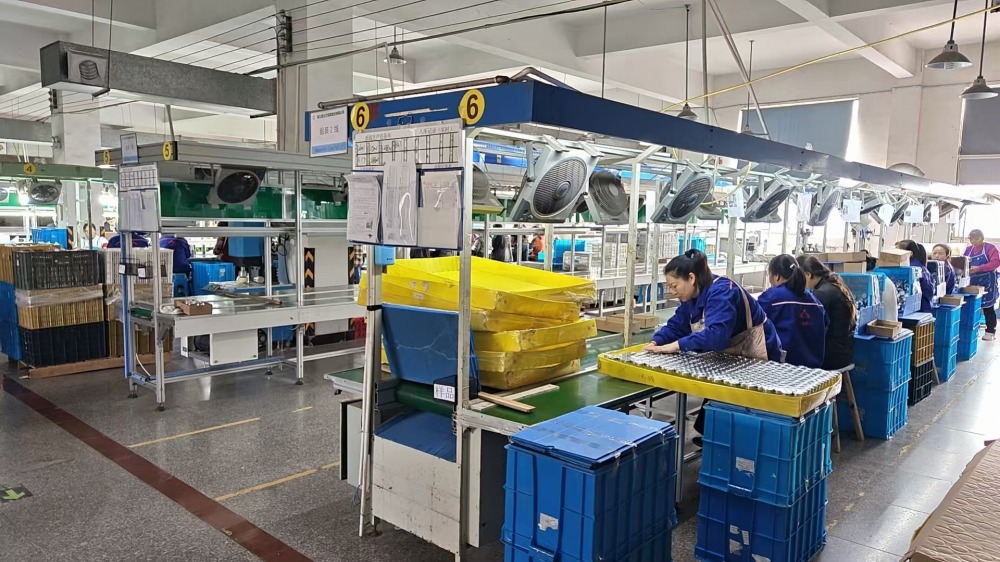
A vertically integrated 12,538 m² manufacturing enterprise operating 10 specialized production lines under strict Intertek-verified quality governance.
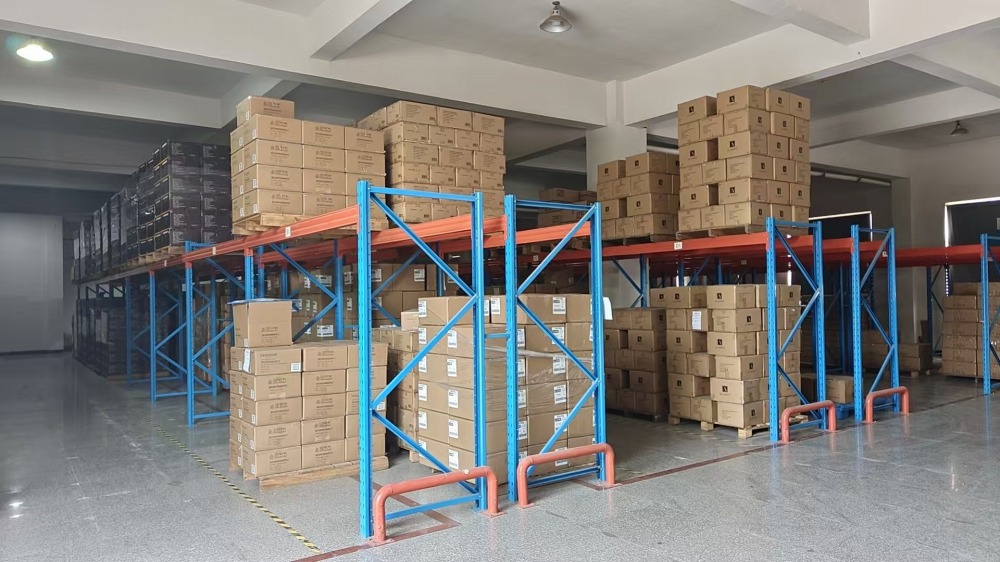
For more than 23 years, Zhejiang BMDEV Plastic Industry Co., Ltd. has stood at the cutting edge of precision kitchen appliance manufacturing. While trading intermediaries merely source catalog items from third-party workshops, BMDEV executes complete end-to-end production under one roof. Our facility in Tongqin Town, Jinhua, Zhejiang houses a verified workforce of 264 personnel, overseeing integrated mold development, plastic injection molding, automated metal stamping, laser tube profiling, hydraulic bulging, mechanical polishing, surface electroplating, cleanroom assembly, and stringent packaging lines.
Intertek On-Site Assessed & Audited
Our operational infrastructure, machinery assets, and QA protocols have undergone complete on-site validation by Intertek. Buyers can review transparent assessment reports detailing factory capacity, labor compliance, and traceability metrics with complete confidence.
Proprietary Tooling & Hydraulic Bulging
We do not assemble off-the-shelf catalog shells. BMDEV owns hydraulic bulging machinery and high-speed CNC laser cutters capable of forming custom curved stainless steel casings and ergonomic dual-cavity profiles tailored to your brand’s proprietary industrial design.
Comprehensive OEM & ODM Flexibility
From low-MOQ test orders for high-end boutique runs to full custom mold engineering for nationwide supermarket distribution, we provide laser-engraved logos, PMS pantone color injection, tailored retail blister packs, and multi-language documentation (Spanish/English).

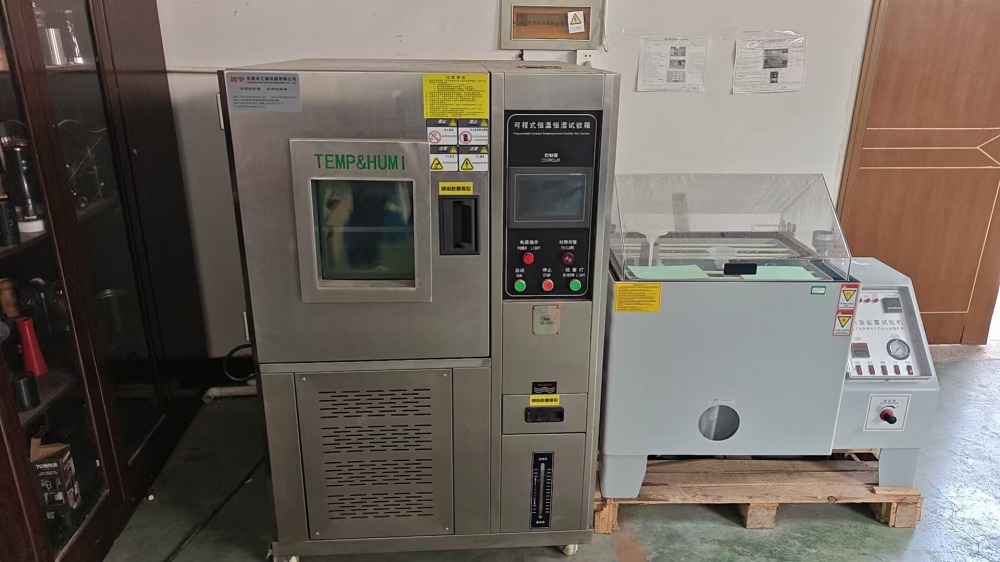
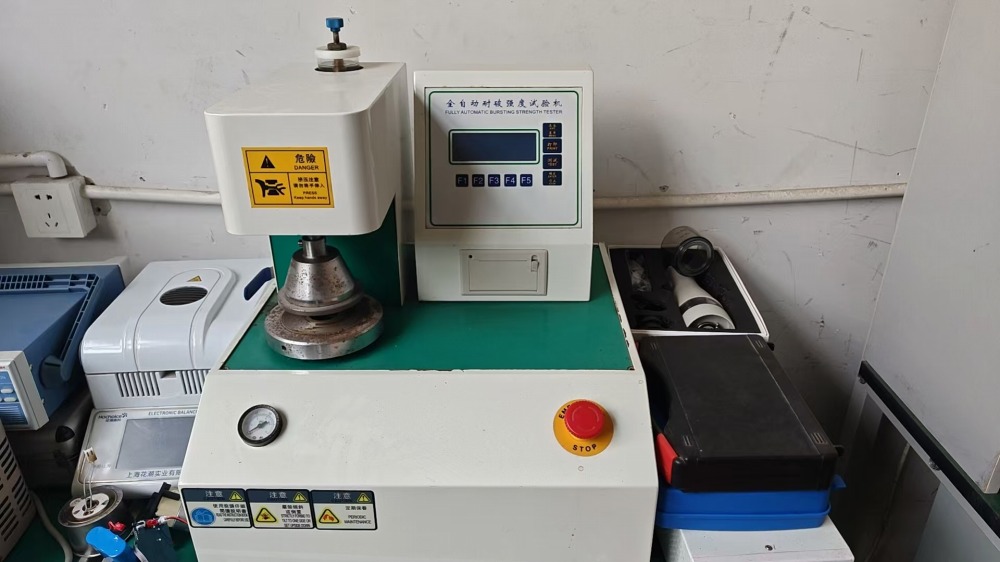
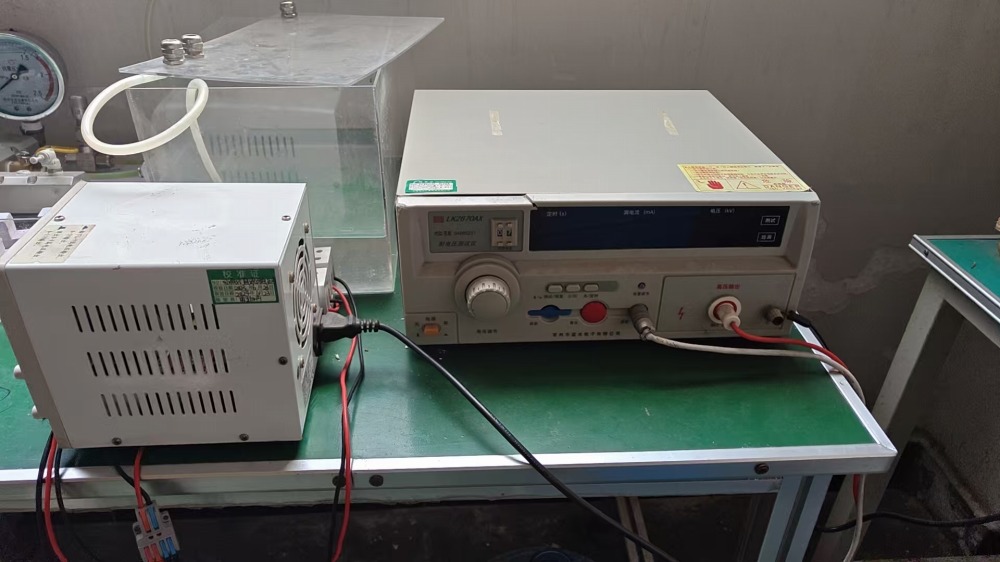
In-House Laboratory Testing Protocols
Before any container departs for international ports, random batch units are subjected to exhaustive mechanical, chemical, and electrical stress evaluations in our certified internal laboratory.


Navigating Logistics, Tariffs & Compliance for the Tijuana Corridor
Procuring goods for the Tijuana marketplace offers distinct logistical advantages and customs frameworks when compared to interior Mexican destinations like Mexico City or Guadalajara. Importers typically utilize two primary freight channels:
Option A: Direct Ocean Transit to the Port of Ensenada: For full container load (FCL) shipments destined for Baja California distribution, maritime cargo sails directly from Ningbo or Shanghai Port to the Port of Ensenada, situated approximately 105 km south of Tijuana. Ensenada provides efficient customs clearance with significantly lower congestion fees than long-haul rail routes, allowing local drayage trucks to transport goods directly into Tijuana industrial warehouses along Federal Highway 1D.
Option B: Transshipment Via Port of Los Angeles / Long Beach & Otay Mesa In-Bond: Importers operating bi-national fulfillment often discharge ocean containers at the Port of Long Beach or Los Angeles, leveraging rapid bonded transport across the California highway corridor down to the Otay Mesa Commercial Crossing. Otay Mesa represents California's largest commercial port of entry for freight, accommodating specialized customs brokerages that execute immediate import clearance under Mexico's IMMEX maquiladora regime or domestic consumption declarations (Pedimento de Importación Definitiva).
Mexican Regulatory Framework (NOMs & COFEPRIS): Commercial electrical appliances imported into Mexico must comply with Official Mexican Standards (Normas Oficiales Mexicanas). For electric battery/rechargeable pepper mills, key standards include NOM-001-SCFI or NOM-003-SCFI for electrical safety, alongside labeling mandates under NOM-024-SCFI (Spanish technical consumer information and warranty conditions). Materials in direct contact with food spices must satisfy COFEPRIS sanitary standards and FDA migration safety limits. BMDEV provides complete factory test sheets, CB certificates, and food-grade raw material declarations to ensure your Mexican customs broker (Agente Aduanal) processes documentation without border seizure delays.
Frequently Asked Questions for Tijuana & Regional Importers
Clear, direct answers regarding minimum order quantities, customization parameters, lead times, and cross-border logistical procedures.
What are the minimum order quantities (MOQ) for custom-branded 2 in 1 electric pepper grinders? +
Can BMDEV accommodate bilingual Mexican Spanish labeling and NOM packaging requirements? +
How does ceramic burr technology perform compared to stainless steel burrs when grinding wet sea salt from Baja California? +
What is the standard production and shipping transit time to Tijuana or San Diego warehouses? +
Does BMDEV support full ODM development for proprietary patented 2-in-1 mechanisms? +
What documentation is provided to support Mexican customs clearance through our Agente Aduanal? +
Connect Directly with BMDEV Engineering & Export Sales
Accelerate your private-label spice mill project with an Intertek-verified direct factory partner. Request factory-direct wholesale pricing, sample prototypes, or comprehensive tooling consultations for your brand today.