Intertek Verified Manufacturing Facility · ISO9001 / CB Certified

Top Trusted Industrial Coffee Grinder Factory & Global Exporter

Engineered Precision Grinding Systems, Commercial Pepper Mills & Turnkey OEM/ODM Solutions for Brand Owners, Wholesalers, and Specialty Importers Worldwide.

23+
Years Engineering Excellence
12,538m²
In-House Manufacturing Area
264+
Verified Technical Workforce
10Lines
Vertical In-House Production
21Yrs
Audited Global Export Track
Precision Milling Hardware Portfolio

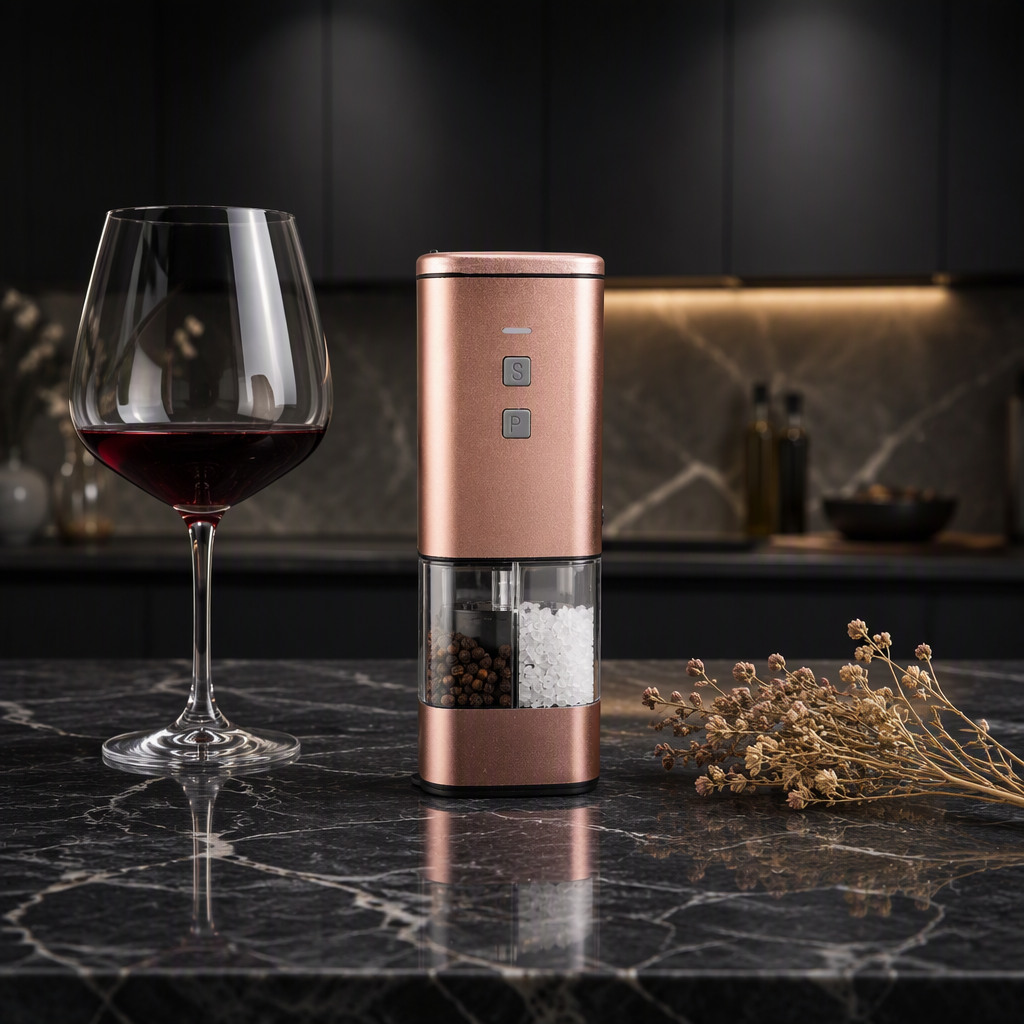
Featured Industrial & Commercial Grinding Machinery

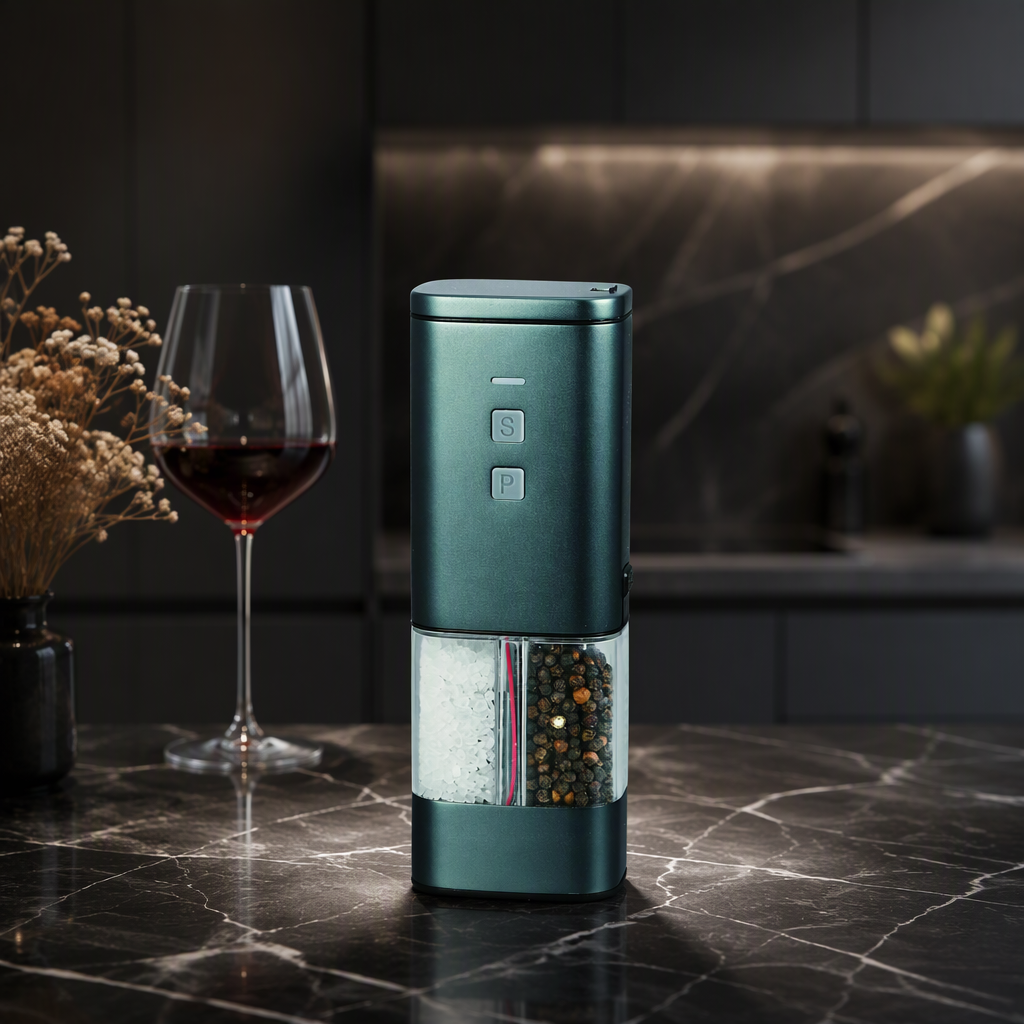
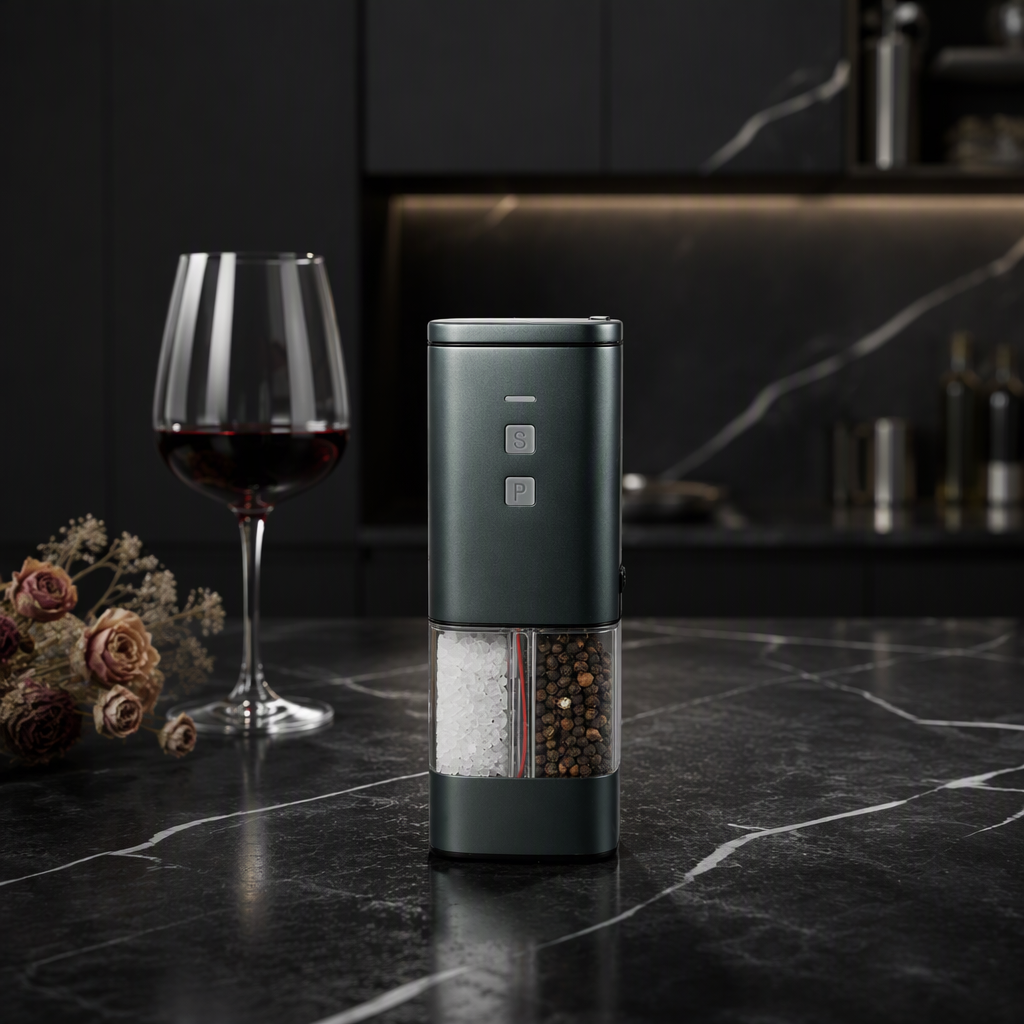
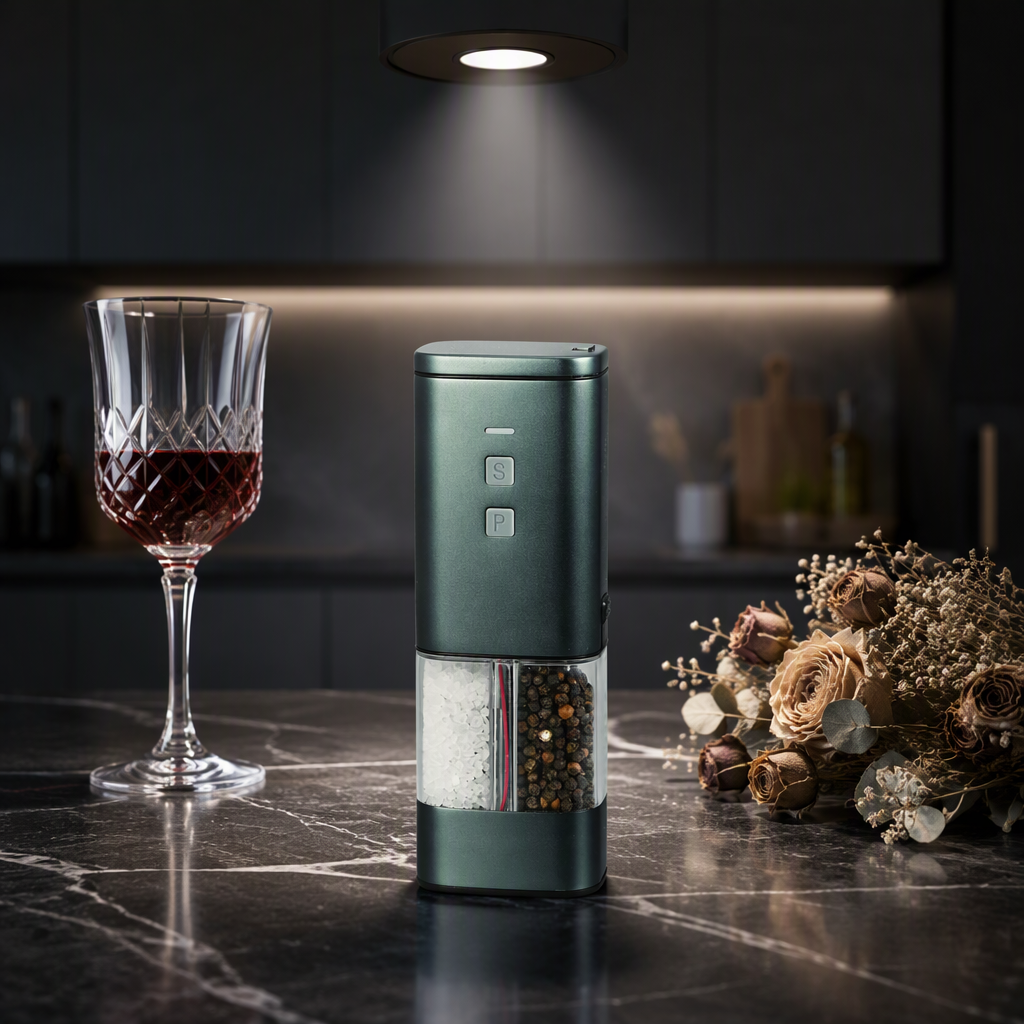
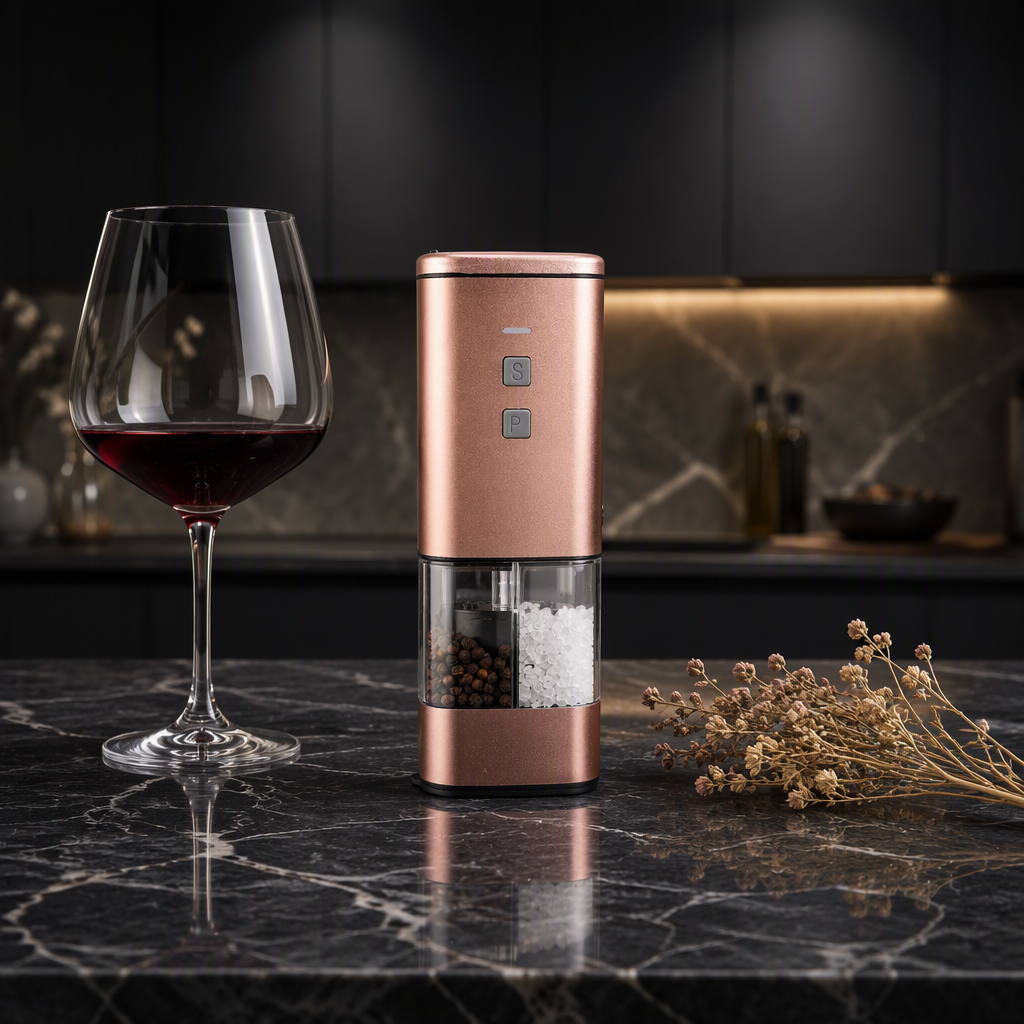
Engineered for high duty-cycles, optimal particle consistency, and minimal thermal degradation. Below are our flagship commercial kitchen grinders, rechargeable mills, and catering machines available for private label customization and international volume distribution.

Engineering Whitepaper & Technical Insights

Industrial Coffee & Spice Grinding Dynamics: The Physics of Particle Precision

In industrial and commercial food service, the grinding process is far more than mechanical crushing. It is a precise thermodynamical and physical transformation where particle size distribution (PSD), cellular structure preservation, and frictional heat control dictate extraction quality.

Thermodynamic Heat Dissipation

Frictional thermal drift during continuous motor operation can easily elevate grinding burr temperatures past 48°C (118°F). At this threshold, delicate coffee bean volatile aromatics and essential spice monoterpenes vaporize instantly. Our factory engineers proprietary air-channel cooling within the motor chassis alongside ultra-low thermal conductivity ceramic burrs to preserve flavor compounds.

Bimodal vs. Unimodal PSD Profiles

Uniformity defines extraction yield. When beans or peppercorns are crushed by irregular blades, excessive "micro-fines" (sub-100μm particles) are generated, causing basket clogging, bitter channeling, or over-extraction. Our high-precision CNC burr geometries ensure a tight modal peak, achieving uniform particle distribution across espresso, filter, and coarse culinary grades.

Metallurgy & Ceramic Density

Standard carbon steel burrs wear rapidly and oxidize when exposed to atmospheric humidity or salt minerals. BMDEV utilizes high-alumina (95% Al2O3) sintered ceramics and nitrogen-enriched 420 stainless steel treated to 58+ HRC hardness. These components are zero-corrosion, wear-resistant, and chemically non-reactive under aggressive culinary environments.

Mechanism Core Vickers Hardness (HV) Thermal Transfer Rate Ideal Application Domain Wear Life Expectancy Corrosion Resistance
95% Al2O3 Alumina Ceramic 1,400 – 1,600 HV Low (18-30 W/m·K) Himalayan Salt, Manual Coffee, Pepper 8+ Years Continuous Use Impervious (No Rust/Oxidation)
SUS420 Hardened Stainless Steel 650 – 720 HV Moderate (24 W/m·K) High-Speed Electric Coffee Mills, Spices 5 - 7 Years Industrial Cycles Passivated High-Corrosion Shield
Carbon Steel / Stamped Alloy 350 – 450 HV High (45-55 W/m·K) Budget Consumer Household Gadgets 1 - 2 Years Light Use Prone to Salt Pitting & Wear
Market Analysis & Sourcing Forecast

Future Procurement Trends in Industrial & Commercial Grinding Equipment (2025–2030)

Global supply chains for precision small appliances are undergoing seismic shifts. Importers, brand consolidators, and hospitality procurement directors must align their product development pipelines with key regulatory, technical, and consumer behavioral transformations.

1. Cordless Contact-Charging Infrastructure

Disposable alkaline battery grinders are being phased out rapidly under stricter European WEEE and US EPR packaging and disposal regulations. The commercial catering market is standardizing on cordless Li-ion architectures with magnetic contact docking pads. Dual and multi-dock configurations eliminate exposed charging ports, delivering IPX4 water resistance and continuous charging in high-pace kitchen stations.

2. Hybrid Culinary & Specialty Versatility

B2B buyers are moving away from single-purpose SKU lines. Cross-functional grinders engineered with modular burr assemblies that handle both fibrous spices, salt crystals, and specialty roast coffee beans provide higher shelf inventory turns and lower logistics footprints. Stepless micrometric adjustment collars are now entering mainstream commercial kitchen and home-barista crossover lines.

3. Factory-Direct Vertical OEM Integration

Intermediary trading companies are experiencing margin compression as enterprise buyers insist on direct factory-floor transparency. Audited factories offering all-in-one tooling, metal forming, CNC cutting, plastic injection, and testing laboratories reduce lead times by 30% and eliminate finger-pointing across component tolerance issues. Direct source verification is now mandatory for major retail vendor agreements.

Enterprise Manufacturing Capabilities

Why Top Global Brands Partner with BMDEV

Headquartered in Tongqin Town, Jinhua, Zhejiang, China, Zhejiang BMDEV Plastic Industry Co., Ltd. spans 12,538 m² of state-of-the-art facilities with 264 verified employees. We combine 23 years of specialized precision kitchenware expertise with end-to-end in-house control.

Raw Material Inspection
STAGE 01
Raw Material Verification
Injection Molding Line
STAGE 02
Precision Plastic Injection
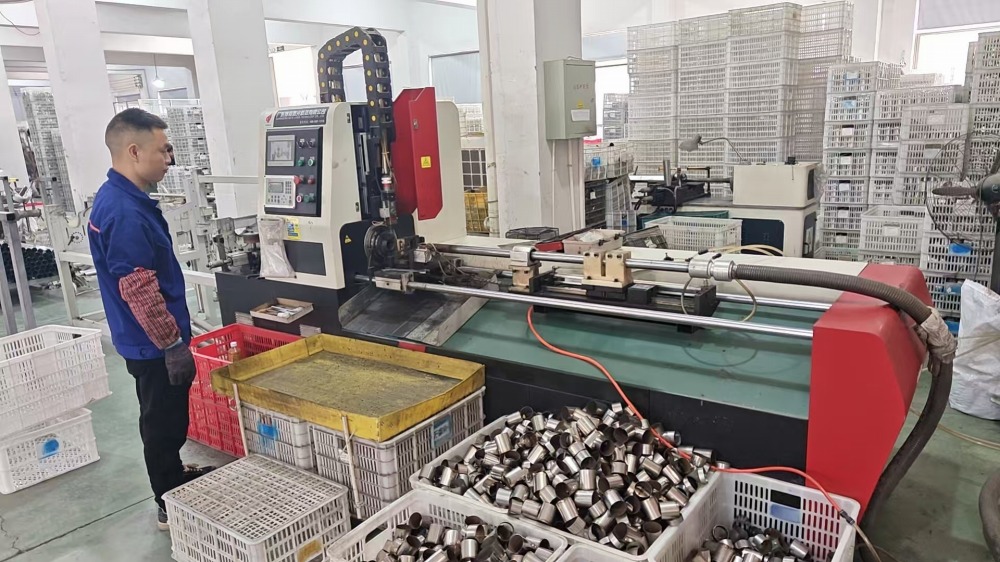
Cutting Line
STAGE 03
Automated Metal Cutting
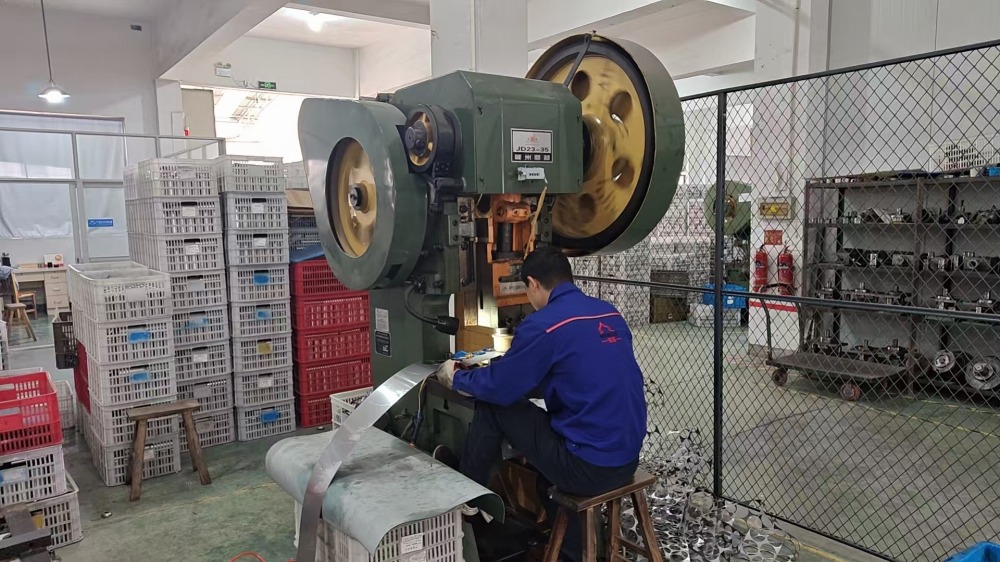
Punching Line
STAGE 04
High-Speed CNC Punching
Laser Cutting Line
STAGE 05
Fiber Laser Tube Cutting
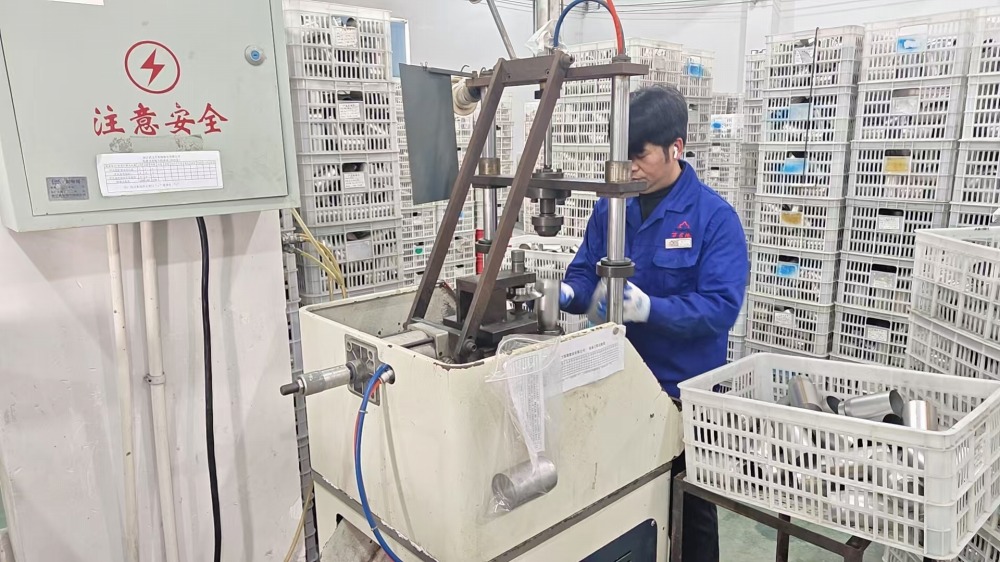
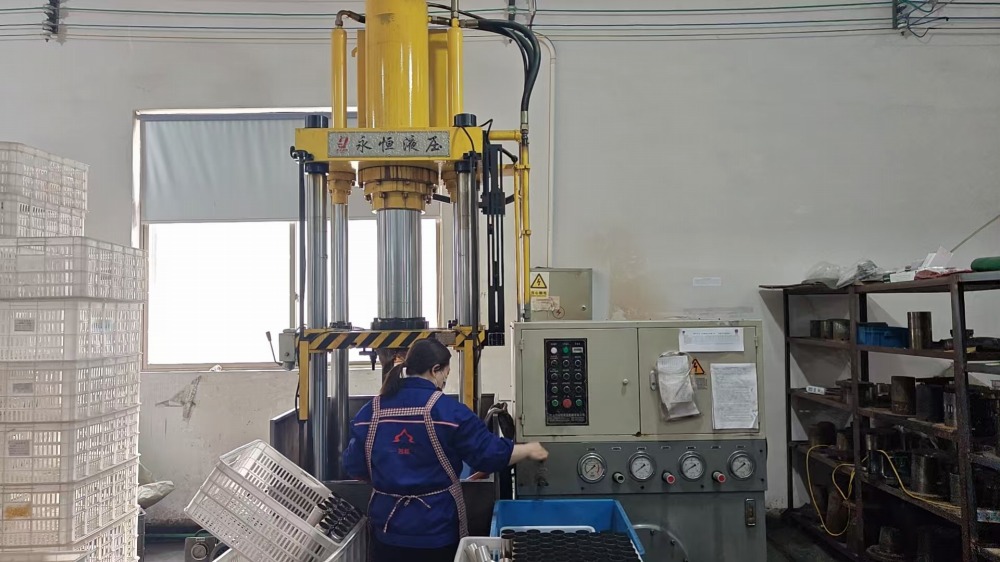
Hydraulic Bulging Line
STAGE 06
Hydraulic Stainless Bulging
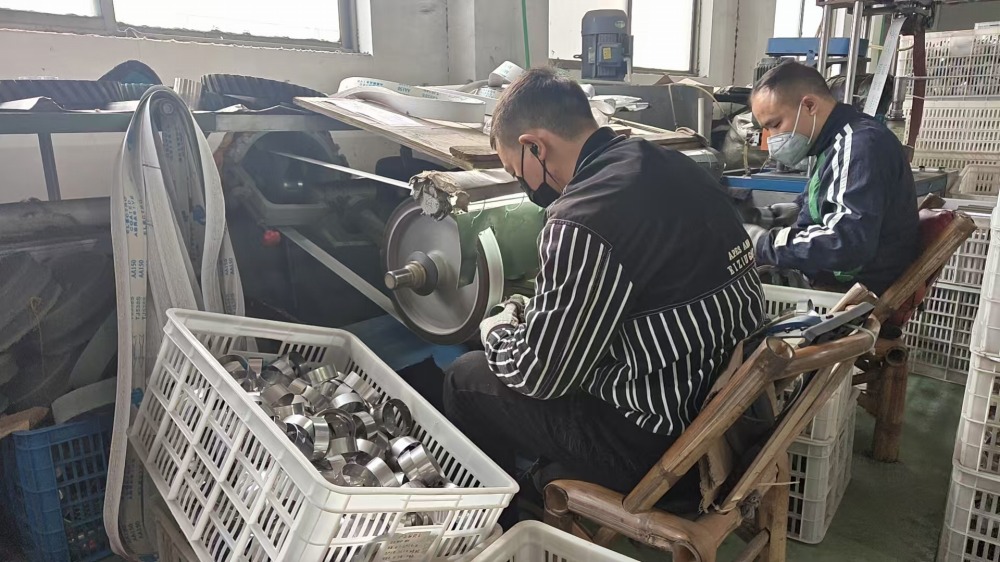
Polishing Line
STAGE 07
Surface Satin & Mirror Polish
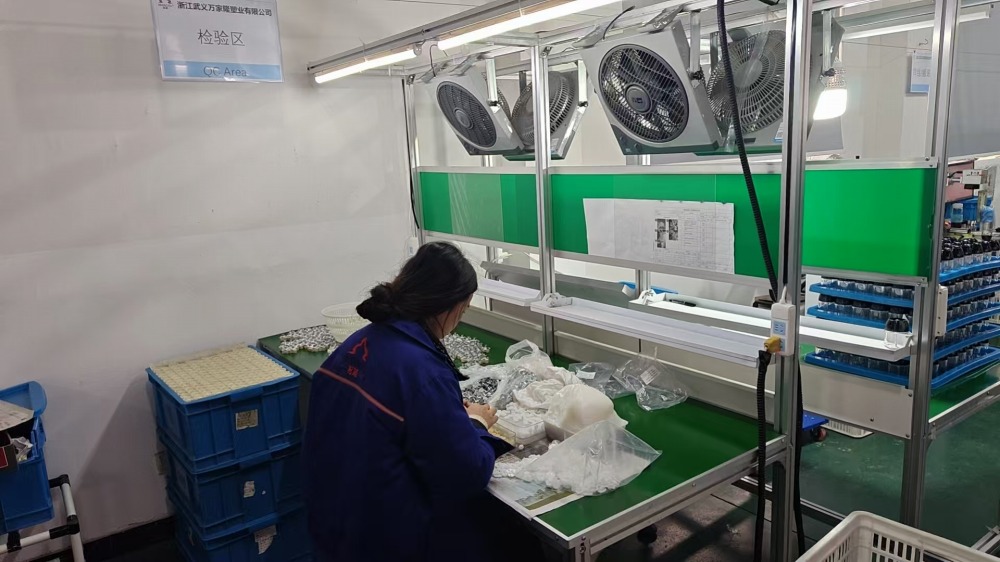
Inspection Line
STAGE 08
Dedicated In-Line QA Station
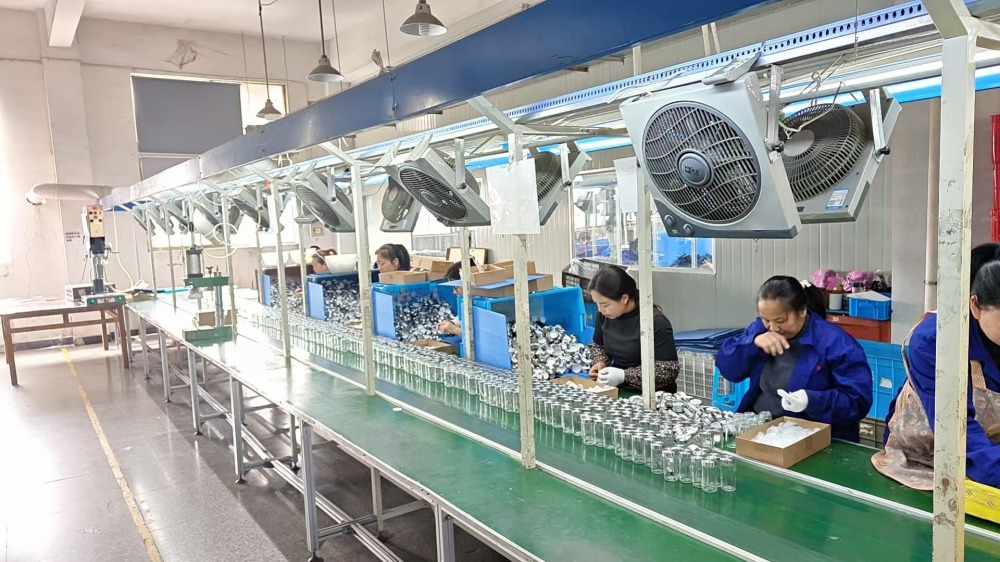
Assembly Line
STAGE 09
Cleanroom Modular Assembly
Packing Line
STAGE 10
Standard Export Packaging

Rigorous In-House Quality Assurance Laboratory Testing

Unlike basic assembly shops that outsource testing, our facility maintains a dedicated analytical QA/QC laboratory to validate real-world commercial longevity under grueling culinary conditions.

Salt Spray Testing (ASTM B117)

Our programmable salt fog chamber subjects all stainless steel casings, burr shafts, and screws to continuous 5% neutral saline mist for 48 to 96 hours to guarantee zero pitting or rust formation in maritime and salt-rich kitchen environments.

Thermal & Humidity Aging

Components undergo alternating cyclic stress from -20°C to +70°C at 95% relative humidity in our programmable environmental chamber to identify micro-fractures, delamination, and motor winding breakdown before series production.

Battery Cycle & Safety Diagnostics

Our computerized battery test racks conduct repeated high-current charge/discharge cycles, overcharge protection verification, and temperature thermal monitoring in full compliance with UN38.3 and IEC 62133 battery safety regulations.

Procurement Intelligence & Due Diligence

Frequently Asked Questions for Commercial Buyers

Critical technical, logistical, and commercial inquiries answered directly by our factory engineering and export compliance department.

What are the minimum order quantities (MOQ) for OEM/ODM private labeling?

Our MOQ tiers are structured around manufacturing efficiency and tooling setup. For existing stock models requiring minor private labeling (laser-etched logo, silk-screen graphics, standardized gift box modifications), MOQs begin at 500 to 1,000 units. For specialized sample-run testing and evaluation, selected electric coffee grinder inventory is accessible from 2 to 200 units. Full custom ODM designs requiring bespoke plastic injection tooling or proprietary metal stamped housings typically begin at 2,000 to 3,000 units per production cycle.

How does BMDEV address motor torque decay and thermal runaway during heavy continuous grinding?

Industrial and high-volume commercial environments cause rapid stator overheating in undersized DC motors. BMDEV utilizes custom-wound pure copper motors mated with heavy-duty high-reduction planetary gearboxes. This architecture multiplies output torque at lower RPMs (typically 45–65 RPM for pepper/salt, 120–180 RPM for burr coffee mills), eliminating heat buildup in the grind chamber and preventing torque stalls when encountering dense, hard whole spices or lightly roasted high-altitude coffee beans.

Which grinding core mechanism should we specify: Ceramic burr or Hardened Stainless Steel?

The ideal choice depends strictly on your product's target application. Ceramic conical burrs (95% Al2O3) are completely inert, 100% corrosion-proof against wet salts and moisture, and exhibit negligible thermal transfer, making them optimal for salt/pepper mills, pour-over filter manual grinders, and damp kitchen environments. Conversely, CNC-cut SUS420 or SUS304 stainless steel burrs feature razor-sharp micro-flutes with significantly higher cutting efficiency and narrower particle size spread, which is critical for fine espresso extraction and high-speed electric coffee mills.

What international food safety and electrical certifications accompany BMDEV shipments?

Our products are manufactured under an audited ISO9001 quality management framework. Electric models possess CB Scheme certifications (IEC 60335), CE-EMC, and CE-LVD compliance for European imports, alongside FCC Part 15 testing for North American distribution. All food-contact assemblies (grind burrs, transparent hoppers, collection jars, gaskets) are rigorously tested to FDA 21 CFR 177.1520 and German LFGB (BFR XXXVI) standards, confirming zero migration of heavy metals, BPA, or harmful phthalates.

Can buyers conduct third-party on-site audits or pre-shipment inspections?

Yes, absolutely. Our manufacturing facility has been formally inspected and verified on-site by Intertek. We routinely host third-party verification agencies (such as SGS, Bureau Veritas, TÜV Rheinland, and QIMA) appointed by our clients to conduct initial factory social audits (BSCI/SMETA), in-process production checks (DUPRO), and final random inspections (FRI) based on standard ISO 2859-1 (AQL 1.0/2.5) sampling criteria prior to container release.

Launch Your Custom Grinder Manufacturing Project

Collaborate directly with Zhejiang BMDEV's engineering and export operations. Receive comprehensive 3D CAD modeling, custom sample turnaround within 7 to 14 business days, full compliance dossiers, and tiered volume factory pricing.