◈ Global Sourcing & Engineering Whitepaper

Top Trusted Flat Burr Grinder Manufacturers & Manufacturer

Comprehensive B2B Procurement Architecture: Engineering Tolerances, Burr Geometry Paradigms, Automation Capacity & OEM Scalability by Zhejiang BMDEV

Commercial Grinder Selection & Precision Milling Portfolio

Engineered for high-volume consumer distribution, specialty roasters, and culinary brands. Fully customizable grinding cores with verified test tolerances.

⚙
23+
Years Engineering Experience
🏭
12,538 m²
Owned Manufacturing Campus
👥
264
Skilled Production Personnel
🛡
21 Yrs
Intertek Assessed Supplier

1 Engineering Authority: Flat Burr Geometry vs. Conical Mechanics

In high-precision grinding systems—whether calibrating for specialty espresso or hyper-uniform culinary spices—the debate between Flat Burr Sets and conical burrs revolves around particle size distribution (PSD), extraction uniformity, and kinetic heat dissipation. Flat burr manufacturers operate under strict tolerance guidelines (often within ±0.005mm parallel alignment) to prevent micro-fines that cause channel channeling and uneven extraction profiles.

Flat burrs rely on centrifugal acceleration where beans or spices are crushed through pre-breaking teeth before being propelled radially through parallel shear cutting faces. This geometry generates an exceptionally unimodal grind distribution. For B2B procurement specialists, understanding this mechanical variance is critical when developing commercial appliances versus entry-level manual mills.

Engineering Attribute Precision Flat Burr Assembly Conical Burr Configuration High-Speed Rotary Blade
Particle Size Distribution High Unimodal (Narrow curve, minimal fines) Bimodal (Two distinct peaks) Polydisperse (Uncontrolled variance)
Thermal Retention Index Low-Medium (Requires thermal sink housing) Low (Lower relative surface friction) High (Severe scorch hazard)
Burr Materials Available SUS420 Stainless, Titanium (TiN), DLC Coated Alumina Ceramic (Al2O3), SUS304 Hardened Stainless Steel Strip
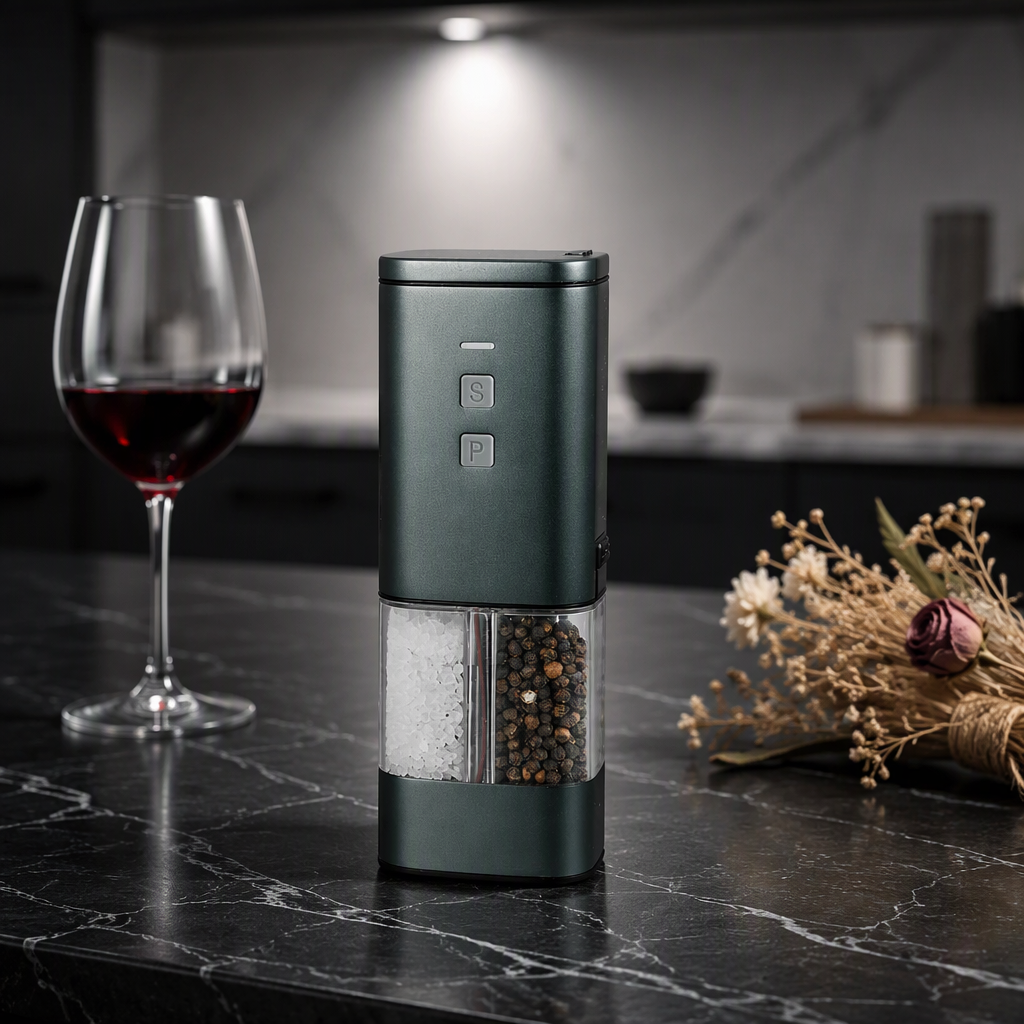
Target Applications Commercial Espresso, Precision Lab Extraction Manual Pour-over, Kitchen Salt & Pepper Commodity Spice Chopping

At Zhejiang BMDEV Plastic Industry Co., Ltd., our engineering department works with both hardened surgical-grade stainless steels (HRC 55-60) and high-density Al2O3 ceramic burrs. Because our factory integrates in-house plastic injection molding, precision laser cutting, and hydraulic forming, we maintain axial runout well beneath industry averages, preventing tooth-clash and guaranteeing extended commercial lifecycle.

2 Future Procurement Trends (2025–2030 B2B Outlook)

The global small domestic kitchen appliance market is undergoing a seismic structural shift. Based on aggregate export analytics from our 21-year global distribution channels across North America, Europe, and Southeast Asia, several procurement imperatives have emerged:

1. Demand for Brushless DC (BLDC) Integration: Enterprise brands are phasing out noisy, high-vibration AC and brushed universal motors. BLDC motors provide constant torque at varying grind speeds (600–1400 RPM), allowing consumer machines to achieve commercial-grade grind consistency without thermal degradation of delicate coffee lipids and volatile spice aromas.

2. The Clean Plastic-Free Movement: Heightened food-contact scrutiny (EU LFGB Section 30 & 31, US FDA 21 CFR 177.1520) has created an explosive surge in procurement inquiries for all-metal grinding chambers. Sourcing teams are specifically auditing planetary gearboxes to eliminate internal POM/ABS plastic gear assemblies in favor of sintered powdered metallurgy steel.

3. Universal Type-C PD and Smart Power Management: Disposable alkaline battery configurations are experiencing sharp year-over-year declines. Enterprise buyers demand integrated 18650 or 21700 lithium cells with Power Delivery (PD) protocols, coupled with intelligent overload protection sensors that auto-reverse the burr when jammed by dense unroasted peaberries or oversized rock salts.

3 Manufacturing Technological Evolutions: Tolerances & Materials

Achieving micron-accurate flat burr alignments at competitive OEM cost structures requires total vertical production integration. Subcontracting critical manufacturing steps leads to tolerance stack-up errors, erratic concentricity, and premature bearing wear.

By leveraging an owned 12,538 m² manufacturing facility in Jinhua, Zhejiang, BMDEV directly controls raw material compounding, tooling fabrication, stamping, hydraulic bulging, and automatic final packaging. Our proprietary hydraulic metal bulging techniques allow for continuous seamless stainless-steel bodies that combine aesthetic luxury with rugged commercial impact resistance.

In-House 10-Stage Precision Production Ecosystem

Zero subcontracting on core mechanical structures. Our automated workshops safeguard quality across every step from raw pellet to palletized container.

Raw Material Inspection Workshop

01. Food-Grade Raw Material Selection

Spectroscopic verification of virgin polymers, stainless steels (SUS304/420), and raw ceramic blanks prior to warehouse intake.

High-Tonnage Plastic Injection Molding Line

02. Automated Injection Molding

High-precision clamping pressure presses ensure micro-tolerance burr holders with zero draft-angle warpage.

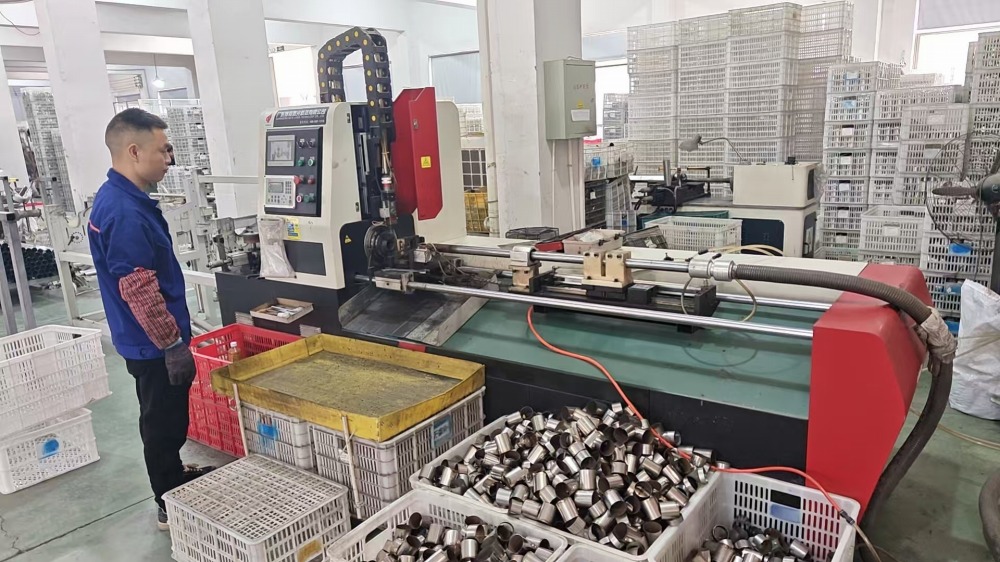
High Precision Metal Cutting Operations

03. Precision Metal Cutting Line

High-speed rotary saws and CNC lathes providing smooth end-face cuts for drive shafts and steel outer housings.

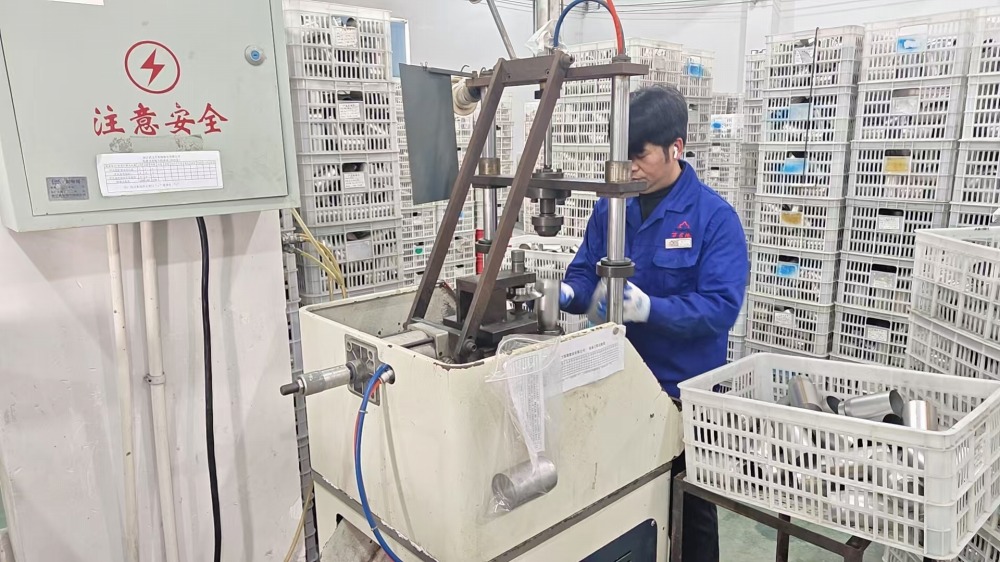
Laser Tube Cutting Equipment

04. High-Power Laser Cutting Line

Fiber laser cutting for complex viewing slots, branding perforations, and snap-fit mounting lugs with clean edge burrs.

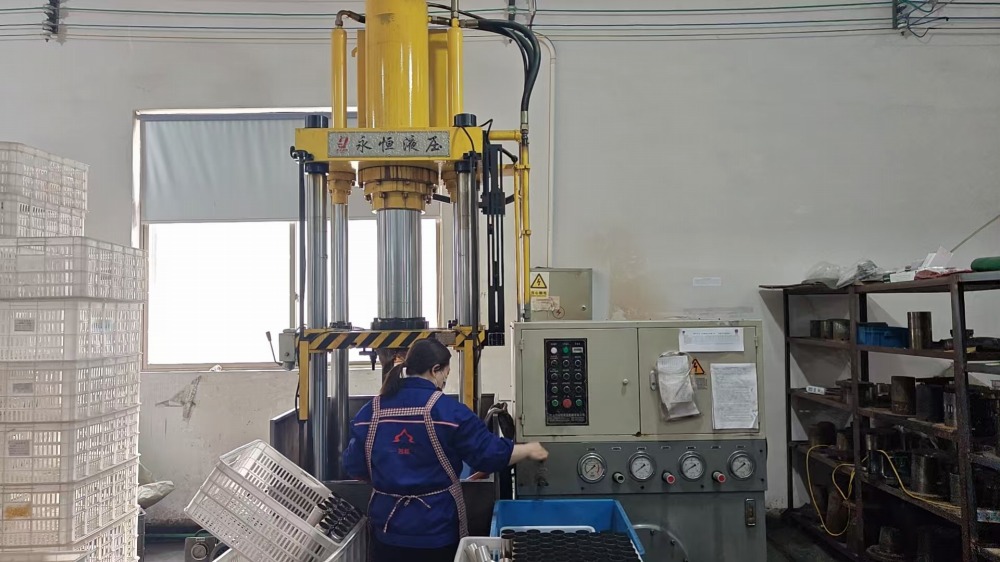
Hydraulic Metal Bulging Line

05. Seamless Hydraulic Bulging

Advanced hydraulic expansion forming ergonomic contours on stainless housings without weld seams or material thinning.

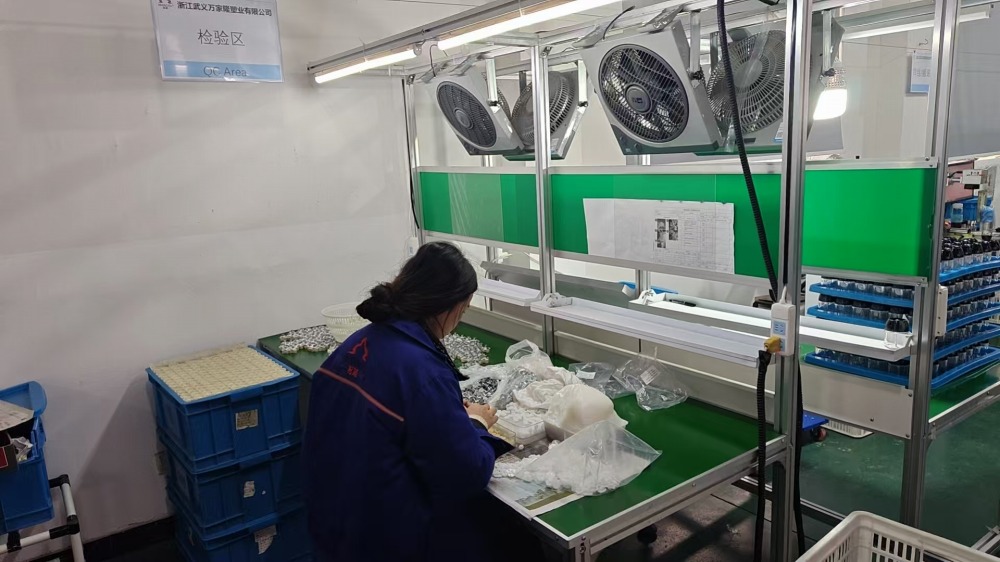
Comprehensive Inline Quality Inspection Line

06. 100% Inline Quality Inspection

Strict dynamic electrical, torque verification, and acoustic dB checks prior to final sterile packaging.

In-House Laboratory Testing Infrastructure

Our quality verification processes protect client brand equity by exceeding strict international retail criteria.

Salt Spray Corrosion Chamber
Salt Spray Corrosion Chamber (Stainless Steel Parts)
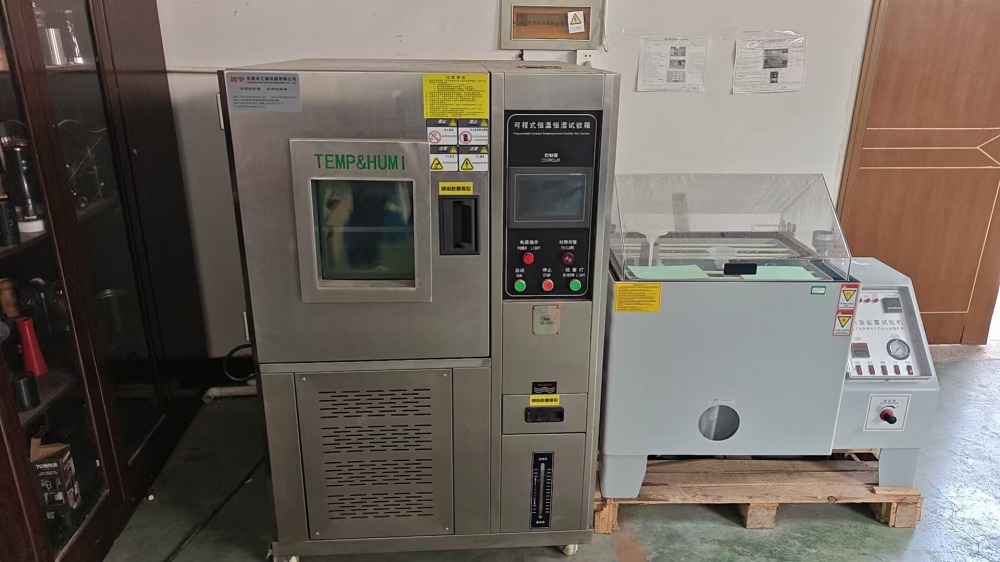
Constant Temperature & Humidity Chamber
Programmable Thermal Aging & Humidity Testing
Battery Cycle & Safety Testing Device
Battery Life & C-Rate Safety Charge Testing
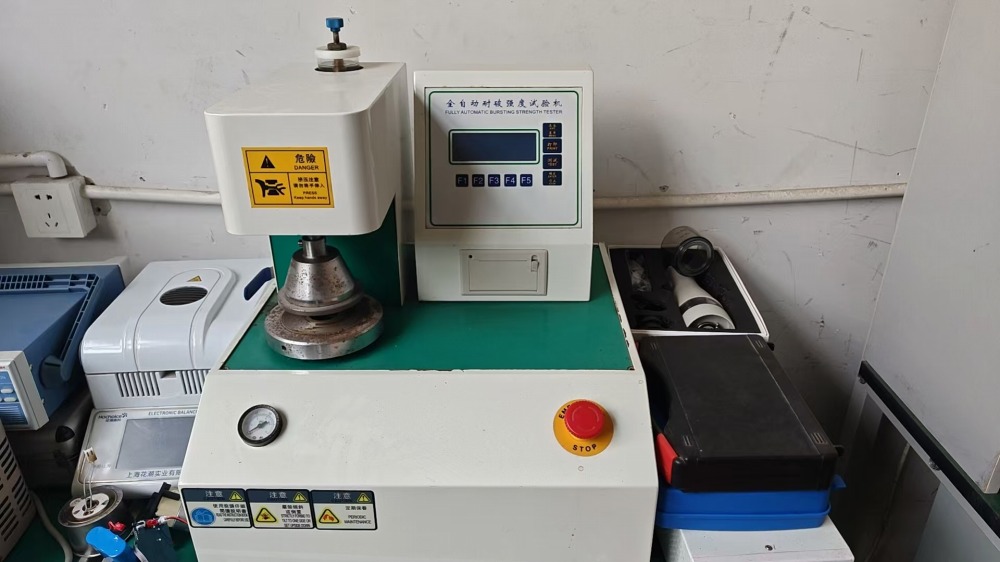
Carton Bursting Strength Tester
Automated Export Carton Bursting Strength Tester
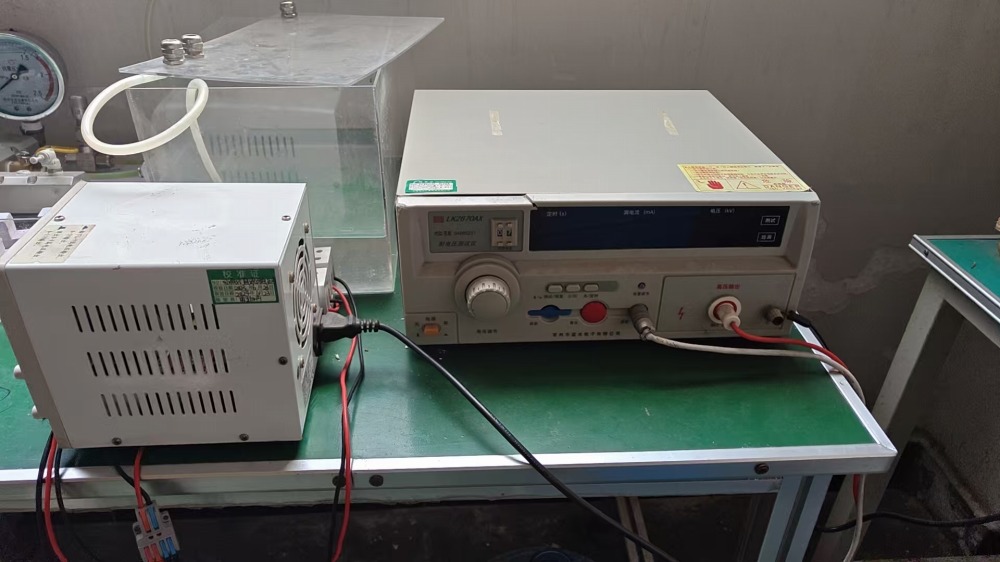
Voltage Endurance & Hipot Tester
Electrical Dielectric & Voltage Endurance Lab

B2B Procurement & Engineering FAQ

Essential clarifications regarding factory compliance, order mechanics, and tooling customization.

What is your typical OEM/ODM minimum order quantity (MOQ)?
We maintain tiered MOQs depending on the design complexity. In-stock core mechanisms start at 2 to 200 pieces for functional sample trials, while bespoke OEM private-label production (custom colorway, laser logo, custom gift boxes) typically ranges from 500 to 2,000 pieces per batch.
How do you prevent burr misalignment during high-speed factory assembly?
We eliminate manual guesswork via computerized CNC locating pins and optical alignment gauges on our dedicated assembly lines. Each motor shaft is checked for dynamic balance and concentricity before burr locking to prevent uneven wear or axial runout.
Should our brand specify ceramic burrs or surgical stainless steel flat burrs?
Ceramic burrs (Al2O3) are fully non-corrosive, non-conductive, and hold their edge exceptionally well when used with hard rock salts or acidic spices. Stainless steel flat burrs (SUS420) are superior for espresso and fine coffee applications because their razor-sharp cut yields maximum unimodal distribution with minimal heat.
What international safety and food-contact certifications do you support?
Our models comply with international export frameworks including CB Scheme, CE, RoHS, FDA, and LFGB. Furthermore, our enterprise facility undergoes regular on-site audits conducted by Intertek, verifying employee welfare, quality management systems, and production safety.
Can BMDEV design completely customized exterior tooling for private labeling?
Yes. With internal injection molding tooling shops and laser forming hardware, we take clients from 3D CAD step-files or handmade mockups to pilot T1 tooling samples within 25–35 days, accelerating your time-to-market.
How are products protected against shipping damage during sea transit?
Every export master carton is tested on our in-house Bursting Strength and Drop Test machines. Packaging designs include heavy corrugated cartons, high-density drop-tested EPE foam inserts, and desiccants to resist ocean moisture during long-haul container shipments.
Connect Directly with Our Production Engineering Team

Request comprehensive CAD engineering drawings, testing reports, and custom OEM quotations for your upcoming product launch.