Top China Wood Salt Mill Manufacturers & Factories
Comprehensive B2B Sourcing Guidebook: Engineering Standards, Sustainable Timber Selection, Ceramic Core Mechanics, and Direct OEM/ODM Industrial Capacity in Zhejiang, China.
Featured Wood & Hybrid Salt Mills for Global Sourcing
Direct factory-engineered salt and pepper grinding solutions engineered with anti-corrosive cores, premium sustainable hardwood, and integrated electric options compliant with global food-contact directives.



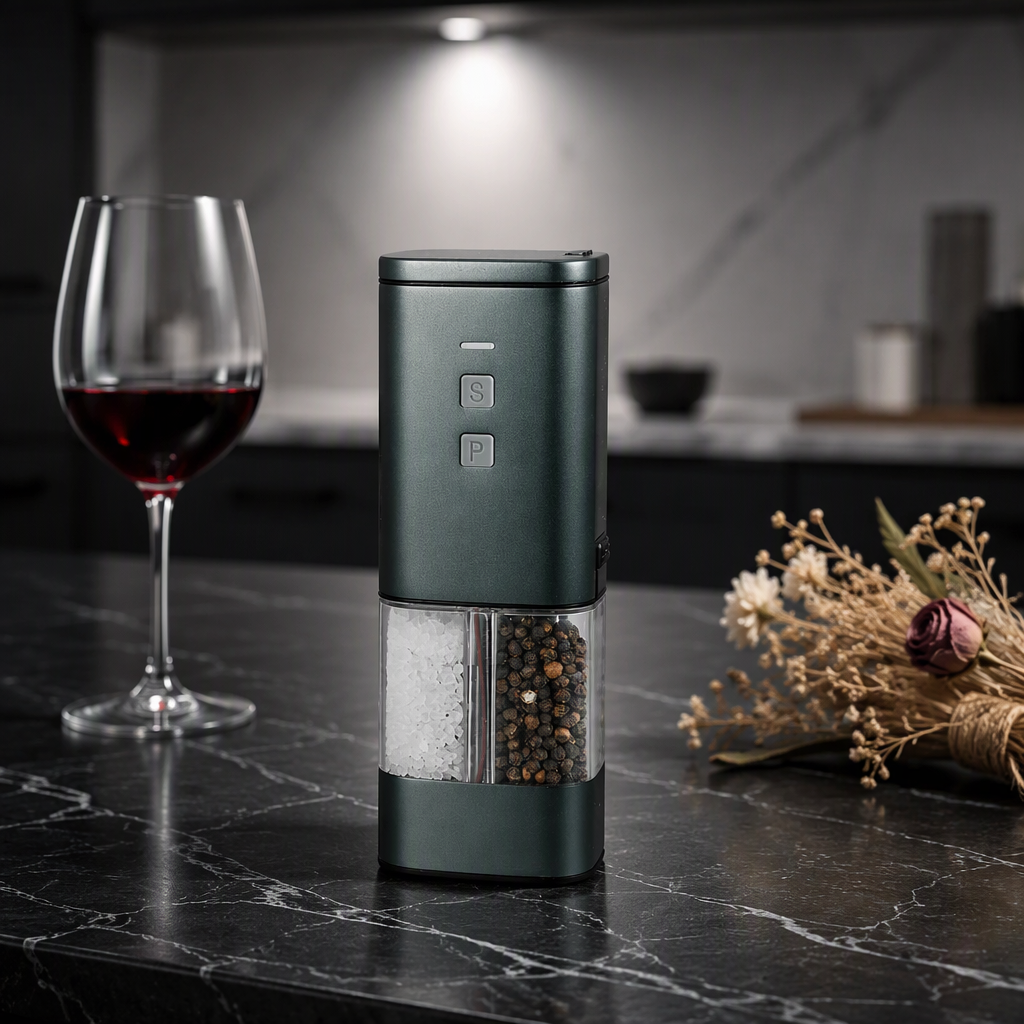
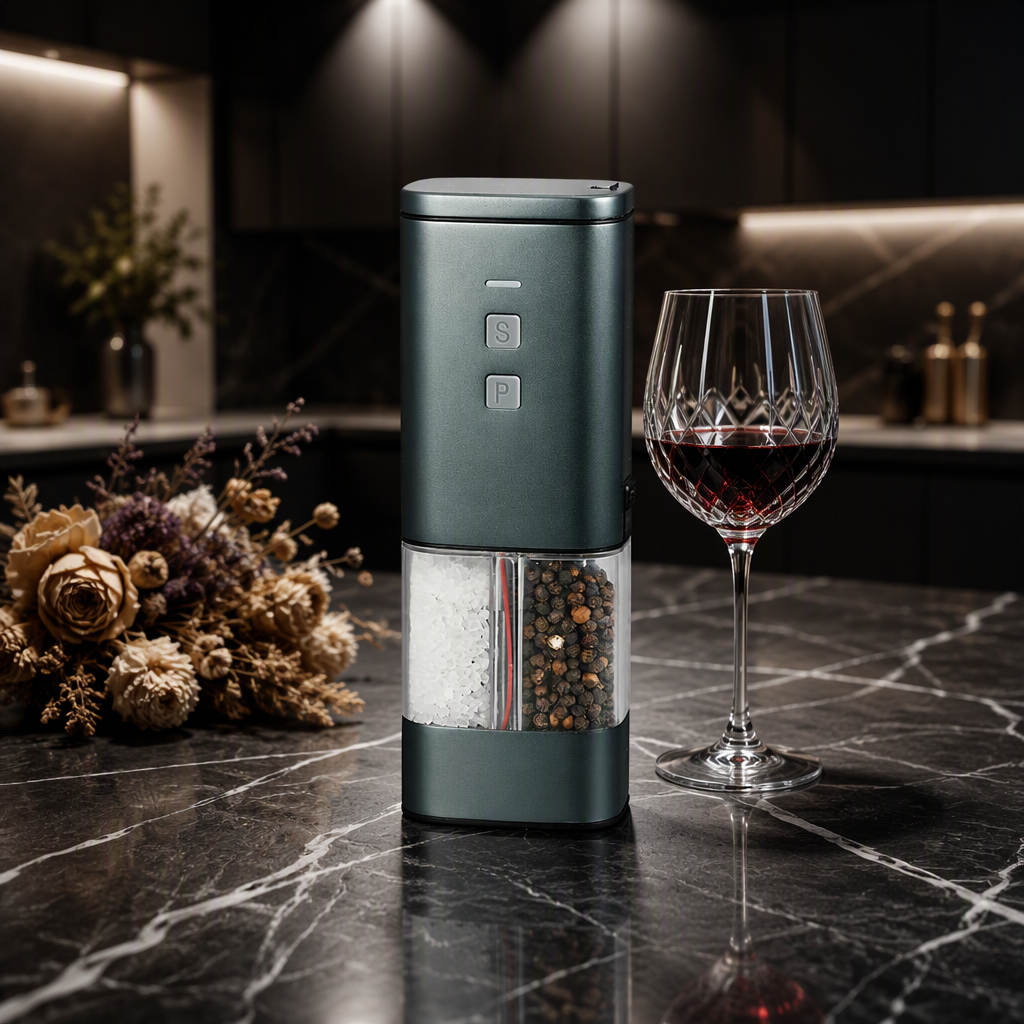


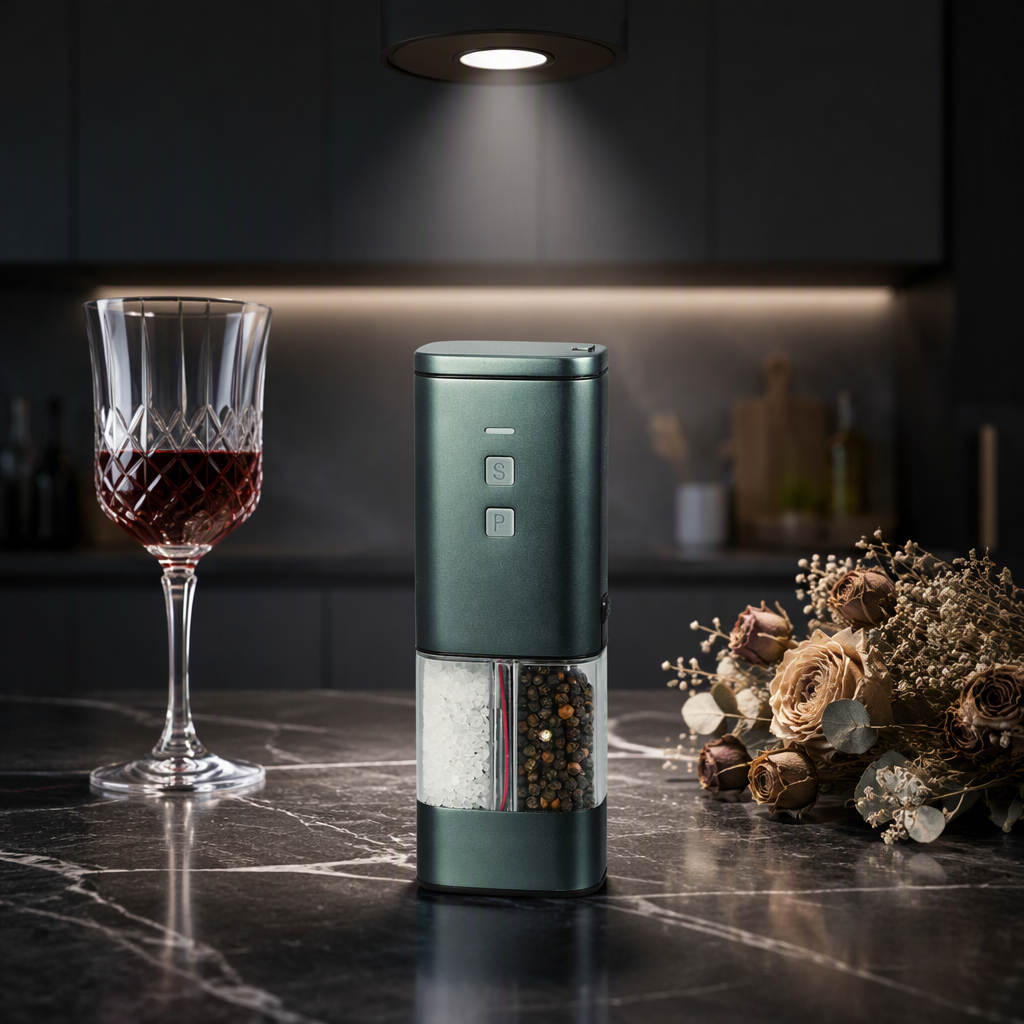
The Anatomy of Superior Wood Salt Mills: Hardwood Physics and Ceramic Chemistry
In the international culinary hardware supply chain, the term "Wood Salt Mill" encompasses rigorous mechanical and material standards that separate decorative kitchenware from durable commercial-grade appliances. When procurement directors source wooden salt mills from China, the structural integrity of the outer hardwood casing and the chemical non-reactivity of the internal grinding engine represent the primary metrics of product longevity and regulatory food contact compliance.
Natural wood presents a unique engineering challenge: it is hygroscopic, expanding and contracting relative to ambient kitchen humidity. When housing coarse rock salt, sea salt flakes, or Himalayan pink crystalline salts, the timber interior is continuously exposed to ionic osmotic stress. Inferior wood salt mills manufactured from inadequately seasoned lumber with high moisture content (>12%) inevitably experience radial warping, internal barrel cracking, and spindle misalignment. At Zhejiang BMDEV Plastic Industry Co., Ltd., every wooden workpiece undergoes automated vacuum drying, high-frequency radio frequency seasoning, and food-grade mineral oil stabilization to balance the wood's internal equilibrium moisture content (EMC) strictly between 8% and 10% prior to CNC turning and internal chamber boring.
| Wood Variety | Janka Hardness Rating | Grain Density & Porosity | Hygroscopic Stability | Best Application & Sourcing Tier |
|---|---|---|---|---|
| Acacia (Acacia mangium) | 1,750 lbf | High density; interlocking grain | Superior water/rot resistance | Premium natural finish, luxury restaurant sets |
| European Beech (Fagus sylvatica) | 1,300 lbf | Dense, fine pore distribution | High dimensional stability after dry kiln | Opaque spray lacquers, matte retro finishes |
| Rubberwood (Hevea brasiliensis) | 960 lbf | Medium density; open pore | Moderate; requires synthetic sealants | High-volume retail promo, hypermarket OEM |
| Rubberwood Composite / Walnut Stained | 1,010 lbf | Uniform engineered timber | Predictable thermal expansion | Mid-tier commercial table sets, drop-shipping |
Beyond external timber, salt requires an uncompromising grinding core. Carbon steel and high-carbon blade systems—while exceptional for peppercorns—corrode rapidly when subjected to the oxidizing nature of sodium chloride. Therefore, genuine professional salt mills demand 95% Alumina (Al₂O₃) ceramic conical burrs. Synthesized at sintering temperatures exceeding 1,600°C, these ceramic cores are diamond-hard, completely chemically inert, impervious to brine corrosion, and deliver infinite grinding cycles without shedding micro-particulates into food.
Future Sourcing & Technological Trajectories in Wood Mills
How regulatory shifts, consumer ergonomics, and hybrid electronics are redefining contract manufacturing specifications for global retail and private-label buyers.
FSC Chain of Custody & EUDR Compliance
Global retail chains are actively enforcing the EU Deforestation Regulation (EUDR) and stringent Lacey Act verifications. Future wood salt mill purchasing programs reject untraced lumber. Manufacturers must guarantee complete supply chain traceability, integrating geo-localized harvest logging, FSC-certified plantations, and eco-friendly waterborne polyurethane coatings that leave zero chemical migration signatures.
Hybrid Natural Wood + Electric Recharging
The culinary hardware market is experiencing a massive convergence between organic aesthetics and automated mechanics. B2B buyers no longer view wood as strictly manual. The trend favors turning sustainable acacia and beech shells into hollowed ergonomic housings equipped with quiet 3.7V planetary high-torque gearmotors, USB Type-C magnetic charging docks, and dual LED seasoning spotlights.
Anti-Clog Micro-Adjustment Mechanisms
Conventional spring-loaded screw caps frequently loosen over time, leading to inconsistent granule distribution and jamming from salt moisture. The upcoming generation of wood mills utilizes positive detent stepless click-rings located at the base. These click mechanisms lock the ceramic burrs precisely from coarse rock cracks down to ultra-fine dust while shielding the internal spring assembly from salt ingress.
Vertically Integrated OEM/ODM Industrial Scale
Why tier-1 global brands bypass middlemen to engineer directly within our 12,538 m² integrated manufacturing campus in Tongqin Town, Jinhua, Zhejiang.
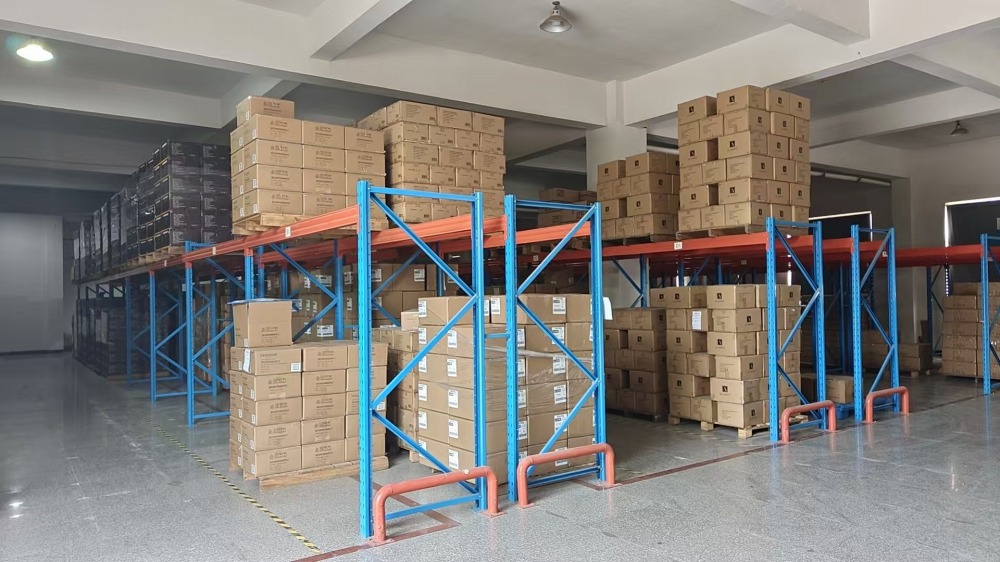
Founded more than 23 years ago, Zhejiang BMDEV Plastic Industry Co., Ltd. represents the technological benchmark for kitchen grinding mechanisms, salt and pepper mills, coffee grinders, and seasoning storage equipment. Audited and verified on-site by Intertek, our manufacturing campus houses 264 seasoned technical specialists running 10 dedicated production lines under an ISO 9001:2015 quality framework.

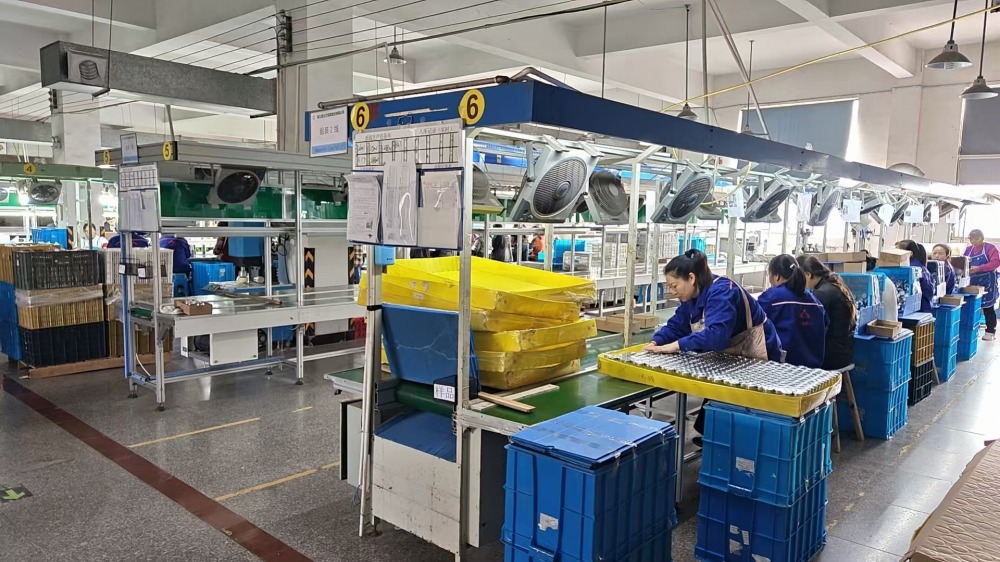
Full In-House Metal & Mold Tooling
Unlike standard trading operations that outsource subassemblies, BMDEV manages complete tooling in-house: high-precision plastic injection molding machines, automatic laser tube cutters, punch presses, and proprietary hydraulic bulging lines for seamless stainless steel collars. This vertical self-reliance protects buyers from component delays, ensures 0.02mm dimensional tolerances, and stabilizes OEM unit costs.
Military-Grade Environmental Stress Lab
Every wooden salt mill batch is subjected to destructive quality testing in our in-house lab. Our engineers simulate coastal dining conditions with programmable salt-spray corrosion chambers, run accelerated thermal-humidity cycle cabinets (-20°C to 70°C) to monitor wood warping, perform carton drop bursting stress analyses, and verify lithium battery voltage reliability for motorized mills.
Frequently Asked Questions for B2B Salt Mill Importers
Critical commercial and technical clarifications addressing minimum order volumes, material safety compliance, private-label branding, and factory guarantees.