
Engineering Benchmark: Top Sourced Mini Grinder Series
Tested for motor endurance, grind uniformness (particle size distribution), and drop resilience. Certified under international standards for retail chains, e-commerce brands, and global distributors.
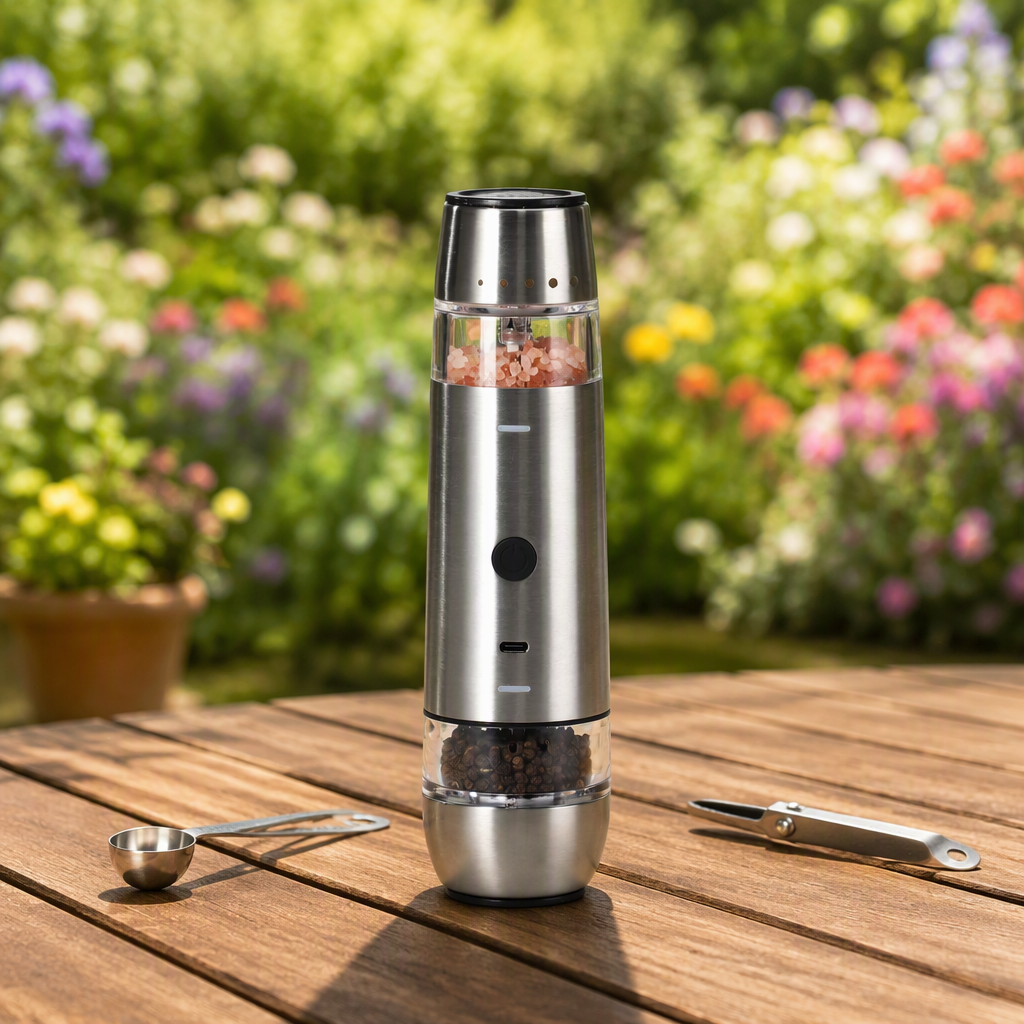
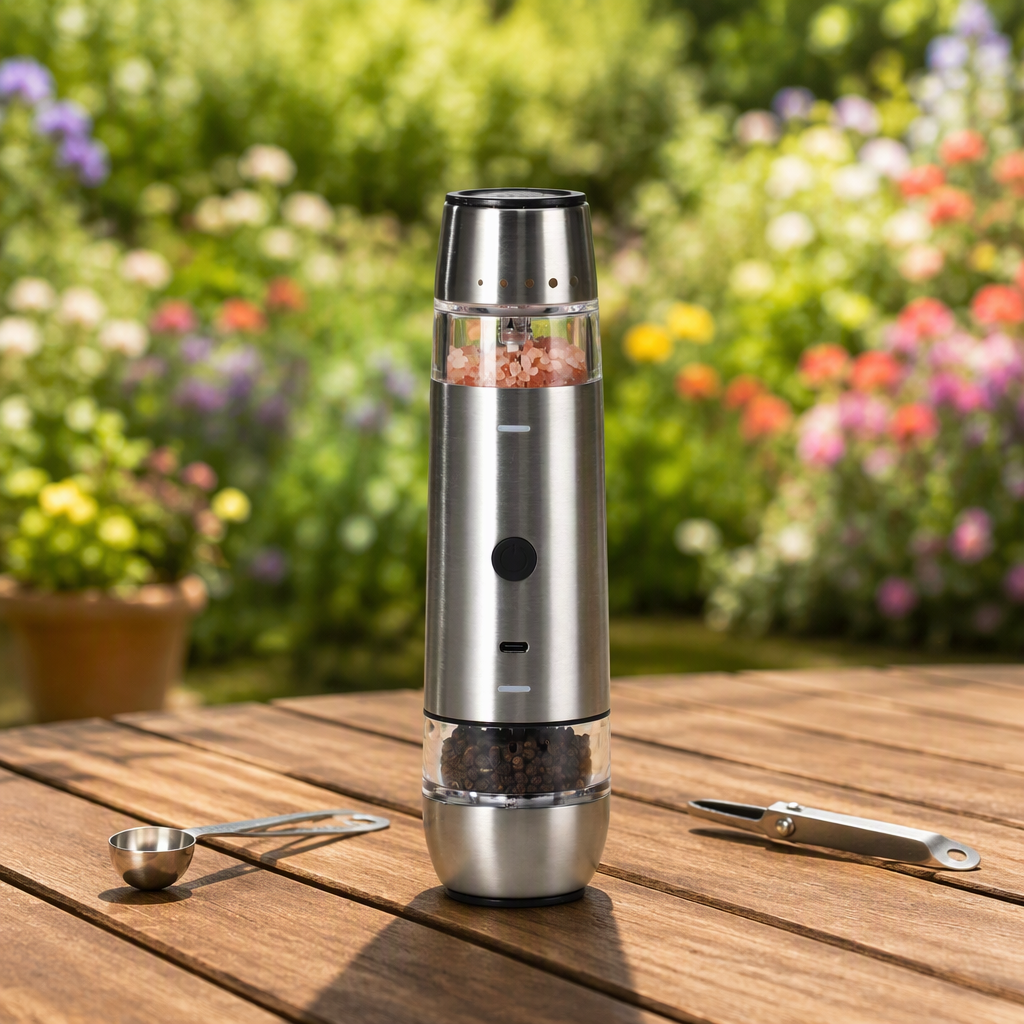
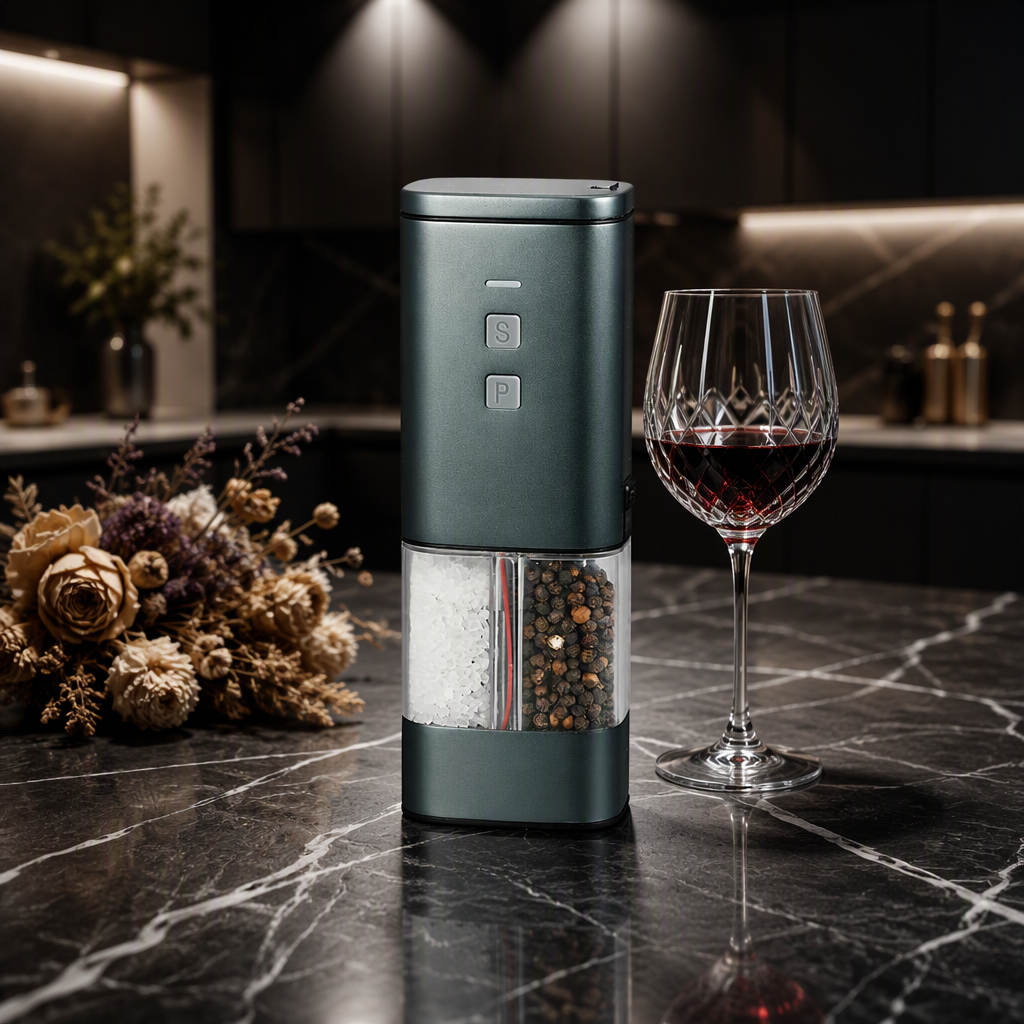
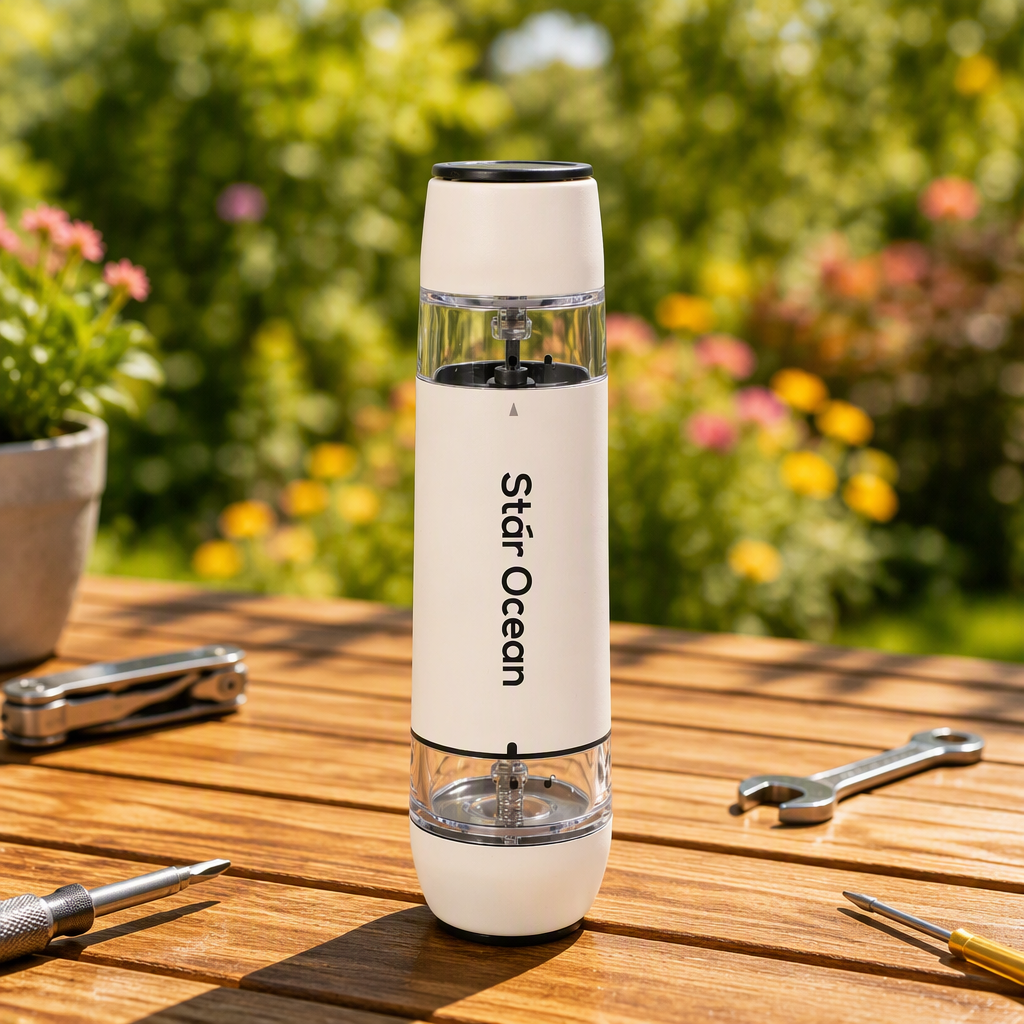



23+
Years Production Heritage
12,538 m²
Certified Facility Area
264
Direct Manufacturing Staff
100%
Intertek Audited Precision
The Global Mini Coffee Grinder Architecture & Market Landscape
Analysis of burr dynamics, motor torque curves, battery thermal degradation, and export compliance benchmarks across Europe, North America, and emerging specialty coffee markets.
High-Precision Burr Topologies
The core determinant of extraction fidelity in small form factor grinders is burr alignment under lateral loads. While high-alumina ceramics dominate entry-to-mid consumer price tiers due to wear resistance and thermal neutrality, premium mini grinders demand CNC 420/304 stainless steel conical burrs with multi-axis micro-milling to achieve a narrow particle size distribution (PSD) for espresso and pour-over brewing.
Planetary Gearmotors & Battery C-Rates
Ultra-compact footprints introduce severe motor stall torque challenges with dense, high-altitude lightly roasted beans. Modern procurement shifts away from high-RPM direct-drive DC motors toward metal planetary gear reduction assemblies (1:24 ratio), providing over 1.8 N·m of torque at steady 60 RPM while drawing power from high-discharge 18650/21700 lithium-ion cells with integrated battery management systems (BMS).
Food Contact Regulations & Audits
Cross-border supply chains face heightened regulatory scrutiny. Exporters must ensure non-migrating materials conforming to FDA 21 CFR 177.1520 and Germany's stringent LFGB Section 30/31. Components must be evaluated via total organic carbon (TOC) and migration testing, preventing volatile plasticizer or heavy metal leaching during frictional bean processing.
Strategic Procurement Forecast: Sourcing Trends for 2026–2030
1. The Convergence of Single-Dose Architecture in Mini Portable Footprints: Commercial zero-retention workflow is rapidly decentralizing into the consumer travel and compact kitchen sector. Importers are phasing out static hoppers in favor of anti-static plasma ionizers, bellows, and steep 65-degree funnel throats that minimize coffee retention below 0.1g per 20g dose.
2. USB-C Power Delivery & High-Density Thermal Management: The global standard is moving toward USB-C PD (Power Delivery) capable of 9V/12V fast charging, allowing continuous 35-cycle grinding without cell voltage sagging. Thermal engineering now dictates aluminum unibody heat sinks surrounding motor housings to prevent heat conduction from degrading delicate aromatic volatile compounds during prolonged grinding.
3. Dual-Use Modular Grinding Engines: Major retailers seek SKU consolidation through cross-functional mechanical platforms. Modular drive mechanisms that can support fine-tolerance coffee bean cutting alongside high-hardness crystalline salts or whole peppercorns using interchangeable burr inserts offer importers reduced tooling Capex and maximized inventory turn ratios.
Supplier Qualification Matrix & Technical Benchmark
Data-driven cross-examination of operational capabilities separating tier-one original equipment manufacturers from intermediary trading entities.
| Assessment Criteria | Tier-1 Integrated Manufacturers (BMDEV Standard) | Mid-Tier Assembly Workshops | Trading Intermediaries |
|---|---|---|---|
| Tooling & Molding Autonomy | In-house plastic injection tooling, CNC die fabrication, and laser cutting lines. | Outsourced injection molding; assembly-only operations. | Zero machinery ownership; reliant on multiple external supply chains. |
| Burr Alignment Precision | Dual radial ball-bearing suspension; concentricity tolerance < 0.03mm. | Single bronze bushing; mechanical play > 0.12mm. | Unverified; generic market stock variance. |
| Electrical Safety & Compliance | CB Scheme, CE, RoHS, UN38.3 lithium battery transport certification in-house. | Reliance on sub-component vendor certificates. | Discontinuous documentation; third-party recertification needed. |
| Quality Assurance Labs | Equipped with salt-spray, programmable temp/humidity, carton bursting, and drop testers. | Visual cosmetic checks only; basic go/no-go gauges. | Third-party pre-shipment inspection required at buyer's cost. |
| Customization & ODM Depth | CAD/CAM engineering from sketch to functional prototype within 21 days. | Limited to pad printing logos and standard color masterbatches. | Outer packaging graphics and barcode labeling only. |
Integrated Manufacturing Ecosystem: Zhejiang BMDEV
Spanning 12,538 m² of owned manufacturing space in Jinhua, Zhejiang. Full traceability across all 10 production and quality verification checkpoints.

01. Material Testing
Strict spectral and tensile verification of incoming polymers and stainless steel alloy lots.

02. Precision Molding
Fleet of automated injection units fabricating ABS, PCTG, and Tritan food-grade chambers.
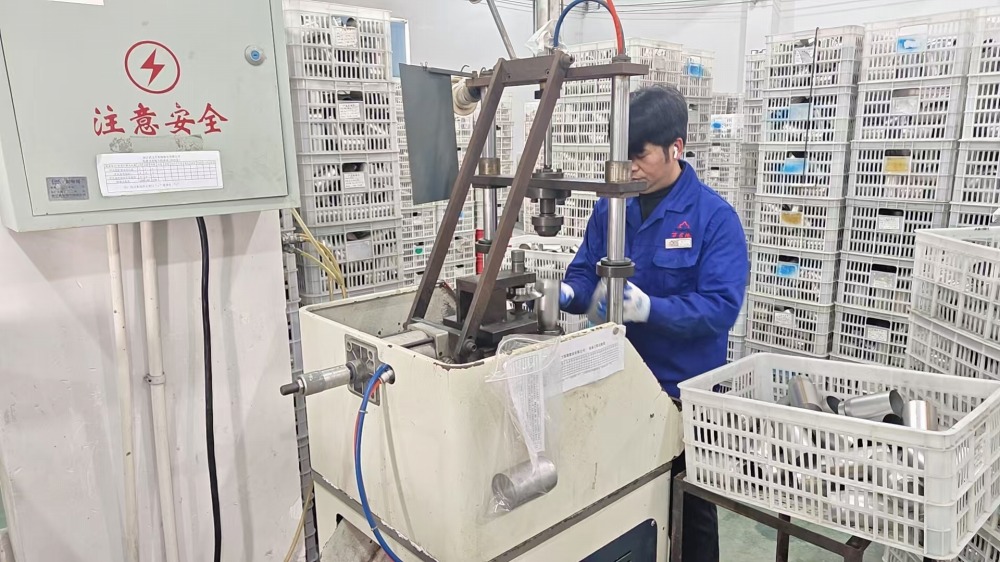
03. Laser Tube Cutting
High-speed laser profiling of seamless stainless steel hulls, providing millimeter tolerances.
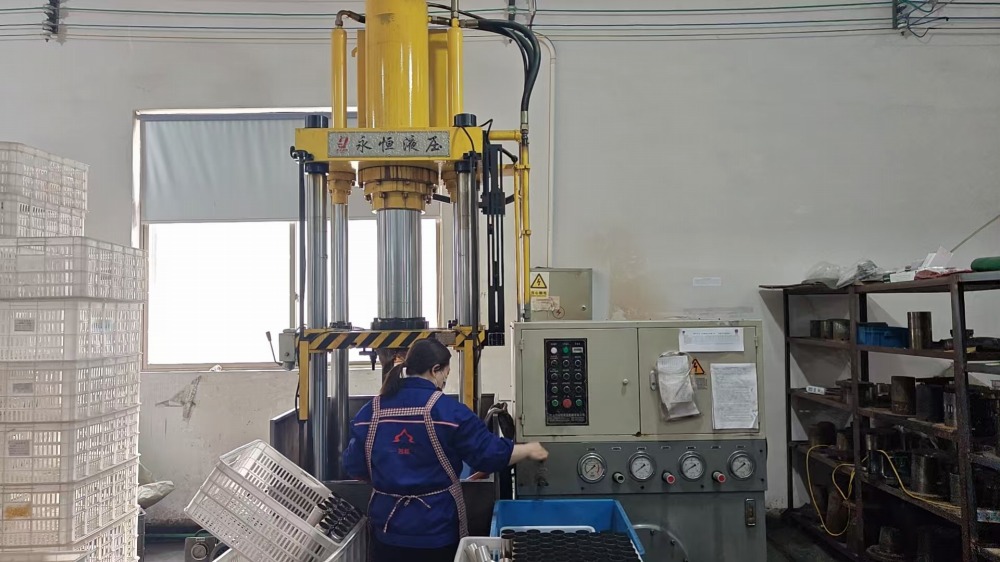
04. Hydraulic Bulging
Specialized hydro-forming equipment shaping ergonomic curves in metallic grinder chassis.
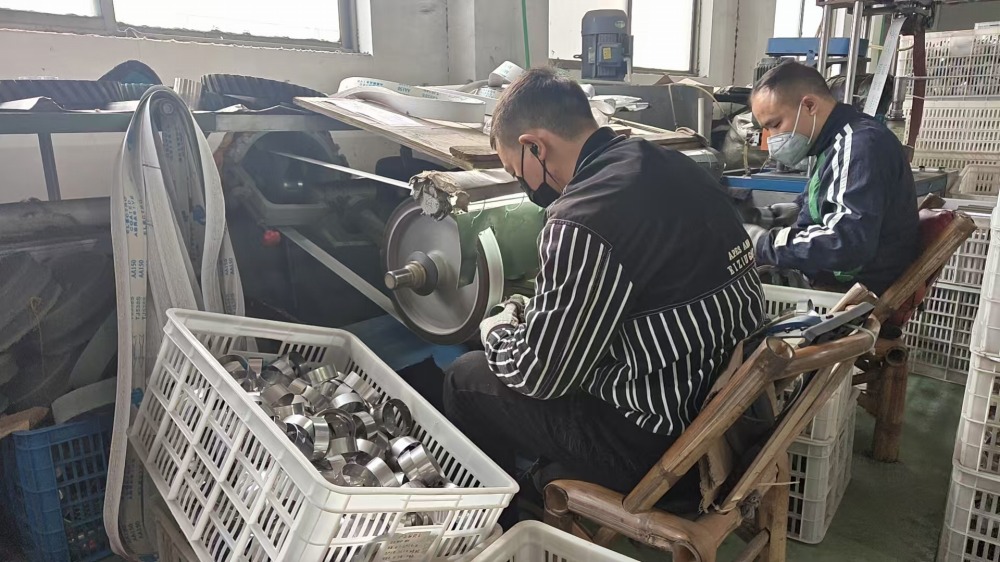
05. Surface Finishing
Automated and satin polishing stations generating brushed, bead-blasted, or mirror sheens.
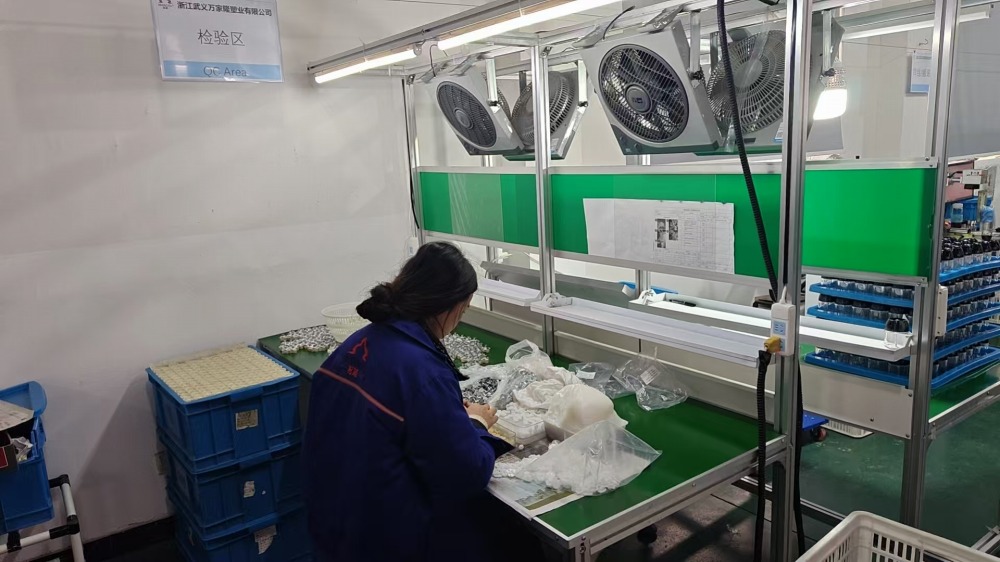
06. In-line QA Gates
Dedicated inspection stations isolating motor current fluctuations and runout flaws.
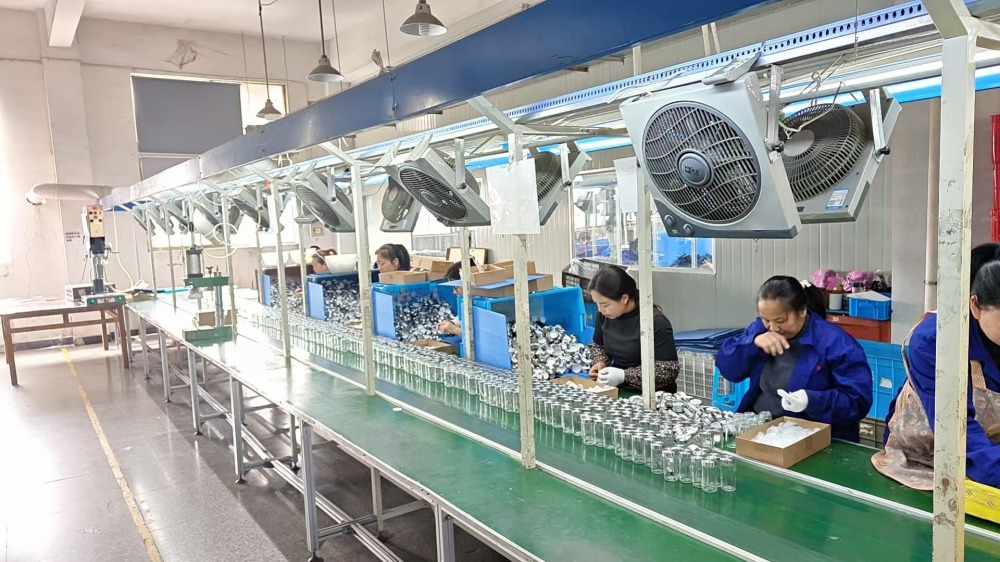
07. Clean Assembly
Anti-static dust-controlled assembly bays dedicated to electric gear and lithium cell coupling.

08. Export Packaging
Burst-tested corrugated cardboard packout meeting Amazon ISTA-3A/6A transit shock limits.
Procurement FAQ: Technical & Commercial Inquiries
Critical operational answers regarding factory minimums, tooling lifecycles, burr dynamics, and transit assurance.
Q1: What is the realistic MOQ structure for OEM private label customization?
While selected off-the-shelf samples start from 2 to 201 units for initial engineering evaluation, standard custom-branded runs (custom pantone shells, laser-etched corporate branding, and tailored gift-box packaging) feature an accessible MOQ of 500 to 2,000 units depending on the complexity of structural custom molds.
Q2: How do you solve thermal degradation of volatile oils during high-volume mini grinding?
Heat transfer into coffee beans is mitigated via two architectural safeguards: (a) utilizing high-torque planetary reduction gearboxes to keep shaft rotation between 50-65 RPM, drastically curbing frictional joule heating; and (b) integrating conductive thermal barriers between the DC rotor stator and the grind hopper assembly.
Q3: Ceramic conical burrs versus stainless steel CNC burrs: what are the key sourcing tradeoffs?
Ceramic burrs exhibit superior hardness (Mohs scale 9), zero oxidative reactivity, and zero corrosion, making them highly economical for household pepper, spice, and filter-drip coffee mills. CNC machined stainless steel (SUS420) burrs yield razor-sharp cutting edges that reduce coffee fines significantly, maximizing extraction uniformity for espresso.
Q4: How does BMDEV ensure lithium battery integrity during maritime and air logistics?
Every rechargeable model houses secondary battery cells certified under UN38.3, MSDS, and IEC 62133 protocols. Packaged products pass strict drop simulations, short-circuit current prevention checks, and vacuum altitude simulation tests before bill-of-lading issuance, ensuring zero shipping port impounds.
Q5: What laboratory equipment verifies long-term product survivability?
Our on-site facility runs dedicated salt-spray corrosion chambers for metallic electroplated coatings, constant temperature and humidity environmental ovens (-20°C to 70°C), mechanical cycle longevity testers, motor torque endurance benches, and carton burst strength analyzers.
Q6: How is intellectual property (IP) safeguarded when commissioning custom ODM molds?
All client-funded custom injection molds, internal gearing calculations, and industrial design patents are secured via enforceable Non-Disclosure Agreements (NDA) and exclusive mold custody contracts, ensuring bespoke tooling is never shared with third-party channels.