
Factory Direct Catalog
High-Performance Electric Beverage & Culinary Kitchen Tools
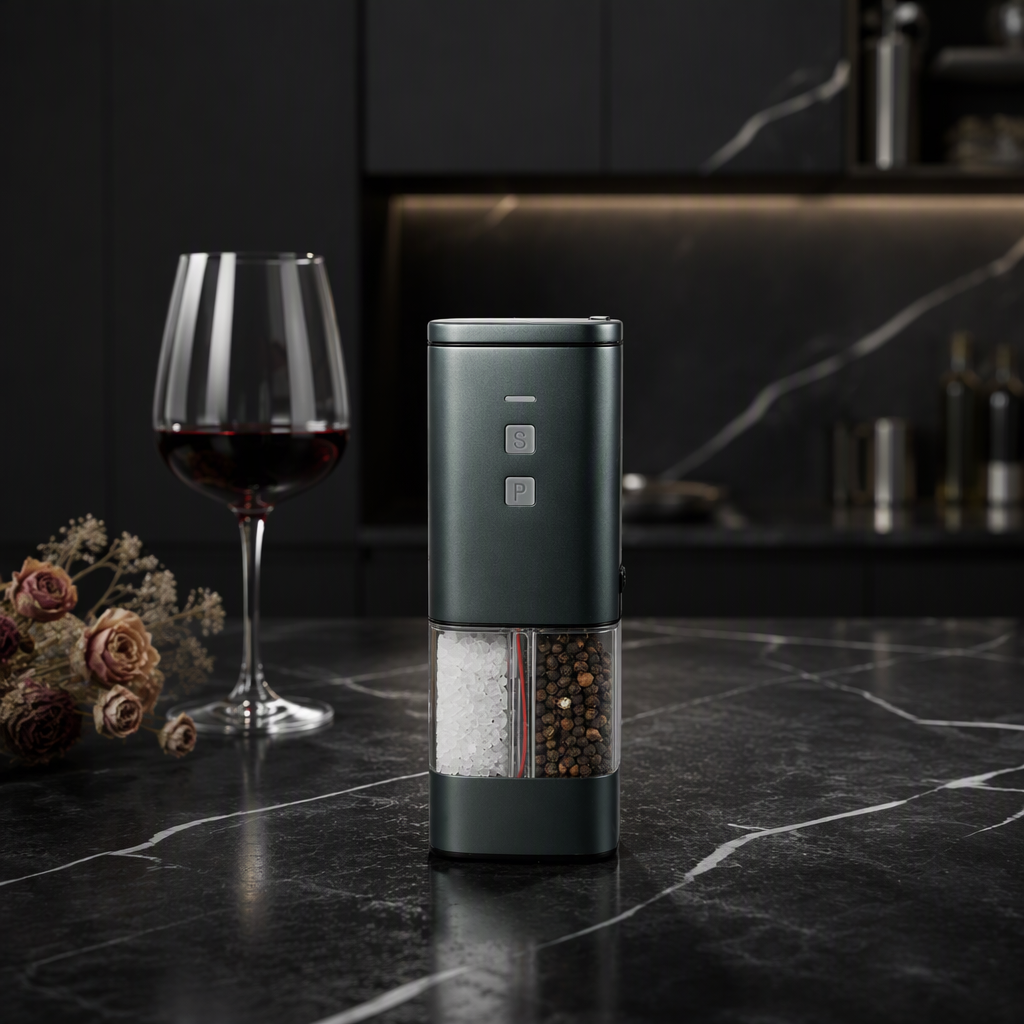
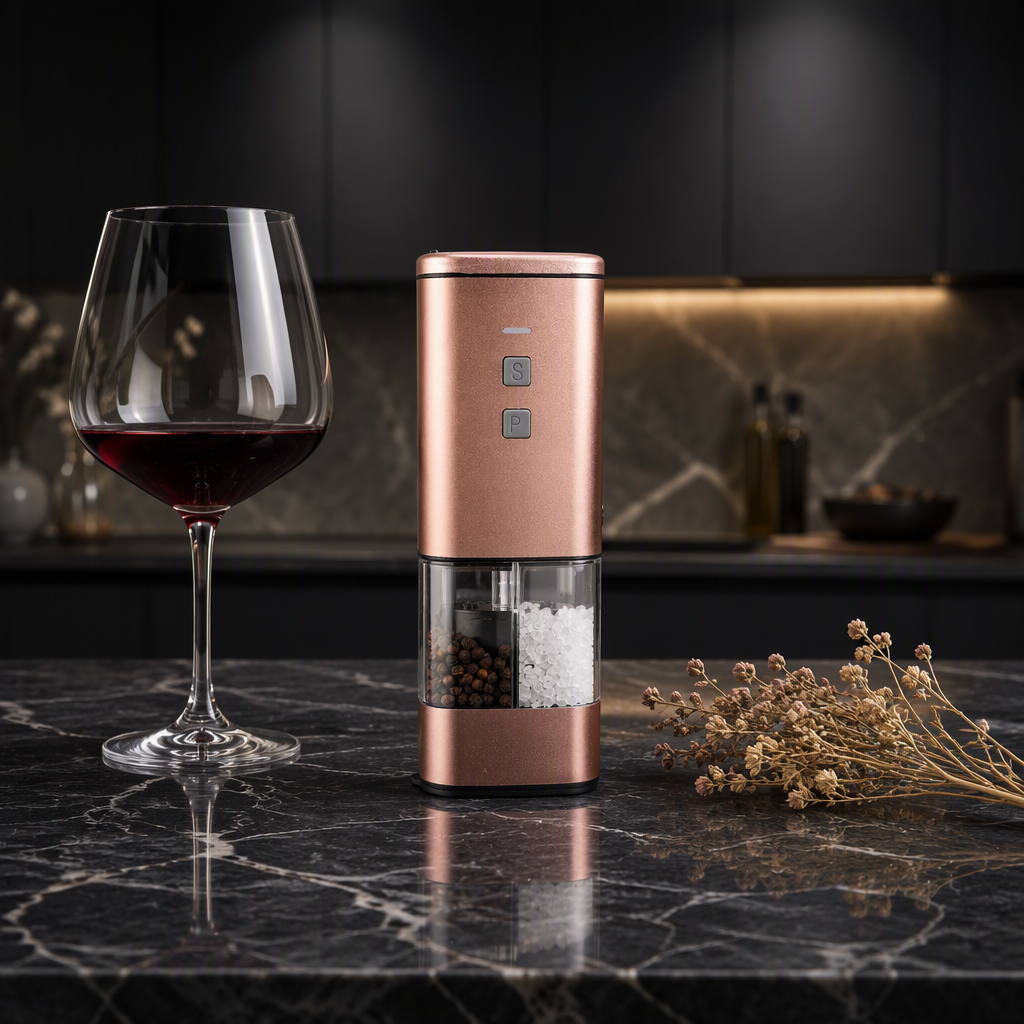
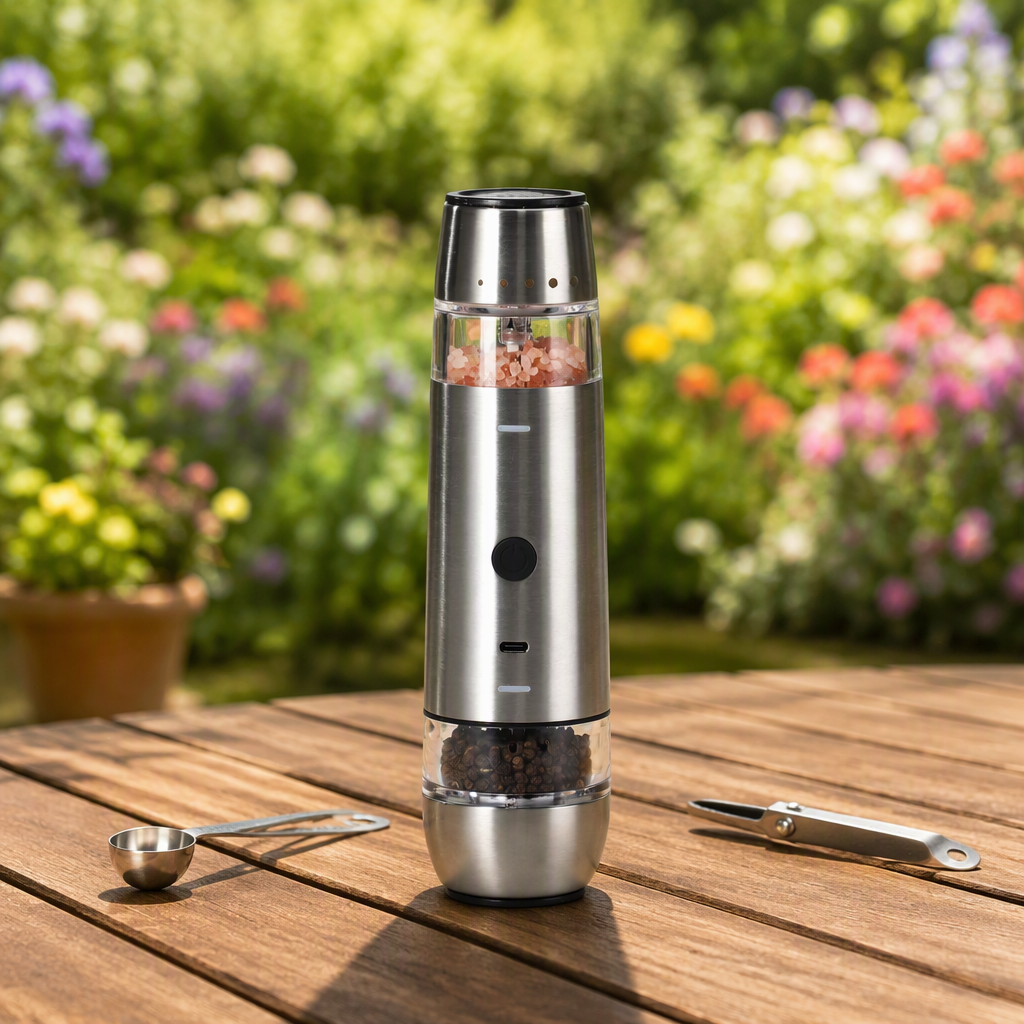
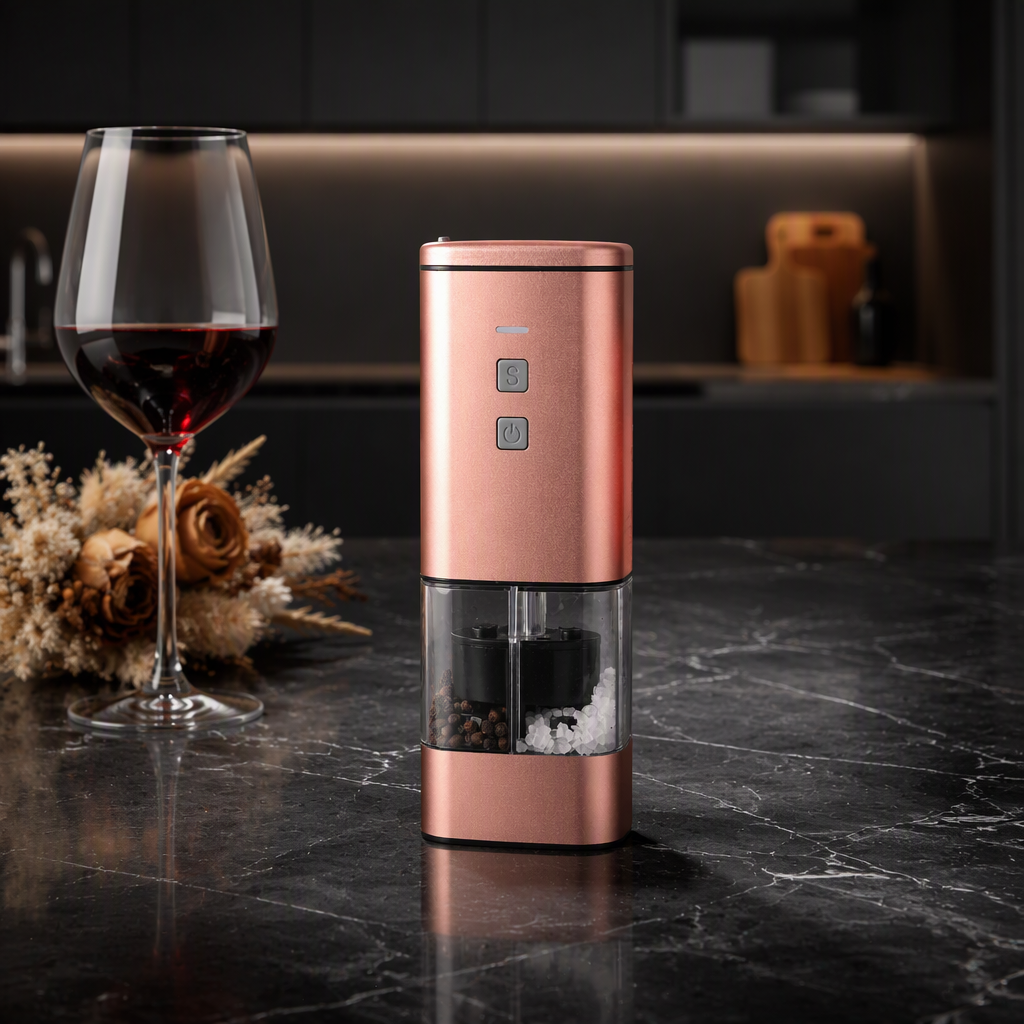
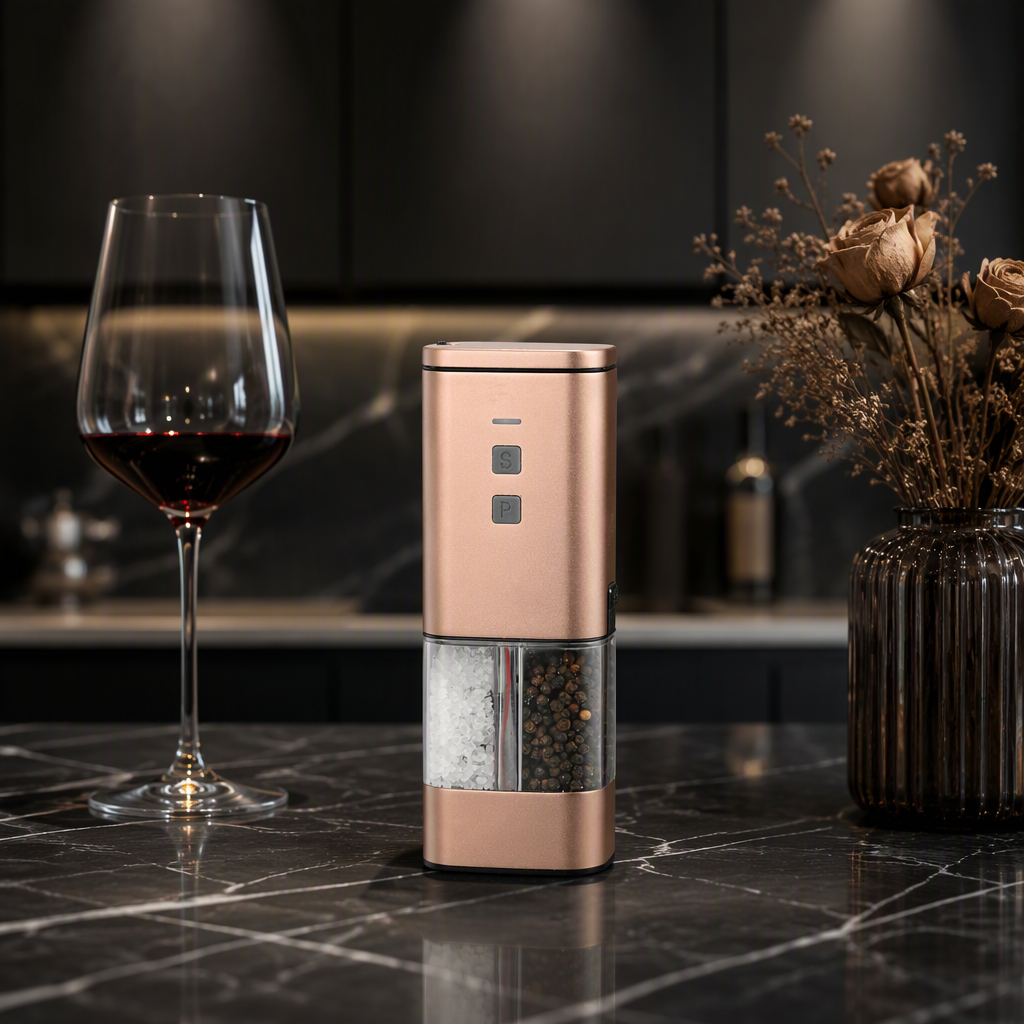
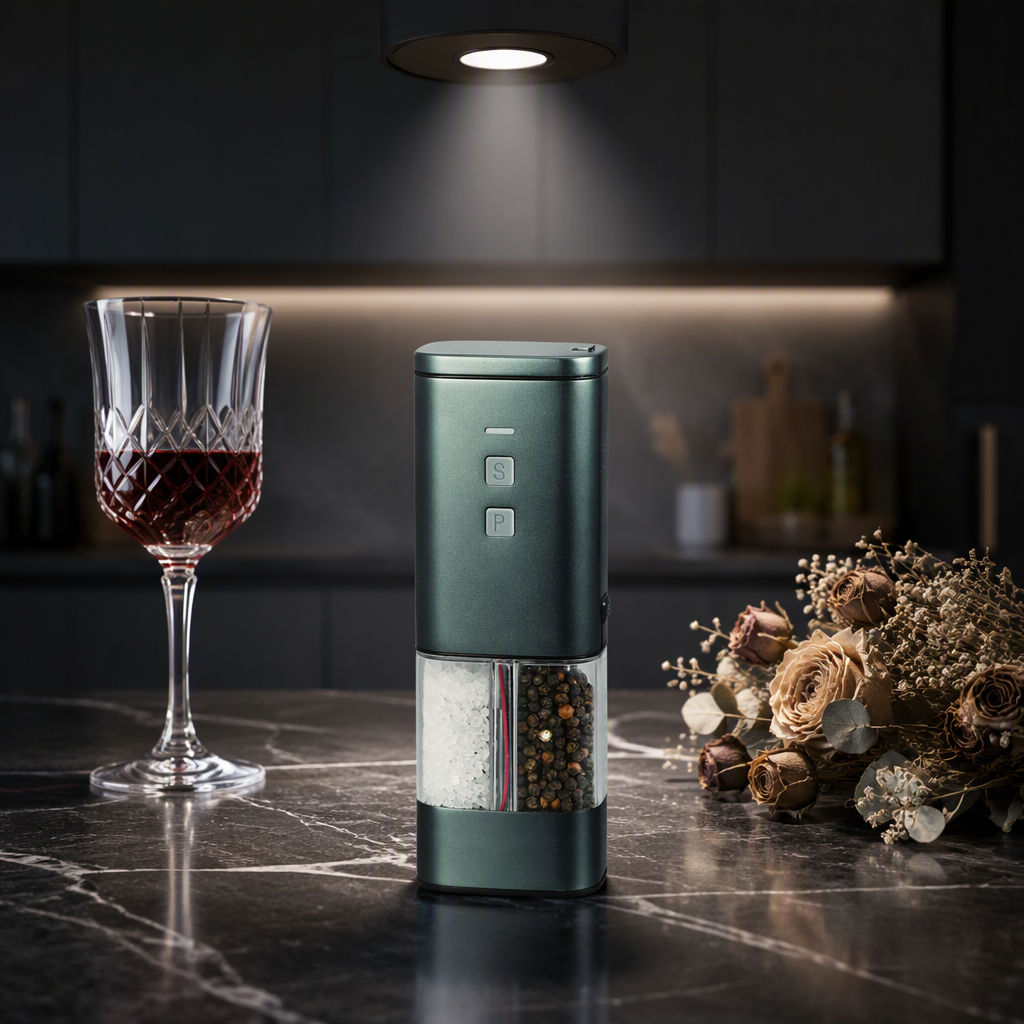
Explore precision-engineered electric extraction engines, stainless steel kitchenware, and automatic spice dispensing sets built to rigorous global regulatory baselines.

Industry Benchmark Methodology
Top 10 Electric Corkscrew Opener Factories & Exporters: Global Sourcing Guide
An authoritative engineering assessment of Tier-1 electric wine bottle uncorking apparatus suppliers, gearhead torque benchmarks, and supply chain accountability.
In high-volume commercial wine distribution, high-end hospitality procurement, and retail appliance merchandising, selecting an electric corkscrew opener manufacturing partner requires looking beyond outward aesthetics. The mechanical stress exerted during the extraction of synthetic polymer bungs, aged natural corks, or dense agglomerates requires stable micro-motor torque, high-yield metallurgical auger precision, and robust lithium-ion battery management systems (BMS).
This industry report outlines the technical standards and structural criteria that define the world's Top 10 Electric Corkscrew Opener Factories & Exporters. Drawing on data from verified factory audits, including Intertek on-site facility assessments and CB/CE/RoHS lab certifications, this guide equips B2B procurement executives, OEM product directors, and global import houses with the engineering criteria needed to vet overseas production partners.
"A consumer appliance failure rate exceeding 1.2% in electric corkscrew mechanisms can destroy brand equity in premium retail channels. Tier-1 manufacturers achieve under 0.25% return rates through automated gear tooth alignment, salt spray corrosion endurance on Teflon-coated helical spirals, and in-line load testing under synthetic cork shear loads."
The 5 Core Engineering Benchmarks Defining Tier-1 Exporters
Global buying consortiums grade potential factory partners across five mechanical and regulatory benchmarks:
High-Torque Planetary Gearboxes
Tier-1 plants utilize hardened POM or sintered metal planetary gear reduction units delivering constant 1.8 N·m to 2.5 N·m stall torque, preventing motor stall when uncorking tight necks.
Food-Grade Non-Stick Augers
Helical screws forged from high-tensile alloy steel with precision Teflon (PTFE) heat-treated coatings to lower friction coefficients and prevent core shredding of vintage corks.
Smart Battery Management (BMS)
Certified 18650 or Li-polymer battery packs engineered with overcharge, over-discharge, short-circuit, and thermal cut-off protections, compliant with UN38.3 shipping standards.
Vertically Integrated Tooling
Full in-house mold creation, injection molding, metal stamping, CNC laser cutting, and hydraulic forming lines that keep critical assembly tolerances within ±0.03 mm.
Verified Regulatory Compliance
Full documentation suites for CB (IEC Scheme), CE, RoHS, LFGB, and FDA food-contact standards, backed by third-party factory assessments like Intertek and BSCI.
Comparative Sourcing Matrix
Top 10 Factory Profiling: Capability & Sourcing Matrix
A reference matrix comparing the operational configurations of leading electric corkscrew and culinary appliance manufacturers across key manufacturing parameters.
| Factory Archetype / Class | Primary Production Focus | Typical Scale (m² / Staff) | Motor & Gearbox Architecture | Tooling & Mold Control | Standard Lead Time | Audit Suitability |
|---|---|---|---|---|---|---|
| Class 1: Vertically Integrated Heavy OEM | Electric Corkscrews, Salt/Pepper Mills, Grinders | 12,000+ m² / 250+ Staff | Planetary metal-plastic hybrid, 2.2 N·m | 100% In-house injection & stamping | 25–35 Days | Intertek / ISO9001 / BSCI |
| Class 2: Motor-Centric Micro-Electric Plant | Electric openers, small household blenders | 8,000 m² / 120 Staff | Spur gear system, copper wound DC | Outsourced molds, in-house assembly | 35–45 Days | CE / RoHS Verified |
| Class 3: Stainless Steel Metalcraft Specialists | Inox electric corkscrews, barware luxury gifts | 10,000 m² / 180 Staff | Hydraulic bulging steel body + modular motor | In-house deep draw & polishing | 30–40 Days | FDA / LFGB Passed |
| Class 4: Electronics & Smart IoT Converters | Rechargeable USB-C openers with LCD displays | 6,500 m² / 90 Staff | Integrated circuit BMS + DC planetary | Plastic injection partners | 40–50 Days | CB Scheme / FCC |
| Class 5: Promotional & High-Volume Commodity | Entry-level dry battery electric openers | 5,000 m² / 70 Staff | Basic spur plastic gear, 1.2 N·m | Standard shared commercial molds | 20–25 Days | CE Standard |
B2B Product Strategy
Curated Product Recommendations for Commercial Buyers
Matching specific electric corkscrew mechanical configurations to your retail price positioning, consumer demographics, and fulfillment channels.
Luxury Retail & Prestige Brands
Recommended Configuration: Brushed 304 Stainless Steel Housing, Li-Ion Type-C docking station, transparent blue LED cork window, dual button bidirectional feed, planetary steel gearbox (2.4 N·m torque).
Volume Supermarkets & Retail Chains
Recommended Configuration: Ergonomic ABS matte chassis with soft-touch rubberized coating, 4x AA dry battery cassette, foil cutter base stand, safety shroud with sensor lockout, custom blister or 4C color box.
Winery Merchandise & Corporate Gifting
Recommended Configuration: 4-in-1 Sommelier Gift Set packaging including electric opener, vacuum wine stopper, aerator pourer, and foil cutter. Laser etched corporate branding on anodized aluminum barrels.
Factory Tour & Capability Proof
Integrated Manufacturing Strength: Zhejiang BMDEV Plastic Industry Co., Ltd.
An Intertek-verified production footprint operating across 12,538 m² of owned manufacturing workshops in Jinhua, Zhejiang.
With 23 years of specialized precision manufacturing in electric and manual kitchen appliances, grinders, and beverage tools, Zhejiang BMDEV Plastic Industry Co., Ltd. stands as an established manufacturing partner for Tier-1 retailers across North America, Europe, East Asia, and Australasia. Verified on-site by international inspection agency Intertek, BMDEV operates an integrated 10-line production facility employing 264 skilled personnel.
Unlike assembly-only packing operations that rely on decentralized component job-shops, BMDEV executes mold development, precision plastic injection molding, automated metal cutting, high-speed stamping, CNC laser tube cutting, proprietary hydraulic bulging for stainless steel shells, robotic polishing, and semi-automated clean-line assembly completely under one roof.
BMDEV 10-Stage Vertically Integrated Production Sequence
Defect prevention at every stage—eliminating cumulative errors before final assembly.
01. Raw Material QC
Spectrometric testing of SUS304/SUS430 stainless steel coils, food-grade virgin ABS/AS plastics, and ceramic hardness verification.
02. Injection Molding
Bank of high-tonnage precision injection machines producing internal housings, gear brackets, and cosmetic external shells.
03. Metal Cutting
Automated sawing and pipe cut-off lines sizing stainless steel tubes with clean, burr-free ends for seamless casing.
04. Precision Punching
High-speed punch presses stamping internal support brackets, battery terminals, and structural chassis mounting points.
05. Laser Tube Cutting
Multi-axis fiber laser systems carving button windows, indicator apertures, and viewing ports with micron-level tolerances.
06. Hydraulic Bulging
High-pressure liquid forming giving stainless steel barrels complex ergonomic contours that cannot be rolled or stamped.
07. Metal Polishing
Automated belt and rotary polishing producing satin brushed textures, mirror finishes, or preparation surfaces for PVD coating.
08. In-Line Inspection
Dedicated intermediate testing stations checking sub-assemblies for dimensional fit and motor winding insulation resistance.
09. Controlled Assembly
Static-controlled assembly benches where planetary gearboxes, motors, PCBA boards, and corkscrews are integrated.
10. Export Packaging
Automated sealing, drop-test compliant master carton packing, and pallet strapping ready for sea, air, or rail dispatch.
In-House Reliability & Safety Testing Laboratory
Kitchen and bar tools encounter humid kitchen air, acidic wine droplets, saline table moisture, and rough transport vibrations. BMDEV maintains an in-house laboratory running continuous reliability audits on every production run:
Salt Spray Corrosion
Continuous ASTM B117 neutral salt spray chambers exposing metal parts to 48–96 hours of accelerated corrosion mist to prove rust resistance.
Temp & Humidity Cycling
Programmable climatic chambers testing operational thresholds from -20°C to 70°C and 95% relative humidity to avoid plastic embrittlement.
Battery Cycle Testing
Multi-channel battery analyzers tracking charge-discharge profiles, internal impedance, and capacity retention through 500+ deep cycles.
Carton Bursting Strength
Hydraulic bursting strength testers verifying 5-ply export corrugation resilience against puncture and compression during oceanic transit.
High-Voltage Insulation
Dielectric withstand testers ensuring transformer and charging input isolation meet global safety directives for electrical insulation.
Forward Market Horizon
Electric Corkscrew Future Procurement & Technology Trends (2025–2030)
How shifts in sustainability mandates, USB-PD power standards, and intelligent torque detection will shape the next generation of wine tools.
Universal USB-C & Fast-Charge Power
The phase-out of alkaline dry cells and proprietary barrel jacks is accelerating. Modern RFPs mandate Type-C USB charging with 15-minute quick top-ups capable of uncorking 10+ bottles on an emergency charge.
Smart Sensor Adaptive Torque
Micro-controlled optical or current-sensing feedback algorithms detect cork density changes. The system automatically shifts motor RPM and torque curves to prevent synthetic cork stripping or dry cork crumbling.
Circular Plastics & Eco-Finishes
Driven by the EU Corporate Sustainability Due Diligence Directive (CSDDD), major buyers now request post-consumer recycled (PCR) ABS casings, bamboo composite bodies, and plastic-free unbleached kraft gift boxes.
Ultra-Low Decibel Silent Drives
Fine-dining hospitality environments require low-noise operation. New helical drive gear cuts and acoustic vibration dampening mounts bring operation noise below 50 dB, down from older 70 dB levels.
Clear Execution Process
End-to-End OEM/ODM Procurement Roadmap
A proven engineering framework that takes institutional buyers from initial 3D concept through pilot tooling to ocean container dispatch.
Technical Briefing
Define product requirements, target retail price points, regional electrical safety certifications, and packaging specs.
DFM & Tooling Review
BMDEV engineers review 3D CAD files for mold flow draft angles, wall thickness consistency, and gear ratio optimization.
Functional Sampling
Rapid CNC or mold-proof sampling within 7–12 days for ergonomic testing, torque verification, and surface finish sign-off.
Pilot Line Run
A 200–500 piece pilot validation run through production lines to calibrate jigs, thermal cycle testing, and inline packaging checks.
Mass Delivery & Auditing
Full volume production run under MIL-STD-105E AQL 1.0/2.5 inspection parameters, complete with export logistics staging.
Frequently Answered Questions
Commercial Buyer Sourcing FAQ
Direct technical and commercial answers addressing common supplier evaluation concerns.
What are the standard Minimum Order Quantities (MOQ) for custom-branded electric corkscrews?
MOQs depend on customization requirements. Standard inventory chassis with silk-screened or laser-engraved corporate logos and standard gift boxing start at 500 units. Custom injection plastic color matches (Pantone-matched resins), custom anodized aluminum finishes, or bespoke blister retail packaging typically require an MOQ of 1,000 to 2,000 pieces. For completely custom ODM structural designs requiring new tooling, batch commitments start at 3,000 pieces with mold amortisation agreements available based on annual volume.
How does BMDEV safeguard against cork breakage or synthetic cork jamming during operation?
Cork breakage is prevented through two design elements: spiral auger geometry and motor torque balancing. BMDEV augers are hot-forged with uniform pitch angles and coated in non-stick, food-grade PTFE (Teflon) to minimize frictional resistance. Mechanically, our planetary gear trains deliver steady torque rather than erratic RPM spikes, pulling straight along the central axis without lateral wobble. For synthetic bungs, which require higher initial shear force, our motors deliver peak stall torque up to 2.4 N·m to ensure clean extraction without stripping the core.
What export certifications and lab reports are available for European and American markets?
BMDEV products are engineered to comply with major international directives. We provide CB Scheme certifications (IEC 60335-1 / IEC 60335-2-14), CE Declarations of Conformity (LVD, EMC), and RoHS/REACH compliance test reports issued by accredited labs like Intertek, SGS, or TÜV. For models utilizing rechargeable lithium power, full UN38.3 battery transport safety documentation, MSDS, and drop-test certificates are prepared for shipping lines. Food-contact components (including foil cutters and augers) meet FDA 21 CFR and German LFGB extraction requirements.
Can buyers conduct on-site or third-party (e.g., SGS, QIMA, Bureau Veritas) pre-shipment inspections?
Yes. We welcome customer audits and third-party pre-shipment inspections (PSI). BMDEV is an Intertek on-site verified manufacturing plant, and our facility routinely undergoes social compliance (BSCI) and ISO quality management assessments. During pre-shipment inspections, our factory test equipment—including battery discharge analyzers, carton drop testers, and high-pot insulation meters—is made available to your appointed inspectors to verify AQL standards before goods release.
What is the normal production lead time for sea freight container orders?
For initial OEM orders involving custom artwork and tailored packaging printing, lead time is 35 to 40 days from pre-production sample sign-off and deposit receipt. Repeat continuous orders run on a standard 28 to 32 day cycle. Because we handle plastic injection, tube cutting, stamping, and polishing in-house rather than waiting on outside vendors, our schedule adherence remains above 98.6% across regular shipping windows.
Request the 2025–2026 Factory Product Catalog & OEM Pricing
Connect with Zhejiang BMDEV's technical engineering team. Receive detailed step-file CAD technical packages, sample lead times, and volume tier pricing customized for your regional distribution network.