Flagship Electric & Automatic Salt & Pepper Mill Series
Tested for food-contact compliance, drop tolerance, and high-frequency culinary output under strict OEM/ODM parameters.
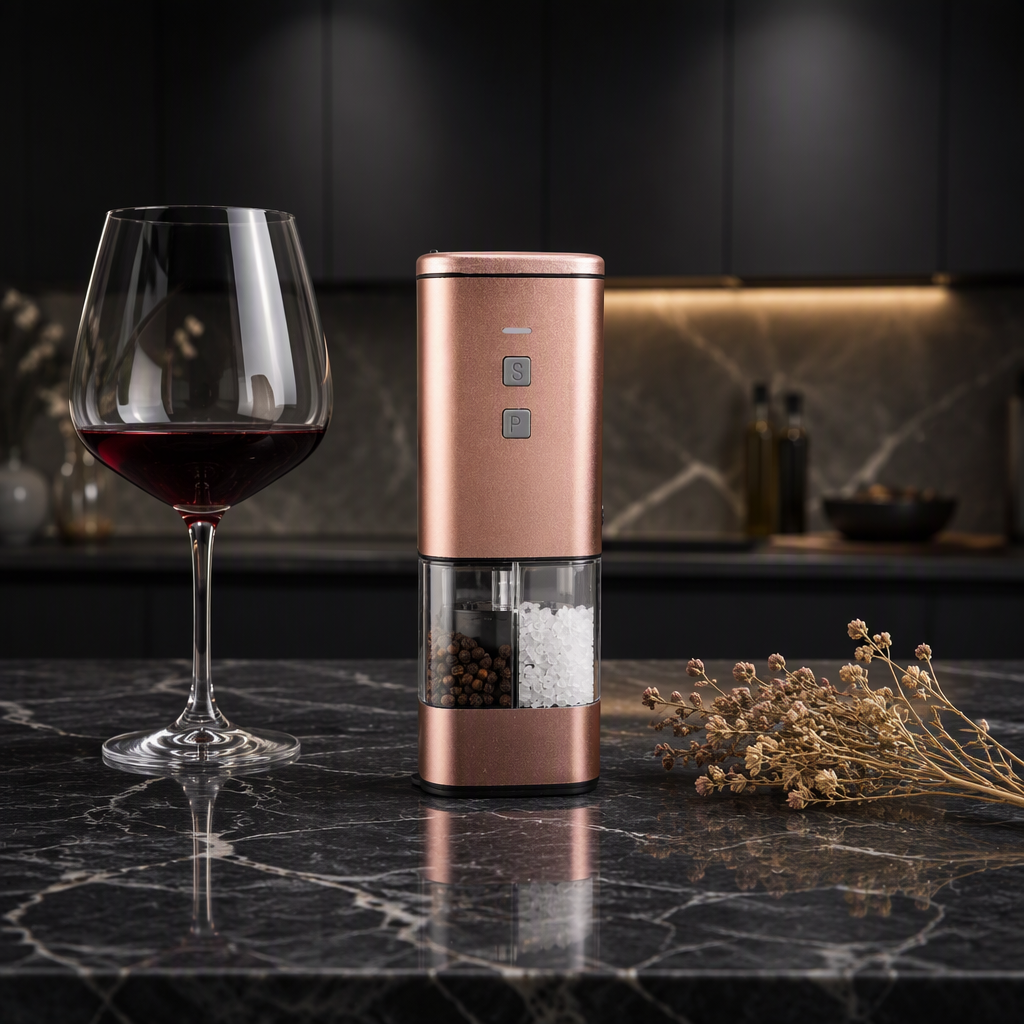
Steel Pepper Grinder Ball Pepper Grinder Chilli Pepper Grinders Bulk
- Industrial-grade ball milling design
- High-wear stainless steel housing

Motor for Pepper Grinders Plastic Free Pepper Grinder Metal Set
- All-metal motor gearbox assembly
- Zero microplastic shedding design
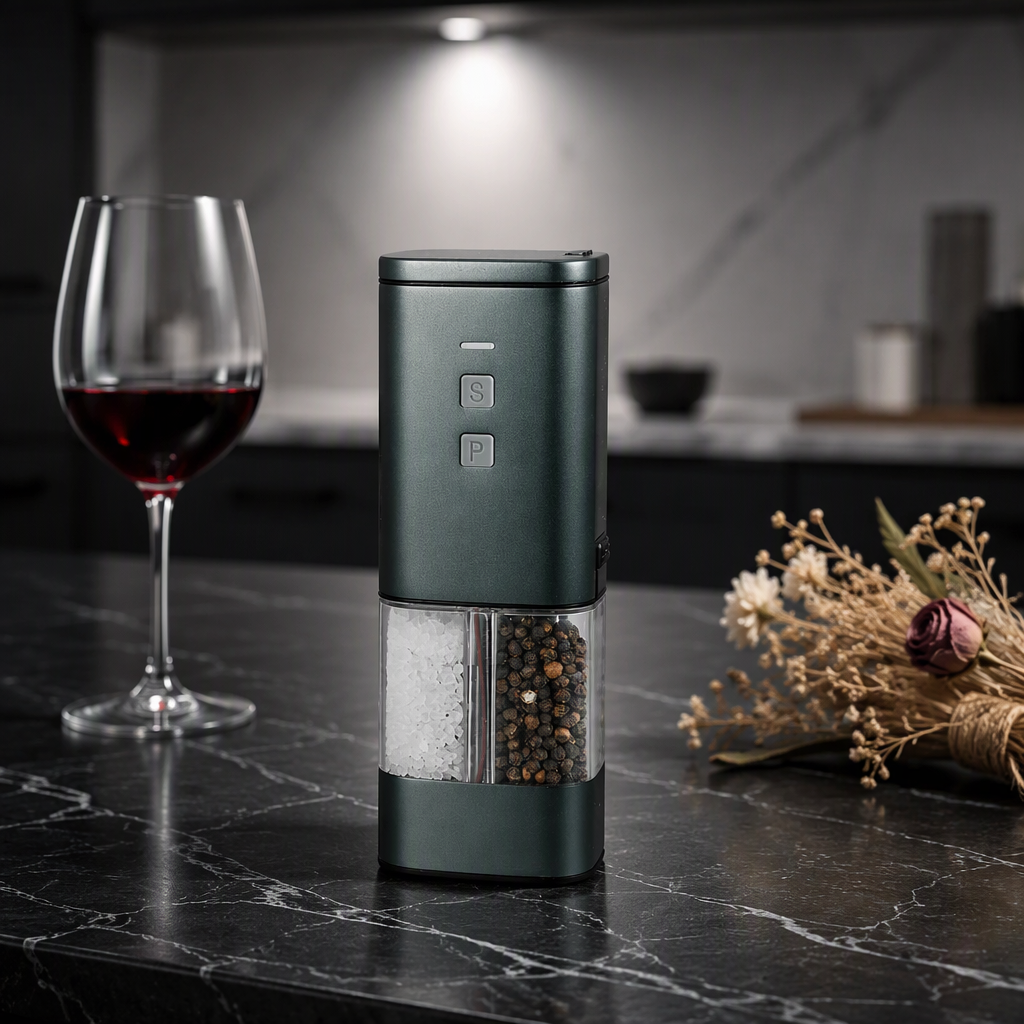
Most Popular New Design Salt and Pepper Grinder Electric Adjustable
- Multi-stage coarseness adjustment
- One-touch soft-touch activation switch

Rechargeable Salt Pepper Grinder Set Gravity Electric Salt Pepper Grinder
- Tilt-activated auto dispense (45°)
- Integrated LED illumination head

USB Rechargeable Pepper Grinder Metal Black Pepper Mill Grinder Set
- Long-life lithium battery cell
- Corrosion-proof ceramic core

Battery Operated Salt and Pepper Grinder Salt Kitchen Grinder Set
- Economical AAA/AA battery modularity
- Anti-fingerprint brushed casing
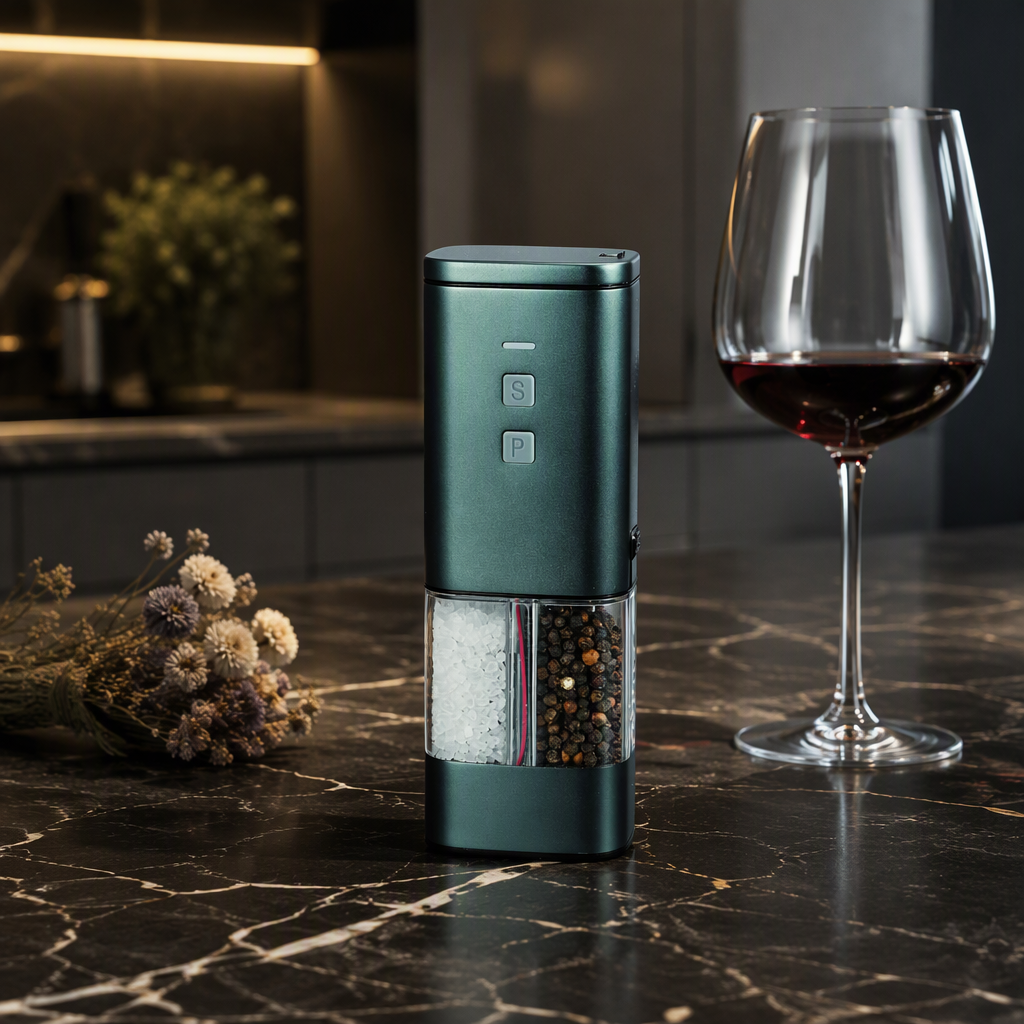
Salt and Pepper Grinder Set Colorful Bead Design Stainless Steel
- Contemporary decorative waistline
- Food-grade SUS304 / AS chamber
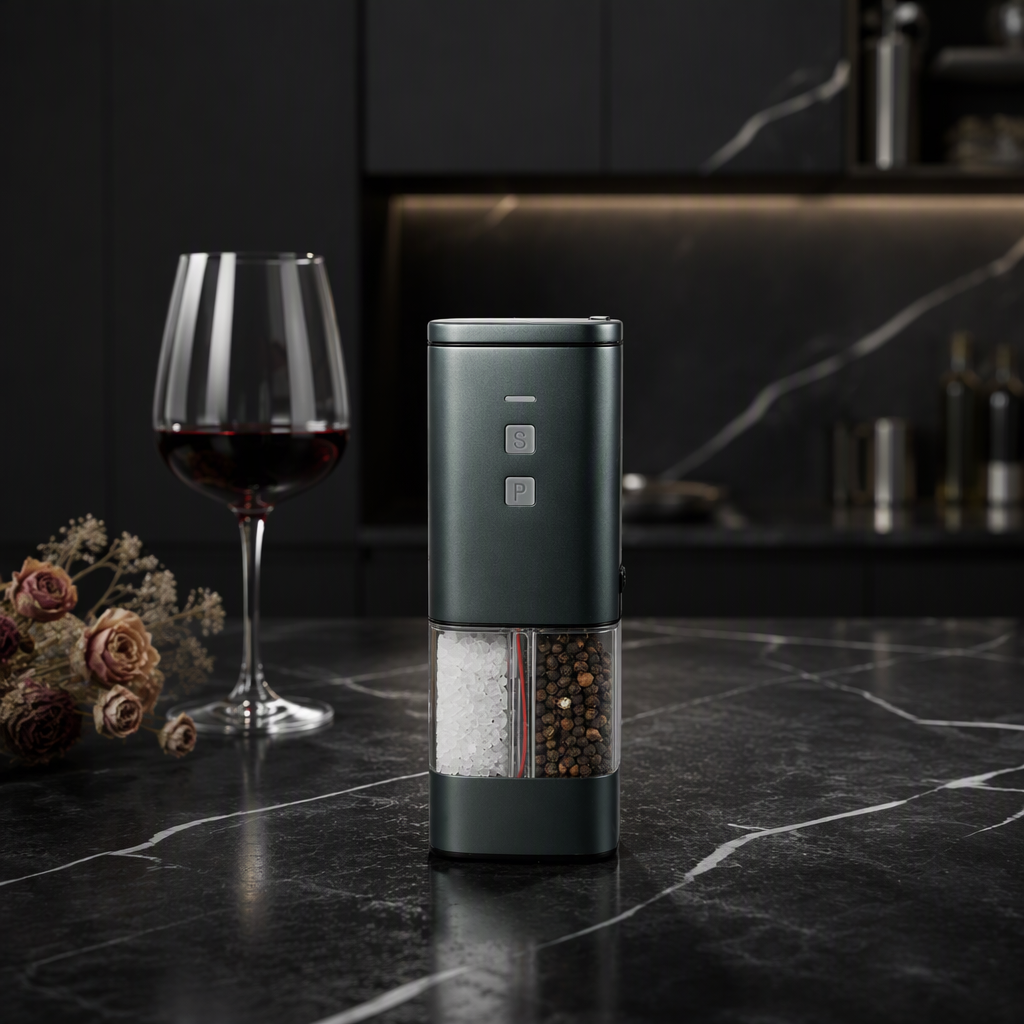
2 in 1 Salt and Pepper Grinder Stainless Brown Color Dual Mill Set
- Dual directional motor drive shaft
- Space-saving dual compartment body
Why Tier-1 Importers Source From Our Facility
Vertical manufacturing ensures unmatched cost predictability, micron-level quality control, and scalable OEM production cycles.
Technical Support & R&D
Experienced electromechanical engineers translate industrial blueprints into high-precision tooling, optimizing motor torque curves, ceramic burr angles, and battery battery power distribution.
Massive Production Capacity
With 12,538 m² of standardized floorspace and 264 dedicated staff across 10 in-house lines, we effortlessly scale production from pilot batches of 500 units to multi-container monthly shipments.
Stringent Quality Assurance
In-house laboratories conduct ASTM-certified salt-fog corrosion checks, thermal shock profiling, battery lifecycle stress tests, and automated carton drop testing for zero-defect consignments.
Pre- & After-Sales Reliability
Bilingual project directors manage accounts, offering full transparency from rapid prototyping and artwork validation to real-time production updates, customs documentation, and warranty support.
Vertically Integrated 10-Step Production Flow
Unlike assembled-to-order brokers, our factory executes every critical processing node under one roof. This closed-loop process ensures consistent mechanical tolerances, food-safe hygiene, and comprehensive traceability across high-volume OEM/ODM contracts.
 01. Material Testing
 02. Injection Molding
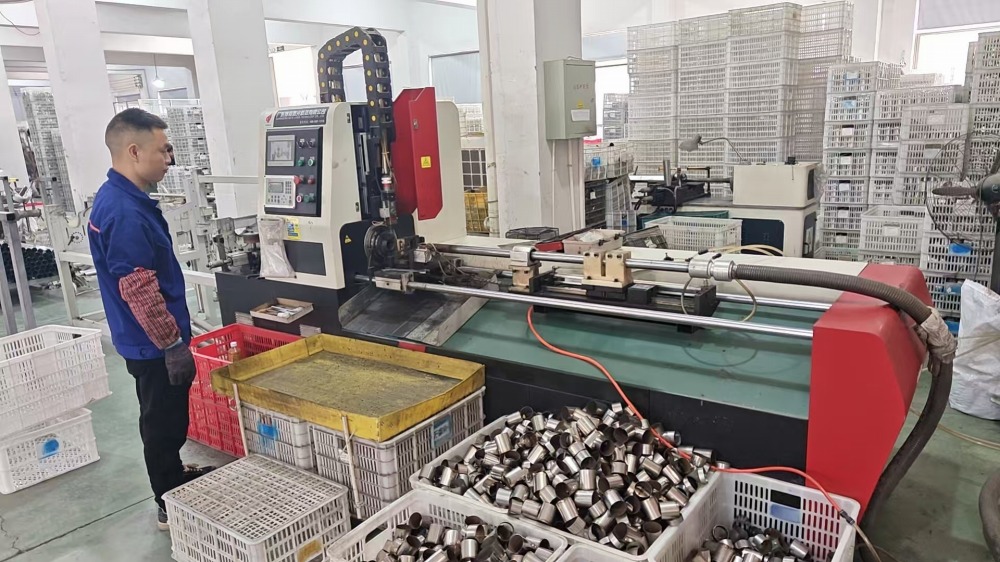 03. Metal Cutting
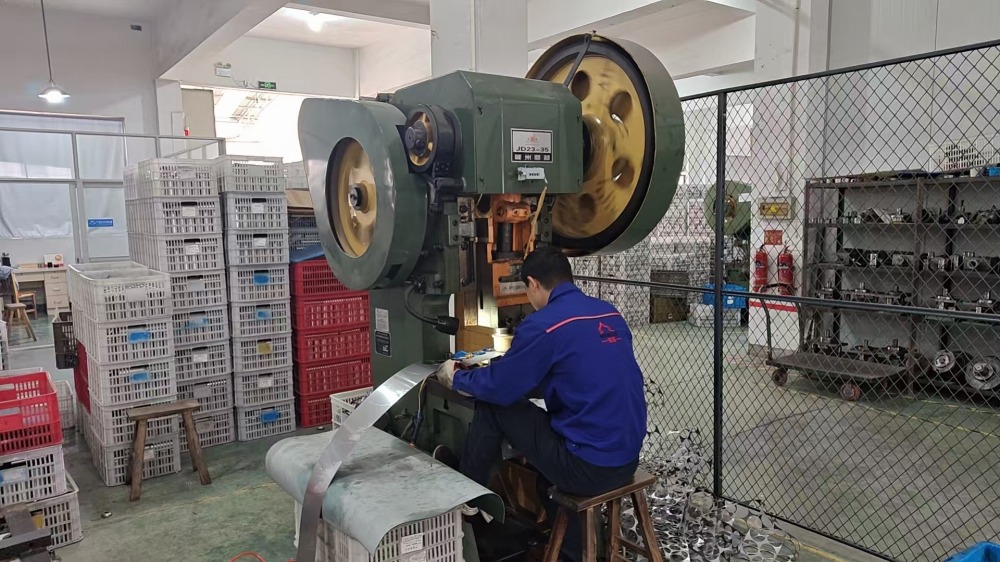 04. Precision Punching
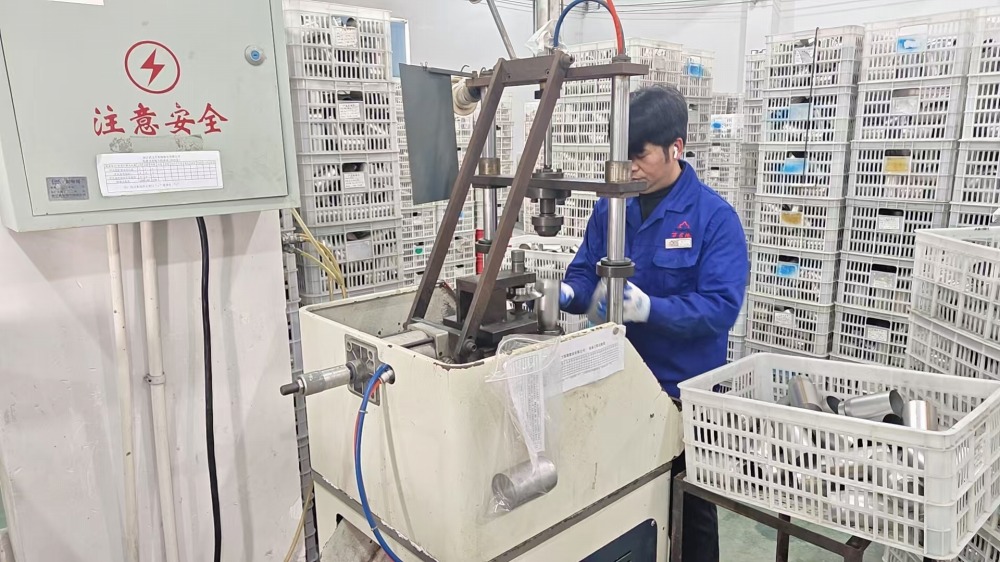 05. Laser Processing
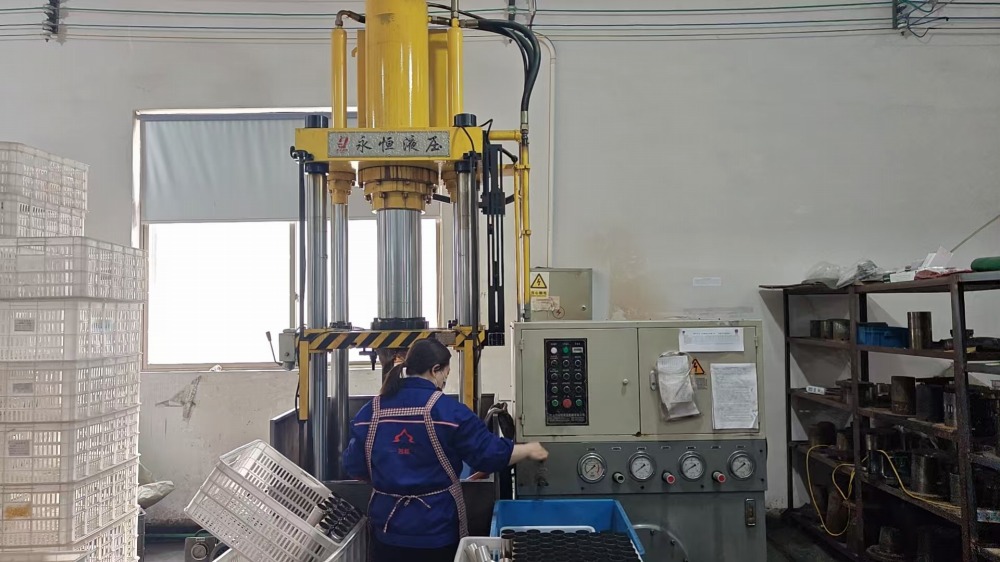 06. Hydraulic Bulging
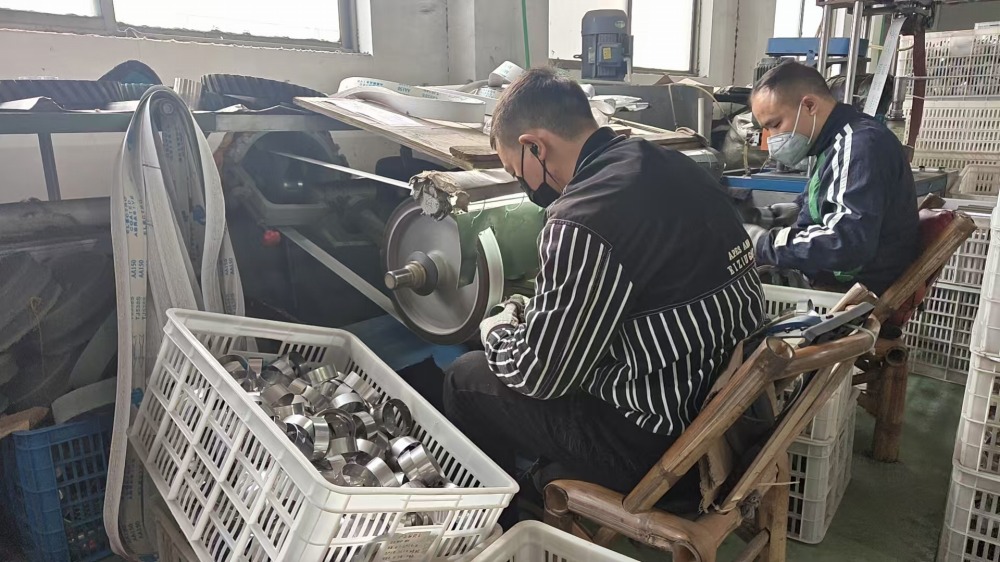 07. Surface Polishing
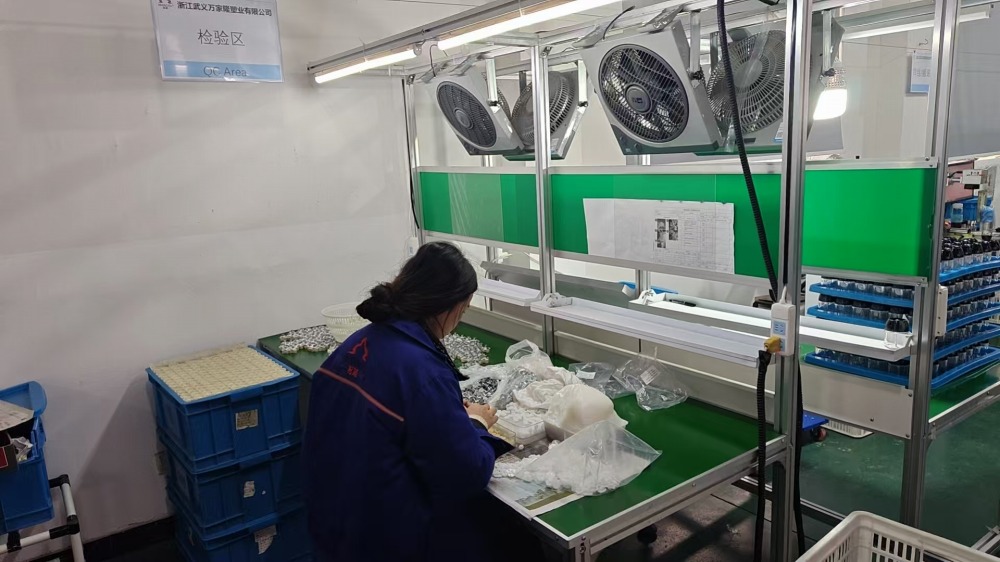 08. Inline Inspection
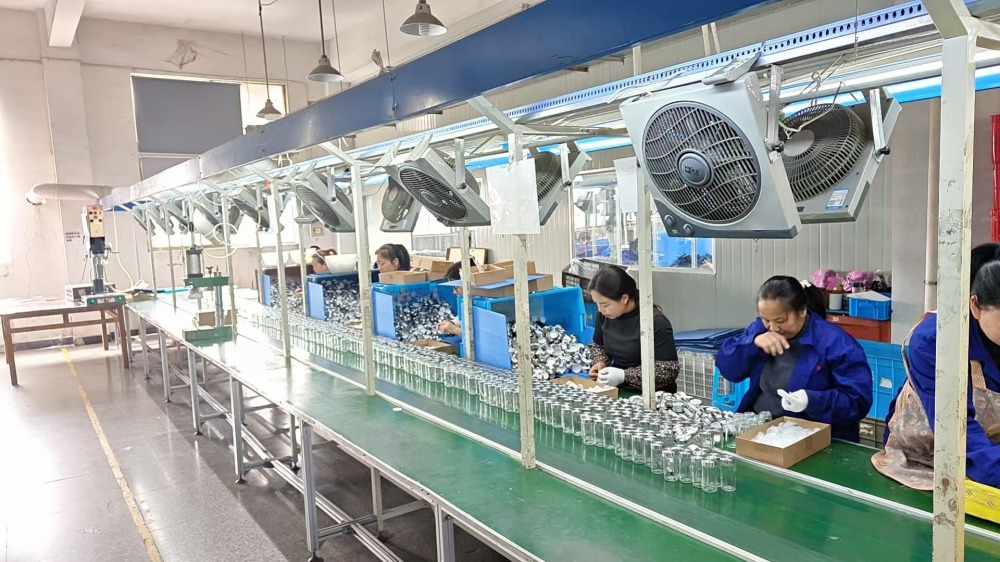 09. Modular Assembly
 10. Packaging & Drop QC
Global Sourcing Dynamics & Future Procurement Trends (2025–2030)
The culinary seasoning equipment and small domestic kitchenware sector is undergoing a profound paradigm shift. Historically treated as commoditized manual tableware, seasoning dispensers are transitioning rapidly into high-tech, battery-operated, or USB-rechargeable automatic appliances. Professional B2B procurement heads, category managers for retail giants, and Amazon brand owners must adapt to key shifts currently transforming global supply chains:
Key Insight: Over 64% of high-margin retail buyers are actively phasing out alkaline-battery models in favor of integrated Type-C lithium-ion charging docks, reducing consumer battery overhead and preventing environmental landfill contamination.
1. Electrification and Ergonomic Accessibility: Modern households increasingly favor one-handed operation. Gravity-sensing automatic salt mills dispense ground sea salt or peppercorns simply by tilting the unit at a 45° angle, eliminating manual twisting. This functionality serves modern culinary multi-taskers as well as consumers seeking accessible, arthritis-friendly kitchen solutions.
2. Plastic-Free Grinding Paths and Microplastic Containment: Increasing consumer awareness surrounding microplastic ingestion has placed traditional plastic grinding cores and polyacetal (POM) gears under intense regulatory scrutiny. Commercial tenders now mandate full-ceramic burrs (Al2O3 95%) or food-grade 304/316 stainless steel assemblies coupled with glass or BPA-free Tritan reservoirs.
3. Design-Centric Kitchen Aesthetics: Retail buyers are expanding into sophisticated kitchen decor spaces. Salt mills are expected to complement contemporary tabletop aesthetics through matte powder-coated steel finishes, electroplated warm copper details, and architectural fluting.
Engineering Specifications: Ceramic Core vs. Carbon Steel vs. Stainless
A frequent pitfall for OEM brands is specifying metal grinding teeth for salt dispensers. Salt is intensely hygroscopic and corrosive; damp sodium chloride rapidly rusts standard carbon steels and pits inferior grades of stainless steel. Our engineering matrix guides your component specifications:
| Grinding Core Material | Corrosion Resistance (NaCl) | Shearing Hardness (Mohs) | Ideal Application | Lifecycle Cycles |
|---|---|---|---|---|
| Alumina Ceramic (Al2O3 95%) | 100% Rust-Proof / Impervious | 9.0 Mohs | Rock Salt, Himalayan Pink Salt, Wet Sea Salt | 50,000+ Grinds |
| SUS 420 High-Carbon Steel | Poor (Oxidizes rapidly with salt) | 5.5–6.0 Mohs | Black, White, and Green Peppercorns Only | 35,000 Grinds |
| Food-Grade SUS 304 Alloy | Moderate (Subject to crevice pitting) | 5.0 Mohs | Coarse Spices, Dried Herbs, Mixed Blends | 25,000 Grinds |
| Reinforced Polyoxymethylene (POM) | Chemically Inert / Zero Rust | 3.0 Mohs (Wear prone) | Budget Entry-Level Disposable Dispensers | 5,000 Grinds |
For cross-functional automatic mills intended for both rock salt and dry peppercorns, our factory recommends 95% Alumina Ceramic Conical Burrs. Ceramic cores generate minimal thermal friction, retaining the delicate volatile oils within peppercorns while resisting moisture and corrosion from coarse salt crystals.
Product Development Roadmap: Smart Kitchen Integration
Looking ahead, commercial product development for automatic seasoning mills is aligning with broader smart-kitchen ecosystems. Our in-house R&D engineering lab focuses on several key technological milestones:
- Precision Volumetric Metering: Integrating optoelectronic rotary encoders into the DC drive shaft, enabling automated dispensing of exact spice measurements (e.g., 0.5g or 1.0g per press) to cater to sodium-restricted diets and automated recipe guidelines.
- Dual-Axis Gyroscopic Sensors: Replacing mercury switches and physical tilt ball contacts with solid-state MEMS gyroscopes to eliminate false triggering during kitchen handling.
- Contact-Free Qi Wireless Charging Bases: Transitioning from exposed pogo pins or USB port plugs to sealed inductive charging pedestals, ensuring mill bodies can be rinsed cleanly without moisture penetration.
In-House Quality Control Lab: Compliance & Reliability Verification
International compliance failures cause port delays, product recalls, and severe brand damage. Our testing center puts production samples through rigorous mechanical, electrical, and materials testing before clearing finished batches for export:
 Salt Fog Chamber (48h/96h)
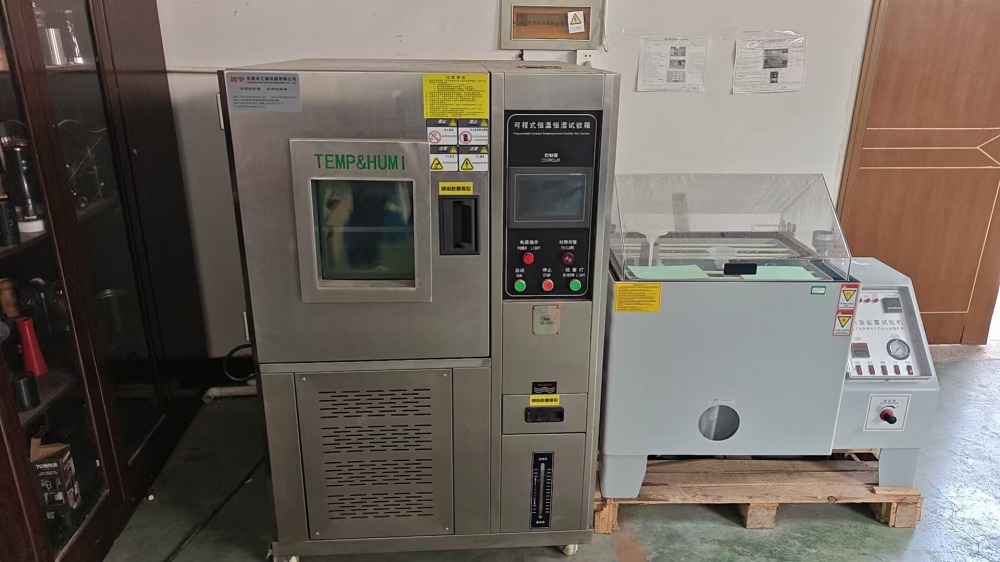 Thermal & Humidity Cycling
 Battery Charge Analyzer
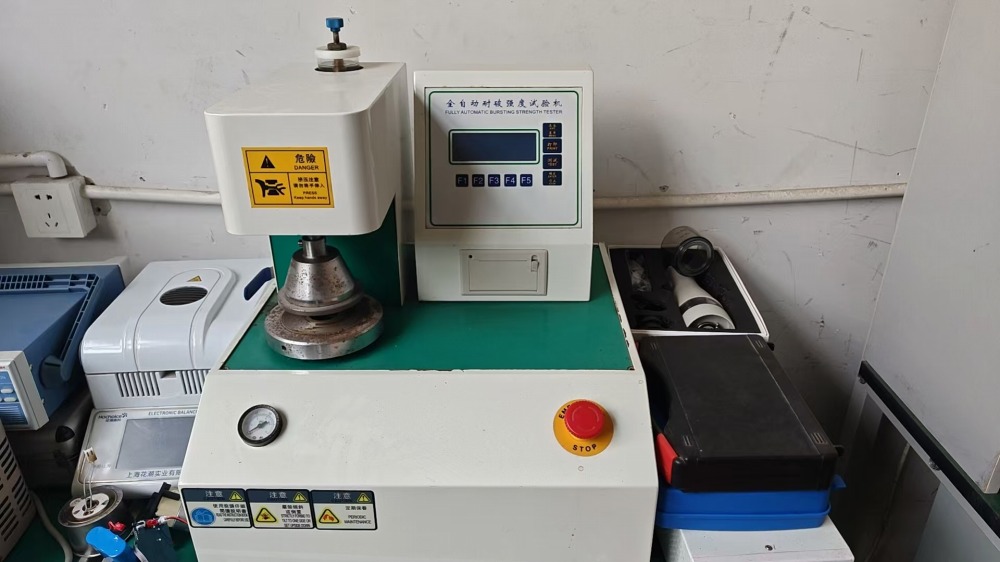 Carton Mullen Bursting
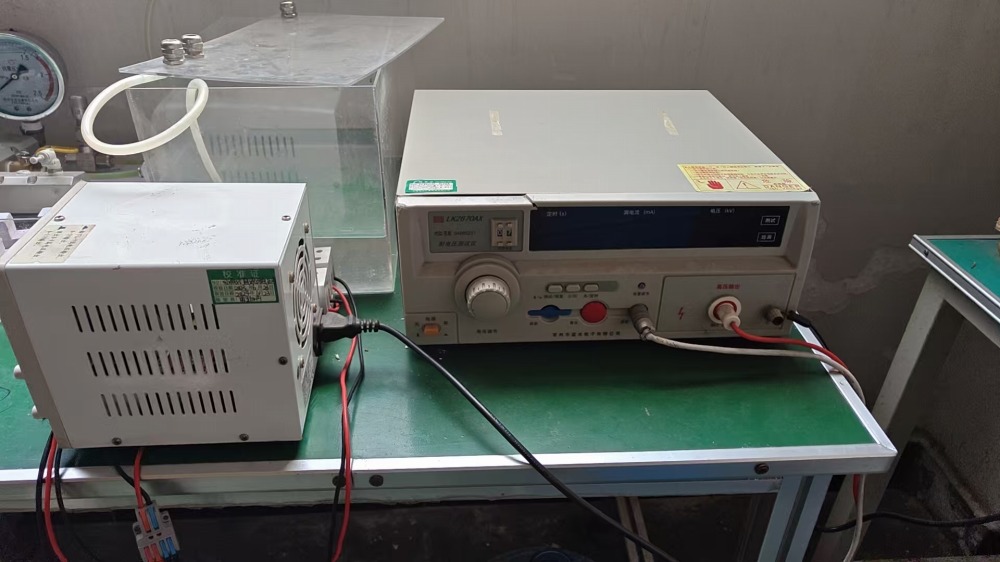 Voltage Endurance Test
Our full product range complies with international directives including CE, RoHS, CB Scheme, LFGB (Germany), FDA 21 CFR (USA), and Proposition 65 heavy metal limitations.
B2B Procurement & Engineering FAQ
Essential guidance covering tooling investments, sample lead times, and regulatory clearances for purchasing teams.
What are the standard Minimum Order Quantities (MOQ) for custom OEM orders?
For stock catalog models with customized laser logo etching and standard packaging, MOQs start as low as 500 units. For full OEM production runs—including custom Pantone body colors, specialized surface treatments, and tailored retail packaging—MOQs typically range from 1,000 to 2,000 units. Prototype verification samples are available for pre-production quality reviews.
How does the factory prevent corrosion in motorized salt grinders?
Salt exposure will oxidize untreated electronics and carbon parts. We safeguard our units with three engineering barriers: 95% Alumina ceramic conical grinding burrs, food-grade silicone vapor seals between the grinding compartment and electrical motor, and conformal moisture-resistant coatings on all motor drive PCBs.
What is the typical lead time for custom tooling (ODM projects)?
For custom ODM design projects, 3D prototyping and mold-flow analysis require roughly 7 to 10 days. Steel injection mold fabrication and pilot sample verification typically take 30 to 35 business days. Once pilot units pass customer QA and food-contact certification tests, mass production is completed in 30 to 40 days.
Which food-contact and electrical safety compliance certificates can be provided?
Our manufacturing operations comply with ISO 9001 and have successfully completed Intertek on-site social and quality audits. We provide full testing reports for FDA 21 CFR 177.1520, LFGB § 30 and 31, RoHS 2011/65/EU, CE-EMC, and CB Scheme certifications (IEC 60335-1 / IEC 60335-2-14) covering all electric grinding product lines.
Connect Directly with Our OEM/ODM Engineering Team
Share your target technical specifications, estimated annual container volume, and market compliance parameters. Our engineering department provides CAD design reviews, DFM feedback, and formal tier pricing within 24 business hours.