Precision Engineered Travel & Portable Kitchen Grinders
Direct manufacturer supply for global brands, specialty roasters, and retail chains. Built with premium grade 304/420 stainless steel, aircraft aluminum, food-grade PCTG, and high-density ceramic grinding assemblies.

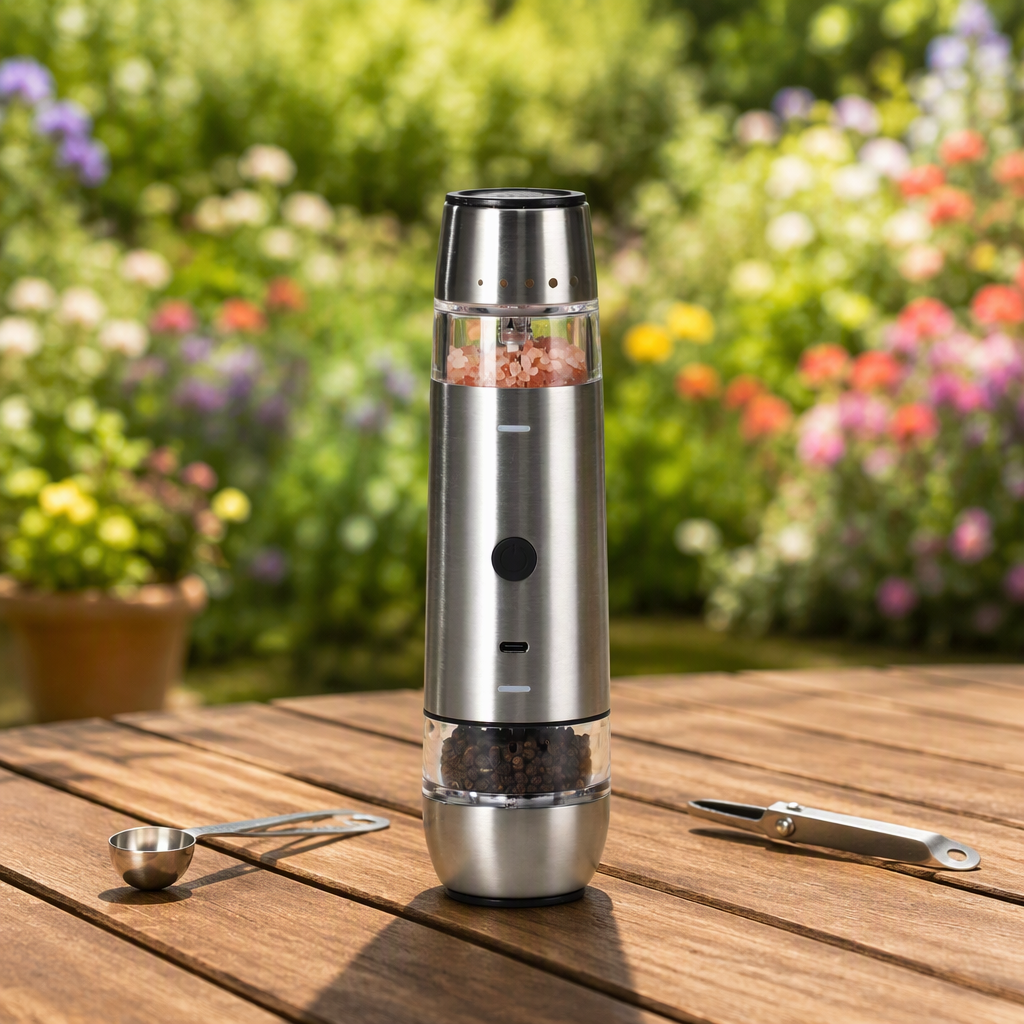
Electric Pepper and Salt Grinder Set Salt and Pepper Grinder Set Premium Pepper Mill Grinder Tap Shape Salt and Pepper Grinder
- Ergonomic tap-action automatic dispensing
- Wear-resistant alumina ceramic burr
- Low-noise high-torque DC motor system
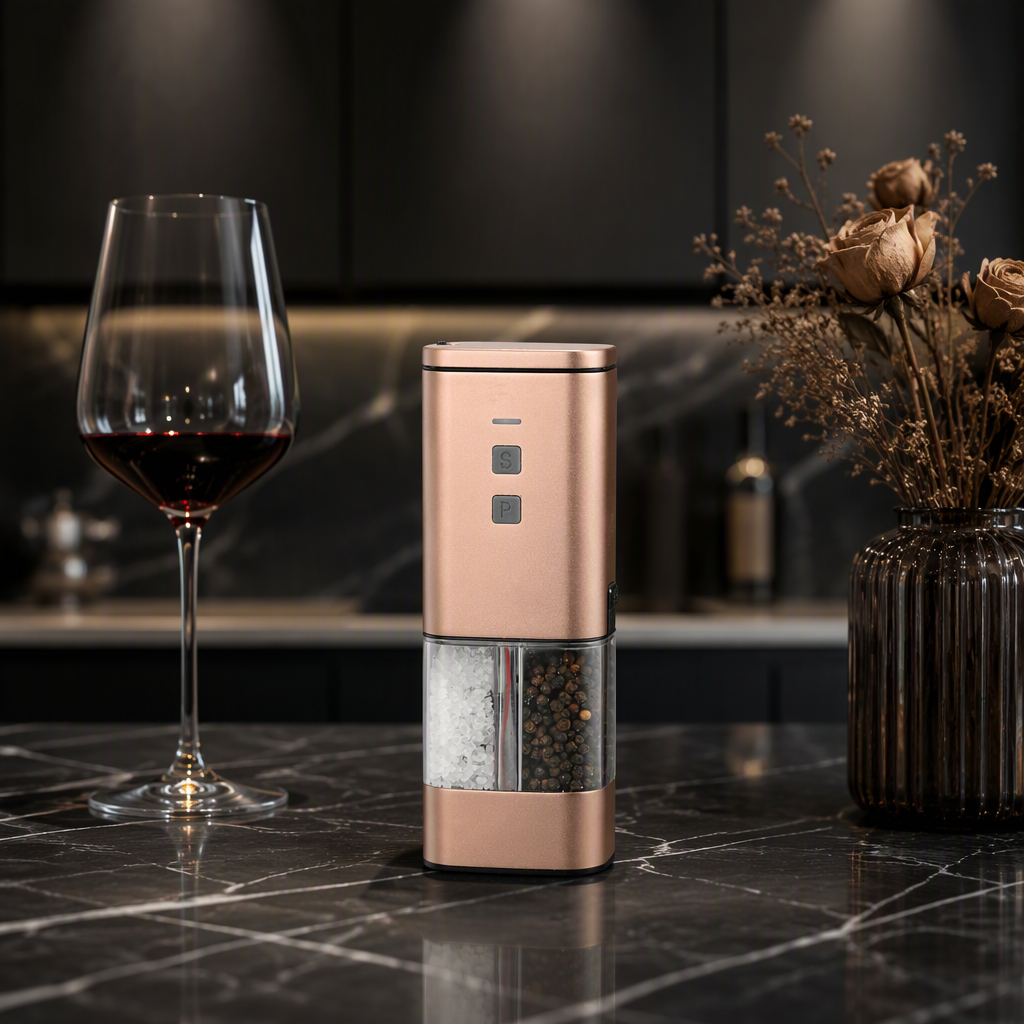
Salt Pepper Grinder Gold Color Salt Pepper Grinder Prices Battery Operated Salt and Pepper Grinder Salt and Pepper Grinder Set
- PVD electroplated brushed gold body
- One-touch button operation with LED
- Fully adjustable multi-level coarseness
Black Salt Pepper Grinder Wood Salt and Pepper Grinder Metal Blade Black Pepper Grinder
- Solid matte beechwood chassis
- Heavy-duty CNC sharpened cutter core
- Food contact LFGB & FDA verified

Motor for Pepper Grinders Plastic Free Pepper Grinder Pepper Salt Grinder Set Pepper Mill Grinder Metal
- 100% plastic-free food-contact path
- Industrial planetary metal gear motor
- High rotational durability (>100h continuous)
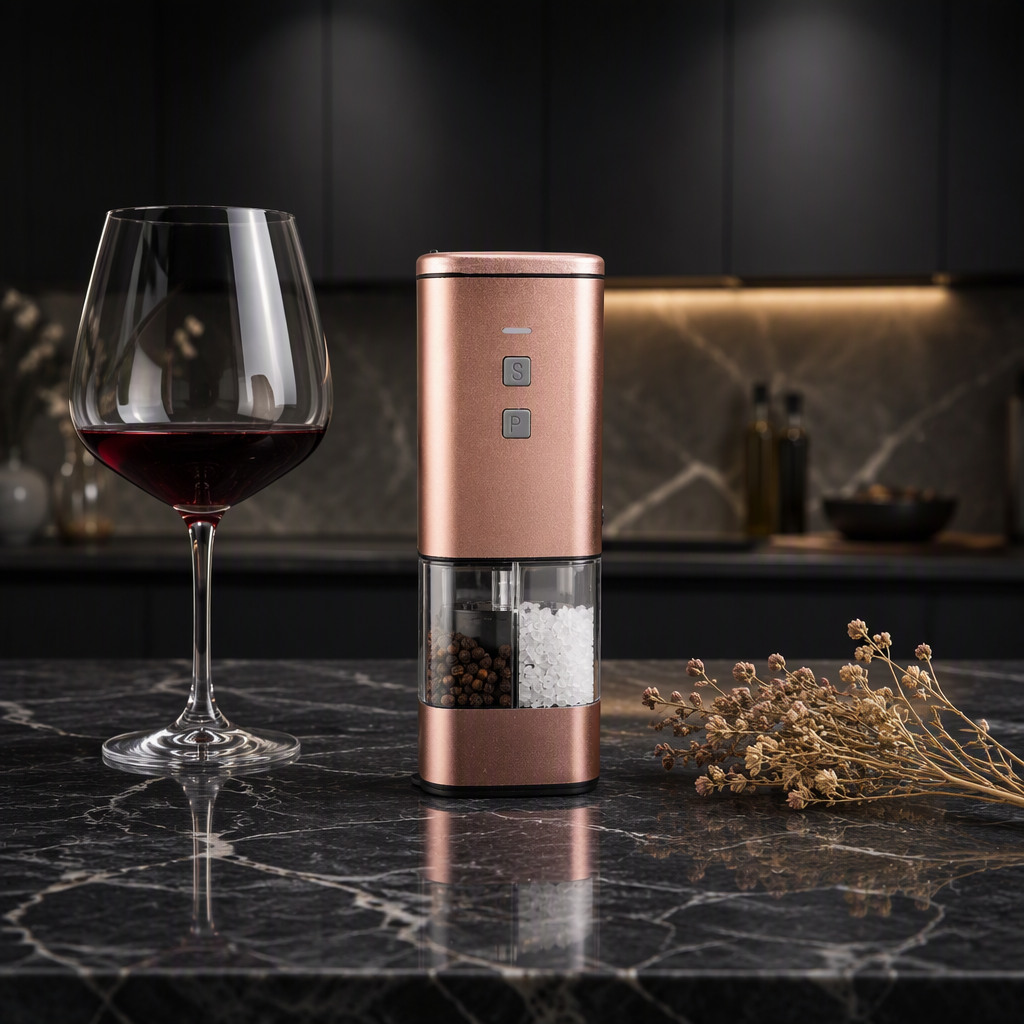
Salt Pepper Grinder Rechargeable Empty Glass Pepper Grinder Ceramic Salt and Pepper Grinder Red Salt and Pepper Grinder
- Integrated Type-C Li-ion rechargeable cell
- High-borosilicate crystal clear reservoir
- Anodized metallic crimson exterior

Tap Shape Salt and Pepper Grinder Antiq Gold Salt and Pepper Grinders Dual Dock Electric Salt and Pepper Grinder
- Dual induction charging docking station
- Antique champagne gold brushed housing
- Zero-spill magnetic catch base
Steel Pepper Grinder Ball Pepper Grinder Chilli Pepper Grinder Pepper Grinder Pepper Grinders Bulk
- One-hand squeeze sphere mechanism
- Full 304 food-grade stainless construction
- Pocket-sized outdoor & camp readiness

Vintage Adjustable Salt and Pepper Grinder Electric Pepper and Salt Grinder Set Salt and Pepper Grinder Set
- Steampunk vintage silhouette with modern motor
- Click-dial stepless particle adjustment
- High-yield output per second ratio
Engineering Architecture of High-Precision Portable Grinders
A rigorous examination of particle size distribution (PSD), burr hardness metrics, dual-bearing stability shafts, and cordless energy density for institutional buyers.
1. Burr Metallurgy & Tribology: CNC Stainless Steel vs. Alumina Ceramic
In portable and travel coffee grinding hardware, the core grinding mechanism dictates total dissolved solids (TDS), extraction yield percentages, and consumer tactile satisfaction. While commercial domestic mills utilize heavy cast-steel 64mm+ flat burrs, travel format factors mandate conical architectures. Conical designs leverage gravity feed combined with helical pre-breaking flutes, condensing high output into a compact footprint under 55mm diameter.
From an OEM manufacturing perspective, international B2B buyers must evaluate two primary materials:
CNC Martensitic 420 Steel
Vacuum-heat-treated to 55–58 HRC. Features micro-serrated 5-axis or 7-axis diamond geometries that cut through dense high-altitude specialty beans without micro-fracturing cellular walls. Produces unimodal particle distribution curves critical for pour-over, Aeropress, and espresso extractions.
95% Alumina Ceramic (Al₂O₃)
Hot-isostatic-pressed ceramic assemblies are chemically inert, completely immune to oxidation, salt corrosion, and moisture damage. While exhibiting broader grind variance (>18% fines under 100μm), they represent the most cost-effective solution for multi-purpose spice, salt, and entry-level cold brew grinding.
Titanium & DLC Coatings
Plasma physical vapor deposition (PVD) titanium-nitride (TiN) or Diamond-Like Carbon (DLC) surface treatments elevate surface hardness above 65 HRC, slashing frictional heat transfer into delicate volatile coffee aromatics during rapid cordless motor operation.
2. Dual-Bearing Shaft Stabilization: Eliminating Burr Eccentricity
The cardinal failure point of budget travel grinders is shaft wobble under lateral rotational torque. When a user turns a manual hand crank or when an electric DC motor drives the drive axle through tough light-roast beans, single-bush or non-bearing designs allow the inner burr to migrate off-center. This eccentricity leads to particle size dispersion, muddy cup quality, and premature burr dulling.
Our OEM/ODM travel grinder assemblies feature dual high-precision stainless steel ball bearings (ABEC-5 or ABEC-7 rated) spaced across an aerospace-grade 6061 aluminum alloy unibody chamber. This structural bridge isolates mechanical load, guaranteeing concentricity during continuous operation even in vibrating outdoor and transit environments.
3. Motor Dynamics & Lithium-Ion Thermal Management in Cordless Models
Cordless travel coffee grinders must achieve sufficient stalling torque without excessive heat buildup inside enclosed handheld cylinders. Our direct-drive and planetary reduction configurations run on custom-wound copper core DC motors generating up to 4.8 N·m of starting torque at 60–80 RPM. This slow-crush rotational speed mirrors artisanal manual grinding, avoiding thermal degradation of coffee lipids.
Battery enclosures utilize certified high-drain 18650 / 21700 lithium cells (1600mAh to 2600mAh) equipped with Battery Management Systems (BMS) offering short-circuit, over-charge, over-discharge, and temperature shutoff protections. Type-C PD fast-charge controllers enable rapid field replenishment via 5V/2A power banks, 12V vehicle chargers, or portable solar panels.
Future Sourcing & Product Development Trends
Anticipate end-consumer shifts, regulatory compliance mandates, and technological convergence to optimize your retail catalog and increase private-label margin velocity.
1. Hybrid Manual-Electric Modularity
Consumers are demanding "dual-drive" architectures: an ultra-light manual hand grinder that seamlessly locks into a detachable motorized power dock. This allows everyday motorized convenience on the kitchen counter, with the flexibility to detach a 380g manual assembly for backpacking, flights, and remote wilderness camps.
2. Zero-Retention Magnetic Catch Cups
Static electricity buildup causes fine coffee dust to cling inside travel grinder grind catchers. Next-generation factory tooling incorporates plasma anti-static surface treatments and neodymium magnetic alignment systems, enabling friction-free snap release and near-zero ground retention (<0.1g retention loss).
3. Strict Regulatory & ESG Traceability
European and North American customs authorities are enforcing elevated scrutiny on food-contact materials and rechargeable products. Sourcing partners must guarantee compliance with the EU Battery Passport, RoHS 3, LFGB silicone limits, and FDA 21 CFR 177 standards, backed by third-party batch test documentation.
Engineering Spec Comparison: Travel Grinder Formats
| Evaluation Parameter | Pocket Manual CNC Grinder | Cordless Electric Travel Mill | Hybrid Modular Grinding System |
|---|---|---|---|
| Burr Core Type | CNC 420 Stainless Steel (38mm/48mm) | Alumina Ceramic or 38mm CNC Steel | 420 Titanium-Coated CNC Steel |
| Net Weight Range | 350g – 480g | 420g – 620g | 580g (Complete kit) |
| Particle Uniformity (PSD) | High (>88% target band) | Medium-High (78–84%) | Ultra-High (>90%) |
| Power Source | 100% Kinetic / Manual Hand Crank | 1600mAh – 2000mAh 7.4V Li-ion | Detachable 18650 Battery Pod + Crank |
| Grind Speed (15g Dose) | 25–40 seconds | 35–50 seconds | 30 seconds (Motorized) |
| Recommended End-Use | Aeropress, Pour-Over, Backcountry | Office, RV Caravans, Glamping | Specialty Roasters, High-End Retail |
| Factory MOQ Benchmark | 500 – 1,000 pcs | 500 – 1,000 pcs | 1,000 – 2,000 pcs |
Why Source From Zhejiang BMDEV Plastic Industry Co., Ltd.
A vertically integrated manufacturing powerhouse in Jinhua, Zhejiang. We run tooling, injection molding, metal stamping, bulging, polishing, and packing in-house to protect your supply chain from intermediary markups and delivery delays.
100% In-House Vertical Manufacturing vs. Workshop Trading Brokers
Many trading brokers and sourcing agents in China outsource sub-components across multiple disparate workshops, resulting in inconsistent color batching, fluctuating dimensional tolerances, and compromised intellectual property. BMDEV controls every single touchpoint under one single ISO 9001 certified roof in Tongqin Town, Jinhua.
Owned Precision Manufacturing Lines
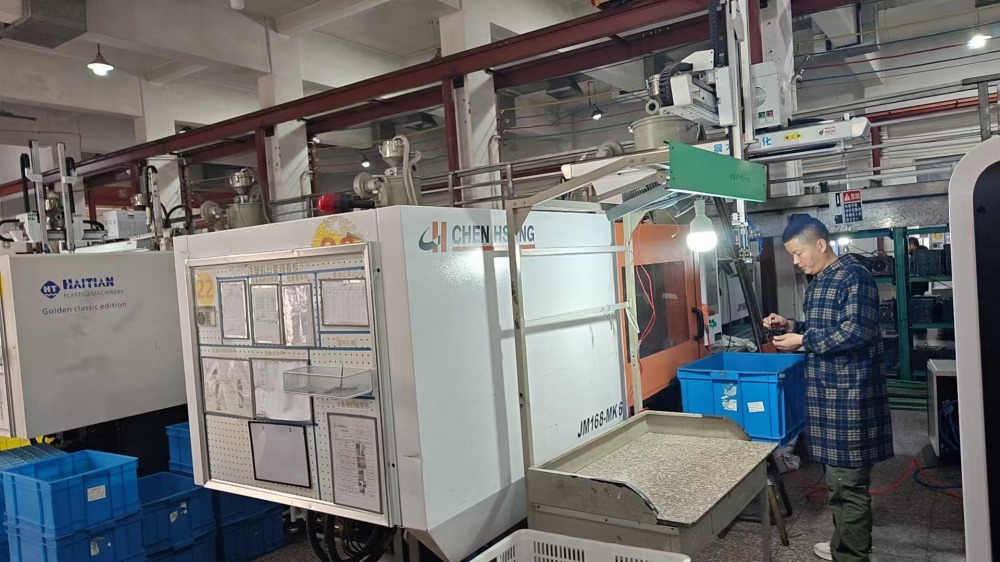

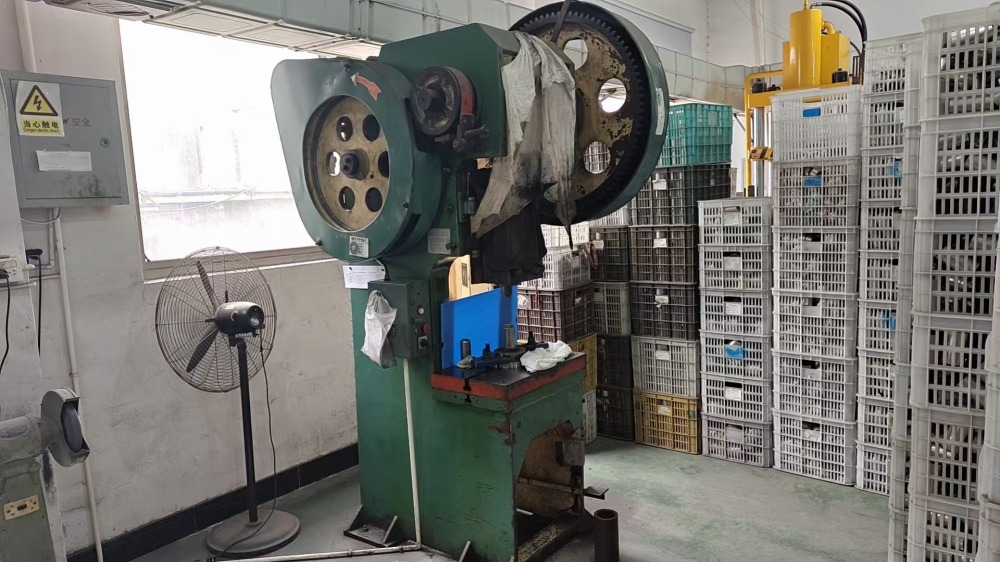
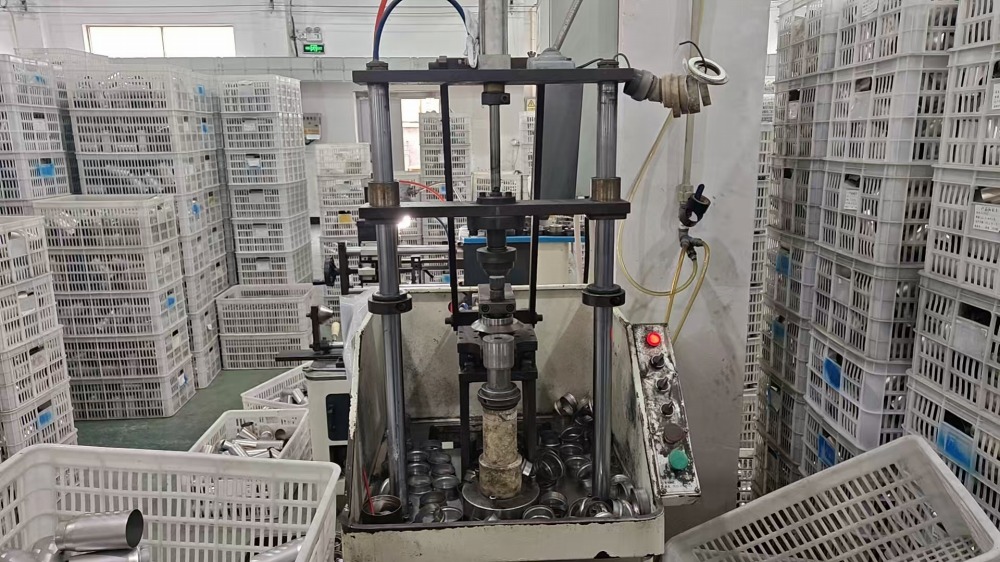

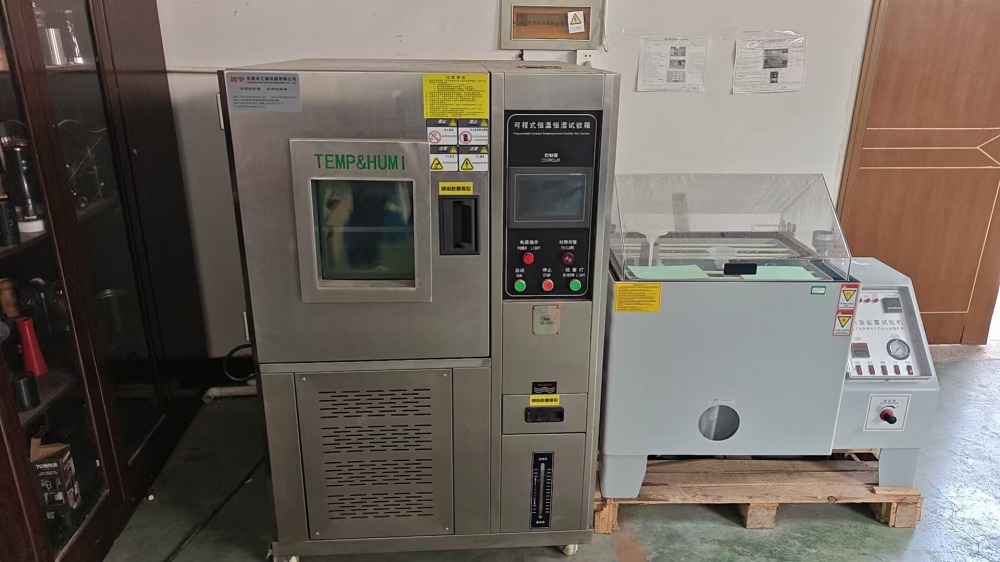
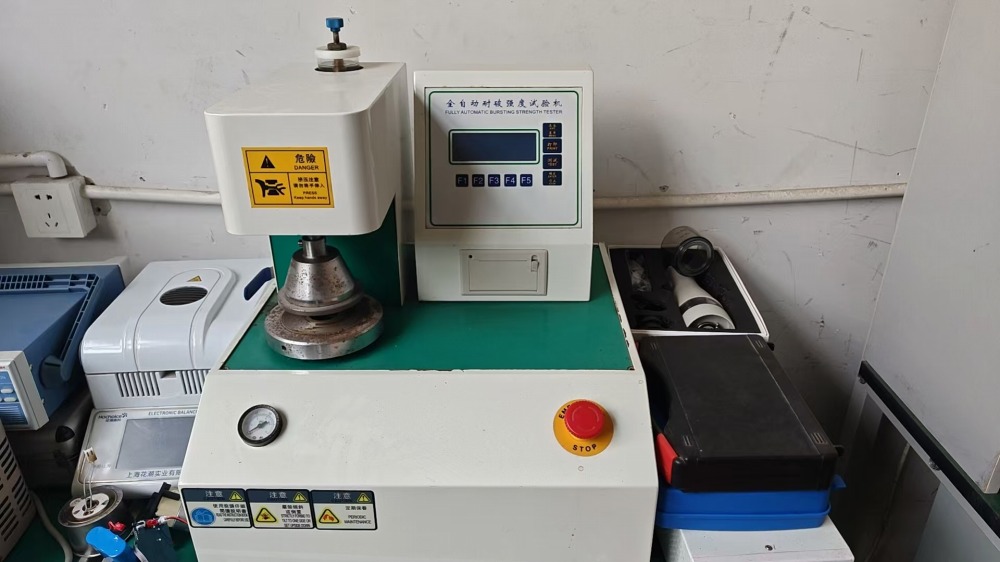
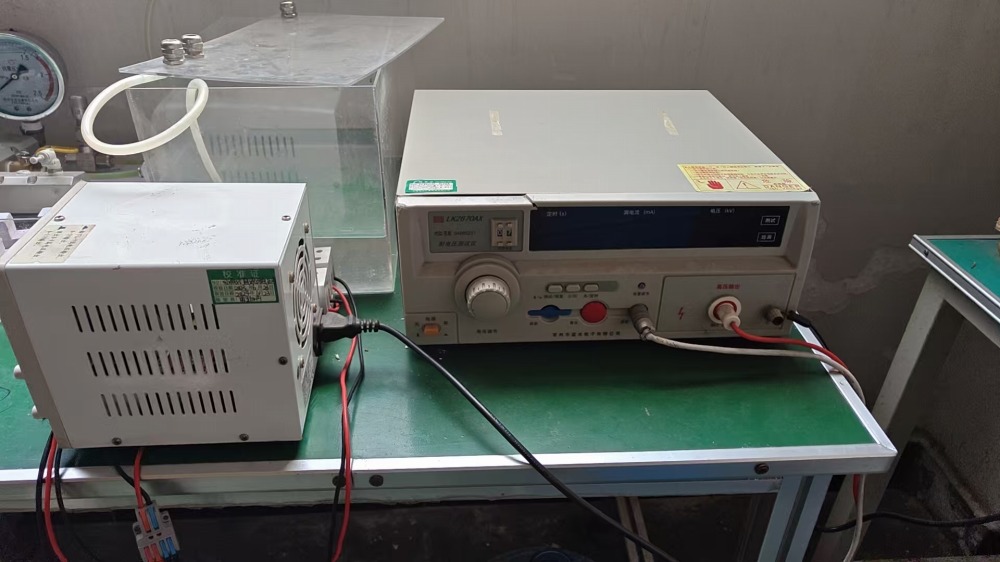
In-House Reliability Testing Laboratory


End-to-End OEM / ODM Private Label Engineering
From conceptual industrial sketches to drop-tested export cartons. Transparent timelines, rigorous DFM reviews, and verified pre-shipment compliance documentation.
Engineering Brief & Target Pricing
We review your industrial design requirements, expected burr geometry, bean hopper volume, battery performance benchmarks, and retail price thresholds.
DFM CAD Modeling & Prototyping
Our in-house R&D engineering team conducts Design for Manufacturing (DFM) analysis, rendering 3D functional prototypes for grind speed and ergonomics validation.
Tooling Fabrication & Pilot Run
Custom plastic injection molds and metal stamping dies are fabricated in-house. A pilot batch of 50–100 units undergoes destructive testing and lab compliance runs.
Inline Process Inspection
During mass assembly, every component passes through dedicated check stations: motor torque calibration, battery discharge stability, and burr concentricity testing.
Laboratory Batch Certification
Sampled units undergo continuous 48-hour salt spray exposure, high-humidity thermal aging, and electrical voltage insulation tests prior to packaging approval.
Custom Retail Packaging & Logistics
FSC-certified eco-packaging, customized EVA foam inserts, drop-tested 5-ply export master cartons, and multi-modal FOB/CIF freight support directly to your 3PL.
Procurement FAQ: Sourcing Coffee Grinders from China
Direct technical answers addressing minimum orders, food contact safety, lead times, lithium shipping compliance, and custom burr profiling.
For existing catalog models with custom laser-etched branding and customized color gift boxes, our baseline MOQ begins at 500 to 1,000 units. For complete custom industrial designs (ODM) requiring new injection molds and custom chassis tooling, the typical MOQ is 2,000 to 3,000 units, with mold fee rebates structured into progressive delivery tranches.
Every raw resin and metal stock undergoes rigorous batch material testing. We provide genuine test reports from accredited third parties (SGS, TUV, Intertek) verifying compliance with FDA 21 CFR 177, EU Framework Regulation (EC) No 1935/2004, and German LFGB guidelines, guaranteeing non-detectable levels of heavy metals and BPA-free food contact.
All integrated battery cells are certified with complete UN38.3 test summaries, MSDS documentation, and 1.2-meter drop test certifications. We ensure seamless maritime (FCL/LCL) and air cargo compliance under dangerous goods classification Section II of PI967, facilitating smooth clearance into the US, UK, EU, Japan, and Australia.
Standard prototype samples with existing components ship within 3 to 5 business days. Custom laser-branded and Pantone-matched samples take 7 to 10 days. Mass production lead time is typically 30 to 35 days upon final sample sign-off and deposit receipt, supported by our 10 in-house automated and semi-automated production lines.
Yes. Our CNC machining center can engineer custom cutting flute configurations (e.g., dedicated espresso fine-cutting angles vs. high-flow filter grind profiles). We evaluate grind speed, physical torque requirements, and PSD curves using digital microscope image analysis to meet your brand's unique extraction criteria.
We implement strict AQL 0.65 Critical / 1.0 Major / 2.5 Minor sampling inspection standards. Every shipment batch undergoes 100% cosmetic review, dimensional tolerance checks, motor current draw testing, and packaging bursting strength analysis in our in-house lab before issuing final inspection release documentation.
Connect Directly with BMDEV Engineering & Sourcing Team
Request comprehensive OEM/ODM pricing catalogs, technical 3D CAD files, or custom tooling feasibility evaluations. Direct communication with our English-speaking technical team located in Jinhua, Zhejiang.