Rechargeable
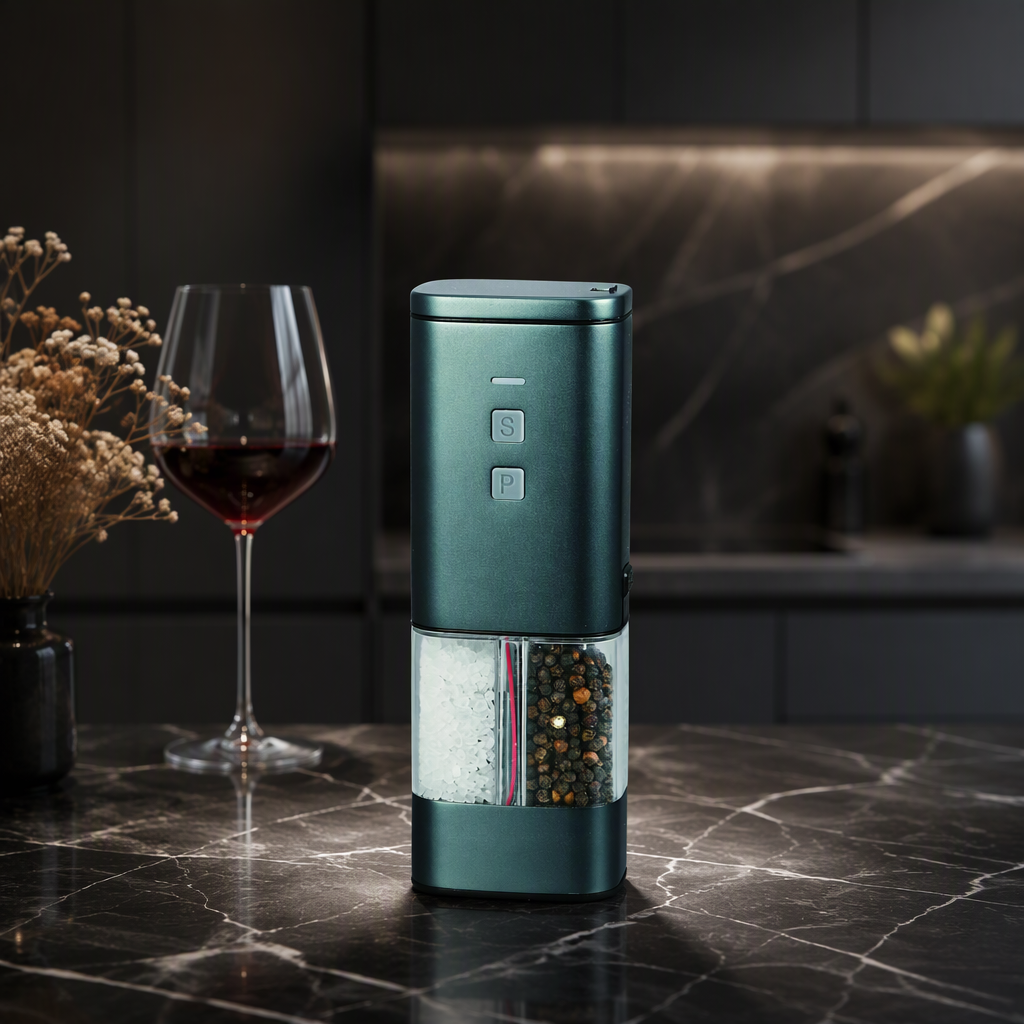
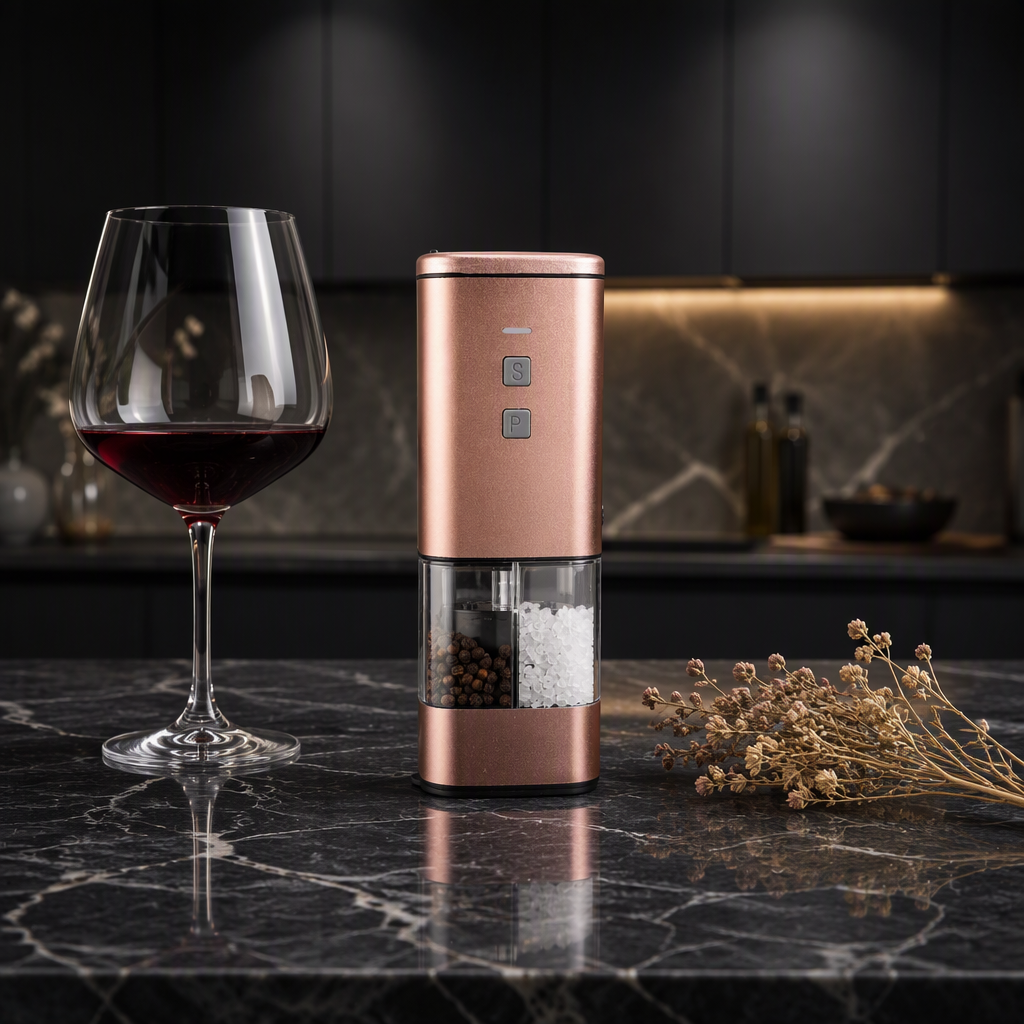
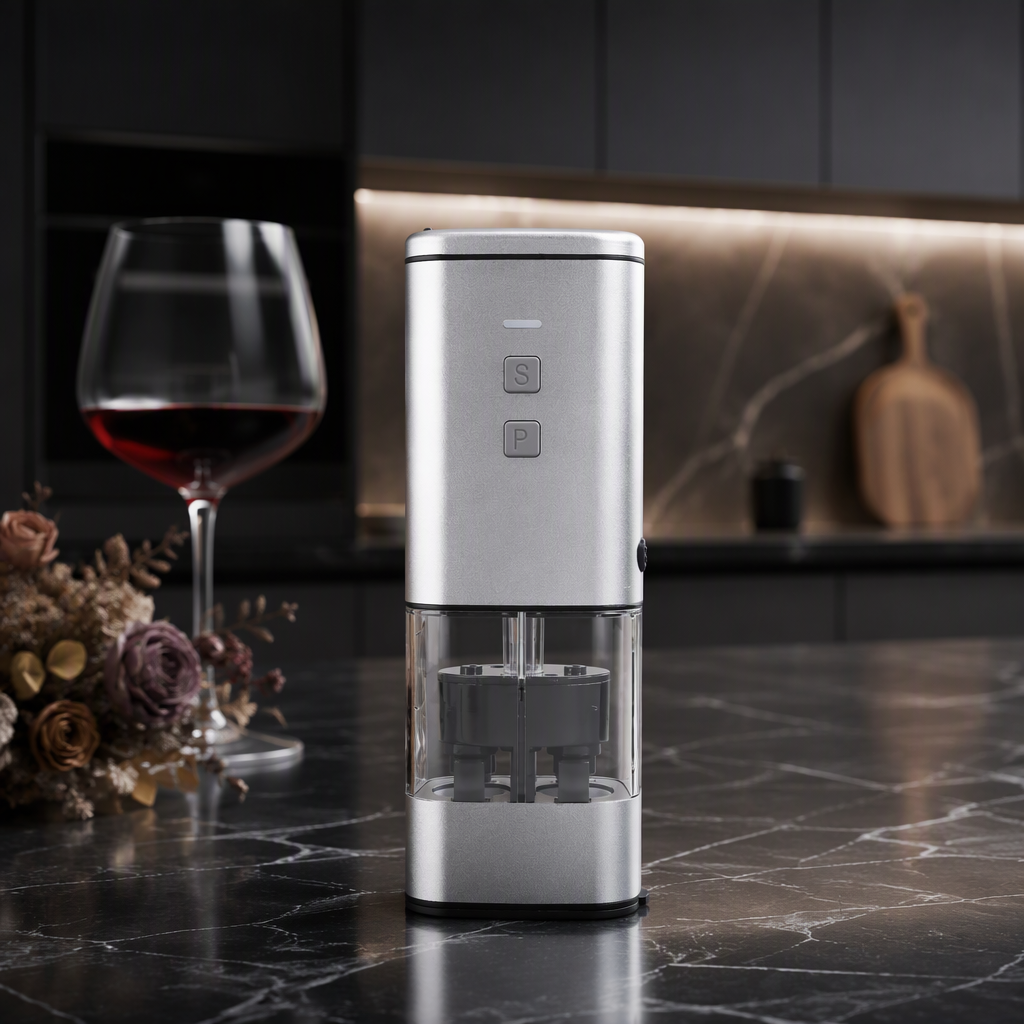
Dual Dock Rechargeable Ceramic Core Electric Condiment & Pepper Dispenser Grinder
Dual Base Dock
Ceramic Core
USB-C Fast Charge
Engineered for high-volume retailers, specialty cookware distributors, and commercial HoReCa brands seeking rigorous food-grade tolerances and reliable OEM execution.


In modern kitchenware procurement, the category encompassing oil, vinegar, and liquid seasoning dispensers requires far more technical rigor than conventional consumer homeware. Culinary oils—such as extra virgin olive oil, cold-pressed sesame oil, and avocado oil—are chemically fragile lipids prone to rapid oxidation upon exposure to atmospheric oxygen (O2), ultraviolet light wavelengths (specifically 300–450 nm), and trace heavy metals. Concurrently, culinary vinegars (including balsamic, aged apple cider, and wine vinegars) present active acetic acid concentrations ranging from 4% to 8%, producing corrosive chemical environments capable of degrading low-grade metallic finishes, leaching plasticizers, or oxidizing substandard spring valves.
As an Intertek-assessed manufacturer with 23 years of specialized industrial tooling and injection molding expertise, Zhejiang BMDEV Plastic Industry Co., Ltd. builds dispensing systems founded on chemical inertness and hermetic sealing. By pairing medical-grade, BPA-free silicone check valves with high-grade austenitic stainless steels (such as SUS304 and molybdenum-bearing SUS316) and hydrolytic resistance Class 1 borosilicate glass, our dispensers prevent ester breakdown in gourmet oils and resist galvanic or pitting corrosion from high-acidity vinegars.
Professional procurement teams evaluating China wholesale oil and vinegar dispenser exporters must balance tactile hand-feel, structural drop resistance, chemical compatibility, and landed cost. The matrix below illustrates our standard engineering materials compared against typical commodity market alternatives:
| Engineering Property | BMDEV Borosilicate 3.3 Glass | Standard Soda-Lime Glass | Food-Grade SUS304 Stainless | Engineering PP / ABS (BPA-Free) |
|---|---|---|---|---|
| Thermal Shock Resilience | Delta 150°C (Dishwasher Safe) | Delta 50°C (Risk of Fracture) | Exceptional Thermal Range | Up to 105°C Continuous |
| Acid Resistance (Acetic pH 2.5) | Class 1 Inert (Zero Leaching) | Class 2 (Surface Clouding over Time) | Passivated Corrosion-Proof | High (Zero Swelling / Degradation) |
| Lipid Hydrolysis Defense | Non-Porous, Zero Odor Retention | Moderate Non-Porous Surface | Non-Porous, UV Shielding 100% | Requires Oleophobic Mold Polish |
| Drop & Impact Fracture Rate | Controlled Annealed Wall: Medium | High Fracture Propensity | Zero Impact Breakage Risk | High Elastic Deformation Absorption |
| Primary Compliance Benchmark | FDA 21 CFR 175.300 / LFGB Section 31 | Standard Domestic Quality | EU Framework 1935/2004 / DGCCRF | RoHS, REACH, LFGB Phthalate-Free |
The primary consumer defect reported in low-cost oil cruets is capillary surface migration—colloquially termed "flange weeping" or "nozzle drip." When an oil stream terminates, surface tension pulls a microscopic residual volume across the rim, causing oil to trickle down the exterior housing. Over several weeks, this builds sticky, rancid grease rings on dining tables and retail displays.
BMDEV engineers solve this mechanical failure mode via a dual-action fluid return circuit: an aerodynamically contoured beak spout mated to an internal vacuum-relief capillary channel. As the user tilts the cruet back to an upright position, the Bernoulli effect induced by the air-inlet valve pulls the remaining meniscus back into the main reservoir, ensuring a 100% clean break without drops. Crucially, the internal breather valve features a micro-gravity counterweight flap that automatically seals when upright, blocking volatile aromatic evaporation and excluding airborne micro-particulates.
Strategic purchasing directors must align upcoming replenishment and product line expansions with shifts in global consumer habits, regulatory legislation, and smart kitchen integration.
Driven by calorie-conscious diets, air fryer adoption, and portion-controlled meal prep, consumer demand is shifting from heavy pour spouts toward dual-action mist-and-pour atomizers. B2B buyers are ordering hybrid dispensers capable of shifting from high-velocity fan-mist (0.2ml per trigger stroke) to continuous laminar pour with a single nozzle rotation.
Global regulatory enforcement—such as the EU Packaging and Packaging Waste Regulation (PPWR) and US State-level PFAS bans—demands complete phase-outs of fluorinated surface treatments and non-recyclable multi-material bonds. Sourcing teams are replacing composite plastic liners with mono-material food-grade polypropylene and endlessly recyclable 304 stainless steel shells.
Consumers increasingly reject utilitarian diner-style squeeze bottles in favor of sculptural, minimalist dispensers that transition seamlessly from stove-side prep to fine dining centerpieces. Procurement programs feature brushed PVD coatings, antique brass accents, fluted borosilicate glass, and organic wood-grain tactile touchpoints that command premium retail margins.
Zhejiang BMDEV Plastic Industry Co., Ltd. operates a sprawling 12,538 m² integrated plant in Tongqin Town, Jinhua, Zhejiang. With 264 employees and 10 dedicated processing lines, we control toolmaking, fabrication, testing, and assembly under one roof.
Every unit is manufactured under rigorous ISO 9001:2015 quality regimes to eliminate subcontracting variances.


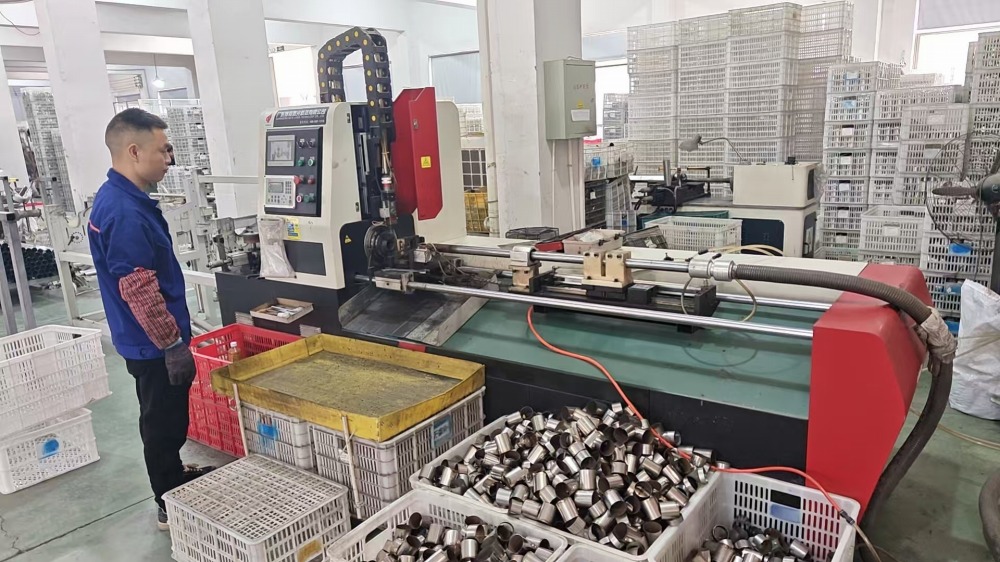
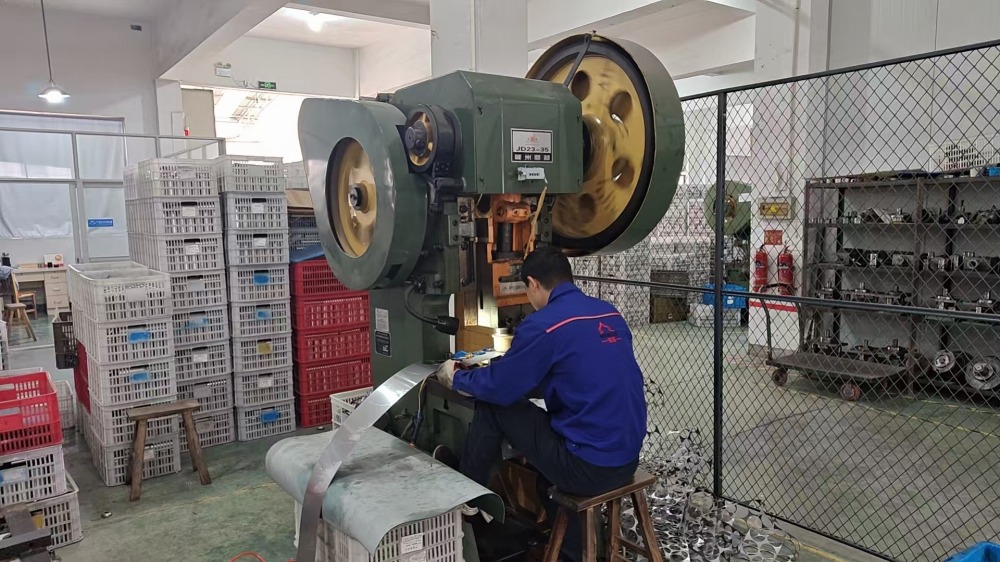
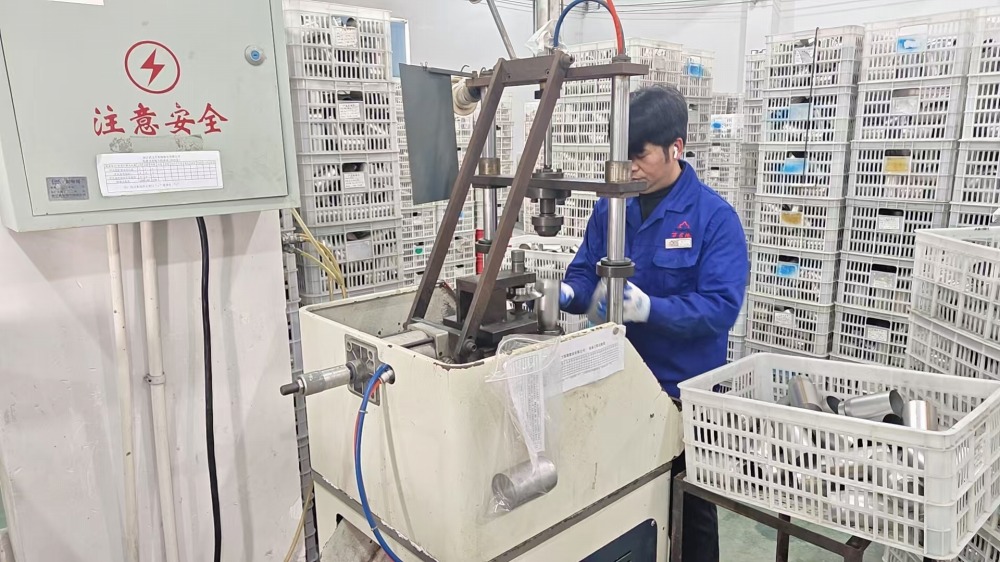
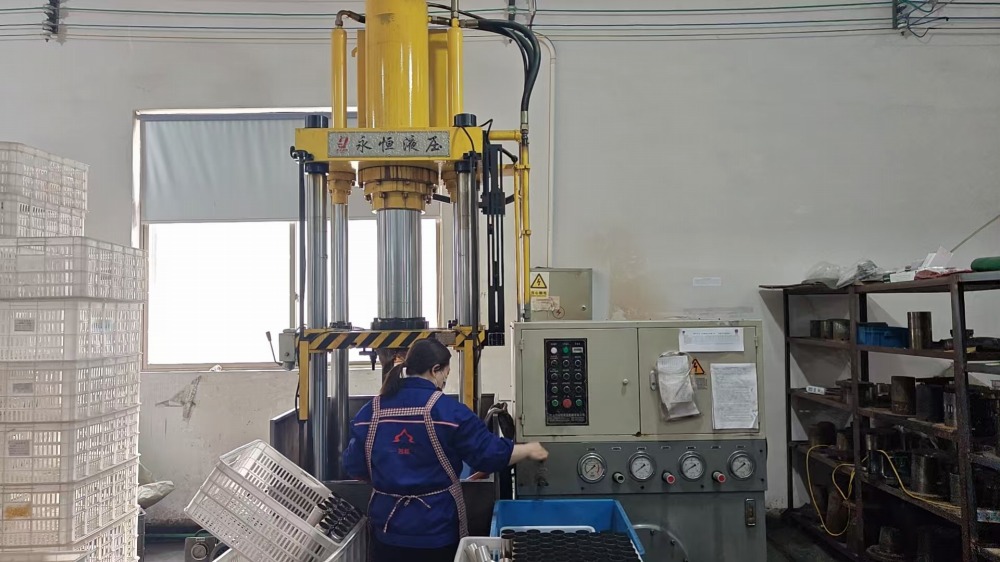
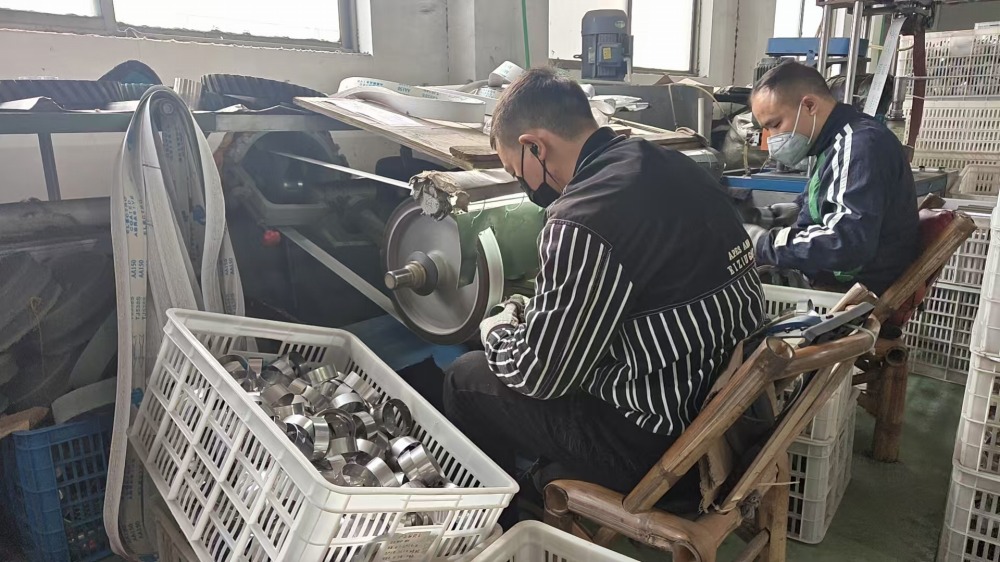
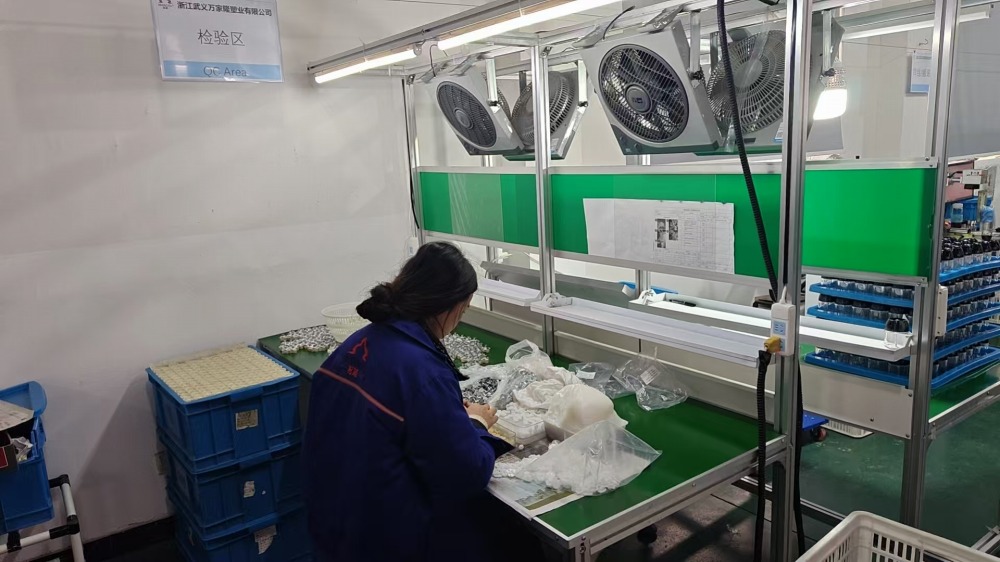
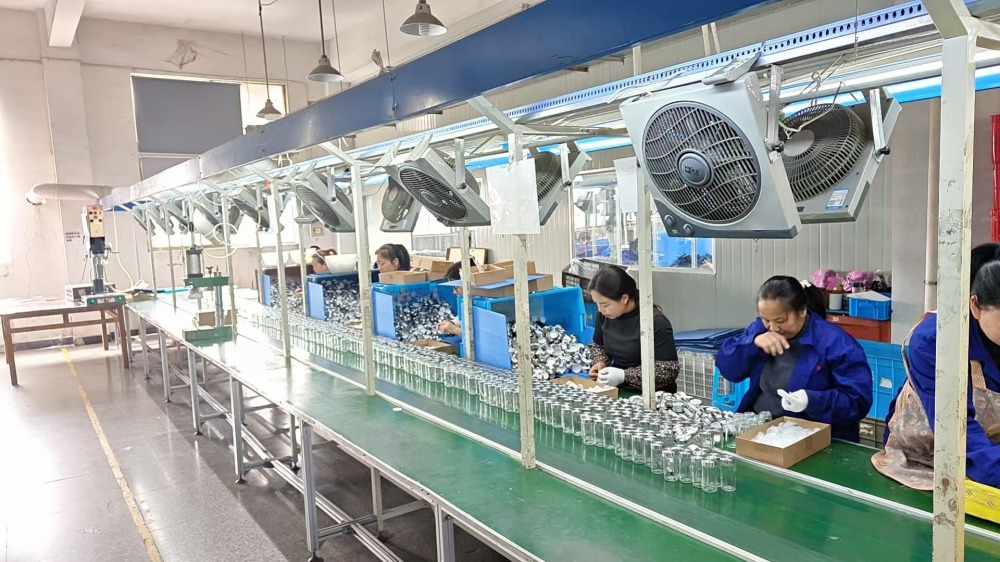

Every batch undergoes destructive stress testing, simulated marine transit, and salt corrosion analysis prior to freight sign-off.

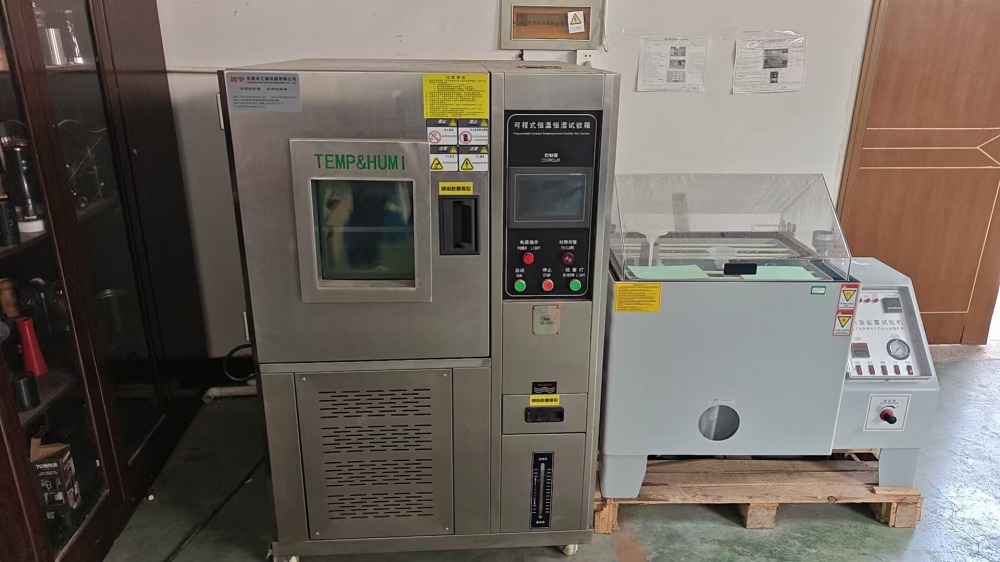

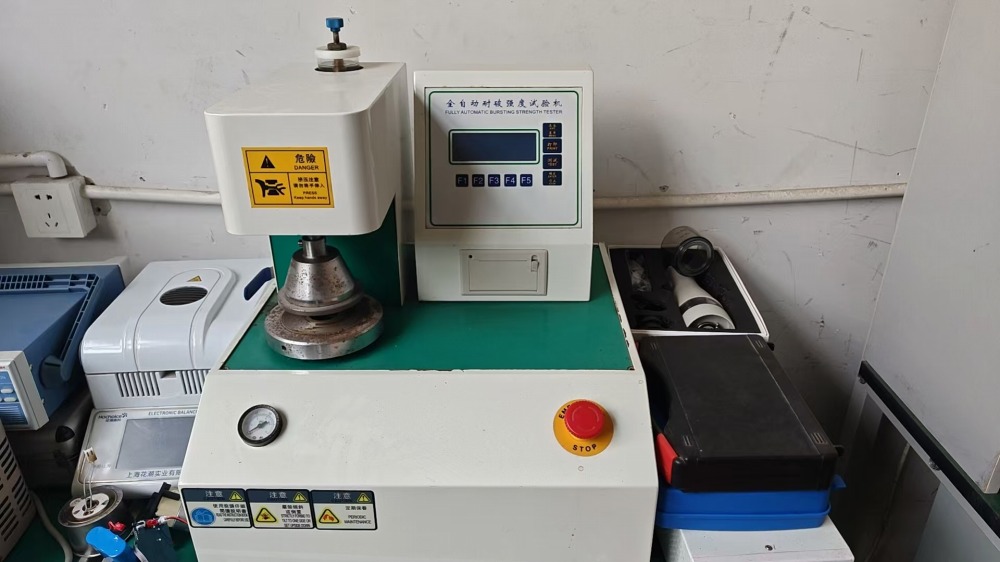
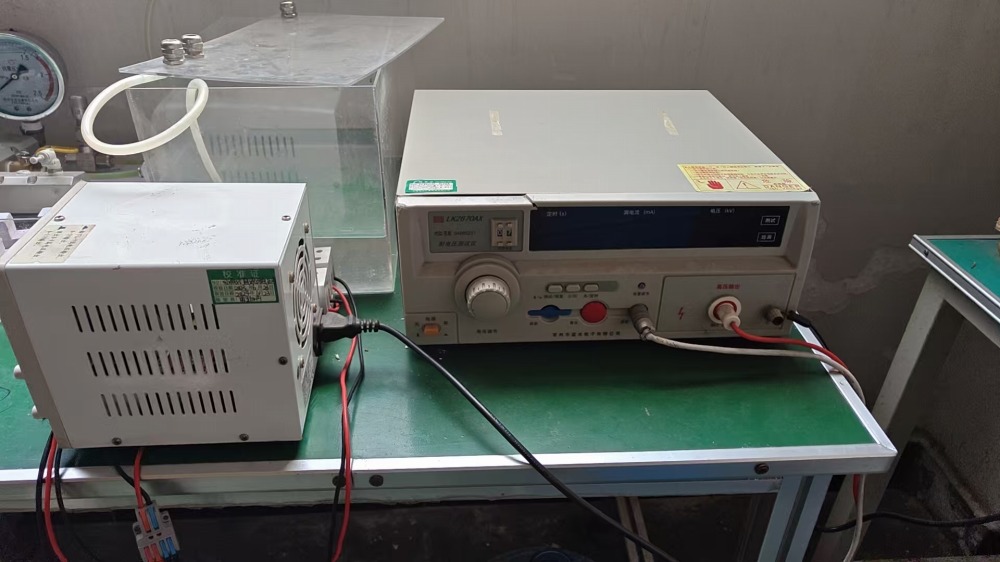
Direct answers addressing technical parameters, food-contact certifications, customization frameworks, and logistics.
Whether you require turn-key wholesale supply of proven dispenser architectures or complete bespoke ODM tooling, our bilingual technical engineering desk is ready to review your 3D CAD files, BOM criteria, and target retail pricing.
Receive comprehensive technical specifications, current export pricing schedules, and rapid prototyping consultation within 12 business hours.
Inquire Now