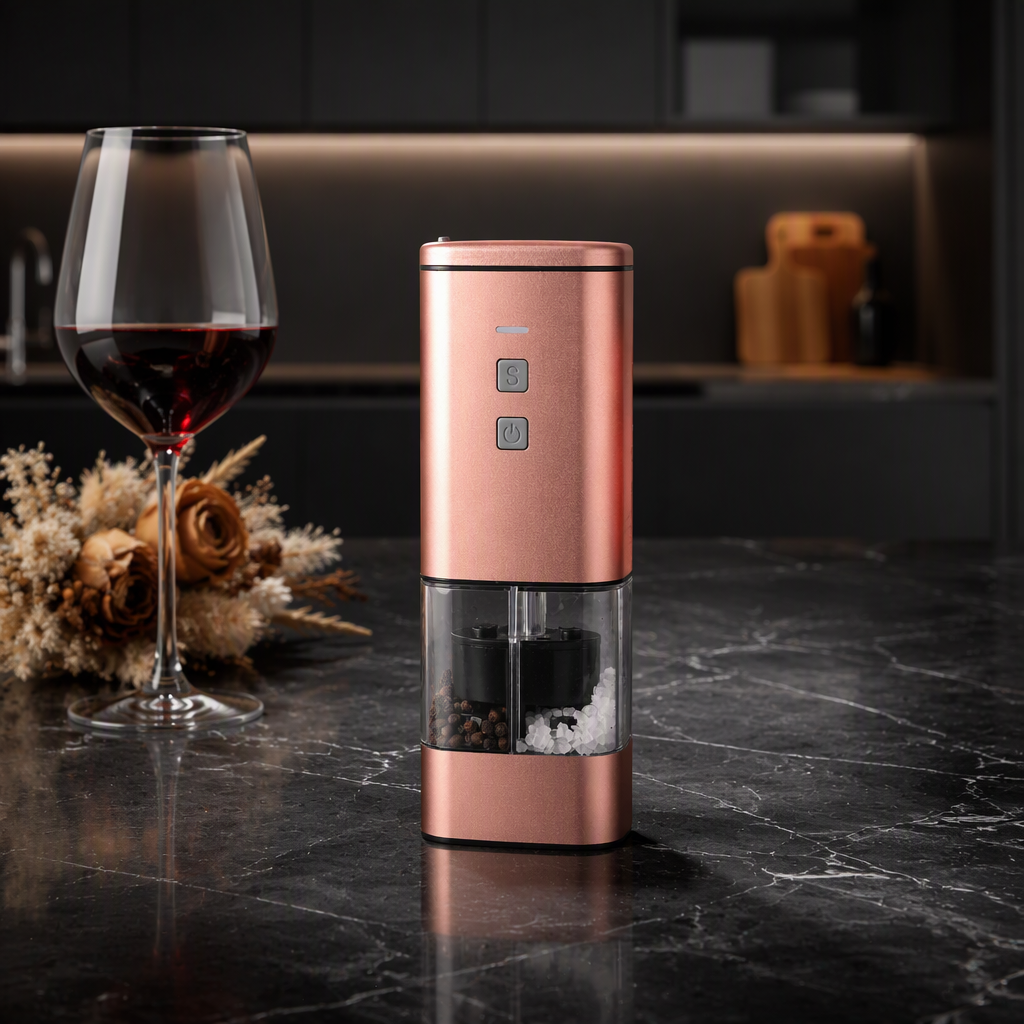
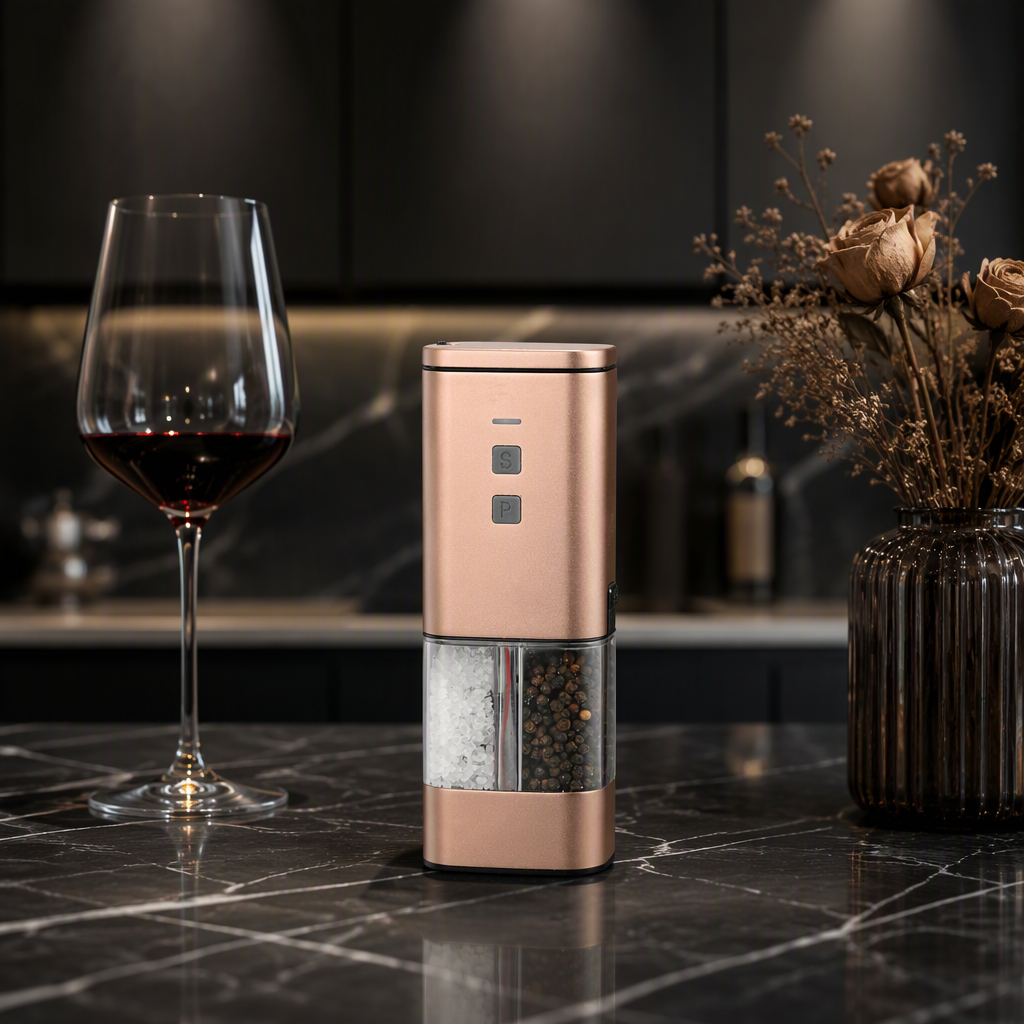
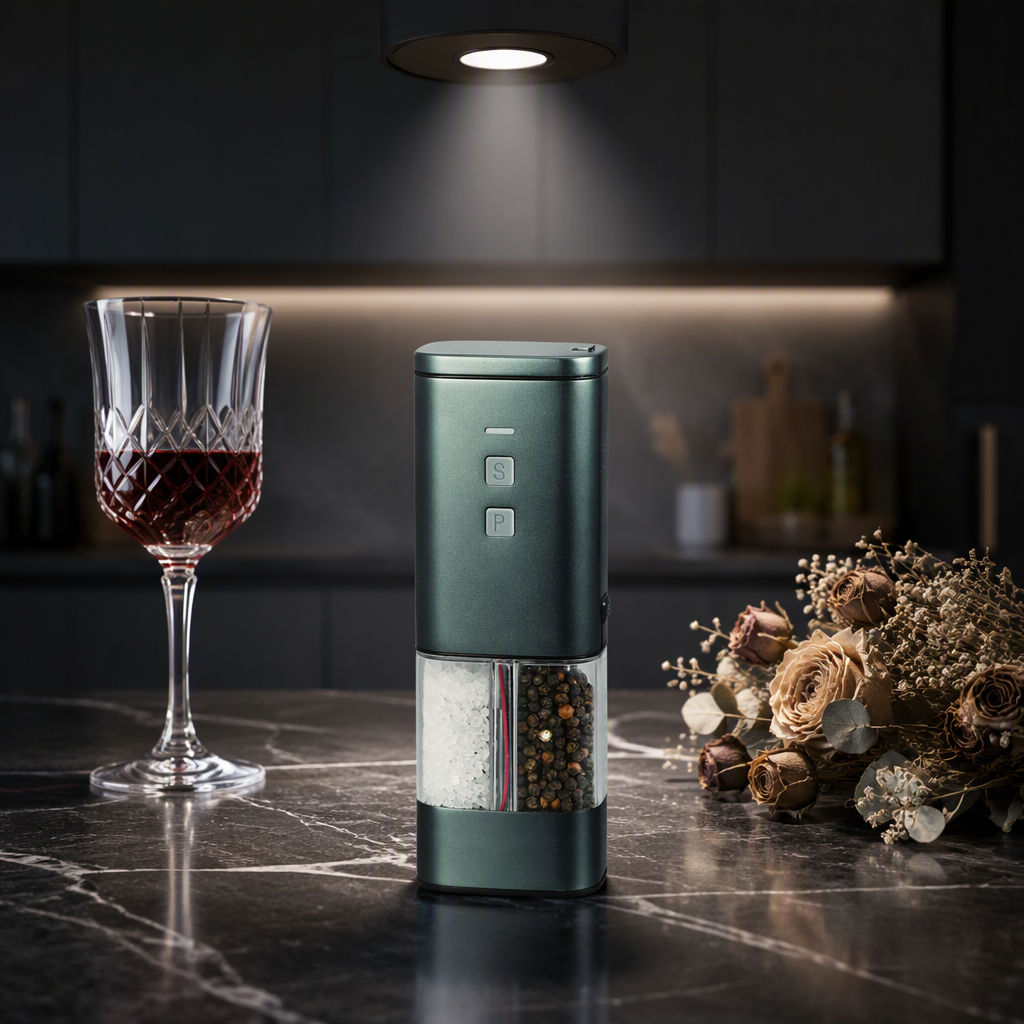
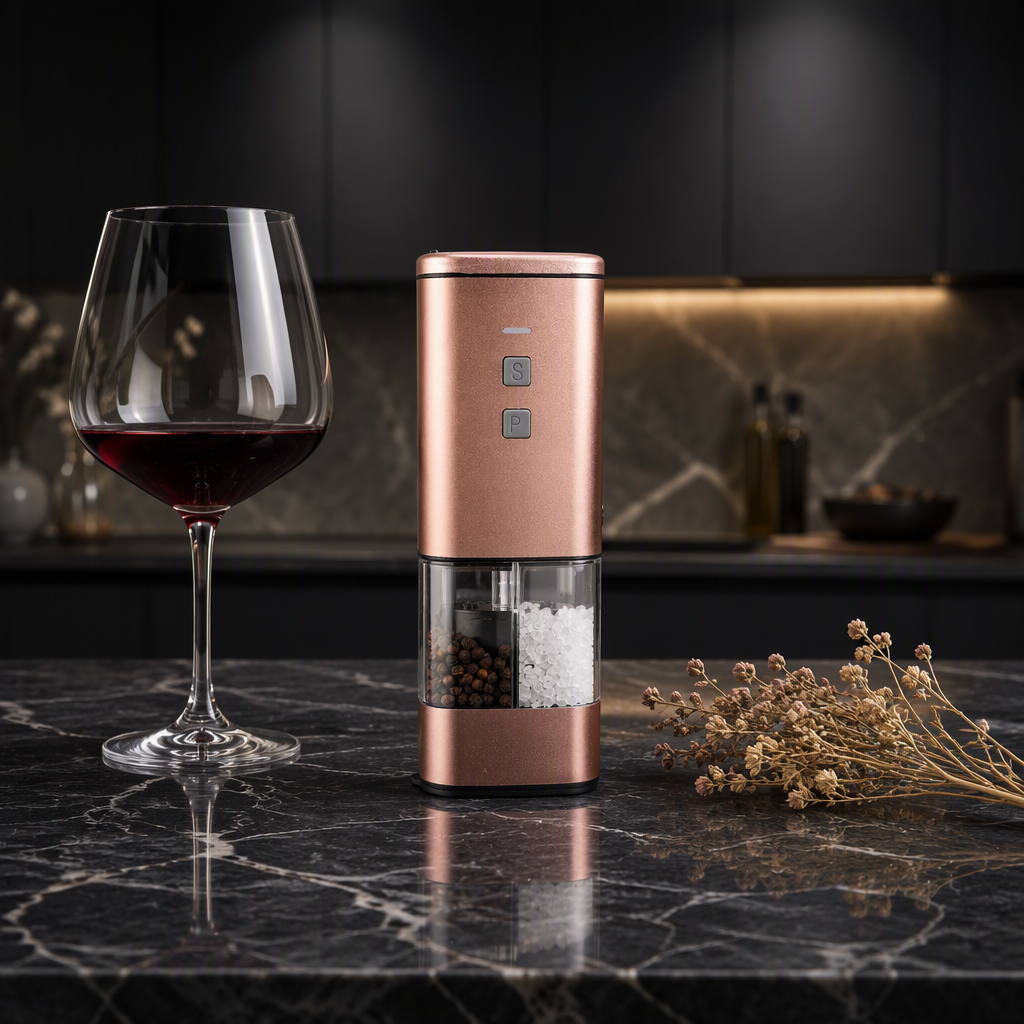
In commercial tabletop presentation, hospitality environments, and high-end retail spice dispensing, the stainless steel pepper mill functions not merely as container ware, but as an electromechanical shear mechanism subjected to corrosive ambient conditions. Sourcing agents navigating the OEM/ODM landscape often face critical points of mechanical failure: burr wear, electrolytic corrosion around adjustment screws, and motor torque degradation under cyclic load. This industry report outlines the thermodynamic, metallurgical, and structural realities that govern high-reliability spice mill manufacturing.
1. Metallurgical Architecture: Austenitic AISI 304 vs. Low-Grade Ferritic Alloys
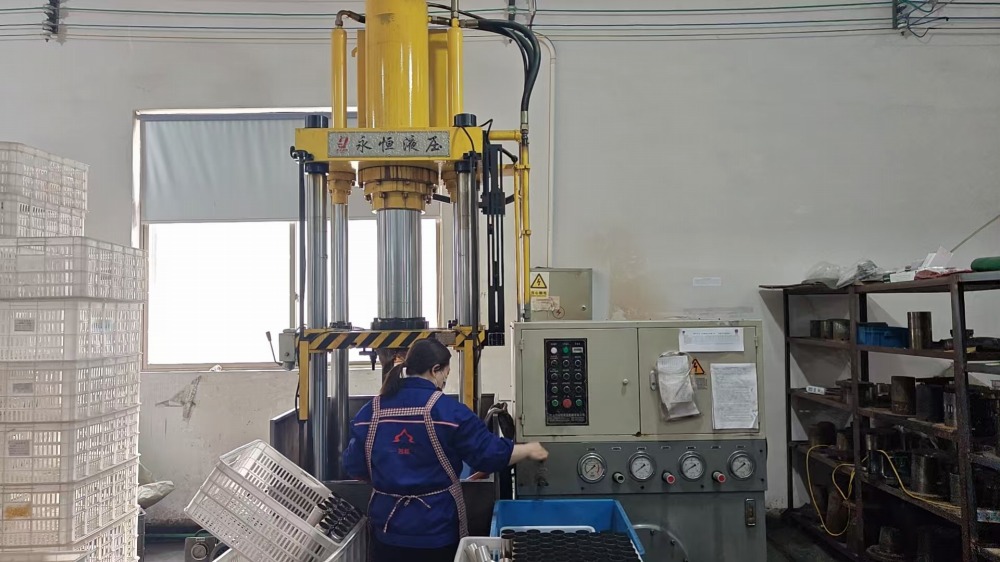
A prevalent pitfall in budget kitchenware supply chains is the substitution of austenitic AISI 304 (18/8 chromium-nickel) stainless steel with low-cost ferritic variants (such as 430 or modified 200-series alloys). Peppercorns contain natural terpenes, volatile pinene, and trace moisture; when combined with table salt (NaCl) in dual-mill operations, electrochemical halogen pitting accelerates exponentially. BMDEV utilizes proprietary hydraulic bulging lines and laser tube cutting directly from verified deep-drawing AISI 304 coils. Each mass-production batch undergoes non-destructive spectrometer validation alongside continuous ASTM B117 salt-spray chamber testing exceeding 72 hours without rust emergence.
| Engineering Attribute |
BMDEV Industrial 304 Stainless Specification |
Standard Commodity Market Grade |
Procurement Impact |
| Alloy Composition |
18.2% Cr, 8.1% Ni, <0.08% Carbon |
14% Cr, 0.5% Ni (Grade 430 / 201) |
Zero surface pitting under humid sea freight |
| Burr Mechanism |
Alumina Ceramic 95% Density / 420 Martensitic Steel |
Molded Plastic or Low-hardness Zinc Alloy |
Over 150,000 continuous grinding revolutions |
| Drive Transmission |
Sintered Bronze Bearings with Steel Drive Rod |
Direct Polystyrene Plastic Coupling |
Zero stripping when crushing Telicherry corns |
| Testing Benchmark |
72h Salt Spray + 1.2m Carton Burst Drop Test |
Visual Sample Inspection Only |
Near-zero RMA return rates for Amazon Top-Sellers |
2. Grinding Core Kinematics: Ceramic Cone vs. Martensitic Cutters
The culinary debate between ceramic burrs and stainless steel blades is rooted in physics. Ceramic conical burrs (synthesized via isostatic pressing of aluminum oxide) possess Vickers hardness ratings approaching HV 1200. Because ceramic is non-reactive, it is chemically inert to both salt aerosols and acidic whole spices. In contrast, machined CNC steel burrs offer superior cutting sharpness, fracturing the essential oil cells of black pepper (piperine compounds) rather than crushing them, yielding intense olfactory release. At BMDEV, we provide hybrid drive architectures allowing importers to specify either modular ceramic cores for dual salt-and-pepper versatility, or micro-machined metal cutters for gourmet pepper-exclusive sets.
3. Future Sourcing Trends: What Enterprise Buyers Must Anticipate
The global retail landscape for spice mills is experiencing a rapid technological transition toward Type-C Fast Charging, Modular Disassembly, and Zero-Plastic Food Zones:
- Universal Lithium-Ion Architecture: Disposable AAA battery compartments are being superseded by integrated 1600mAh to 2000mAh pouch cells. European regulations increasingly mandate USB Type-C input with overcharge/short-circuit protection chips tested to CB/CE guidelines.
- Cleanroom Disassembly for Hygiene: As consumer safety standards tighten under FDA 21 CFR and German LFGB legislation, enterprise buyers must ensure that spice contact chambers can be stripped, rinsed, and assembled without specialized mechanical tools.
- Plastic-Free Metal Geartrains: High-end consumers reject food-contact plastics. Our engineers have pioneered all-metal motor boxes and stainless-steel axle tracks to ensure that whole spices contact solely glass, ceramic, and food-grade 304 stainless steel.