Precision Cordless & Kitchen Grinding Systems
Explore engineering-grade electric, cordless, and gravity-assisted grinding solutions tailored for international consumer appliance brands, roasters, and commercial buyers.


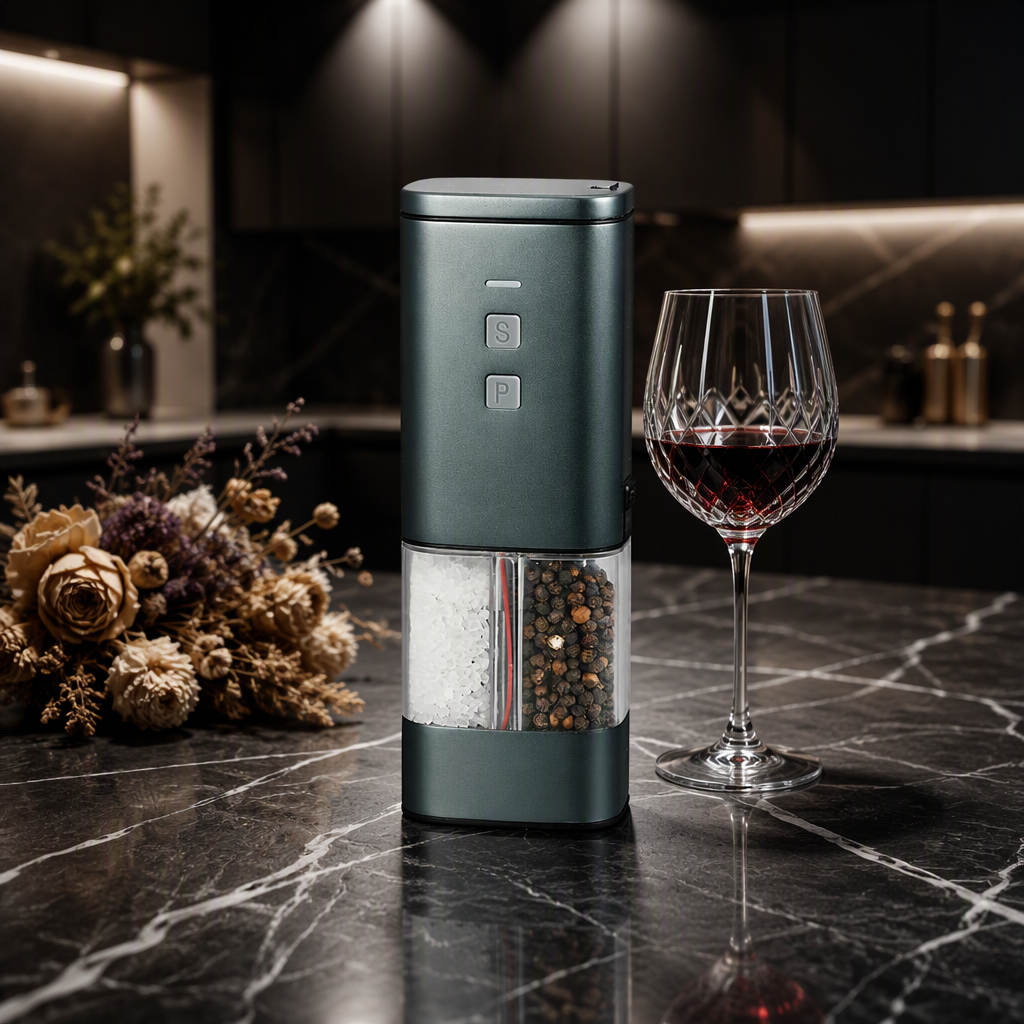

Industrial Whitepaper: Sourcing Cordless Coffee Grinders from China
A rigorous review of technical parameters, internal kinematics, and sourcing standards for tier-1 coffee appliance distributors and global OEM brand managers.
The global shift toward fresh-ground specialty coffee has driven unprecedented consumer demand for cordless coffee grinders. Unlike traditional mains-powered AC appliances, cordless battery-operated grinders require an intricate convergence of high-torque low-RPM DC motors, planetary reduction gearboxes, precise lithium-ion battery management systems (BMS), and thermal-isolated burr assemblies. Sourcing from certified Chinese manufacturing facilities provides global brand owners with a competitive edge across product performance, margin structuring, and speed-to-market.
As a verified production hub in Tongqin Town, Jinhua, Zhejiang, Zhejiang BMDEV Plastic Industry Co., Ltd. maintains 23 years of specialized kitchenware manufacturing experience. Operating out of an Intertek on-site verified 12,538 m² plant with 264 employees, our vertically integrated lines handle every phase—from raw polymer injection and CNC metal turning to final carton drop testing.
Burr Metallurgy & Precision
Cordless grinders depend on sharp, consistent cutting mechanisms. While conical ceramic burrs (Al₂O₃) provide non-corrosive, non-rusting properties ideal for damp environments or salt/spice applications, specialty coffee applications demand CNC-machined 420 or 304 stainless steel burrs with hardness ratings up to HRC 55–58. Controlled concentricity eliminates particle distribution variance.
DC Motor & Gearbox Kinematics
Mains-powered blade grinders produce excessive friction heat (>60°C) which flashes off volatile aromatic coffee oils. BMDEV integrates high-torque DC reduction motors operating between 60 to 90 RPM. This regulated speed prevents heat transfer into the bean hopper, preserving delicate enzymatic florals and terroir notes for pour-over, Aeropress, and French press extractions.
Lithium-Ion Safety & BMS Architecture
Exporting to European and North American markets requires rigorous compliance with battery safety directives. Our cordless platforms integrate 18650 and 21700 lithium battery packs (typically 1200mAh to 1600mAh) protected by customized PCBA controllers with over-voltage, short-circuit, and anti-stall automatic shutdown mechanisms, passing UN38.3, CE, and CB benchmarks.
Engineering Matrix: Burr Material & Kinematic Benchmark
B2B technical comparison for global procurement teams selecting burr configurations for private label programs.
| Kinematic Criterion | Industrial Ceramic Conical Core | CNC 420 Stainless Steel Burr | High-Speed Rotary Blade |
|---|---|---|---|
| Primary Application | Pour-over, Drip, Salt & Spices | Espresso, Specialty Pour-Over, Chemex | Entry-Level Retail / Multipurpose Spice |
| Thermal Transfer (°C delta) | Minimal (< 2°C rise over 30g run) | Low (< 3.5°C rise over 30g run) | Extremely High (> 18°C rise within 15s) |
| Particle Size Distribution | Consistent (low fines, mid boulders) | Bimodal / High Uniformity (tight curve) | Random (high percentage of micro-fines) |
| Hardness Index | Mohs 9 (Extremely wear-resistant) | HRC 55–58 (Razor sharp cut) | HRC 48–52 (Crushing force) |
| Battery Run-Time (1600mAh) | 25–35 grinding cycles per charge | 18–25 grinding cycles per charge | 40+ grinding bursts per charge |
Future Procurement Trends in Cordless Grinding Appliances
Market forecasts for 2025–2030 highlighting the technological and consumer trends shaping global coffee hardware sourcing.
Stepless Micrometric Adjustment
Consumer markets are maturing rapidly. The next generation of B2B procurement focuses heavily on internal click-dial mechanisms evolving into external stepless adjustment collars. Importers are designing grinders that cater to both aeropress travelers and home baristas who need to dial in single shots with 15-micron precision steps without opening the ground-catch container.
USB-C Power Delivery & Fast Docks
Micro-USB connectors are completely phased out due to EU universal charger mandates. Cordless grinder manufacturing now prioritizes USB Type-C PD protocol compliance, bidirectional fast-charging ports, and magnetic inductive desktop bases. Consumers expect a 2-hour full charge cycle capable of sustaining 30 days of standard daily two-cup brewing workflows.
Material Sustainability & Circularity
Leading retailers in the EU and North America now mandate strict ESG commitments. Grinder chassis are transitioning from virgin ABS to PCR (Post-Consumer Recycled) polymers, recycled aircraft-grade aluminum, and FSC-certified natural hardwoods, paired with monomaterial pulp packaging that eliminates expanded polystyrene (EPS) foam entirely.
Technological & Product Evolution Roadmap
How China's leading factory engineering teams are advancing coffee grinder kinematics and smart electromechanical features.
Historically, manual hand-crank grinders occupied the portability niche, while desktop electric grinders dominated countertop use. Today, technological evolution in brushless DC motors (BLDC) and compact planetary gearing has created a new category: pocketable electric burr systems capable of generating commercial-grade torque without stalling on dense, lightly roasted Ethiopian high-altitude beans.
Furthermore, leading OEM factories are implementing Smart Anti-Resistance Detection. When a hard green bean or foreign object wedges between the burr cones, current sensing circuitry detects the spike within 50 milliseconds, immediately oscillating the motor backward before halting to prevent motor burnout, broken gear teeth, or blown MOSFETs. Integrated LED indicators give immediate feedback on battery levels, stall alerts, and bean hopper status.
Enterprise Strengths & Vertically Integrated Facility
Direct from Zhejiang BMDEV Plastic Industry Co., Ltd. — an Intertek-assessed supply chain with full in-house capabilities.
Unlike trading intermediaries, Zhejiang BMDEV Plastic Industry Co., Ltd. operates a vertically managed manufacturing system in Fenghuangshan Industrial Zone, Tongqin Town, Jinhua, Zhejiang. With 10 specialized in-house production lines, we control tolerances, eliminate subcontracting markups, and protect intellectual property under strict international NDAs.
 01. Raw Material QC
 02. Injection Molding
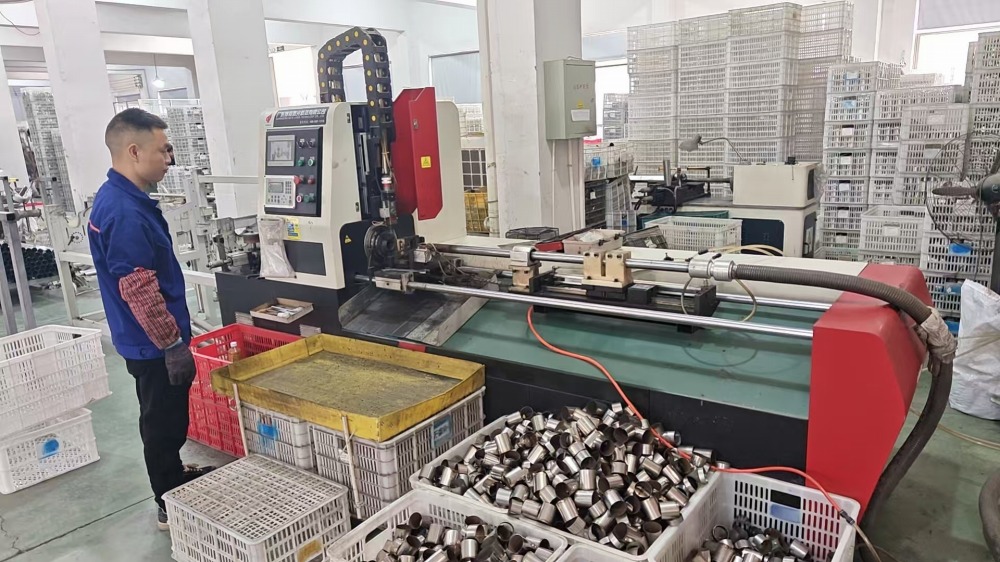 03. Metal Cutting
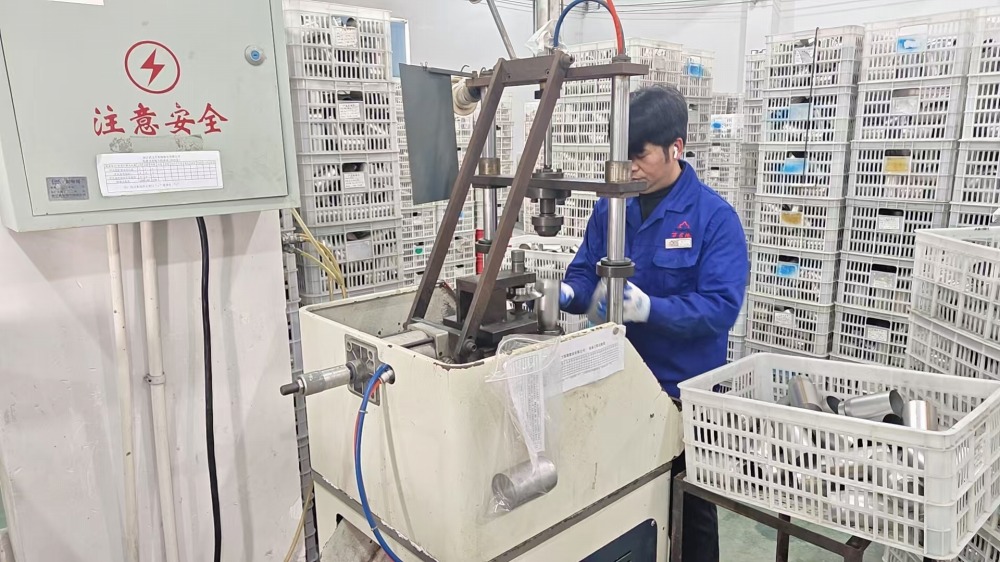 04. Laser Processing
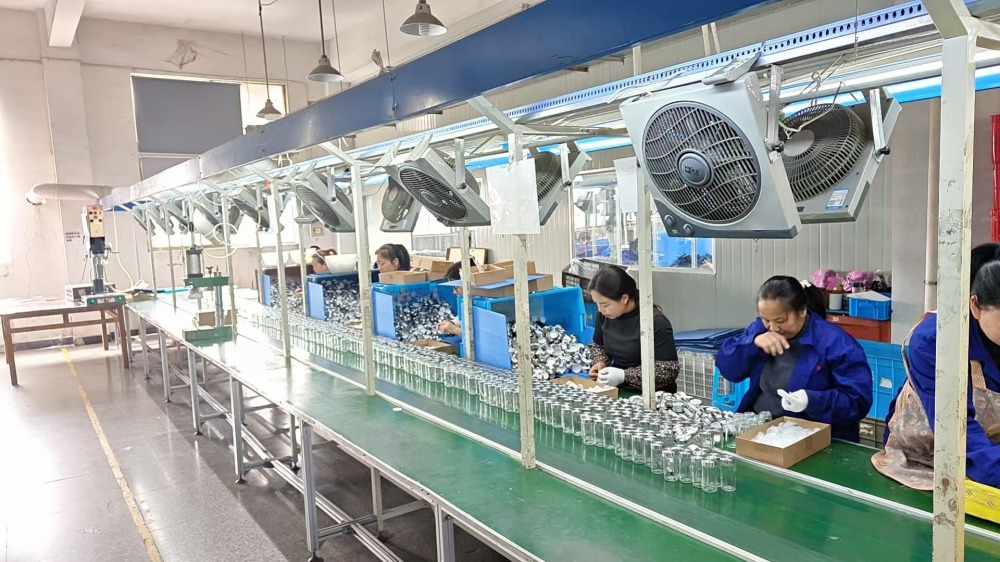 05. Final Assembly Line
Intertek On-Site Assessment
Our complete manufacturing operation, facility dimensions, personnel counts, and quality control systems are independently inspected and verified by Intertek. Buyers can review audit reports directly for simplified vendor qualification.
In-House Testing Laboratory
We do not rely on third-party labs for day-to-day validation. Our workshop houses dedicated salt spray chambers, programmable temperature/humidity chambers, automated carton drop/bursting testers, and battery life cycle test banks.
Full ODM Engineering Support
We manage projects from napkin sketches through DFM (Design for Manufacturing) analysis, rapid SLA prototyping, steel tooling fabrication, pilot batch trials, and mass certification (CB, CE, RoHS, LFGB, and FDA standards).
Procurement & Sourcing FAQ
Direct answers to technical, commercial, and compliance questions commonly raised by professional appliance buyers.
❓ What is the Minimum Order Quantity (MOQ) for custom projects?
MOQ varies based on the level of customization. We support sampling and pilot orders starting from 2 to 200 units for standard in-stock platforms. Minor OEM customization (laser-etched logo, custom colorways, and branded packaging) typically starts at 500 to 1,000 units. Full tooling ODM developments start at 2,000 units.
❓ How do you solve heat dissipation in battery coffee grinders?
Thermal buildup degrades motor lifespan and roasts volatile coffee oils. Our engineering uses engineered gear ratios that drop DC motor speed to 70–80 RPM. Aluminum housing components double as passive heatsinks, while thermal breaks between the drive shaft and burr core limit temperature rises to under 3°C.
❓ Which burr core should we specify for our market?
If targeting casual pour-over consumers or multipurpose kitchen use (coffee, pepper, salt, dried aromatics), ceramic conical burrs provide exceptional value, zero corrosion, and washability. For specialty coffee brands targeting dialed-in espresso or uniform pour-over distribution, CNC 420 stainless steel burrs are strongly recommended.
❓ What international food contact certifications do you support?
All materials contacting food (burr carriers, bean hoppers, glass/AS catch cups) are engineered to pass FDA (USA) and LFGB (Germany/EU) food safety extraction protocols. Our electrical components and battery cells carry CB scheme test certificates, CE EMC/LVD reports, and UN38.3 lithium battery transport declarations.