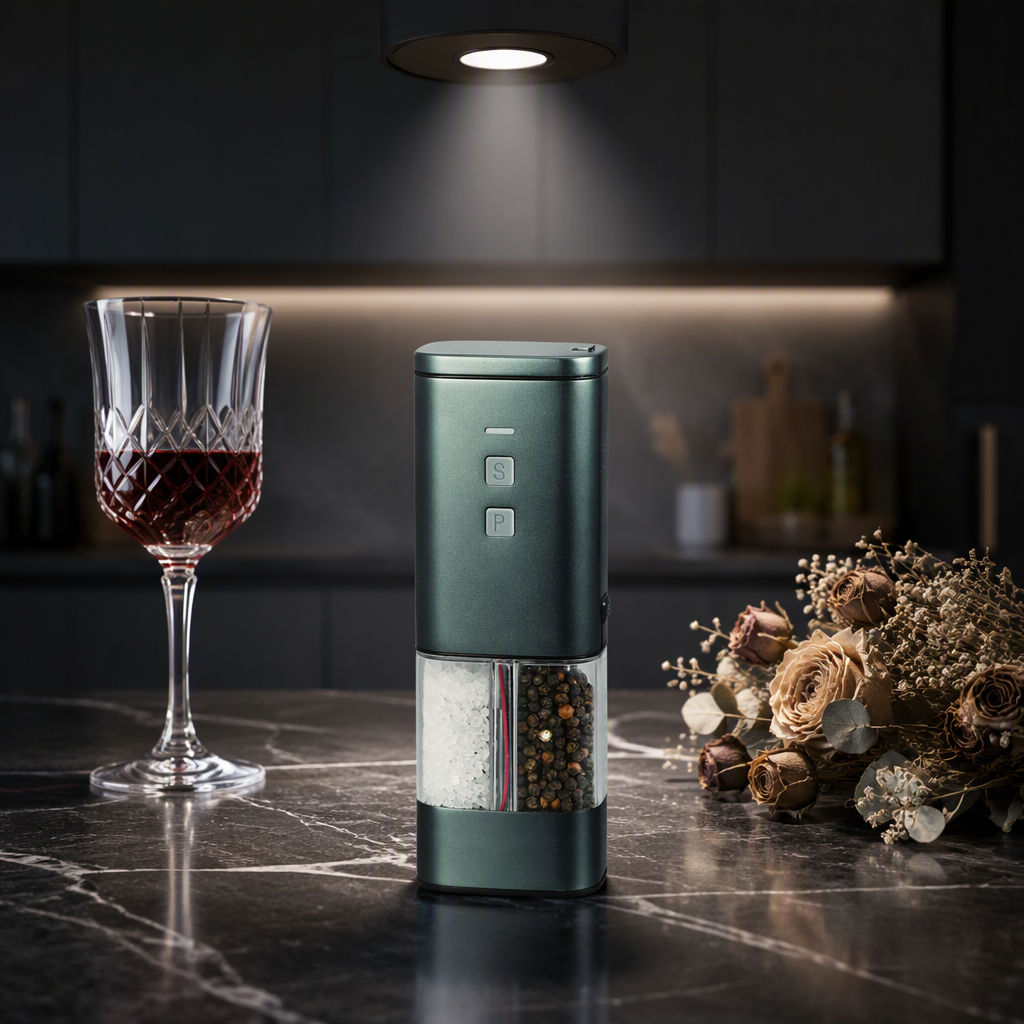
- High-torque motor with anti-lock gearing
- Food-grade SUS304 brushed body
- Dual application for spice and specialty beans
Explore commercial electric, gravity sensor, dual-dock, and manual vintage mills engineered for global housewares brands, mass retail, and professional food service.


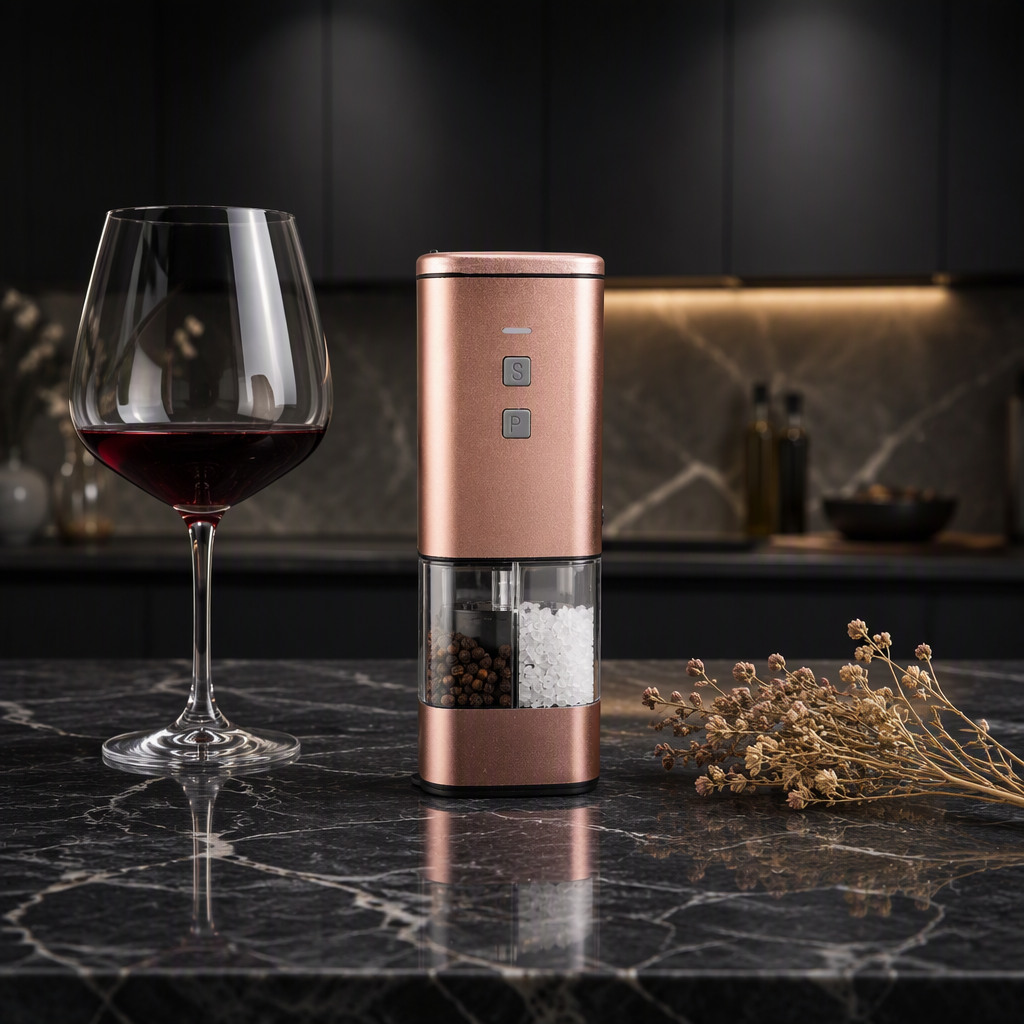
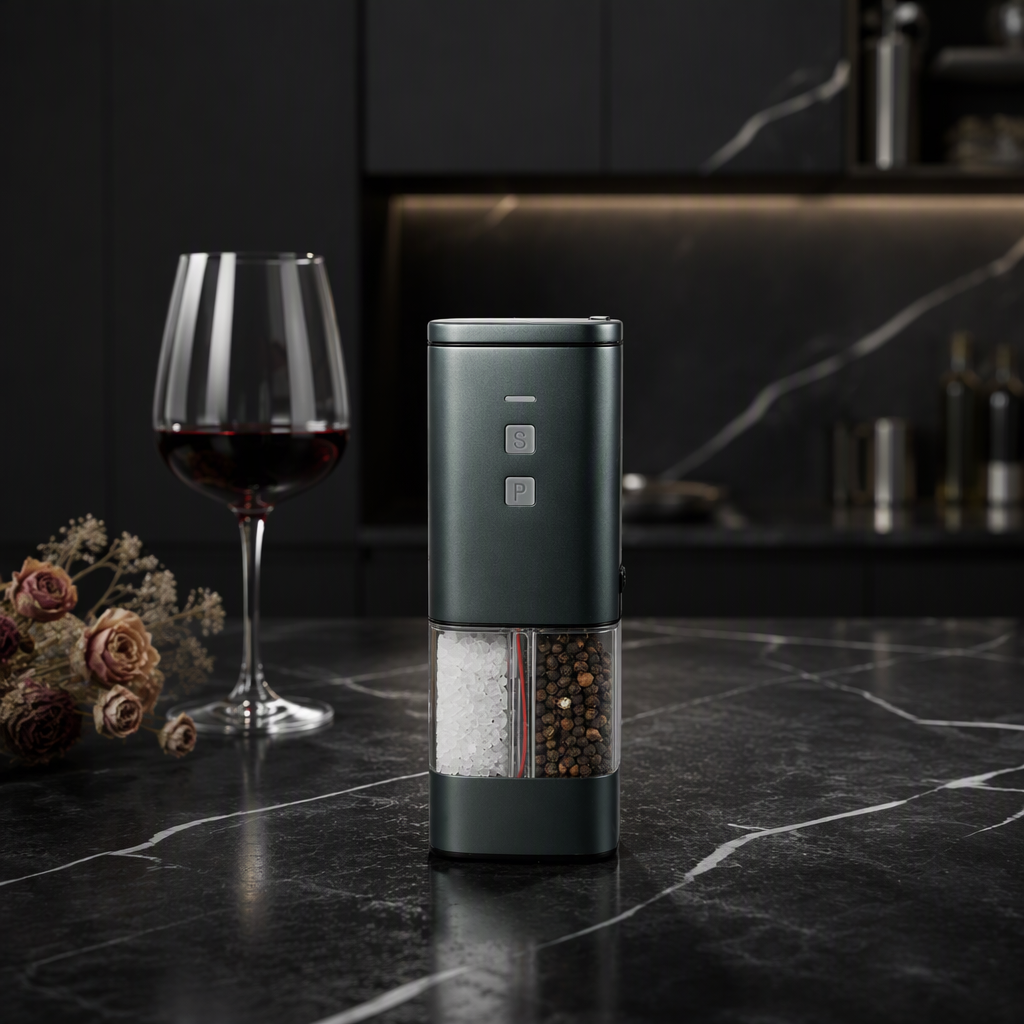
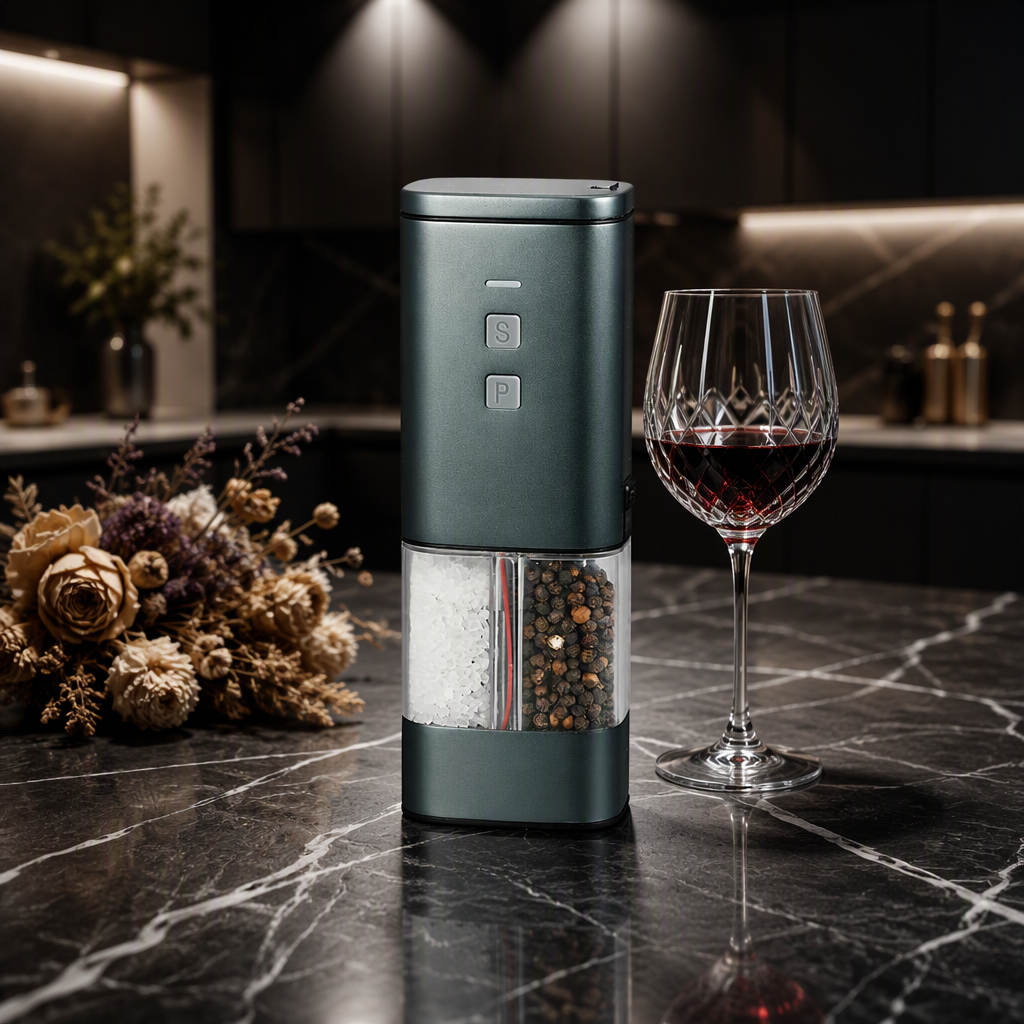
A deep technical review of mechanical performance, oxidation vulnerabilities, and grain particle dispersion under commercial load cycles.
In salt dispensing systems, material degradation is dictated by electrochemical oxidation. Sodium chloride (NaCl) in ambient kitchen environments with humidity above 65% forms an electrolytic film that compromises martensitic and ferritic stainless steel grades, precipitating ferric oxide and pit corrosion. Consequently, high-performance OEM manufacturers like Zhejiang BMDEV engineer salt mills with 95% sintered alumina (Al₂O₃) ceramic cores. Sintered at temperatures exceeding 1,650°C, alumina ceramic possesses a hardness rating of 9 on the Mohs scale, presenting total chemical inertness to aggressive halides.
Conversely, for tellicherry black peppercorns containing high concentrations of essential monoterpenes and piperine, mechanical shearing efficiency is critical. Sintered ceramic crushes internal cell walls without conducting thermal frictional heat, preserving delicate volatile organoleptic compounds. In electric dispenser systems, our engineers configure a multi-stage helical lead channel that guides spherical peppercorns toward the crushing zone, eliminating drive motor jamming and reducing current draw spikes on integrated lithium-ion cells.
| Evaluation Parameter | Alumina Ceramic Core (BMDEV Pro) | SUS304 Stainless Burr | Carbon Steel Rotor | ABS / Polycarbonate Rotor |
|---|---|---|---|---|
| Himalayan Salt Corrosion | Total Immunity (0.00 mm/year) | Passivated Resistance (Risk of Pitting) | Rapid Oxidation (>0.25 mm/year) | Immune (Mechanically Unstable) |
| Rockwell Hardness (HRC / Mohs) | Mohs 9 / ~85 HRC Equivalent | HRC 52 – 55 | HRC 58 – 62 | < R110 Rockwell |
| Thermal Rise at 120 RPM | < 2.1°C (Flavors Retained) | > 5.8°C (Volatile Evaporation) | > 7.4°C | < 1.5°C |
| Fine Grind Consistency (D50) | 250 – 400 Microns Uniform | 300 – 450 Microns Clean Cut | 350 – 500 Microns | High Dispersion (Inconsistent) |
| Expected Service Life (B10) | > 120,000 Dispensing Cycles | > 80,000 Cycles (Pepper Only) | > 45,000 Cycles | < 8,000 Cycles (Wear Hazard) |
Features internal stepped spring-loaded detents delivering tactile clicks from 150-mesh fine powder to cracked cracked seasoning with zero drift during vibration.
Integrated micro-controllers regulate 3.7V/1600mAh cells with overcurrent, overcharge, and thermal cutoff protection, holding charge across 180 idle warehouse days.
Full raw-material provenance tracking meeting strict FDA 21 CFR 177.1520, German LFGB Section 30/31, EU 1935/2004, and RoHS lead-free solder declarations.
Strategic market analysis for retail buyers, corporate merchandisers, and appliance brands planning catalog investments over the next 5 years.
The disposal of alkaline batteries (4x to 6x AAA cells per unit) is increasingly restricted under EU battery waste directives and North American retailer sustainability mandates. Commercial buyers are aggressively shifting purchase allocations toward Type-C USB direct charging and magnetic desktop dual-dock platforms. Dual docks solve a core consumer friction point: keeping both salt and pepper dispensers continuously primed with single-cord power delivery while providing countertop drip containment.
Post-pandemic commercial kitchen standards and high-volume home cooking have driven rapid adoption of gravity tilt induction sensors. Utilizing miniature inertial measurement units (IMUs) or tilt mercury-free ball switches, these dispensers automate motor activation when tilted beyond 45 degrees. This completely prevents cross-contamination from raw poultry, meats, or marinades to the mill body, positioning gravity mills as an essential ergonomic and sanitary tool in professional catering and modern smart kitchens.
Retail private labels require documented carbon reduction roadmaps. Sourcing departments are abandoning mixed, non-separable plastics in favor of PCR ABS bodies, brushed high-grade 304 stainless shells, and thermal shock-resistant borosilicate glass reservoirs. By engineering grinder units that can be disassembled via mechanical fasteners rather than ultrasonic gluing, dispensers achieve clean circular-economy sorting at end-of-life.
By owning every critical processing stage across our 12,538 m² facility, Zhejiang BMDEV eliminates tiered subcontractor markups and maintains strict dimensional tolerances.

01. Material Inbound Lab

02. Precision Injection
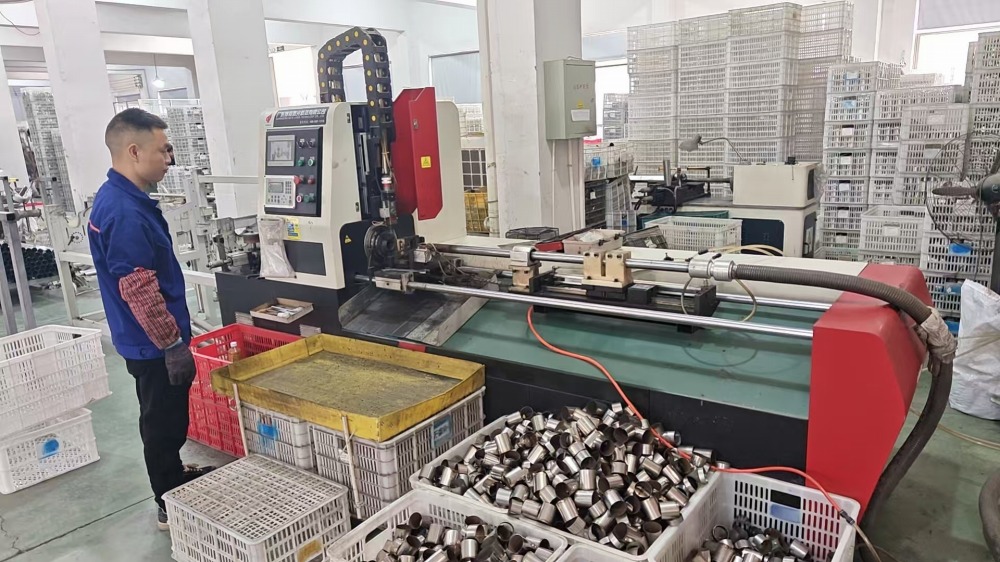
03. Automated Cutting
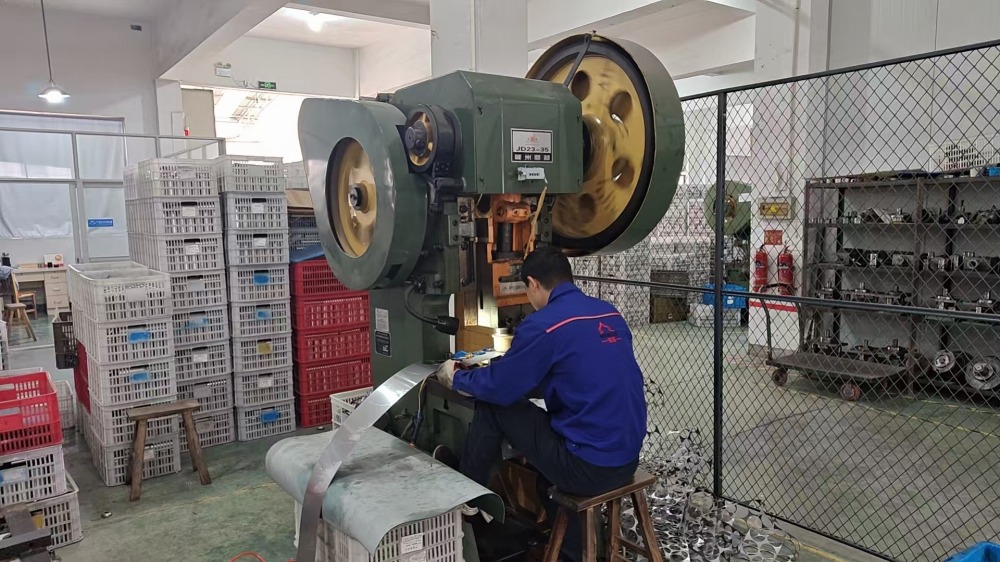
04. Heavy Punching
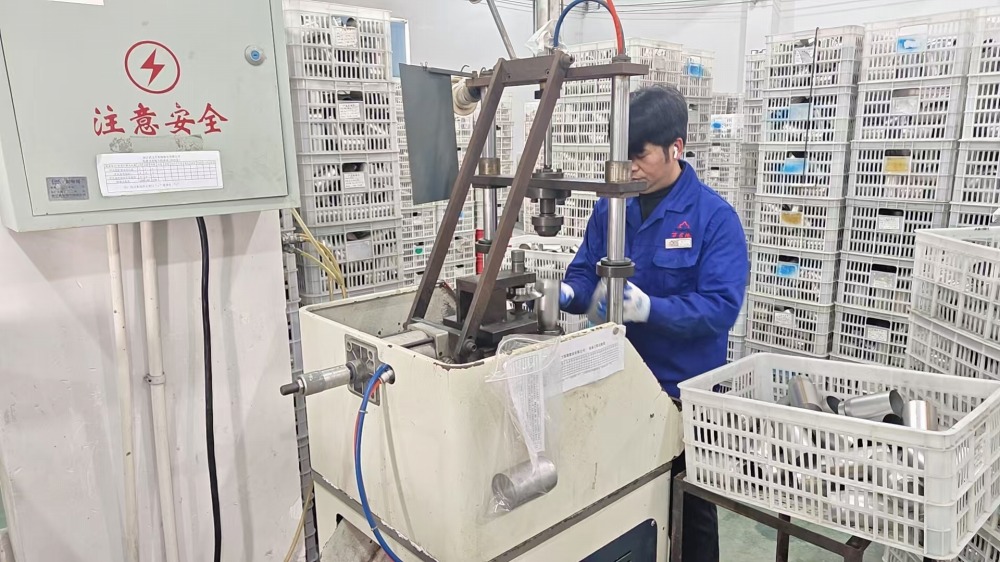
05. Laser Tube Profiling
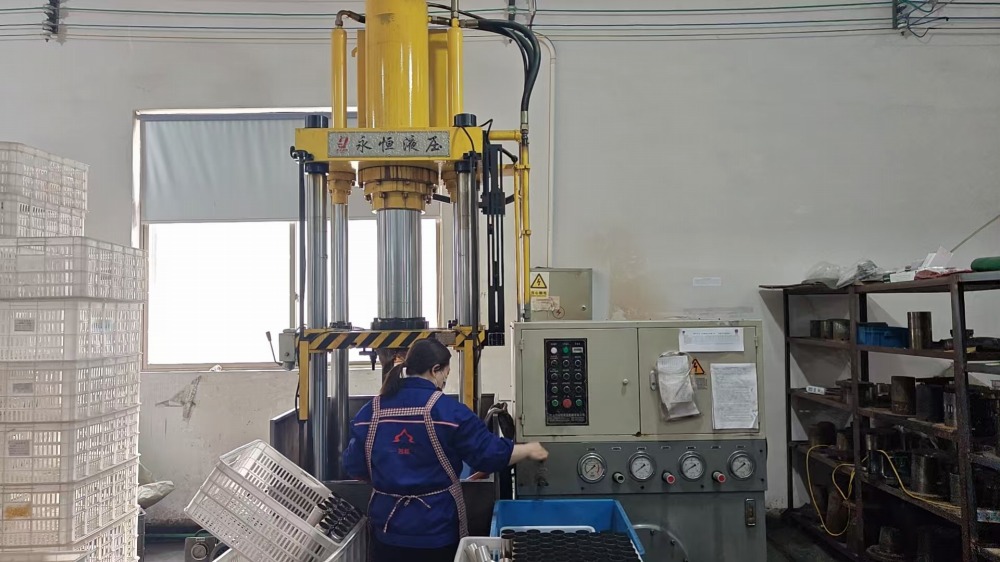
06. Hydraulic Bulging
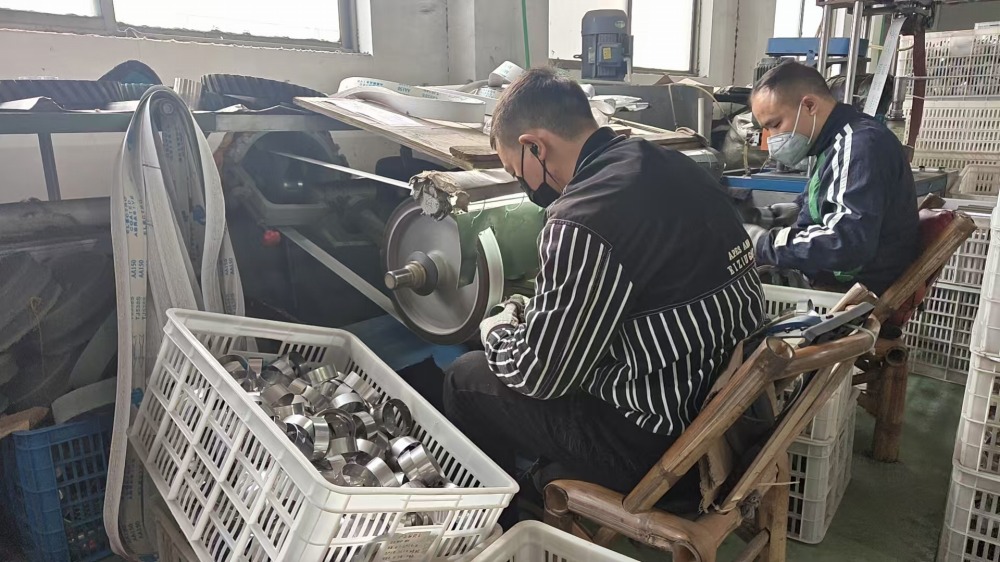
07. Mechanical Polishing
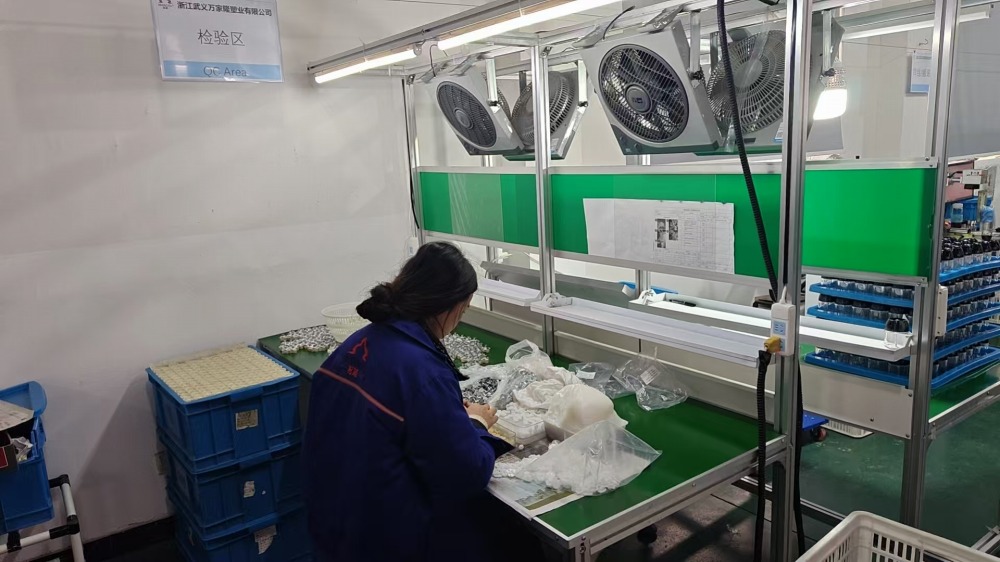
08. 100% Inline QC
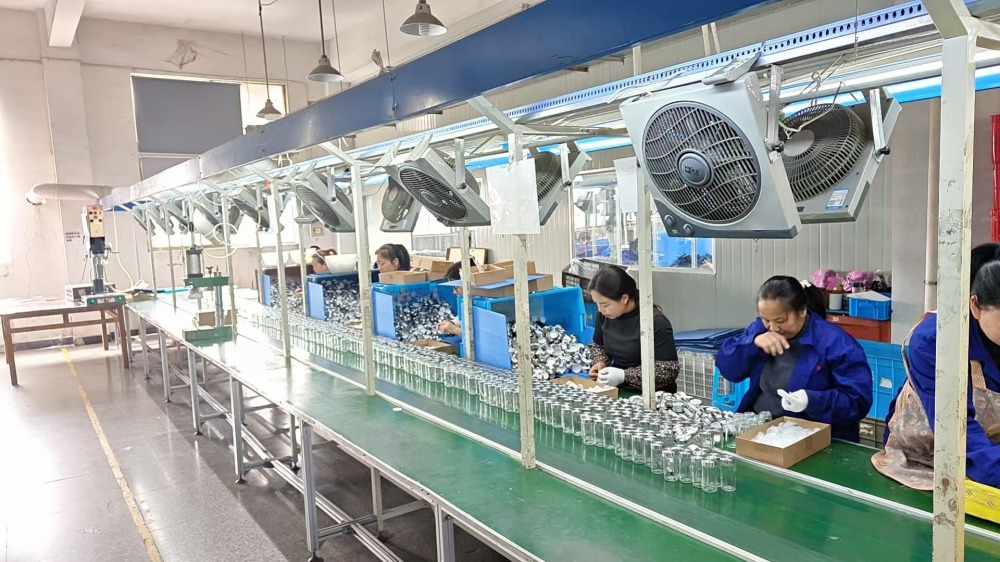
09. Cleanroom Assembly

10. ISTA Drop Packing
Before batch dispatch, sampled production units undergo destructive and accelerated life validation inside our quality testing center:
Actionable answers to technical feasibility, MOQ scaling, sample timing, and import compliance for commercial purchasing teams.
Connect with BMDEV's technical engineering team for complete product catalogs, factory direct pricing schedules, and rapid OEM/ODM design assessments.