Featured CE-Compliant Salt & Pepper Grinder Series
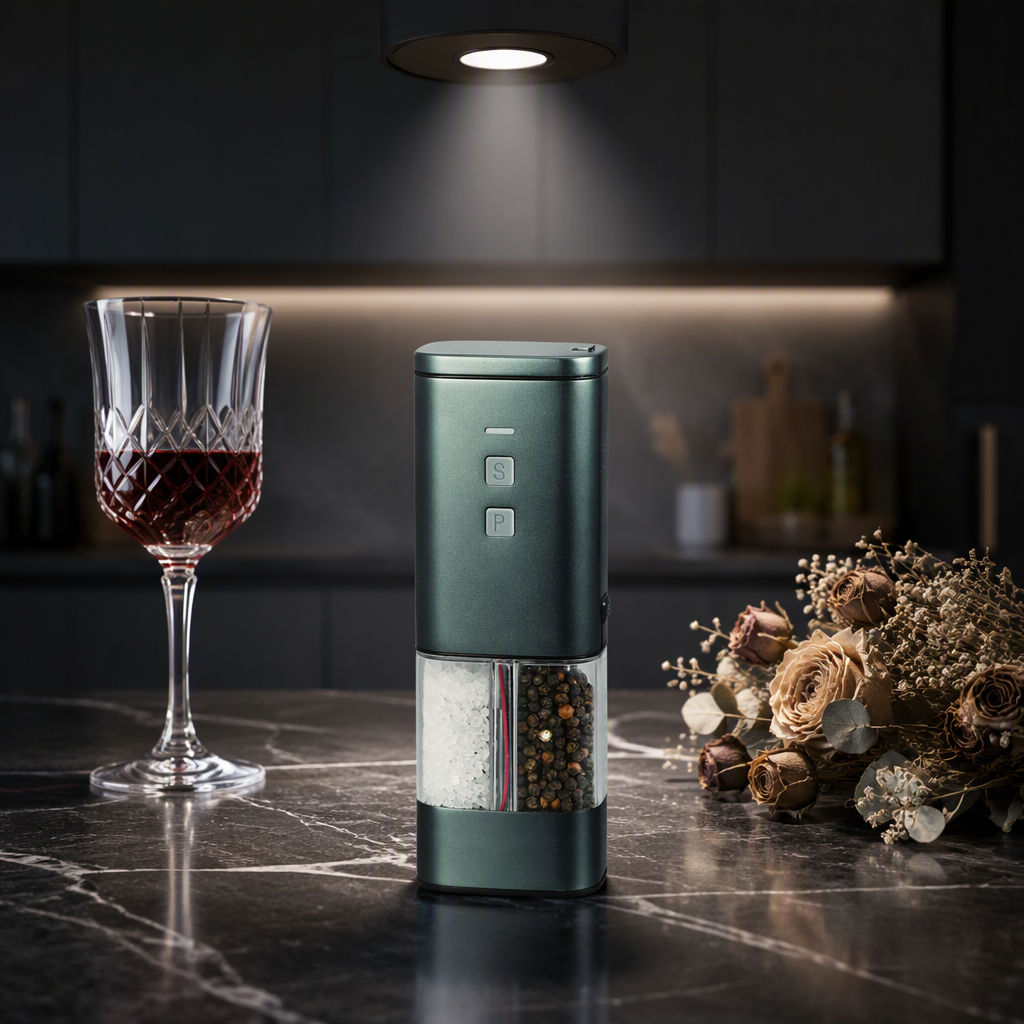
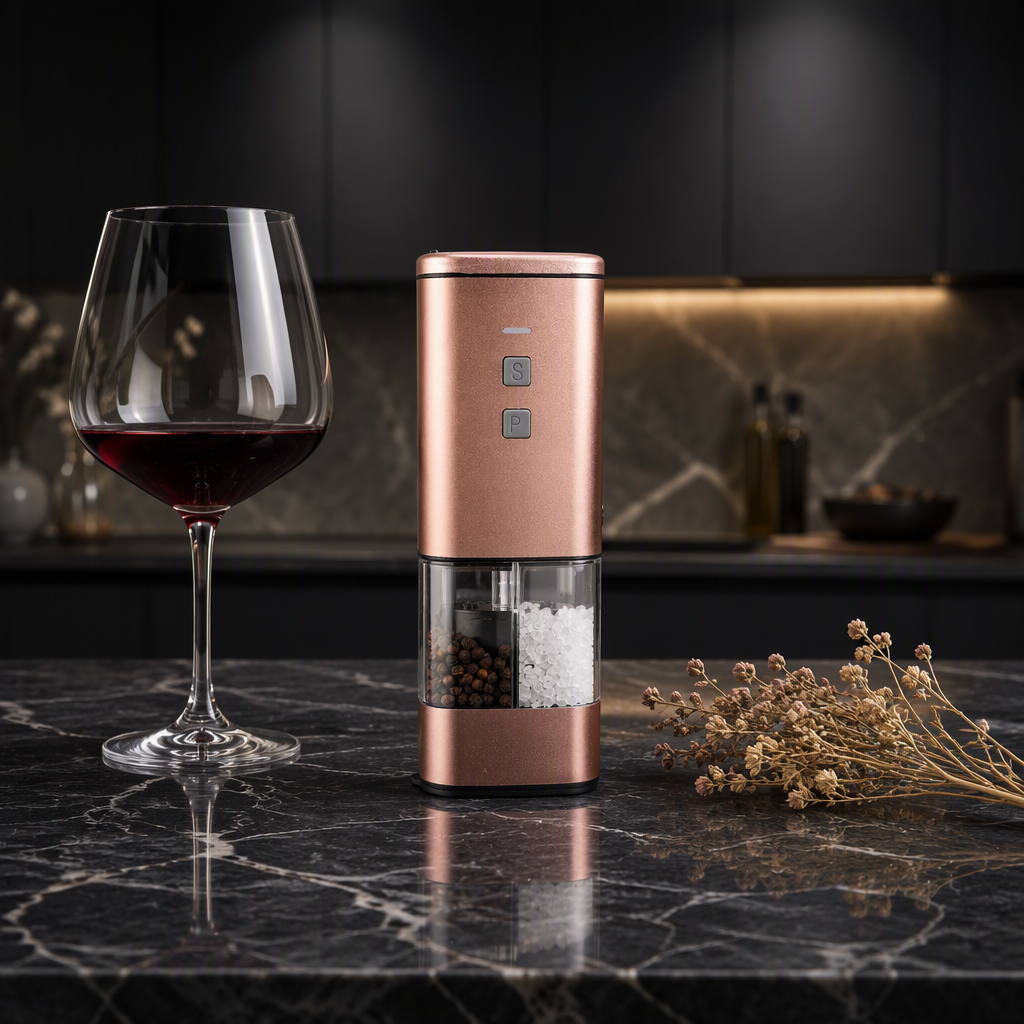
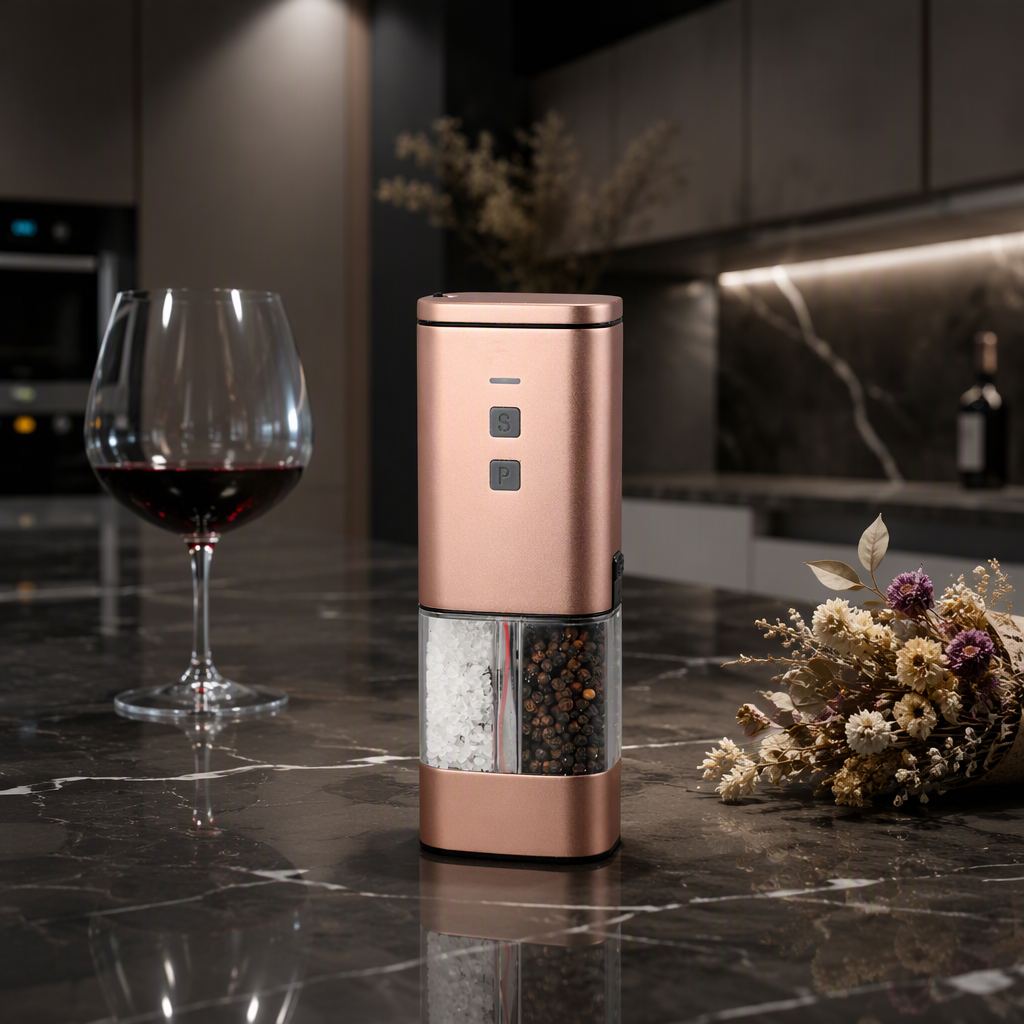
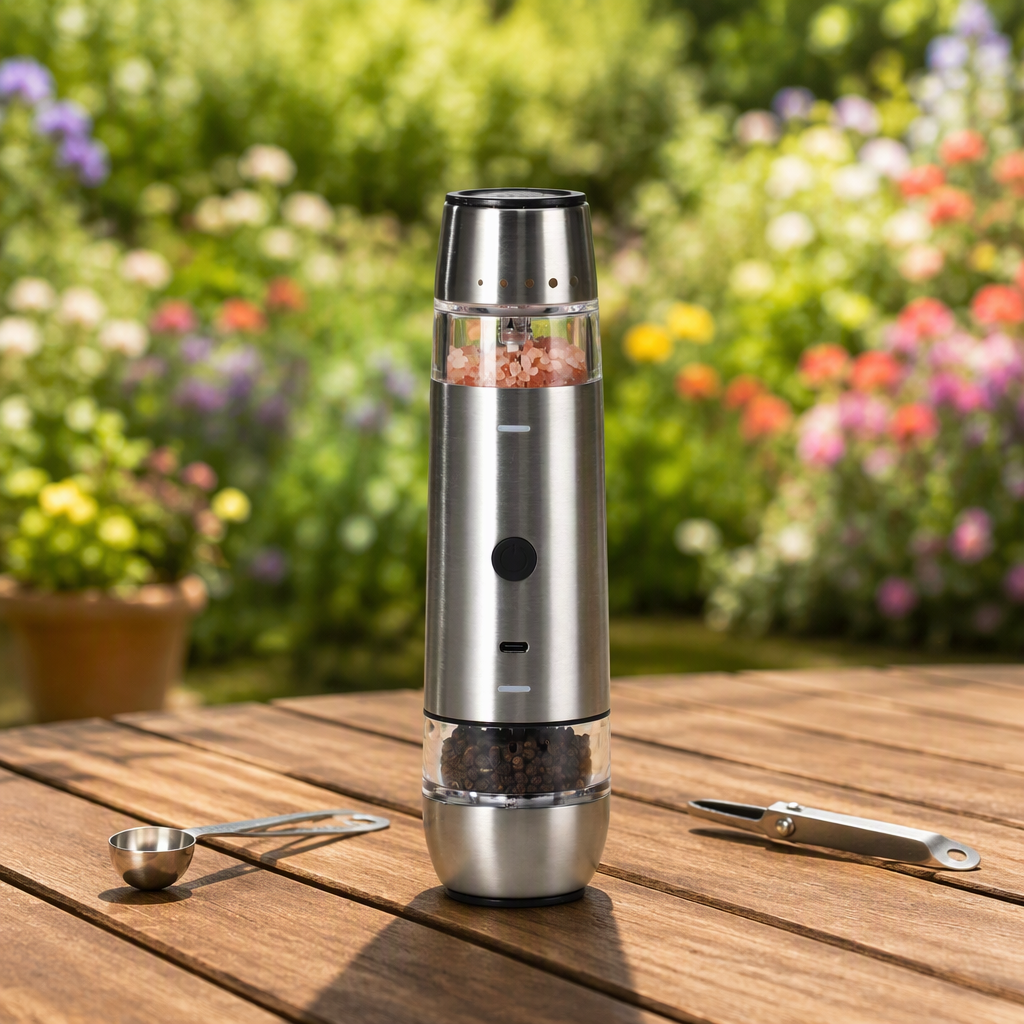
Direct factory production models certified for the European Union, North American, and Asia-Pacific consumer markets. Engineered with precision ceramic cores, food-grade SUS304 housings, and robust lithium or dry battery drive systems.




CE Certification Standards & Food-Contact Compliance in Spice Grinder Manufacturing
For international supply chain managers, brand custodians, and retail purchasing directors sourcing electric and mechanical spice grinding systems, compliance with CE mark directives represents far more than an administrative clearance document. Within the European single market and associated regulatory jurisdictions, an electric pepper grinder set is evaluated as both an electrified appliance and a direct-contact food processing mechanism. Consequently, engineering a compliant pepper mill demands adherence across three stringent, non-negotiable vectors: the Electromagnetic Compatibility Directive (EMC 2014/30/EU), the Low Voltage Directive (LVD 2014/35/EU) or Machinery Directive (2006/42/EC), and European food contact framework regulations Regulation (EC) No 1935/2004 and Germany's LFGB Section 30 & 31.
As an Intertek-verified manufacturer spanning 12,538 m² in Jinhua, Zhejiang, Zhejiang BMDEV Plastic Industry Co., Ltd. implements a strictly audited, closed-loop production methodology. When battery-driven DC motors operate under heavy load—such as crushing dense Tellicherry black peppercorns or hard rock Himalayan pink salt crystals—transient electromagnetic interference can propagate through nearby consumer electronics or compromise internal PCB integrity. BMDEV integrates onboard RC snubber networks, ferrite chokes, and CE-verified decoupling capacitors directly on the DC motor drive circuits. This preventative engineering ensures our electric pepper mill collections pass strict radiated emission and immunity thresholds, preventing premature field failures, customer returns, or regulatory impoundment at EU customs frontiers.
| Directive / Regulation | Applicable Scope | Laboratory Test Standards | BMDEV Production Engineering Execution |
|---|---|---|---|
| EMC Directive (2014/30/EU) | Electric & Rechargeable Mills | EN 55014-1, EN 55014-2, EN 61000-3-2 | Surface-mount suppressors, RF-shielded motor housings, zero radiated spurious interference. |
| Machinery / LVD Directives | Motorized Kitchen Appliances | EN 60335-1, EN 60335-2-14 | Dual finger-pinch prevention barriers, stall-torque thermal cutoff switches, IPX2 spill sealing. |
| RoHS 2.0 (2011/65/EU + 2015/863) | Internal PCBs, Solder & Wiring | IEC 62321 XRF Spectrometry | Lead-free soldering baths, halogen-free wiring harnesses, compliant internal sub-assemblies. |
| EC 1935/2004 & LFGB | Grinder Chambers, Burrs & Jars | Sensory (Odor/Taste), Heavy Metal Leaching | Virgin food-grade ABS/AS polymers, pure 95% alumina ceramic burrs, SUS304 food-grade shafts. |
| Battery Safety (UN38.3 / IEC 62133) | Lithium Rechargeable Pepper Sets | Thermal Shock, Overcharge, Short Circuit | Grade-A lithium-ion cells equipped with Seiko hardware protection ICs against over-discharge. |
Simultaneously, food safety compliance represents the ultimate benchmark for commercial viability. In sub-standard export grinders, corrosive rock salt rapidly degrades cheap metallic grinding gears or low-grade zinc-plated components, resulting in heavy metal migration into consumer spices. At BMDEV, our ceramic milling cores are sintered from food-grade alpha-alumina powders at temperatures exceeding 1,600°C. They exhibit diamond-like hardness (Mohs scale 9), total chemical neutrality, and complete resistance to saline pitting, guaranteeing zero flavor contamination and lifetime mechanical durability.
Future Procurement Trends in the Salt & Pepper Grinder Sector (2025–2030)
Data-driven projections for wholesale buyers, department store distributors, and commercial brand planners planning multi-year SKU rollouts.
1. Transition from Alkaline Cells to Dual USB-C Fast-Charging
Global consumer demand is rapidly rejecting disposable alkaline batteries due to environmental regulations and ongoing replacement expense. Procurement channels are transitioning more than 68% of inventory budgets to high-cycle lithium-ion rechargeable mills.
- Integrated Type-C direct charge with overvoltage clamps
- Dual contact-dock wireless charging bases for tabletop storage
- Minimum 1,200 grinding cycles per single 90-minute charge
2. Sustainable Biomimetic Materials & FSC Woods
Retail buyers in Germany, Scandinavia, and North America are prioritizing circular economy criteria. Hybrid grinders merging natural FSC-certified acacia, walnut, and bamboo with recycled brushed aluminum or biodegradable PLA are commanding premium price points.
- FSC-certified acacia timber cured against culinary kitchen humidity
- Water-based, non-VOC polyurethane food-safe sealant finishes
- Plastic-free, 100% recyclable molded fiber pulp retail packaging
3. Micro-Stepping Repeatable Grind Adjustment
Culinary consumers are demanding barista-grade grind precision from seasoning mills. Legacy top-nut friction knobs that loosen over time are being phased out in favor of stepped bottom detents featuring indexed tactile feedback (fine espresso-grade powder up to 3mm cracked peppercorn).
- Audible 5 to 7-stage positive detent locking mechanism
- Dual-bearing stabilization shafts eliminating burr wobble
- Zero grind size deviation during continuous high-speed rotation
4. Dual-Chamber & Multi-Functional Form Factors
Urban kitchen minimalism and compact dining settings have catalyzed substantial order volume growth for 2-in-1 motorized mills that house both coarse sea salt and peppercorns within a partitioned, dual-drive single cylinder chassis.
- Bi-directional push button controlling separate ceramic cores
- Zero aroma or flavor cross-contamination between chambers
- Up to 40% reduction in ocean freight shipping cubage per set
5. Gravity-Activated Ergonomics with Smart Anti-Spill Gates
Single-handed tilt-to-grind mechanisms remain high-velocity retail drivers, but buyers now demand active bottom closing gates. Next-generation designs integrate motorized or mechanical shutters that seal the milling orifice upon righting to prevent residual counter mess.
- Solid-state tilt sensors with calibrated 45-degree trigger angle
- Automatic diaphragm shutter eliminating spice residue on dining tables
- Child-safe hardware locking switch preventing accidental trigger
6. Private Label Direct Fulfillment & Modular SKUs
Tier-1 omnichannel brands are reducing supply chain latency by demanding modular factory platforms. By standardizing internal motor and burr sub-assemblies, factories can offer custom laser etching, bespoke PMS silicone sleeving, and customized packaging at lower MOQs.
- Agile sampling within 3 to 7 business days
- Flexible private label MOQ tiers starting from 500 units
- Pre-tested ISTA-certified e-commerce dropship packaging configurations
The Mechanical Evolution: Ceramic Core Sintering vs. Stainless Steel Cutters
A critical specification decision confronting overseas procurement managers is the selection of the core milling assembly. In the spice grinder category, misjudging the metallurgical or ceramic properties of the grinding burr results in devastating brand erosion through high warranty return rates. We break down the technical failure modes of substandard alternatives versus BMDEV's industrial engineering protocols:
1. Alpha-Alumina (Al₂O₃) Ceramic Burrs: Engineered exclusively for universal salt, peppercorn, and fibrous seed milling. Because dry culinary salt contains moisture that forms highly corrosive brine under mechanical friction, metallic burrs (including zinc alloy and low-grade 420 stainless steel) will inevitably suffer localized corrosion pitting, flaking, and binding. BMDEV uses 95% pure alumina high-pressure isostatic pressed ceramic. Ceramic maintains its micro-cutting edge geometry for over 100,000 revolutions without thermal degradation, ensuring zero salt corrosion and imperviousness to spice essential oils.
2. CNC Machined SUS420 / SUS304 Cutters: For specialized applications such as dual coffee and peppercorn electric mills, hardened martensitic stainless steel provides razor-sharp cutting facets that shear rather than crush hard dried peppercorns, reducing the fine particle dust ratio by up to 34%. However, stainless steel components must never be deployed for wet Himalayan salts unless protected by specialized PVD vacuum coatings.
3. Drive Shaft Deflection & Motor Torque Calibrations: In cheap knock-off pepper grinders, high-torque motor stalls are the primary cause of PCB burnouts. When an exceptionally hard black peppercorn lodges between the inner and outer burr, an uncalibrated motor drawing continuous stall current will destroy the windings within 12 seconds. BMDEV electric mills feature smart micro-stall detection. If an obstruction is detected, the internal IC either attempts a momentary counter-rotation pulse or immediately cuts motor current, alerting the user via an LED flash code while protecting the internal gear reduction train.
Why Importers Partner with Zhejiang BMDEV Plastic Industry Co., Ltd.
Over 23 years of specialized kitchenware manufacturing backed by 12,538 m² of owned manufacturing facilities, 264 dedicated technicians, and comprehensive vertical integration.
1. Raw Material Verification
Virgin ABS, food-safe AS/acrylic granules, and 304 stainless steel coils undergo incoming spectral and melt flow index (MFI) laboratory testing before entry into production.
2. Precision Injection Molding
Dozens of high-tonnage robotic injection machines create mill bodies, gears, battery compartments, and spice bins with ultra-tight geometric tolerances (±0.05mm).
3. Stainless Steel Metal Cutting
High-speed automatic rotary saws cut food-grade stainless steel tubing into precise sleeve blanks for manual and electric grinder exterior casings.
4. Progressive Metal Punching
Continuous progressive die stamping lines form viewing window apertures, battery clip interfaces, and switch cutouts with clean, burr-free edges.
5. Fiber Laser Tube Cutting
High-precision 3-axis fiber laser cutting machines craft bespoke window designs and complex locking indentations for premium OEM client collections.
6. Hydraulic Bulging Line
Unique in-house liquid hydroforming and hydraulic bulging shaping creates ergonomic flared profiles, waistlines, and contoured shapes impossible via simple stamping.
7. Multi-Stage Polishing & PVD
Automated rotary buffing heads and electroplating / physical vapor deposition (PVD) lines produce fingerprint-resistant satin brushed, copper, gold, or matte finishes.
8. Inline 100% Quality Inspection
Every sub-assembly passes dedicated inline inspection stations checking motor RPM, idle amp draw, switch click durability, and optical alignment.
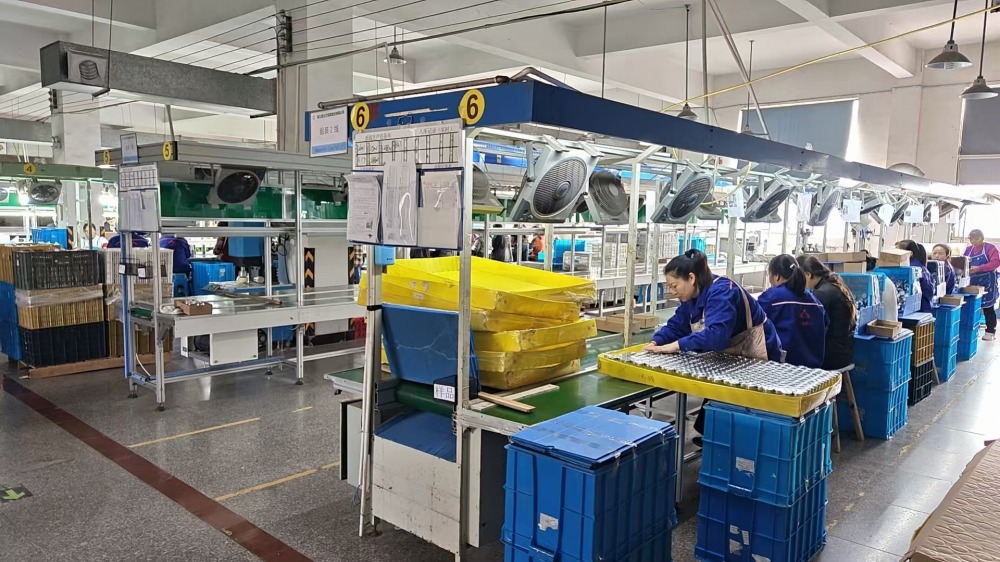
9. Clean-Room Grinder Assembly
Dedicated dust-controlled assembly lines couple ceramic cores, drive spindles, gearboxes, and motor brackets under monitored torque screwdriver limits.
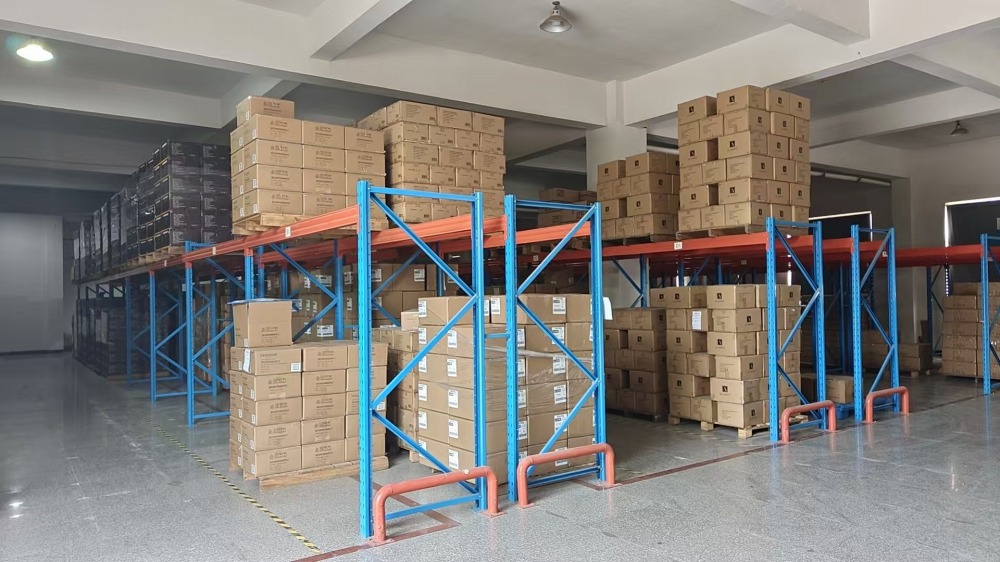
10. Export Packaging & Sealing
Automated blister and gift box packing accompanied by desiccants, certified barcodes, and heavy-duty 5-ply corrugated master cartons meeting ISTA standards.

In-House Laboratory Testing Infrastructure
Kitchen seasoning appliances operate in notoriously hostile environments: high ambient humidity near boiling pots, exposure to highly corrosive sodium chloride, sudden drops onto tile floors, and prolonged motor heat. To guarantee zero warranty failure rates for our import partners, BMDEV maintains an in-house, fully equipped quality control testing laboratory. Every mass production batch is subjected to destructive and operational qualification:
Salt Spray Corrosion Chamber
Continuous 5% neutral salt spray fog testing (NSS) running 48 to 96 hours to certify that stainless steel 304 casings, plating, and internal metal shafts exhibit zero oxidation or pitting.
Programmable Climate Chamber
Thermal cycling from -20°C to +70°C at 95% relative humidity to ensure ABS plastic chassis and internal lithium-ion battery polymers resist warping, cracking, or thermal runaway.
Battery Cycle Life & Discharge Tester
Automated charge/discharge profiling verifying that lithium cells retain >80% capacity after 500 complete cycles, with verified cutoff voltage protection against deep discharge.
Carton Bursting Strength Tester
Hydraulic Mullen burst testing on all export master shipping cartons ensuring resistance to side-impact puncture and crush forces exceeding 1,400 kPa during transoceanic shipping.
Dielectric Hi-Pot Safety Tester
High-voltage insulation breakdown and leakage current checks on all charging circuits and motorized sub-assemblies to satisfy CE-LVD and CB electrical safety criteria.
Continuous Motor Endurance Rig
Automated test benches operating grinders through 10,000 cycles with real Tellicherry peppercorn loads to verify gear train wear, ceramic burr edge retention, and thermal stability.
Frequently Asked Questions for Sourcing Directors & Importers
Direct, pragmatic answers regarding MOQ structures, certification documentation, tooling lead times, and private label execution.
1. Sample & Evaluation Orders: Off-the-shelf catalog units for testing and showroom evaluation can be ordered from 2 to 50 pieces.
2. Minor Customization (Laser Logo & Standard Packaging): Brand name laser etching on stainless steel shells or pad printing on ABS with standard factory packaging starts at 500 units.
3. Complete Private Label OEM: Bespoke Pantone color injection, customized surface electroplating, and custom 4-color gift box packaging starts at 1,000 to 2,000 sets depending on housing complexity.
4. Full ODM Custom Tooling: Proprietary outer chassis tooling and novel mechanical development typically commences at 5,000 units with mold amortization terms.
Launch Your OEM/ODM Pepper Grinder Program
Partner directly with Zhejiang BMDEV Plastic Industry Co., Ltd. Enjoy manufacturer-direct pricing, verified CE/CB/LFGB compliance dossiers, and 23 years of specialized precision kitchenware engineering. Inquire today for custom quotation, factory audit records, or rapid prototype delivery.