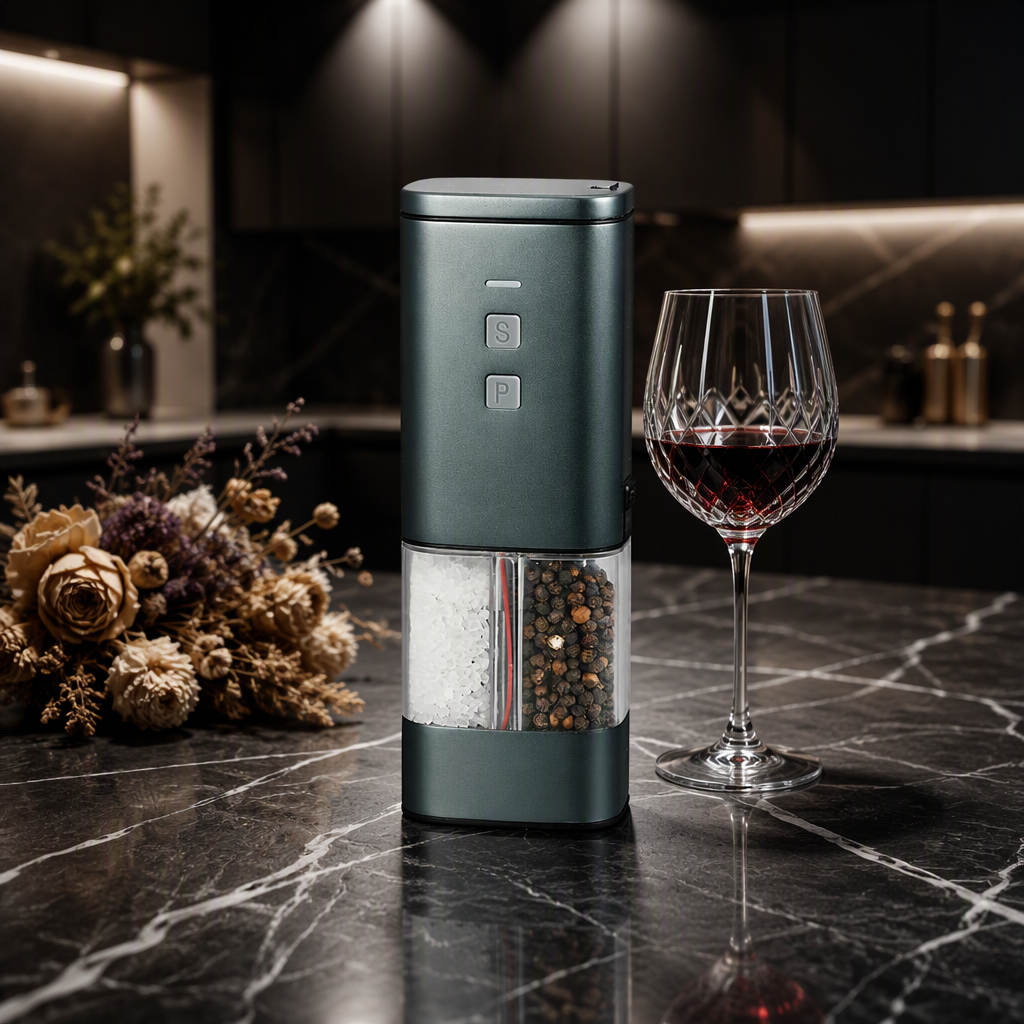
Featured Engineering Solutions
Explore our export-grade manual and precision motorized mills engineered to exceed CE, CB, and LFGB standard thresholds for global consumer markets.
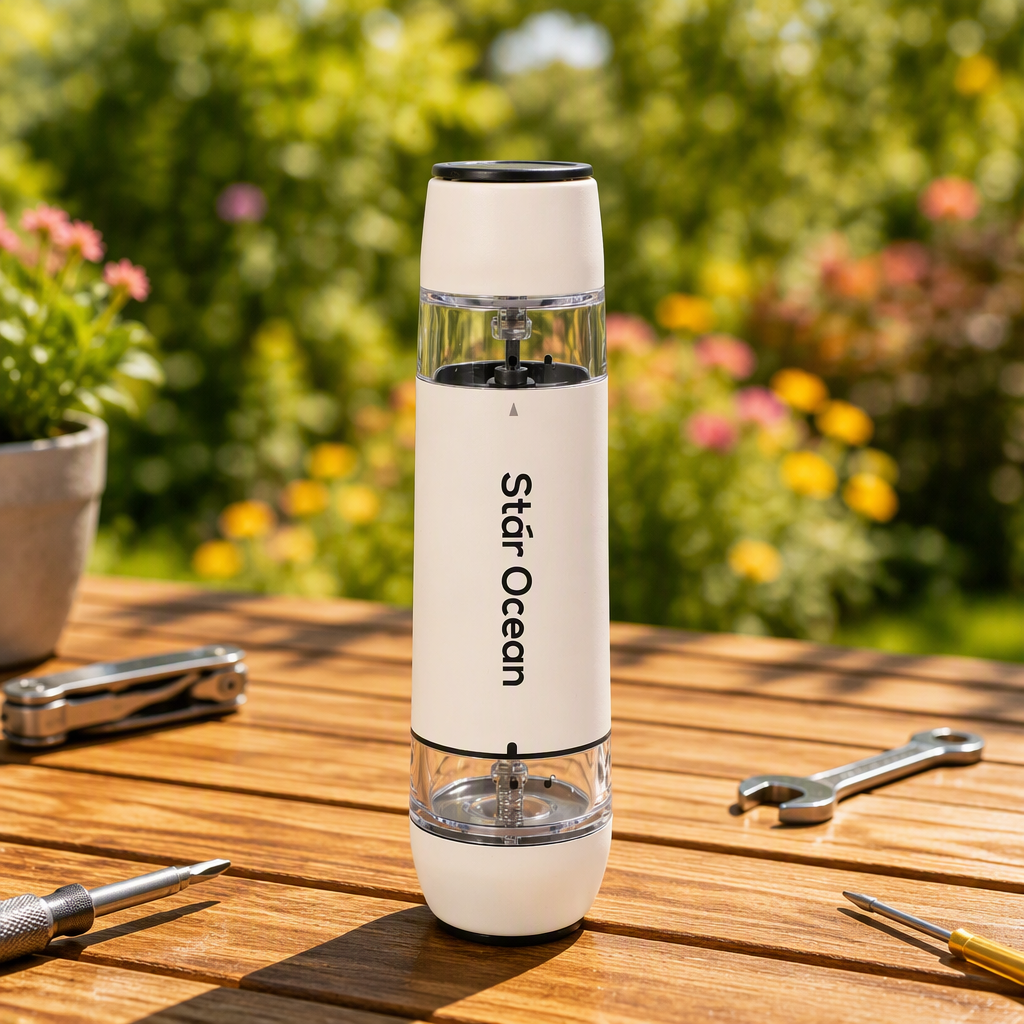
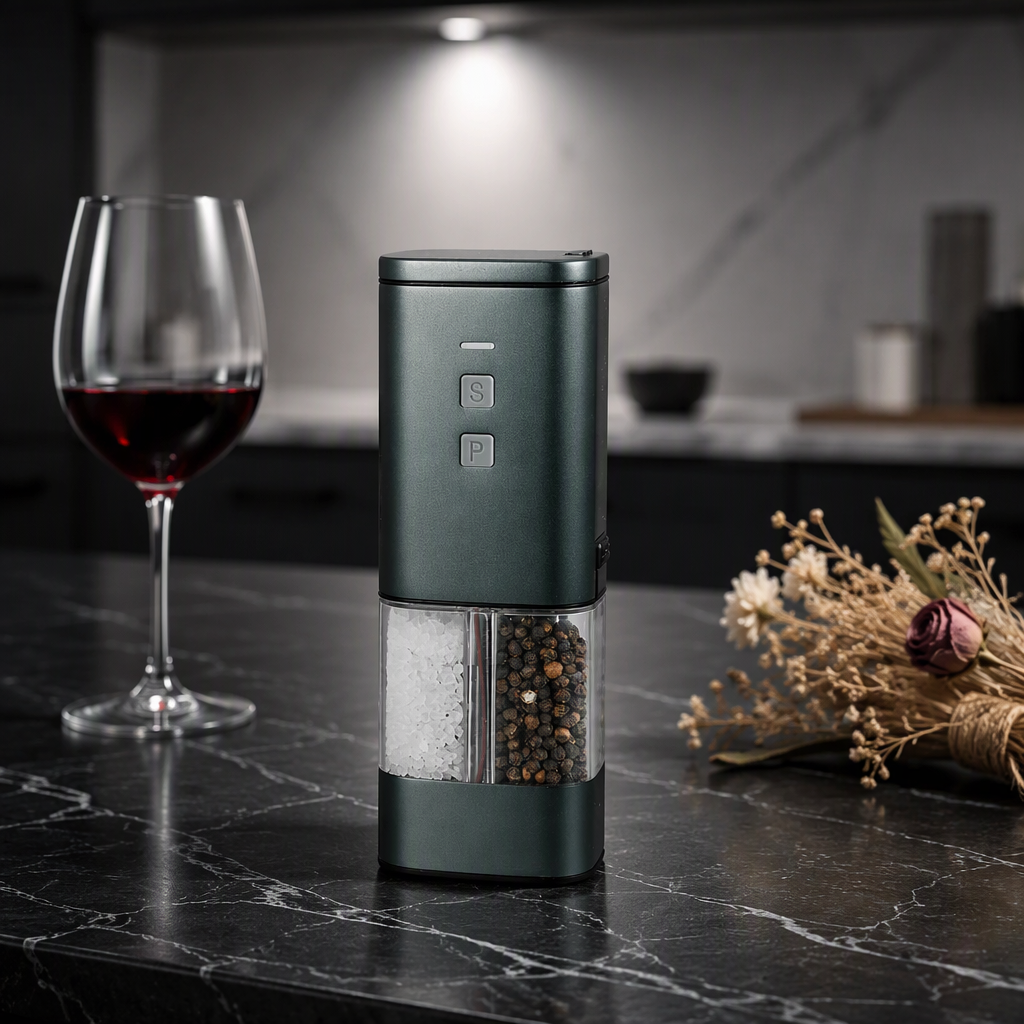




Engineering Rigor & Compliance Standards for Enterprise Buyers
A comprehensive technical evaluation of mechanical tolerances, material metallurgy, and mandatory European regulatory directives governing manual coffee extraction apparatus.
CE Directive Compliance Dynamics
Navigating hand coffee mill certification requires disassociating purely passive mechanical assemblies from integrated electromechanical hybrid hand devices. Pure manual grinders comply under the General Product Safety Directive (GPSD 2001/95/EC) and framework Regulation (EC) No 1935/2004 for food contact materials.
For motorized hand-held hybrid units, certification expands into the Low Voltage Directive (LVD 2014/35/EU), Electromagnetic Compatibility Directive (EMC 2014/30/EU), and strict adherence to RoHS 2011/65/EU restrictives covering solder and electronic subassemblies.
Burr Metallurgy & Particle Distribution
The core performance differential in modern hand coffee mills resides entirely in burr geometry and shaft stabilization. While ceramic burrs remain cost-effective and chemically non-reactive against extreme salts, high-nitrogen SUS420/SUS440 stainless steel CNC burrs provide far tighter unimodal particle size distribution curves.
Dual-bearing stabilization along a centralized steel drive axis prevents angular deflection under high lateral crank loads, suppressing micro-fines generation down below 8% at medium-coarse pour-over micron targets.
Food Contact Migration Toxicology
Supply chain verification must transcend paper assurances. In destination markets such as Germany and France, strict compliance with the LFGB Lebensmittel- und Futtermittelgesetzbuch (§30/§31) and French DGCCRF is mandatory.
Our vertically integrated facility subjects all polymers (SAN, ABS, Tritan), elastomeric gaskets, and structural metals to non-volatile residue migration tests and heavy-metal release assays to ensure zero leachability during sustained mechanical attrition.
Engineering Material Matrix: Comparative Sourcing Analysis
Evaluate mechanical thresholds, thermal dissipation capacity, and compliance profiles across primary grinder architectures.
| Mechanical Subsystem | Material Specification | Thermal Rise (°C / 30g run) | Tolerance Limits | Primary EU Directives |
|---|---|---|---|---|
| Conical Burr Core (Manual) | High-Alumina Ceramic (Al2O3 95%) | < 1.2 °C | ± 0.05 mm concentricity | EC 1935/2004, LFGB |
| High-End Specialty Burrs | CNC SUS420 Martensitic Steel (55-58 HRC) | < 2.4 °C | ± 0.012 mm axial runout | FDA 21 CFR, LFGB Section 31 |
| Shaft Drive System | SUS304 Stainless Steel Dual-Bearing | Negligible | ABEC-5 Precision Tolerances | RoHS Compliant Bearings |
| Motorized Portable Housing | Anodized Aluminum Alloy 6063 + ABS | < 5.8 °C (continuous) | IPX4 Environmental Ingress | CE (EMC / LVD), WEEE, Battery Dir |
| Collection Chamber | Borosilicate 3.3 Glass / Food PC | Ambient | Thermal Shock Resistant Δ120°C | EU No 10/2011 (Plastic FCM) |
Future Procurement Trends in Hand Grinder Manufacturing
Where consumer behavioral shifts intersect with global supply chain modernization: A four-point strategic forecast.
1. Electromechanical Hybrid Modularity
Wholesale distribution data illustrates an aggressive 38% CAGR expansion toward modular hybrid architecture. Discerning consumers demand a unified hand-crank manual device that locks into an ultra-quiet motorized docking cradle or lithium-ion drive head via standardized hexagonal quick-release connectors.
- Eliminates duplicate tooling amortizations for private brands.
- Allows seamless indoor kitchen and rugged outdoor campsite deployment.
- Facilitates modular SKU differentiation with a single tooling baseline.
2. Micron-Calibrated External Adjustment Rings
Internal thumb-wheel wing-nut adjustment pins are being rapidly phased out. Specialty buyers increasingly require continuous or micro-stepped external collars indexed in absolute microns per click (< 20μm increments).
- Enables reproducible calibration between fine espresso and aerated cold brew.
- Integrated tactile detent springs machined from phosphor bronze.
- Significantly enhances direct-to-consumer premium unboxing reviews.
3. Zero-Retention Anti-Static Engineering
Ground coffee chaff retention has historically triggered elevated return rates on e-commerce retail channels. Emerging engineering programs mandate anti-static chamber coatings or plasma-treated non-conductive internal surfaces.
- Minimizes residual grind accumulation down to < 0.1g total loss.
- Simplifies dry maintenance routines without demanding water immersion.
- Preserves delicate bean aromatics by terminating rancid oil pockets.
Vertically Integrated Manufacturing Ecosystem
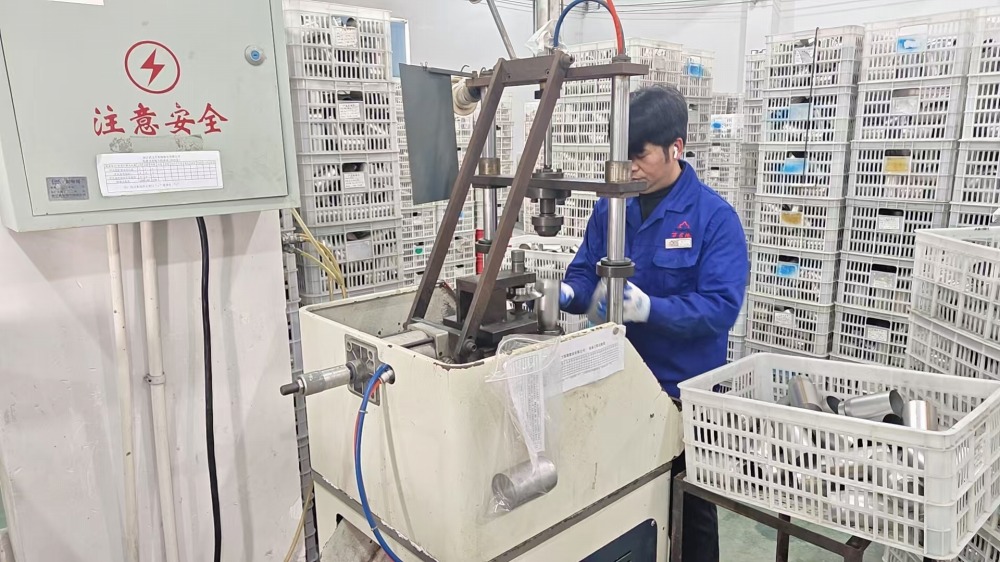
Zhejiang BMDEV Plastic Industry Co., Ltd. operates a closed-loop production environment. Controlling metal formation, injection molding, and assembly eliminates middle-tier supplier delays.

Stage 01
In-House Precision Injection
Stage 02
Fiber Laser Profile Cutting
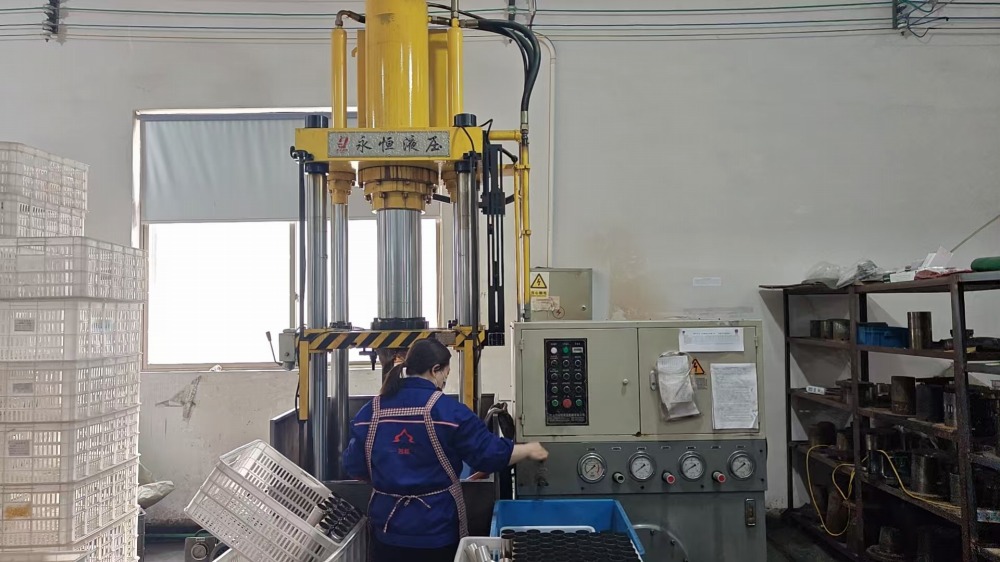
Stage 03
Hydraulic Metal Bulging
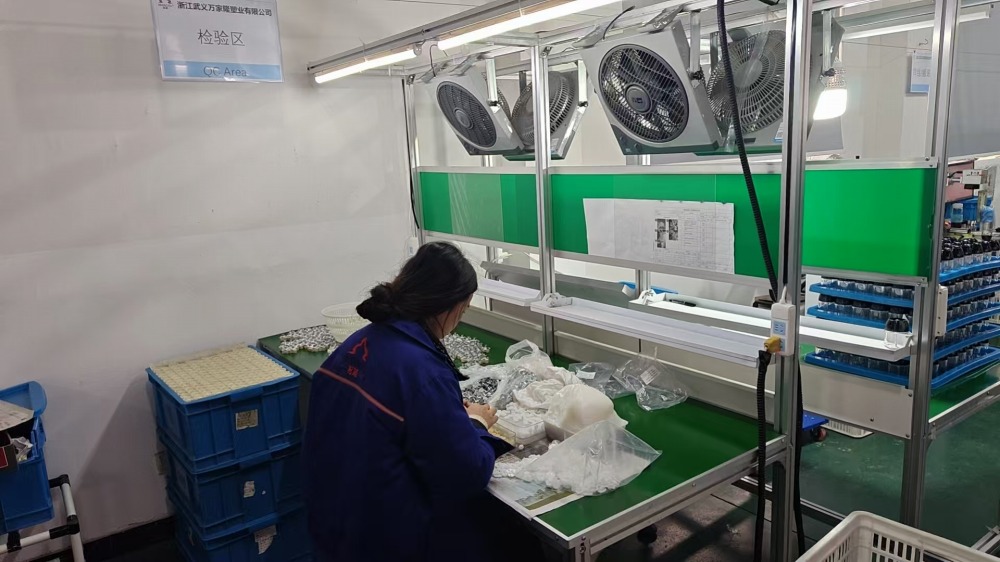
Stage 04
Inline Calibration & QA
In-House Laboratory Validation Matrix
Every product SKU undergoes rigorous pre-shipment validation within our Intertek-verified testing laboratory to guarantee field reliability.

Testing Routine 01
ASTM B117 Salt Spray Assay
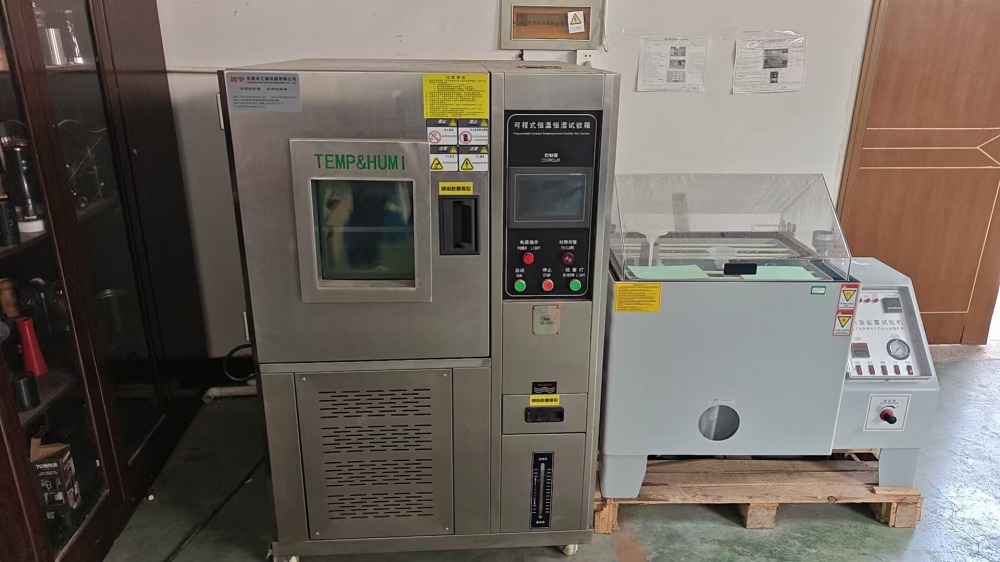
Testing Routine 02
Thermal Cycling Aging Chamber

Testing Routine 03
Cell Impedance & Charge Cycle Lab
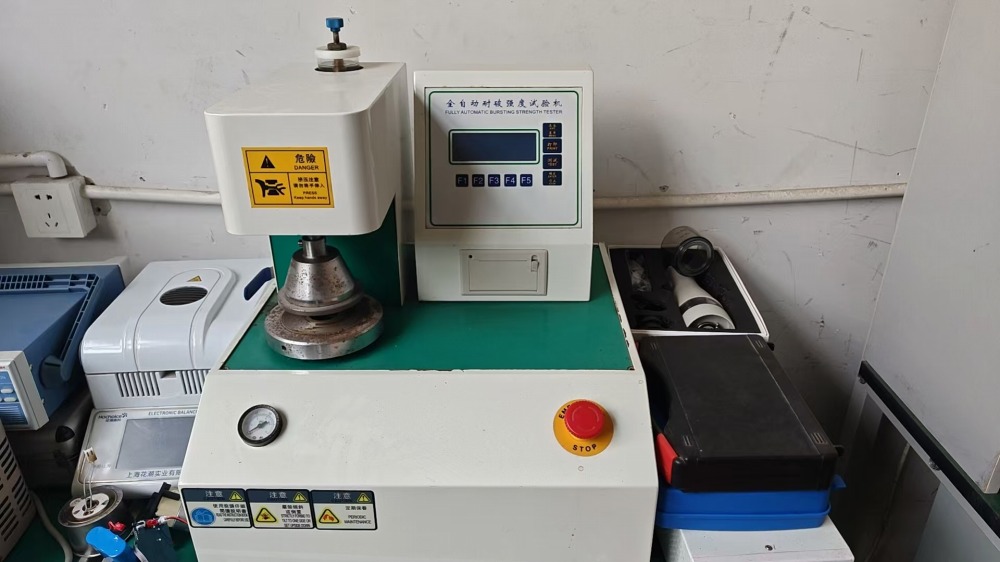
Testing Routine 04
ISTA Packaging Drop Validation
Procurement & Engineering FAQ
Strategic answers to critical technical, logistics, and verification inquiries submitted by international sourcing directors.
What distinguishes CE compliance on manual mills versus electric grinders?
Manual coffee mills fall under EU General Product Safety and strict Food Contact Materials Regulations (EC 1935/2004, LFGB, and REACH), focusing on mechanical stability and toxicological migration. Motorized or rechargeable hand mills necessitate comprehensive laboratory dossiers proving conformity to the EMC Directive (2014/30/EU), Low Voltage Directive (2014/35/EU), Battery Directives, and RoHS hazardous substance restrictions.
How does burr concentricity impact extraction and cup clarity?
Concentricity errors exceeding 0.05 mm generate significant bean shearing instability. When the inner cone oscillates unevenly relative to the outer ring, the device simultaneously produces oversized boulders and microscopic fines. Boulders lead to sour under-extraction, while fines over-extract, yielding bitterness and clogging pour-over filtration beds. Our CNC dual-bearing chassis locks concentricity within ±0.015 mm.
What are the minimum order quantities (MOQ) for custom-branded runs?
Because tooling and production lines are operated completely in-house, we support rapid market entry. Pilot sampling for in-stock catalog configurations begins at minimal units, rapid white-label logo laser engraving starts from 500 pieces, and complete custom bespoke tooling, custom Pantone chassis, and custom gift box packaging ranges from 1,000 to 2,000 pieces depending on burr specifications.
How are factory audits and chain of custody verified by third parties?
Our 12,538 m² manufacturing facility and our 264-person workforce are subject to annual on-site assessment audits conducted independently by Intertek. Buyers can review genuine verified audit certificates, technical CB scheme test reports, credit indices, and video facility walk-throughs prior to contract execution.
Partner with an Intertek-Verified OEM/ODM Manufacturer
Consult with our mechanical engineering and international regulatory trade team today. Request detailed dimensional drawings, migration lab reports, or custom sample prototypes tailored to your brand specifications.