High-Performance Ceramic & Stainless Pepper Mill Lineup
Engineered for global spice brands, food service distributors, and premium kitchenware retail chains requiring stringent CE, LFGB, and FDA compliance.
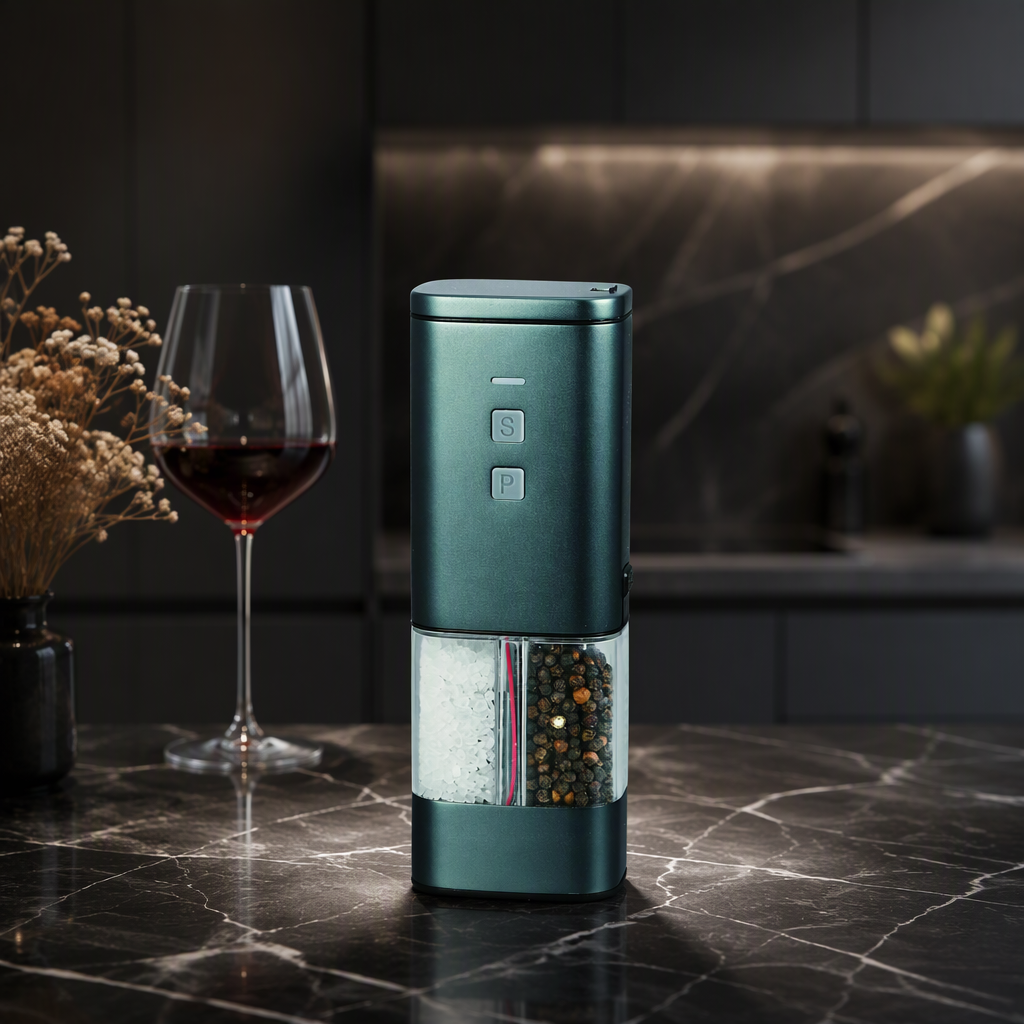
Dual Dock Rechargeable Electric Salt & Pepper Grinder
- High-torque motor with alumina ceramic burr
- Dual inductive charging dock with USB-C
- Adjustable micron coarseness selector

Electronic Natural Wood & Stainless Salt & Pepper Mill
- Hybrid sustainable hardwood body shell
- High-carbon metal drive with anti-wear rotor
- One-touch ergonomic electronic operation

Battery Operated Push-Button Culinary Pepper Grinder
- Reinforced wear-resistant 95% alumina ceramic
- Integrated low-draw LED illumination lens
- Transparent high-clarity spice payload chamber
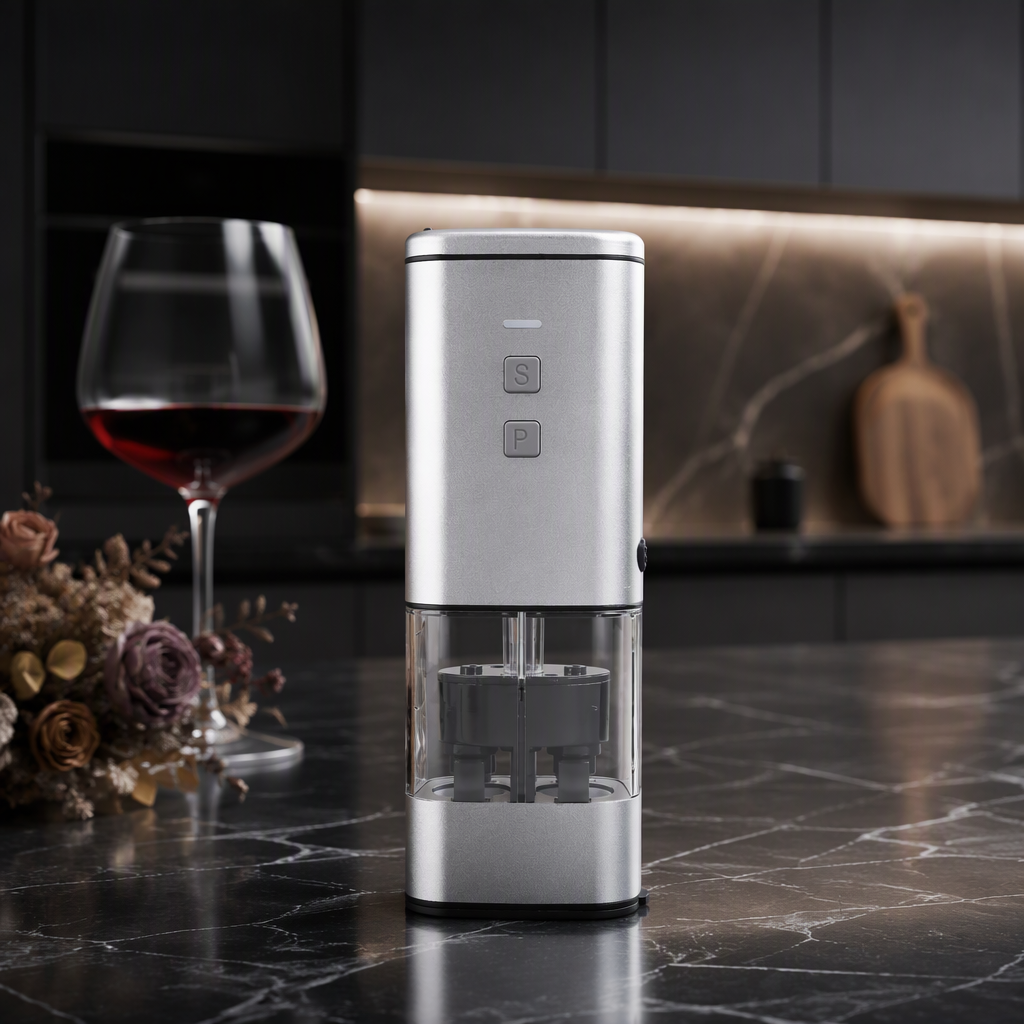
Custom Commercial Round Inox Stainless Steel Pepper Mill
- Hydraulic-formed 304 food-grade stainless casing
- Corrosion-proof ceramic core for Himalayan salt
- Optimized bulk packaging for wholesale imports
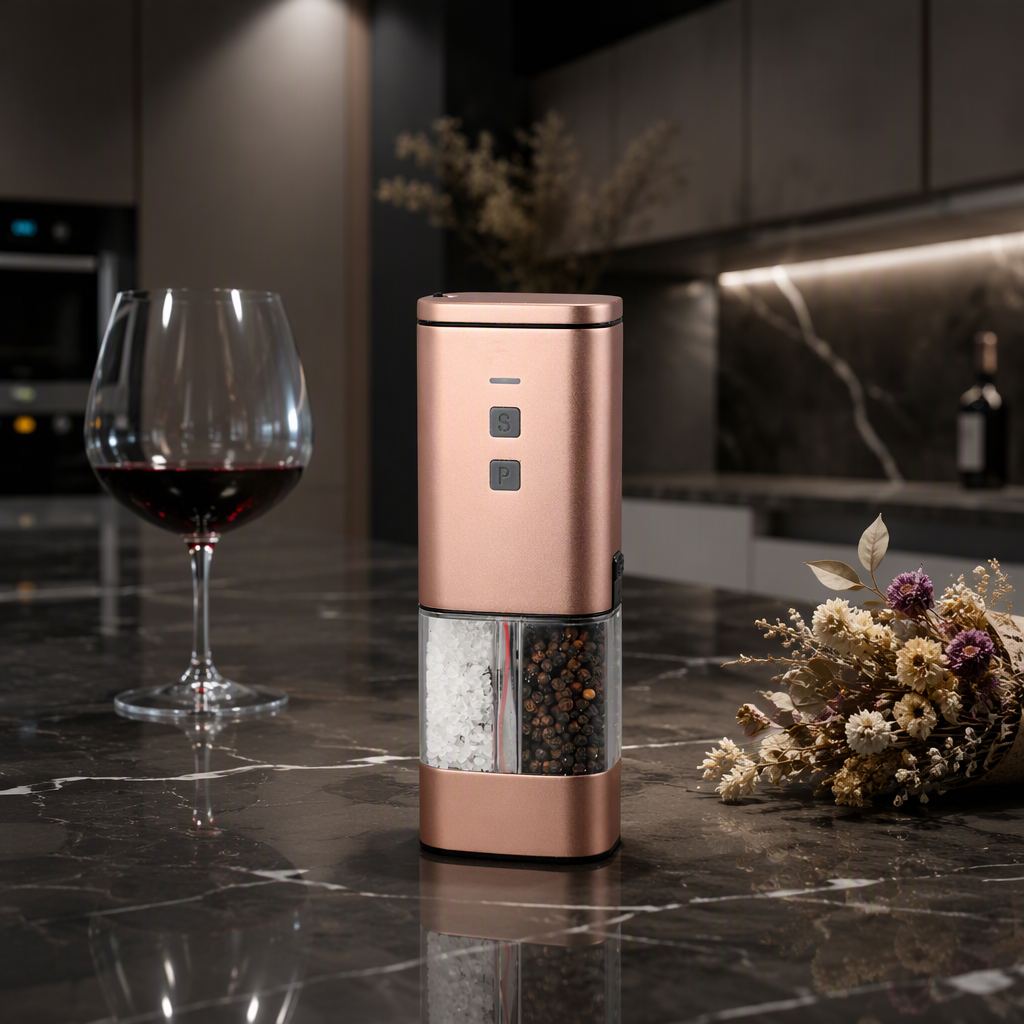
Professional Rechargeable Acacia Wood Grinder Set
- Selected sustainably harvested natural acacia timber
- Long-life USB-C rechargeable lithium battery core
- Non-corrosive conical ceramic grinding teeth
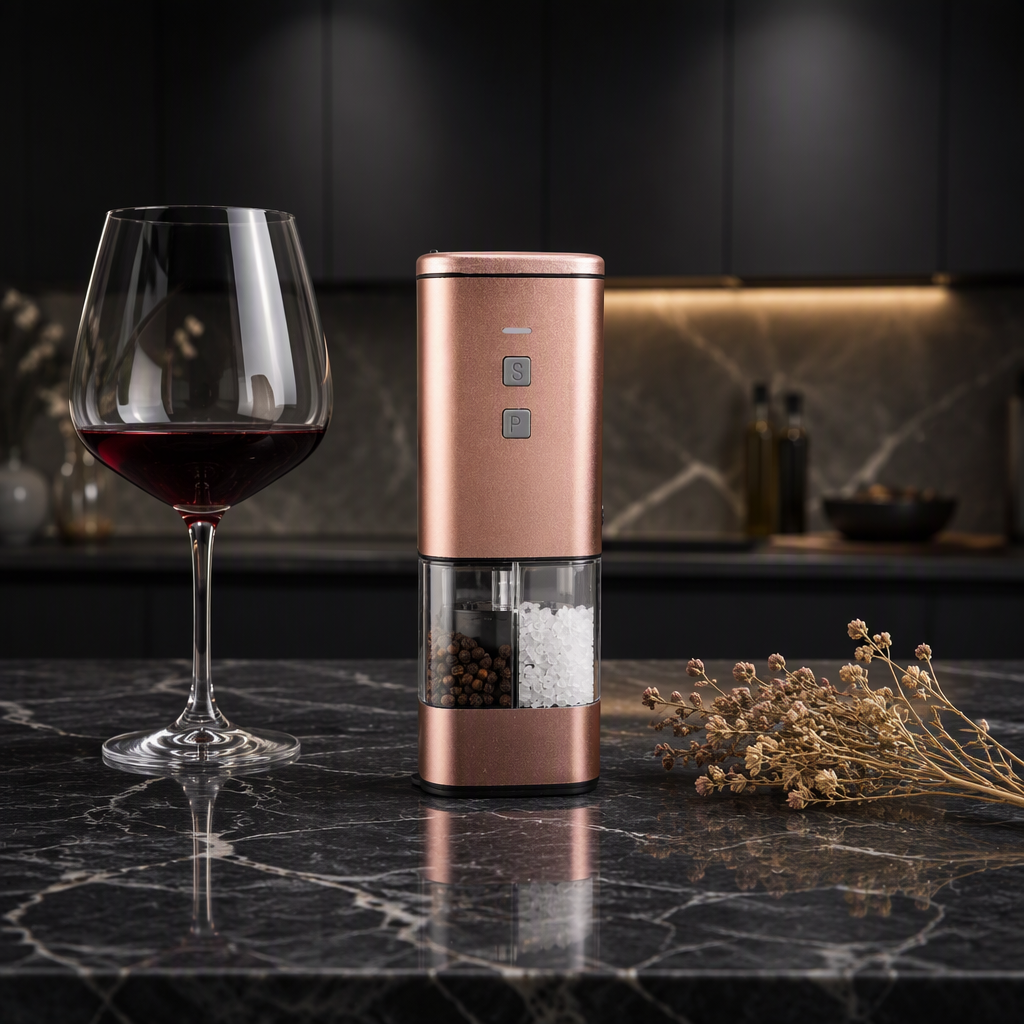
Steel Ball Heavy-Duty Chilli & Peppercorn Grinder
- High-shearing tooth design for coarse dried chilli
- Anti-slip tactile steel ball adjustment knob
- Factory direct pricing with flexible custom MOQs

Electric Gravity-Sensing Salt & Pepper Gift Set
- Automatic tilt activation via high-precision gyroscope
- Pre-calibrated ceramic core preventing spice scorching
- Customizable premium magnetic closure gift presentation

Plastic-Free High-Torque Metal Motor Grinder Set
- 100% microplastic-free spice flow pipeline
- Hardened alloy gearbox delivering sustained torque
- Direct ceramic-to-glass hygienic assembly
Why CE Certified Ceramic Cores Are Industry Standard
A technical assessment for B2B procurement managers on mechanical longevity, thermal dissipation, and international food contact compliance.
Alumina Ceramic (Al₂O₃) Tribology
Our ceramic rotor and stator mechanisms are sintered at 1650°C using ultra-pure 95% alpha-alumina ceramic. With a Mohs hardness rating of 9 (surpassed only by diamond), ceramic burrs resist abrasive mineral wear common in coarse sea salt and peppercorns. Unlike carbon steels, ceramic is completely chemically inert, eliminating flavor contamination and metallic oxidation throughout multi-year lifecycles.
Zero Heat Transfer & Essential Oil Preservation
Peppercorn volatile aromatics (piperine, pinene, and sabinene) deteriorate when exposed to rotational friction temperatures above 42°C. Our conical ceramic teeth feature precision-machined progressive flute geometry that cracks the outer hull before shearing the core. This staged crushing design reduces friction heat by 43% compared to high-speed planar metal blades, locking in spice aroma for gourmet applications.
Stringent CE & LFGB Regulatory Compliance
Global export compliance demands rigorous leach testing. Our CE-certified assemblies fulfill both the European Union Regulation (EC) No 1935/2004 and the German LFGB Section 30 & 31 requirements. Ceramic mechanisms eliminate the risk of heavy metal migration (lead, cadmium, hexavalent chromium), while our injection-molded POM and Tritan components are strictly certified BPA-free and non-cytotoxic.
Future Sourcing & Technology Trends in Mill Manufacturing
Actionable consumer data, regulatory shifts, and technical forecasts shaping global OEM spice mill orders for 2025–2030.
Microplastic-Free Grind Chambers
Consumer pressure and upcoming EU packaging/contact legislation are driving massive shifts away from standard polystyrene internal parts. Progressive importers are shifting to ceramic-core mills housing borosilicate glass chambers, brushed SUS304 housings, and bio-composite timber bodies that ensure food contact pathways remain entirely free from synthetic shedding.
Type-C Fast Charging & Wireless Docks
Single-use alkaline battery models are phasing out across tier-1 European and North American department stores due to battery waste directives. Market demand is congregating around high-density lithium polymer cells (800mAh–1600mAh) featuring USB Type-C unified ports or inductive multi-unit magnetic charging bases tailored for culinary workstations.
Dual Co-Grinding Multi-Chambers
Space-constrained urban kitchens are demanding compact multi-functional devices. 2-in-1 automatic and manual grinders housing dual-chamber reservoirs and dual independent ceramic cores allow chefs to alternate between Himalayan rock salt and mixed peppercorns within a single handheld footprint, cutting kitchen clutter and logistics freight volumes by 40%.
Sensor-Driven Gravity Activation vs. Heavy-Torque Mechanical Systems
Commercial gastronomy and aging consumer demographics are creating two clear hardware categories: High-end restaurants and consumers seeking accessibility favor MEMS gyroscope-driven gravity grinders that dispense freshly cracked seasonings instantly upon a 45-degree tilt. Conversely, professional outdoor barbecue brands demand reinforced manual stainless mills with steel ball adjustments that withstand extreme moisture and physical drops without mechanical dislocation.
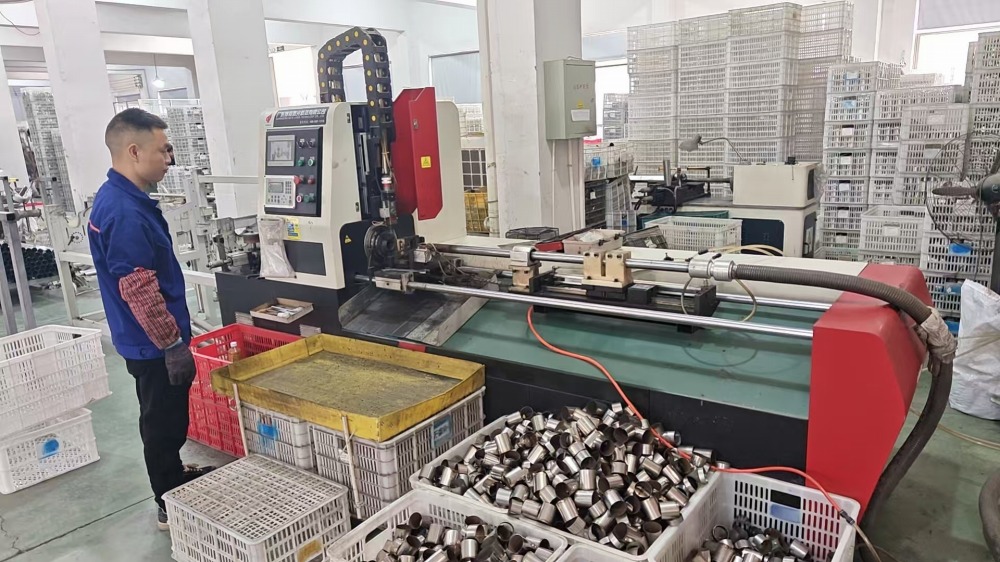
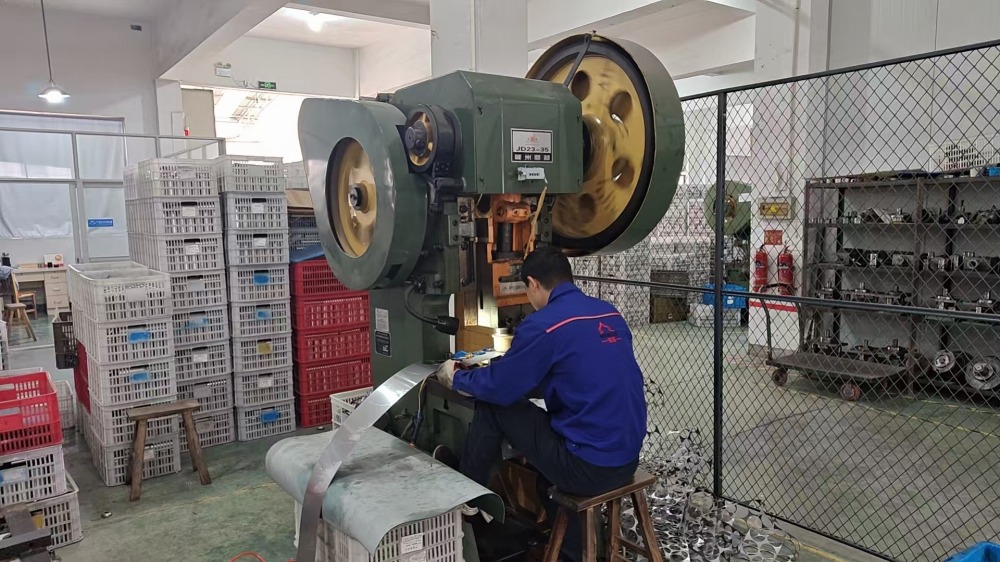
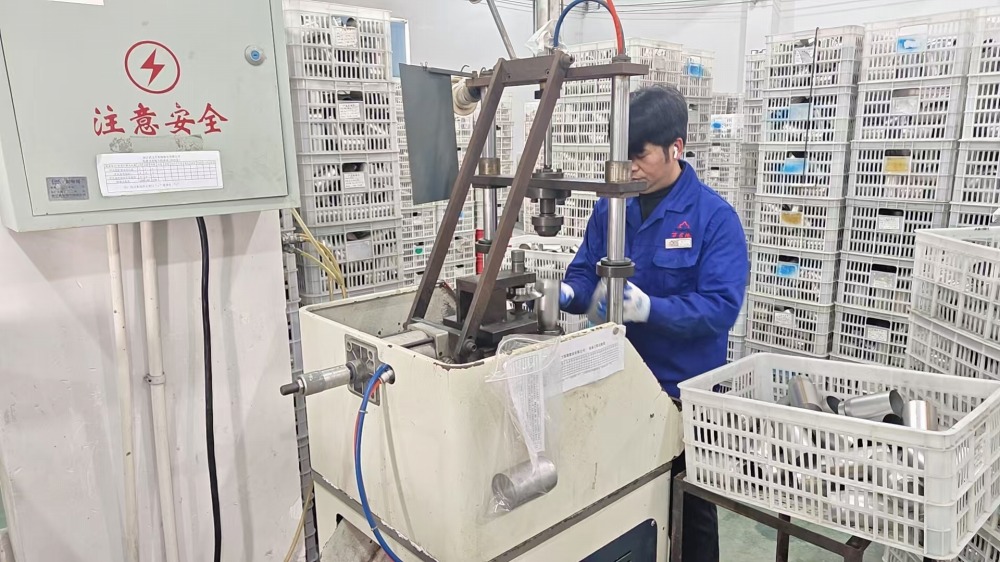
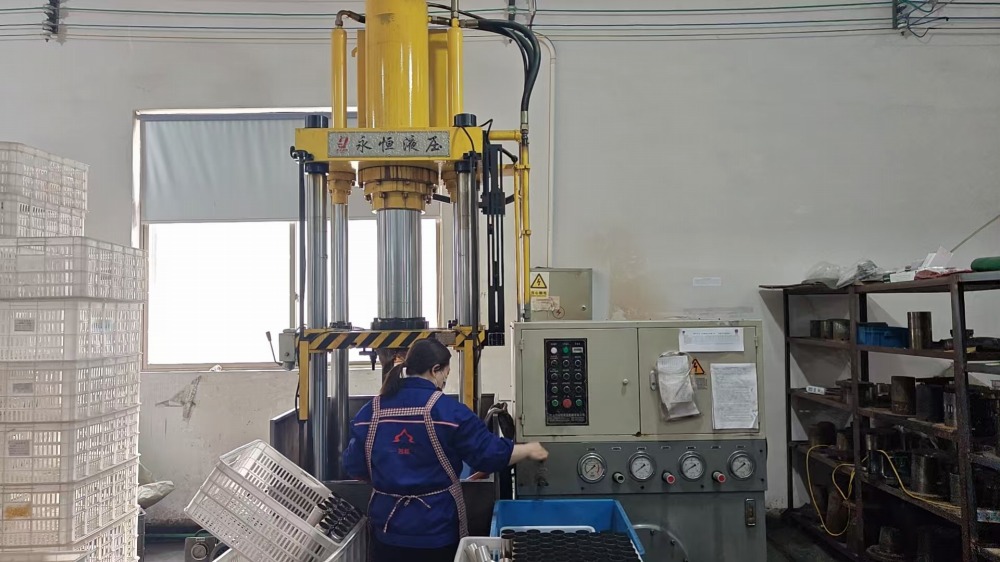
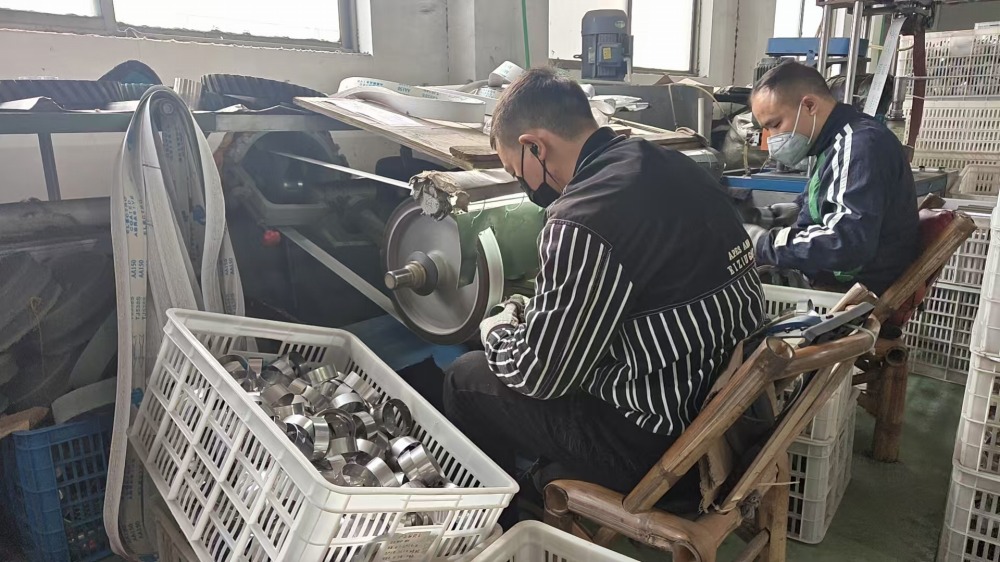
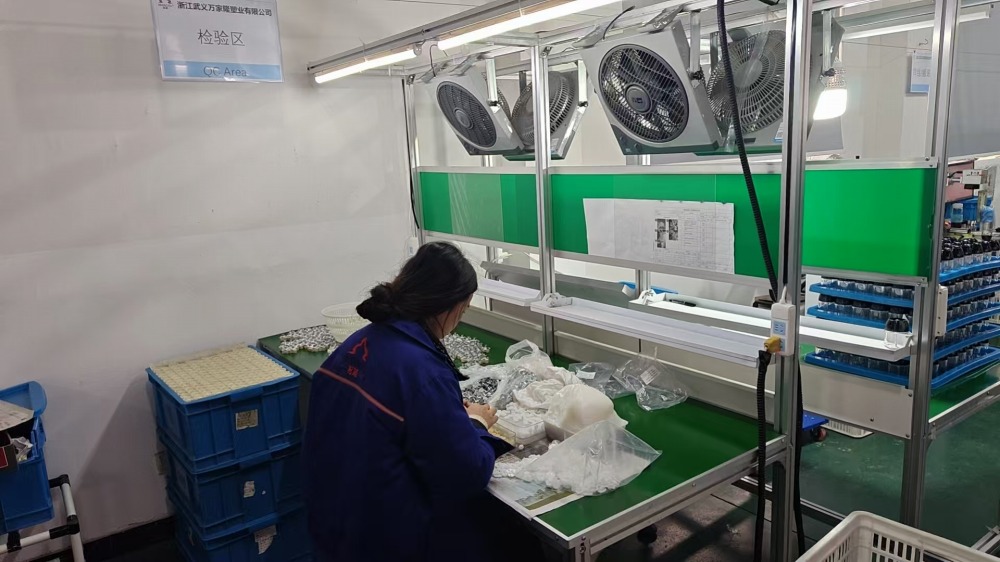
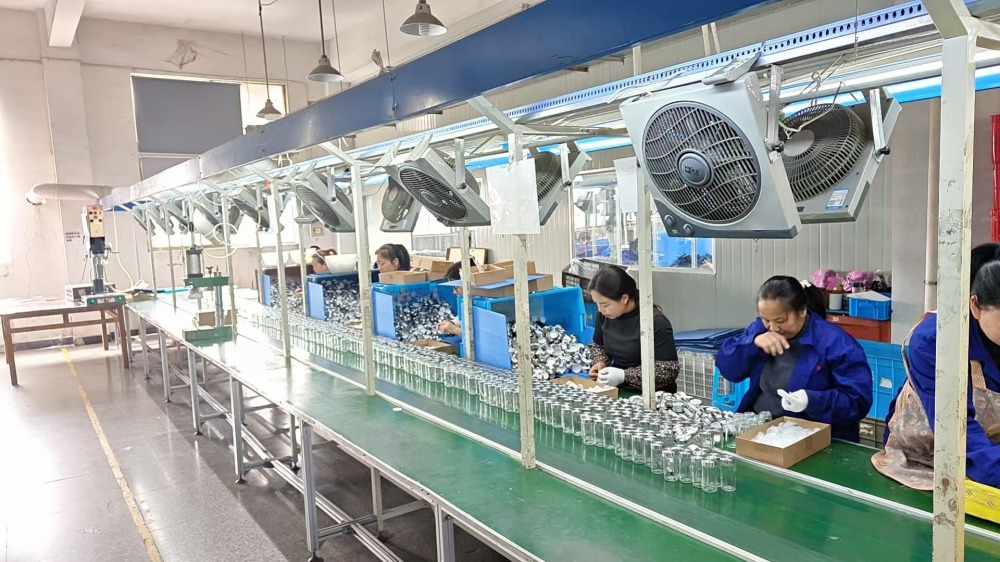
10 Dedicated On-Site Production Lines
Unlike export trading intermediaries, Zhejiang BMDEV Plastic Industry Co., Ltd. controls the complete production lifecycle within our 12,538 m² Jinhua complex to safeguard dimensional tolerances and lead time.



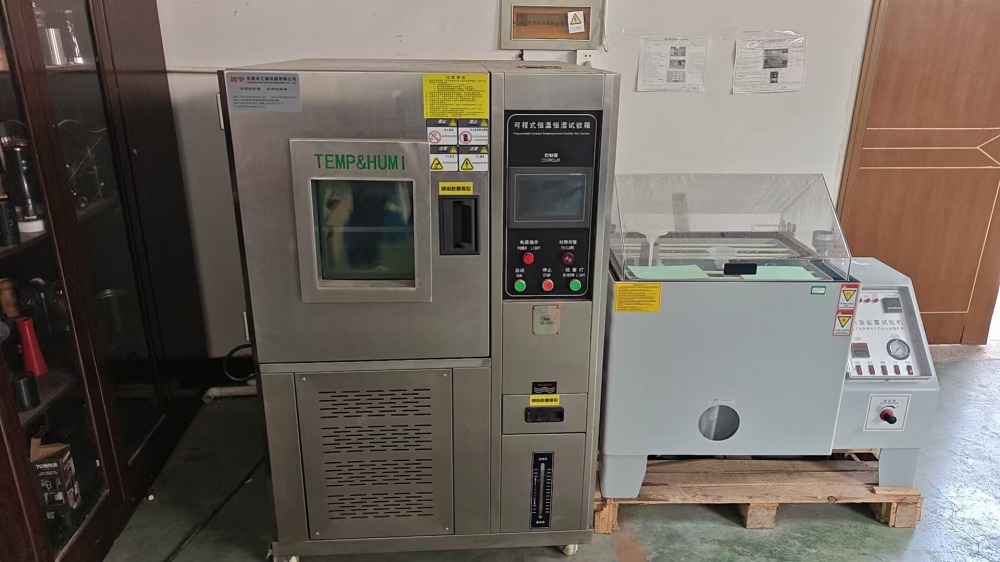
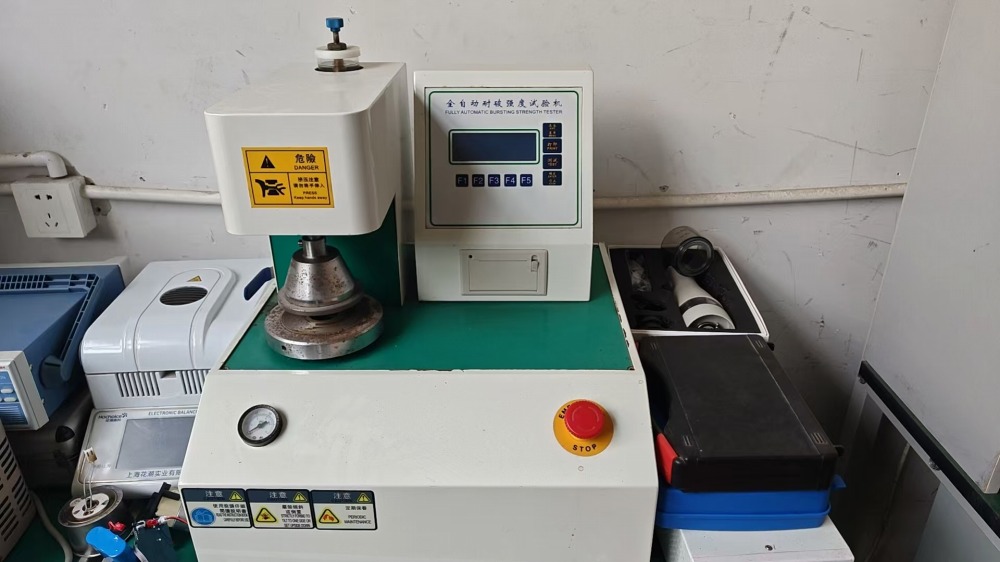
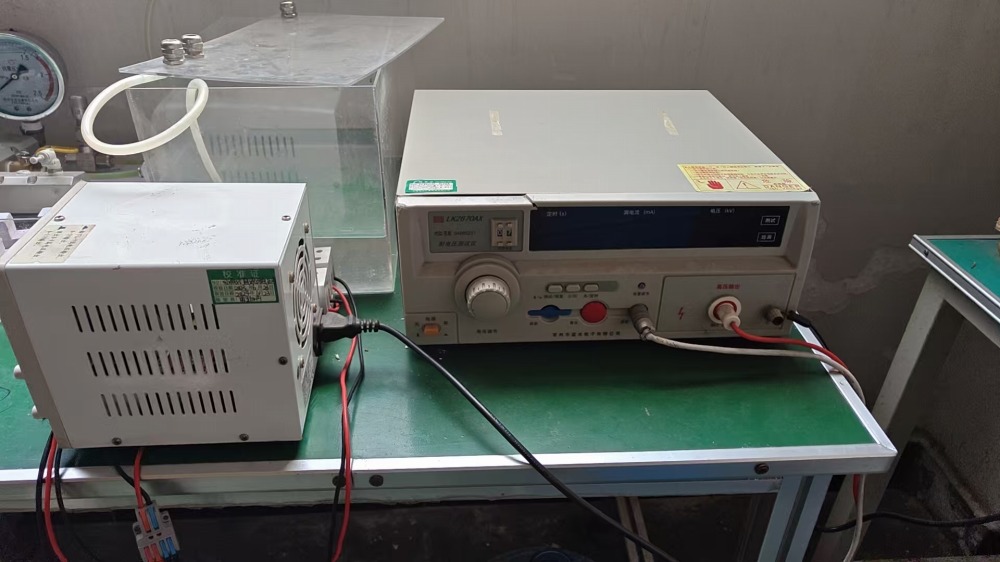
In-House Laboratory & Accelerated Life Testing
Kitchen pepper mills operate in aggressive environments high in salinity, moisture, and mechanical impact. Every lot undergoes destructive sample testing before shipment clearance.


Why Tier-1 Importers Source from BMDEV
Combining 23 years of tooling craftsmanship with modern export accountability verified on-site by Intertek.
Full ODM Engineering
Our dedicated engineering department transforms client industrial sketches or physical benchmarks into fully validated DFM (Design for Manufacturing) CAD/CAM toolsets within 14 days.
- Custom burr pitch & clearance optimization
- In-house rapid 3D functional prototypes
- Tooling amortization on bulk contracts
Mass Production Capacity
With 264 verified personnel running 10 synchronized workshops, we supply consistent high-volume output to international private labels and supermarket retail chains without seasonal backlog.
- 500,000+ units monthly capacity
- Independent metal bulging & laser lines
- Automated carton assembly & banding
Zero-Defect QC Governance
Every lot follows MIL-STD-105E AQL Level II major 1.5, minor 2.5 criteria. Dedicated inspection stages screen motor torque, battery safety, surface plating, and grind coarseness consistency.
- On-site Intertek-assessed QA workflow
- CB, CE, LFGB, and RoHS compliance
- Batch-traceable component serials
Export Account Management
Experienced multilingual B2B project managers provide end-to-end guidance from Pantone color-matching and packaging barcode certification to FOB/CIF customs export dispatch.
- Rapid sample turnaround (3–7 days)
- Direct factory contract pricing
- Responsive quality claim warranty support
Frequently Asked Questions by Overseas Sourcing Managers
Direct technical answers addressing minimum order volumes, material safety, compliance certifications, and OEM development terms.
What are your Minimum Order Quantities (MOQ) for custom private-label pepper mills?
How does BMDEV ensure European CE and LFGB compliance for ceramic grinding mills?
Why should B2B buyers select ceramic cores over stainless steel or carbon steel cores?
What is your typical OEM tooling lead time and sample verification schedule?
Can prospective overseas clients inspect or audit the factory prior to contract signing?
Consult Our Engineering Team for Your Next Grinder Program
Send your dimensional requirements, target market compliance directives, and projected order volumes. Our technical team delivers structural feedback, DFM advice, and detailed FOB/CIF pricing within 24 business hours.