0%

Choosing an Electric Coffee Grinder can feel simple until the first cup tastes unexpectedly bitter. Grind size, consistency, and heat all matter. So does your brewing method. A grinder suited to espresso may not serve a French press equally well.

Coffee educator James Hoffmann has said, “The grinder is the most important piece of equipment in your coffee setup.” It’s a useful reminder, not a universal rule. Your beans, budget, and daily routine still shape the right choice. And even a respected grinder cannot rescue stale coffee.

Start with the details you can observe. Does the grinder offer repeatable settings? Can you adjust them without wrestling with a stiff dial? Listen to its sound, notice how much coffee remains inside, and check whether the grounds look even. Small clues. They add up.

This guide will compare burr and blade designs, explain grind settings, and weigh noise, capacity, cleaning, and cost. It will also help you match a grinder to drip coffee, pour-over, or espresso. Specifications can be helpful, but they rarely tell the whole story. A sleek model might leave grounds trapped beneath its burrs. That’s easy to overlook.

There is no perfect choice for everyone. A practical grinder you enjoy using each morning may beat a feature-packed model that stays on the shelf. The best decision begins with honest expectations—and a little room to reconsider them.
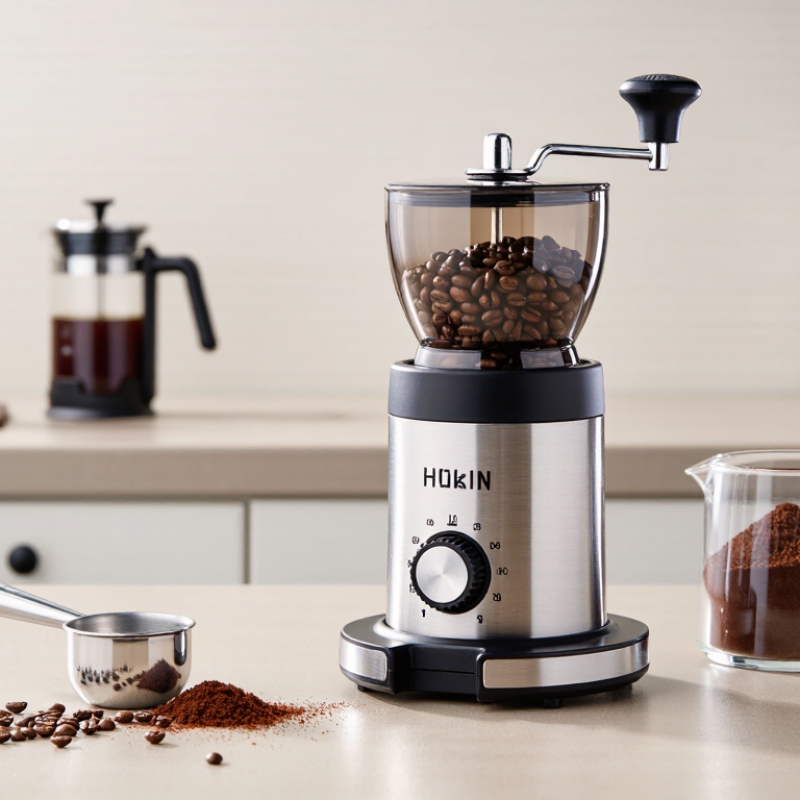
How to Choose the Best Electric Coffee Grinder?

Identify Your Brew Methods and Required Grind Range, from Espresso to French Press

Choose an electric grinder by the brew methods you actually use. Espresso needs a fine range and small, repeatable adjustments. A slight change can turn a balanced shot sour or harsh. Pour-over usually needs a medium grind, while French press works better with coarse, visibly chunky grounds. If you switch between methods, check that the grinder covers both ends and offers enough adjustment steps. A wide range is useful, but consistency matters too.

Grind size affects how quickly water extracts flavor. The Specialty Coffee Association’s Brewing Control Chart gives brewed coffee a reference extraction yield of 18–22% and total dissolved solids of 1.15–1.35%. These are useful benchmarks, not guarantees of a tasty cup. Bean age, roast, water, and technique all change the result. Even this grind map is imperfect; it’s easy to blame the grinder when the real issue is an uneven pour.

Tips

Adjust one setting at a time. For espresso, change the grind before changing dose. For French press, try a coarser setting if the cup feels muddy, then taste again. Keep notes on the setting and brew method. A small notebook helps more than memory.

Compare Burr Types, Adjustment Steps, and Grind-Size Consistency

Choosing an electric coffee grinder starts with its burrs, but shape alone does not predict cup quality. Conical burrs often run at lower speeds and can suit compact kitchens. Flat burrs may produce a narrow particle distribution, though design and alignment matter just as much. Neither type guarantees a better brew. Listen for a steady motor and check whether the grounds look uniform, not merely attractive. A few visible fines are normal.

Adjustment steps affect how easily you can repeat a recipe. Stepped grinders click between set positions, making familiar settings simple to find. Stepless models allow tiny changes, which can help with espresso but feel less intuitive. Try moving one step at a time, then brew and note the taste. Sour coffee may need a finer setting; harsh bitterness can point toward a coarser one. These clues are useful, not rules.

Consistency matters most when the grind stays similar from dose to dose. Look for a stable grind time and minimal clumping, and brush away old grounds regularly. That helps. A grinder can still drift as burrs wear or beans change. It is easy to blame the machine too quickly; record the setting, dose, and brew time before making another adjustment.

Choosing a grinder: Flat burrs are often associated with a more uniform particle distribution, while conical burrs can produce a broader distribution; actual results depend on burr design, alignment, and settings. Fine adjustment steps make it easier to dial in a grind, especially for espresso. The chart shows approximate particle-size targets, not fixed standards—recipes and grinders vary.

Use SCA’s 55 g/L Dose Guideline to Estimate Hopper and Batch Capacity

How to Choose the Best Electric Coffee Grinder?

Use SCA’s 55 g/L Dose Guideline to Estimate Hopper and Batch Capacity

A grinder’s hopper capacity is useful only when it matches your brewing routine. The Specialty Coffee Association’s commonly cited guideline of 55 grams of coffee per liter of water offers a practical estimate. It is a reference point, not a rule for every recipe.

500-milliliter batch
About 27.5 grams
1.2-liter batch
About 66 grams

Small batches matter.

Compare those doses with the hopper’s stated bean capacity. A 250-gram hopper could hold enough for roughly three 1.2-liter batches, with some beans left over. In practice, bean shape and how the hopper is filled can affect the amount it holds. Weighing beans is more dependable than judging by sight.

A scale helps.

Think about how often you want to refill. If you make one large pot each morning, a hopper that holds several doses may be convenient. If you brew one cup at a time, a smaller hopper—or weighing each dose separately—can help avoid leaving beans exposed longer than needed. The 55 g/L estimate also cannot predict your preferred strength; your recipe may call for more or less coffee. Test your usual batch size, then choose a grinder that handles that dose comfortably without making capacity the only deciding factor.

Assess Motor, Grind Retention, Noise, Cleaning, and Replacement-Part Access

How to Choose the Best Electric Coffee Grinder?

Judge the motor by how steadily it handles your usual dose, not by its wattage alone. A motor that slows or heats during repeated grinding may struggle with daily use. If possible, test a typical batch and listen for changes in pitch. Small details matter.

Grind retention affects freshness and mess. After grinding, inspect the chute and grounds chamber for trapped coffee. A few leftover particles can stale the next cup, while a puff of grounds on the counter adds cleanup. Noise also deserves a real-world check: a sharp, high-pitched whine may feel much louder in a quiet kitchen than in a busy shop. Compare grinders at the same distance, if you can. Sound ratings rarely tell the whole story.

Cleaning should not require special tools or awkward finger reaches. Look for removable parts and clear instructions, then check whether the burr area can be brushed without dismantling the motor housing. Replacement-part access is easy to overlook until a lid, catch cup, or burr wears out. Check whether common parts can be ordered individually and whether the manual lists them clearly. I would still allow for some guesswork: product pages can be vague, and a neat-looking design may hide a fussy cleaning routine.

Check Brew Results Against the SCA’s 18–22% Extraction-Yield Range

Choosing an electric coffee grinder becomes easier when you measure extraction, not noise or appearance. The Specialty Coffee Association’s Brewing Control Chart places a balanced extraction yield near 18–22%. This range is a useful target, not a guarantee of great flavor.

A reliable grinder should produce consistent particles across repeated brews. Excessive fines can slow filtration and create bitterness. Large particles may leave the cup thin and sharp. I test one coffee with a fixed recipe, then measure total dissolved solids with a calibrated refractometer. The extraction calculation combines beverage strength, brew weight, and dry coffee weight. Small errors matter.

Aim for 18–22% extraction first. Taste afterward. A brew at 20% can still taste harsh if the water is too hot or the coffee is stale. The SCA Coffee Standards also identify approximately 1.15–1.35% total dissolved solids for many brewed coffees. These figures help compare grinders fairly. They do not replace sensory judgment.

In practical testing, I grind the same dose three times and inspect the bed after brewing. A more even bed usually produces cleaner results. Still, my method is imperfect. Refractometer readings vary, and particle-size analysis can expose problems that taste alone misses. Choose a grinder with stable burr alignment, repeatable dosing, and clear adjustment steps. Convenience matters, but extraction data reveals what convenience cannot.

FAQS

How should I choose an electric grinder for my brewing methods?

Match the grinder’s range to your routine. Espresso needs fine settings and small, repeatable adjustments. Pour-over usually needs medium grounds. French press needs coarse, visibly chunky particles.

Why does grind size matter so much?

Grind size controls how quickly water extracts flavor. Fine grounds extract faster. Coarse grounds extract slower. A small change can make espresso taste sour or harsh.

What should I check when switching between espresso and French press?

Confirm that the grinder covers both fine and coarse ranges. Check the number of adjustment steps, too. A wide range helps, but consistency matters more.

What extraction range can guide brewed coffee testing?

A useful reference range is 18–22% extraction yield. Many brewed coffees also measure around 1.15–1.35% dissolved solids. These figures guide testing, not taste.

Does a 20% extraction result guarantee a delicious cup?

No. A 20% result can still taste harsh. Water temperature, stale coffee, uneven pouring, and brew technique also matter.

How can uneven particles affect the cup?

Excessive fine particles may slow filtration and create bitterness. Oversized particles can leave the cup thin and sharp. The brewing bed should look reasonably even.

What is a practical way to compare grinder performance?

Use the same coffee, dose, and recipe repeatedly. Grind the same dose three times. Inspect the coffee bed after brewing. Measure dissolved solids with a calibrated tool, if available.

What adjustments should I make when the coffee tastes wrong?

Change one setting at a time. For espresso, adjust grind size before changing the dose. For muddy French press coffee, try a coarser setting and taste again.

Should I keep records while testing a grinder?

Yes. Write down the grind setting, method, dose, and taste. A small notebook often beats memory. My testing method is imperfect, so notes help reveal patterns.

Conclusion

Choosing the right Electric Coffee Grinder starts with the way you brew. Espresso usually calls for very fine, precise adjustments, while French press needs a much coarser grind. Consider whether the grinder offers the range and adjustment steps your methods require, and compare burr designs and grind consistency. A uniform grind can help water extract coffee more evenly, while easy, repeatable settings make it simpler to dial in a recipe.

Capacity and everyday usability matter too. The SCA’s guideline of 55 grams of coffee per liter of water can help you estimate how much the hopper or grinder should handle for your usual batch size. Also assess motor performance, noise, retained grounds, cleaning access, and the availability of replacement parts. Finally, evaluate the cup: the SCA’s 18–22% extraction-yield range is a useful reference for checking whether your grind and brewing approach are producing balanced results.

Elowen

Elowen

Elowen is a dedicated marketing professional who combines clear communication with in-depth knowledge of the company’s products and services. Through regular contributions to the company website, Elowen creates informative blog articles that help readers understand product features, practical......